Acupuncture & Pain Relief
A natural therapy refined over thousands of years
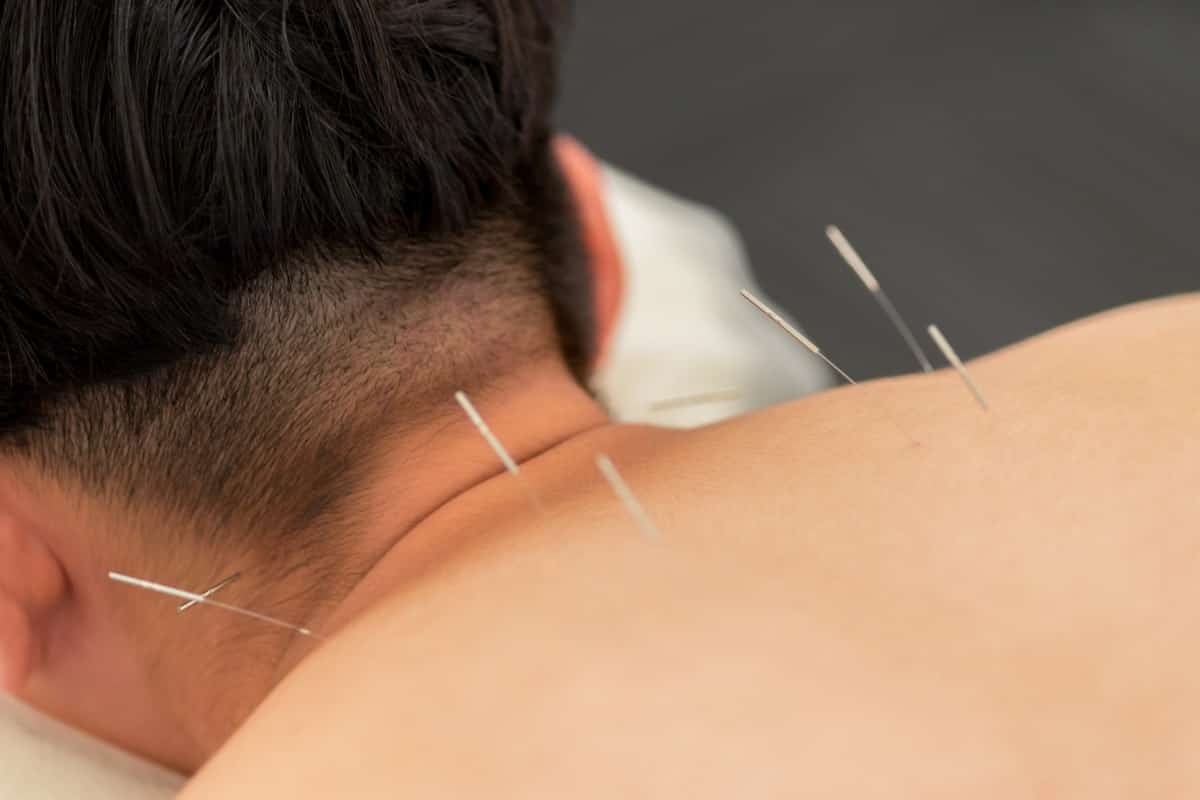
By inserting fine needles into specific acupoints, acupuncture promotes meridian flow and balances qi and blood to effectively address pain and a wide range of conditions. Side effects are minimal, and it pairs well with herbal medicine and cupping.
Virtually zero side effectsLiving with Pain Shouldn't Be Your Normal
Pain during the day, pain at night, painkillers barely taking the edge off — you might have accepted this as 'just how it is'. But pain can be managed. Our practitioners specialise in acupuncture combined with manual techniques to help you regain a normal life, step by step.
How Acupuncture Works
Consultation & Assessment
Our practitioner conducts a full assessment using the four diagnostic methods — observation, listening, inquiry, and pulse-taking — to understand your constitution and symptoms.
Precise Point Selection
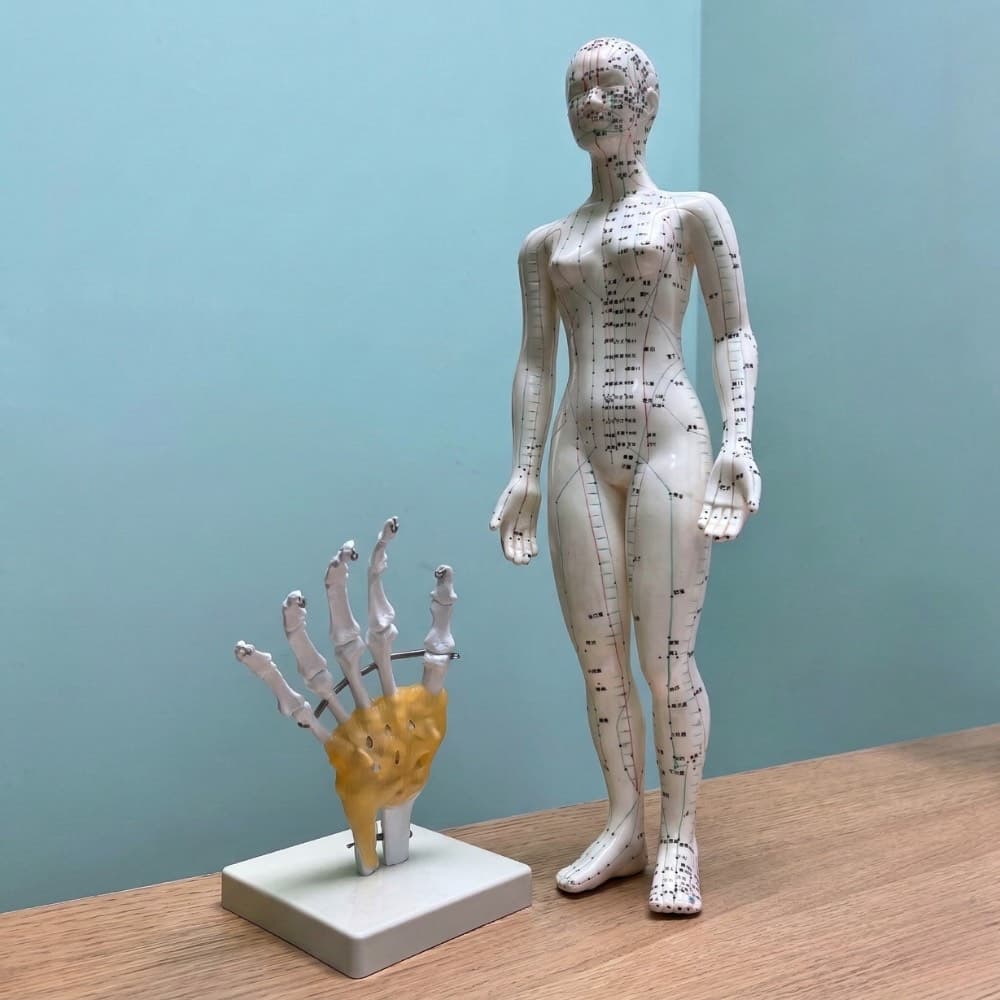
Based on the diagnosis, we select acupoints along the meridians that correspond to your specific condition, maximising treatment effectiveness.
Needle Treatment
Using sterile, single-use ultra-fine needles, insertion is gentle and precise. Most patients feel only mild tingling — the process is comfortable and safe.
Understanding Qi and Meridians
"Qi" is the subtle vital substance flowing throughout the body and powering its functions. "Meridians" are the pathways through which qi circulates.
Think of Qi as bus passengers and meridians as bus routes. When a stop gets 'congested', passengers can't reach their destination and the body experiences discomfort. Acupuncture clears these blockages so Qi and blood flow freely again.
Acupuncture Applications
According to the World Health Organization (WHO), acupuncture has proven efficacy for over 28 conditions. WHO
Therapeutic
Pain Management
Neck, shoulder, and back pain; arthritis; headaches; sports injuries
Internal Medicine
Insomnia, indigestion, colds, allergies, chronic fatigue
Women's Health
Irregular periods, menstrual pain, fertility support, menopause symptoms
Paediatric Care
Children's constitution support, poor appetite, recurring colds
Aesthetic
Facial Acupuncture
Lifts facial contours, improves complexion, softens fine lines
Acupuncture for Weight Loss
Regulates metabolism, curbs appetite, combined with thread-embedding for body shaping
Acupuncture for Common Pain Conditions
Acupuncture for Pain — Neck, Back & Sciatica
Acupuncture unblocks meridians and harmonises qi and blood flow, effectively relieving various pain conditions. Whether it's stiff neck and shoulders, lower back pain, or sciatica, acupuncture targets pain points directly. Combined with bone setting and Tui Na for enhanced results.
Lead practitioner: Dr. Wong (Pain Management, Bone Pain, Postural Correction)
Acupuncture Treatment Process in Lai Chi Kok
Your first visit includes a comprehensive consultation by a registered TCM practitioner to understand your constitution and symptoms. Each session lasts approximately 30-45 minutes. The treatment plan is adjusted based on your body's response to ensure optimal results.
Who Is Acupuncture For?
Athletes & Fitness Enthusiasts
Accelerates sports injury recovery, relieves muscle tightness, improves joint mobility and athletic performance.
Desk Workers
Targets stiff neck, back pain, and eye strain. Acupuncture quickly relieves tension from prolonged sitting.
Seniors
Gentle acupuncture effectively eases chronic pain, improves sleep quality, and supports digestive health.
Beauty Seekers
Facial acupuncture stimulates acupoints to naturally lift contours and improve skin texture — safe and non-invasive.
What to Know About Acupuncture
During acupuncture, you may experience sensations such as redness, swelling, warmth, aching, soreness, numbness, distension, or tingling — these are all normal needle responses. Our practitioners adjust technique and needle count based on your condition to keep things comfortable.
During acupuncture, if a capillary is punctured it may cause minor bruising — this typically fades within a day or two. We do our best to avoid blood vessels, but puncturing tiny capillaries is sometimes unavoidable. If you experience any discomfort, contact your practitioner to discuss bruise-relief methods. The plan will also be adjusted at your next visit.
Pregnant women, those with low platelet counts, or anyone on blood thinners need a special assessment. Let us know your situation when booking — your practitioner will determine the safest approach.
What to Expect After Acupuncture
Neck so stiff it hurts to turn, relying on pain patches every day
Better range of motion, less pain, no more daily patches
Frequent migraines, getting by on painkillers
Fewer and milder headaches, reduced medication reliance
Constant tension, can't switch off, poor sleep quality
Noticeably more relaxed, steadier mood, sleeping more soundly
Frequently Asked Questions
All treatments are administered by our registered TCM practitioners.Meet our doctors →
Book now and start your health journey
Limited slots available today
Book via WhatsAppAspira TCM — Your path back to health