Bone Setting & Tui Na
Release fascia and joints, improve posture-related pain
Constant Aches Don't Mean You Just Have to Cope
Back pain after sitting, waking up stiff all over, feeling better for two days after a massage then right back to square one — you might have accepted this as normal. Bone setting goes beyond relaxation to address the root cause through posture and structural correction.
What Is Bone Setting & Tui Na?
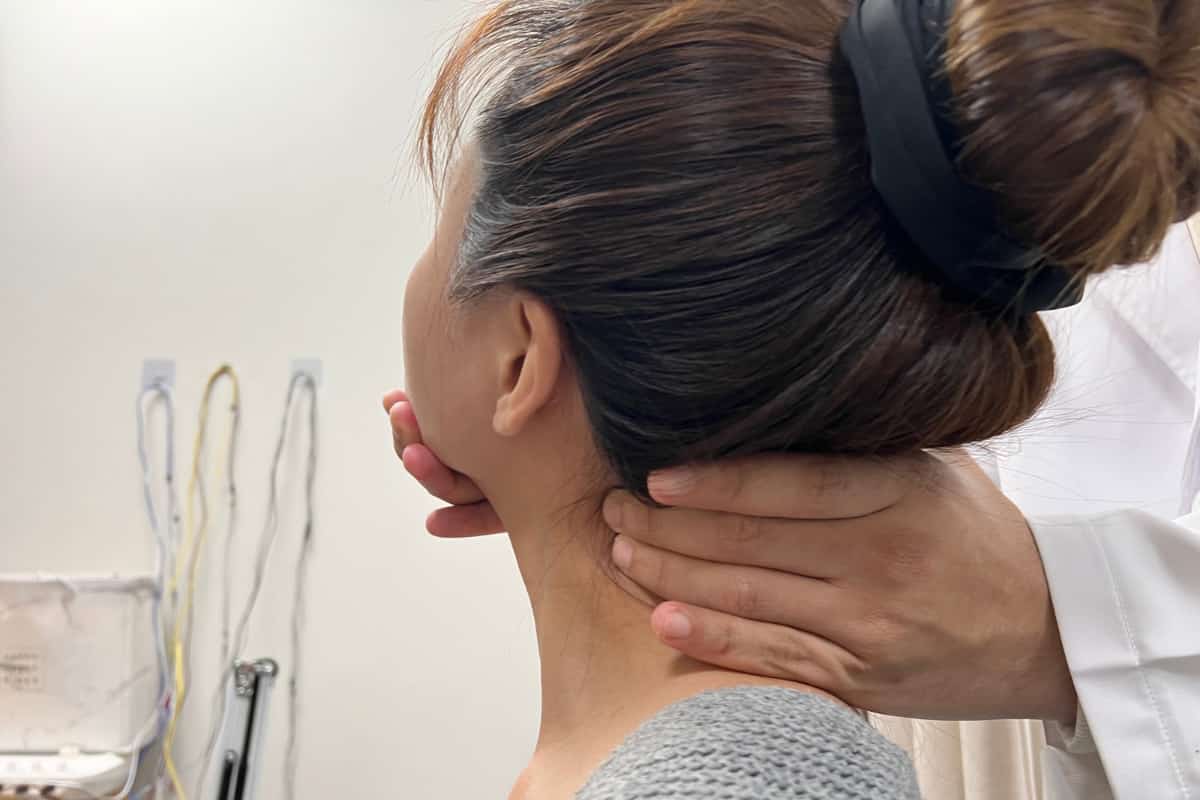
Bone setting and Tui Na combines TCM musculoskeletal theory with manual therapy, focusing on adjusting soft tissue tension, improving joint mobility, and correcting long-term postural imbalances. Prolonged sitting, looking down at screens, heavy lifting, or poor exercise form can cause muscle compensation and joint restriction, leading to recurring pain. The practitioner first assesses the source of your pain, then uses pressing, kneading, plucking, and manipulation techniques progressively — never forcefully. Through a gradual approach, muscles relax, blood circulation improves, and combined with daily movement advice, recurrence is reduced.
Suitable Symptoms
Treatment Process
Movement & Posture Assessment
Observing your stance, range of motion, and pain location to identify the root cause.
Pain Point & Fascia Check
Palpation to confirm the distribution of fascial tension and tender points.
Manual Release & Adjustment
Progressive treatment using pressing, kneading, and manipulation techniques tailored to your tolerance.
Home Stretching & Care Advice
Daily stretching exercises and posture improvement tips to help prevent recurrence.
What to Know About Bone Setting & Tui Na
Some areas may feel briefly tender after treatment, similar to post-exercise soreness — this usually fades within a day or two. For existing conditions, the practitioner controls pressure carefully.
Bone setting mainly addresses fascia and joint subluxation issues. For fractures or bone injuries in the recovery phase, herbal medicine can be considered to accelerate healing. Your practitioner will assess at your visit whether manual therapy is suitable for your condition.
Joint subluxation is often caused by long-term postural habits. After bone-setting repositioning, daily habit adjustments are needed to maintain the results. We provide stretching exercises and posture advice to help you extend the treatment benefits in everyday life.
What to Expect After Bone Setting & Tui Na
Back pain after sitting for an hour or two, needing the desk for support to stand
Sitting comfortably for longer, standing up with ease
Pain when turning in bed, arms going numb enough to wake you
Moving freely during sleep, sleep-related numbness improving
Muscles so tight after exercise you can't do the next workout
Faster recovery, able to maintain a consistent exercise routine
Frequently Asked Questions
All treatments are administered by our registered TCM practitioners.Meet our doctors →
Book now and start your health journey
Limited slots available today
Book via WhatsAppAspira TCM — Your path back to health