Why Do Late Nights Make You Gain Weight Faster? A TCM Look at Sleep, Cortisol and Runaway Appetite
After an all-nighter the cravings for chips, late snacks and milk tea come hard; the scale hasn't moved but the waistband has; new parents can put on 5 kg within six months. Late-night weight gain is not an illusion — the root cause is not "eating at night" but the cascade triggered when sleep quality drops. This guide explains how poor sleep drives weight gain through cortisol, ghrelin, leptin and insulin sensitivity, adds a TCM view of nighttime liver-gallbladder repair and constitutional patterns, lists when to see a Western doctor first, and offers four things you can start today.
Medical review: Dr. To Ching, Jenny,Registered Chinese Medicine Practitioner #009330
1-Minute Quick Answer
Late-night weight gain is rooted in poorer sleep quality, not in eating at night itself. Poor sleep disrupts the cortisol rhythm, raises ghrelin and lowers leptin and insulin sensitivity, leaving the body in a weight-gain-prone state the next day. Improving sleep quality matters more than restricting late snacks, and a fixed bedtime is key. Severe insomnia, cessation of periods or palpitations need Western assessment first. Reviewed by Dr To Ching (CMCHK 009330).
Why Do Late Nights Make You Gain Weight Faster? A TCM Look at Sleep, Cortisol and Runaway Appetite
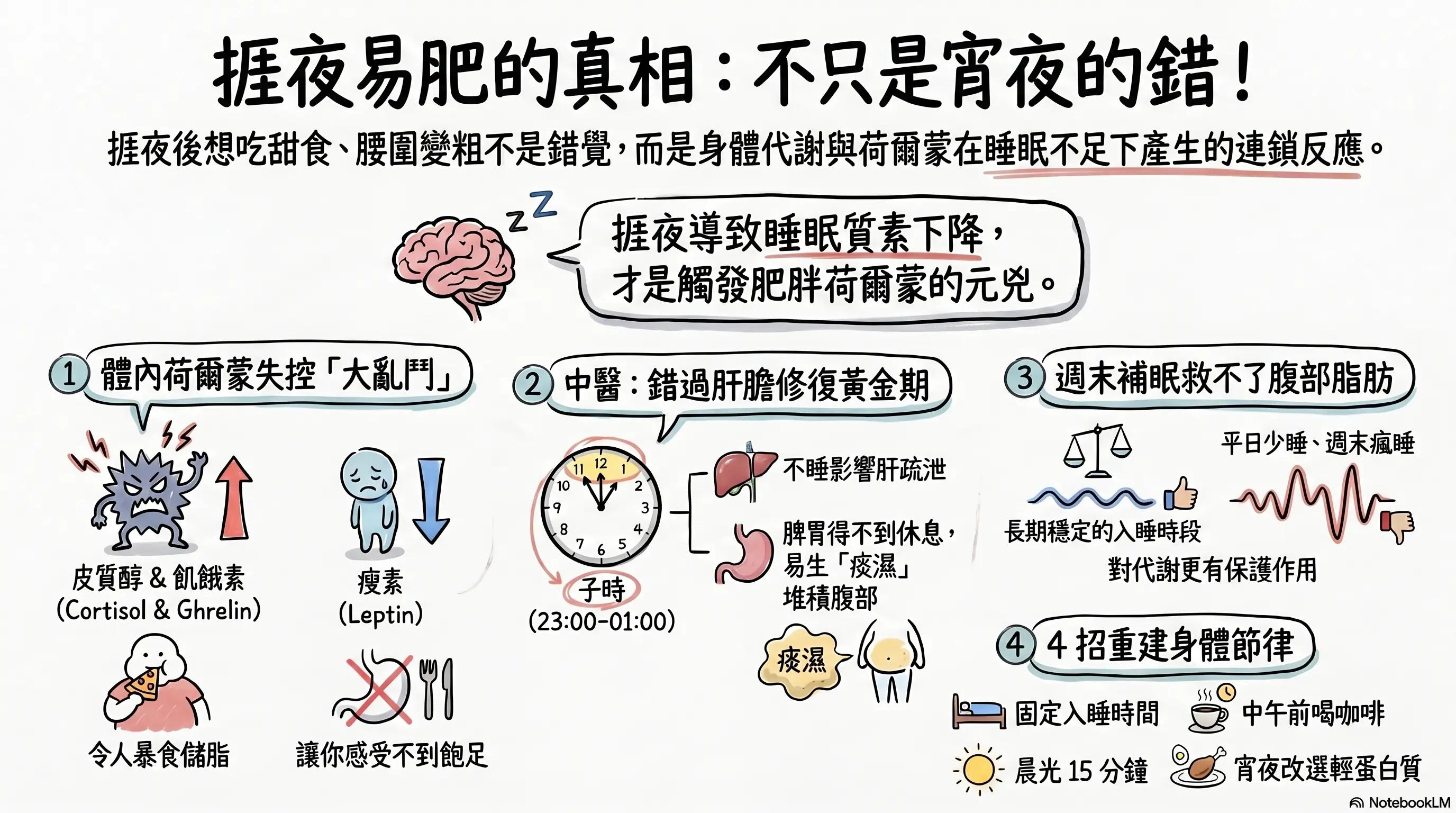 For quick reference, this image was generated by NotebookLM. Some Chinese characters may not render perfectly; we appreciate your understanding.
Medical review: Dr To Ching (CMCHK 009330 | Gynaecology, TCM aesthetics, thread-embedding weight loss, postpartum belly binding)
"I only stayed up till 2 am to finish a deck — the scale didn't move the next day, but the waistband felt tighter."
"Six months into being a new parent, woken up several times every night, and I've put on 5 kg I can't diet off."
"Three years of rotating night shifts — my waist is 10 cm wider than my old day-shift self."
Putting on weight after late nights is not an illusion. The mechanism is clear — and it is not the simple story that "eating at night makes you fat". The most direct effect of staying up late is on sleep quality: an irregular bedtime, less deep sleep, more nighttime awakenings. Once sleep quality drops, appetite hormones, insulin sensitivity, the cortisol rhythm and the pattern of abdominal fat accumulation all start shifting from the very next day.
This article first explains how poor sleep quality drives weight gain through cortisol, ghrelin, leptin and insulin sensitivity, then unpacks the TCM view of nighttime liver-and-gallbladder repair and the spleen-stomach circadian rhythm, lists when to see a Western doctor first, and offers four things you can start doing today.
Important: If you have marked palpitations, chest pain, severe insomnia (≤ 4 hours per night for over 2 weeks), cessation of periods, unexplained weight gain or loss, or serious low mood or anxiety, see a family doctor or psychiatrist for assessment first. Chronic sleep loss is intertwined with endocrine, cardiovascular and mental-health problems; this article does not replace any specialist diagnosis.
How Poor Sleep Drives Weight Gain: Four Body Mechanisms
Poor sleep quality affects weight through more than just "wanting food". Four key body mechanisms:
First, the cortisol rhythm gets disrupted. Cortisol — the body's main stress hormone — should rise in the morning and fall by night. Irregular bedtimes or insufficient deep sleep cause cortisol to rise when it should not, driving abdominal fat accumulation and pushing up blood sugar.
Second, ghrelin rises and leptin falls. Ghrelin (secreted by the stomach) makes you want to eat; leptin (secreted by fat cells) makes you feel full. International sleep research shows that after a single night of ≤ 4 hours, ghrelin rises about 15% and leptin falls about 15% the next day — meaning "the same portion of food feels less filling, and high-sugar, high-fat foods become specifically appealing". Importantly, this shift also occurs with irregular bedtimes and frequent awakenings — it is not just about "sleeping short".
Third, insulin sensitivity drops. Even without changes in diet, the body handles the same carbohydrate load less efficiently after poor sleep; blood sugar rises more easily and falls more slowly — long-term raising the risk of prediabetes and type 2 diabetes.
Fourth, the brain's reward system reacts more strongly to high-calorie food. Imaging studies show that after poor sleep, the brain's response to chips and sweets is stronger than after a well-slept night. In other words, "wanting junk food" is not a willpower issue — the brain is genuinely pushing for it.
In short, the root cause is the metabolic shift that follows poor sleep quality, not whether you eat at night. Even with no food intake during a late-night session, the body is in a weight-gain-prone state the next day — improving sleep quality matters more than restricting late snacks.
Occasional All-Nighter vs Long-Term Night Shift vs Late-to-Bed Late-to-Rise
Different patterns of sleep loss affect weight differently:
| Pattern | Short term (1–2 weeks) | Long term (3+ months) |
|---|---|---|
| Occasional all-nighter | Markedly hungrier the next day, craving high-sugar food; usually recovers with catch-up sleep | At 2–3 times a month, limited effect |
| Long-term night shift | Whole circadian rhythm disrupted, digestion affected | Visible increase in abdominal fat, raised prediabetes risk |
| Late-to-bed late-to-rise (2–3 am to midday) | Total sleep hours may be adequate, but the rhythm is offset from the world | Weight curve drifts up; exercise response is poorer |
"Catching up on sleep" cannot fully offset the cost of staying up late. A 10-to-12-hour catch-up sleep once a week relieves the tiredness, but the cortisol-rhythm and abdominal-fat impact remains. A stable bedtime every day protects better than "short on weekdays, marathon on weekends".
TCM View: Spleen-Stomach Circadian Rhythm and Liver-Gallbladder Nighttime Repair
From a TCM perspective, "not sleeping when you should" affects several key systems.
First, the spleen and stomach should rest after midnight. TCM teaches that "stomach disharmony disrupts sleep"; eating late or having post-late-night snacks keeps the spleen and stomach working through their repair window. Over time this weakens spleen transport, allowing phlegm-damp and water retention to accumulate as abdominal fat.
Second, the liver-and-gallbladder "Zi hour" (11 pm to 1 am) qi-and-blood rhythm. Classical TCM places this slot under the liver-and-gallbladder meridians, with peak repair and venous return. Habitually falling asleep at 1 or 2 am skips this window, impairing the liver's "smooth-flowing" function. Clinically this shows up as liver-stagnation-with-heat patterns — irritability, night waking, dry or bitter mouth, tight neck and shoulders, stress-driven binge eating.
Third, common constitutional patterns. Long-term late-night readers commonly present with:
| Constitution | Common features | Tongue | TCM direction |
|---|---|---|---|
| Heart-and-spleen dual deficiency | Palpitations, forgetfulness, easy fatigue, erratic appetite, pale complexion | Pale tongue with thin white coating | Strengthen spleen, nourish heart, boost qi |
| Liver-qi stagnation with heat | Irritability, night waking, dry or bitter mouth, stress binge eating | Red on the sides, thin yellow coating | Soothe the liver, clear heat, calm the spirit |
| Yin deficiency with flaring fire | Heat in palms and soles, night sweats, vivid dreams, dry mouth | Red tongue with scant coating | Nourish yin, descend fire, calm the spirit |
| Phlegm-damp obstruction | Heavy body, prominent belly, sticky mouth, abundant phlegm | Pale, plump tongue with thick greasy coating | Strengthen spleen, resolve damp, harmonise stomach |
Actual differentiation requires a registered TCM practitioner who reviews the tongue, pulse, full symptom picture and late-night pattern. Mixed presentations are more common in clinic — for example, long-term night-shift workers overlaid with liver stagnation, or new parents overlaid with heart-and-spleen deficiency.
When to See a Western Doctor First
These situations should not just be filed under "late-night weight gain":
- Severe insomnia (≤ 4 hours per night for over 2 weeks)
- Persistent early waking (3–4 am with inability to return to sleep) plus low mood
- Loud snoring with daytime sleepiness and witnessed apnoea (possible sleep apnoea)
- Palpitations, chest pain, new irregular heartbeat
- Unexplained weight change of more than 5%
- Periods completely stopped for over 3 months
- Severe anxiety or depression interfering with daily function
- Pre-existing diabetes or cardiovascular disease plus chronic sleep loss
In short, chronic sleep loss feeds into endocrine, cardiovascular and mental-health problems and vice versa. Western-framework assessment and monitoring cannot be skipped. TCM care fills in around the edges; it does not replace blood work, sleep studies or psychiatric diagnosis.
Four Things You Can Start Doing Today
- A fixed bedtime matters more than total hours. Falling asleep at the same time (within a 30-minute window) every day rebuilds the cortisol rhythm. Even on weekends, try not to push more than an hour later.
- Watch how late-evening food affects sleep quality. Large meals — especially high-sugar, oily, spicy ones — within 2 to 3 hours of bed worsen acid reflux and light sleep, dragging sleep quality down and triggering next-day cravings. If you must have a late snack, choose a small portion of protein and vegetables (egg, tofu, blanched greens), and avoid large portions and sweet drinks.
- Cut off caffeine by midday. Caffeine has a 5–6 hour half-life; an afternoon coffee can still affect sleep quality at night. If insomnia is already an issue, push the last coffee to before noon.
- Get 15 to 30 minutes of daytime sunlight. Morning sun is the most effective circadian regulator. Even if a consistent early bedtime isn't possible, a fixed time outdoors helps melatonin and cortisol rhythms.
How Aspira TCM Clinic Helps Assess This
Dr To will work through:
- Late-night pattern (occasional / long-term night shift / late-to-bed-late-to-rise)
- Bedtime, wake time, number of awakenings, catch-up sleep habits
- Late-snack frequency and content, caffeine and alcohol intake
- 12-month weight curve and waist trend
- Menstrual cycle (for women), bowel rhythm
- Stressors, mood, daytime function
- Tongue, pulse, current medications (including sleep medications and melatonin) and supplements
- Existing Western reports (sleep study, fasting glucose, HbA1c if available)
Dr To combines pattern differentiation, sleep hygiene and dietary advice. Where the picture suggests an internal-medicine or mental-health issue, the recommendation will be to see a family doctor, sleep clinic or psychiatrist first.
FAQ | Late Nights, Sleep Rhythms and Weight Gain
Q1: Will one all-nighter make me gain weight?
A single night of poor sleep raises ghrelin and triggers cravings the next day, but the impact is limited if normal sleep and diet resume in a few days. Two or three occasional all-nighters a month don't move the needle much; sustained twice-a-week late nights over months do show in abdominal fat, glucose control and mood.
Q2: Does daytime catch-up sleep work?
Partly, but it doesn't fully offset the cost. Catch-up sleep relieves tiredness, but cortisol-rhythm and gut-microbe effects remain. A stable bedtime every day protects more than "short on weekdays, marathon on weekends". If you must nap, do it before 3 pm to avoid affecting nighttime sleep.
Q3: Can bulletproof coffee help me power through and lose weight?
Not recommended. The high fat in bulletproof coffee can briefly suppress hunger, but it doesn't fix the cortisol, ghrelin or insulin-sensitivity effects of sleep loss. Long-term reliance on caffeine to stay up tends to worsen anxiety, palpitations, acid reflux and insomnia, feeding a vicious cycle.
Q4: Are night-shift workers doomed to gain weight?
Not doomed, but the risk is higher. Studies show long-term night-shift workers have more abdominal obesity, prediabetes and cardiovascular risk than day-shift counterparts. What helps: a fixed sleep schedule (even if during the day), avoiding heavy carbs right after a shift, regular blood work for metabolic markers, and consulting a nutritionist and registered TCM practitioner for constitutional care when needed.
Q5: I'm already on a sleep medication. Can I see a TCM practitioner?
Yes — but never stop your sleep medication on your own. Patients stable on a sleep aid can use TCM care to support sleep quality, reduce daytime tiredness and address constitution. Any dose change must come through the treating doctor. Bring the medication list and a sleep diary to follow-up.
Disclaimer: This article is for general health education only and does not replace individual diagnosis, investigation, medication or treatment. If you have insomnia, mood, diabetic or cardiovascular issues, follow your doctor's instructions for follow-up; any medication or supplement change should be discussed with your treating doctor first.
Disclaimer: This article is for health education and reference purposes only and does not constitute medical advice, diagnosis, or treatment. Each patient's condition is unique and treatment outcomes vary. Please consult a registered TCM practitioner or qualified healthcare professional for health concerns.
Want to learn more? WhatsApp us for a free consultation
Book via WhatsAppExplore our full range of treatments: Traditional TCM Services
Related Articles
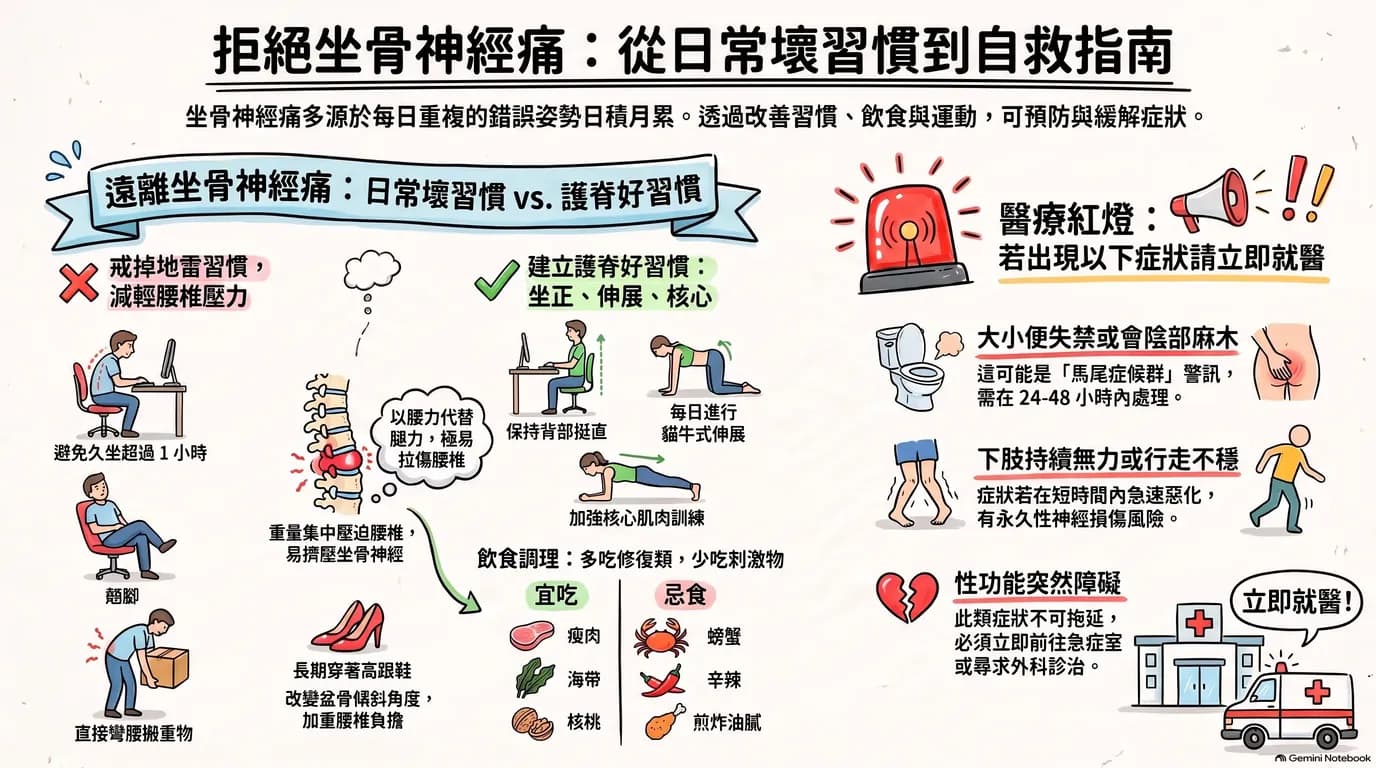
Sciatica Prevention: Bad Habits, Diet and Daily Care Tips
Sciatica isn't only about treatment — your daily habits and diet play a big role too. In this article, Dr Wong explains which everyday habits increase your risk of sciatica, which foods may help ease it, and simple daily habits that reduce the chance of it coming back.
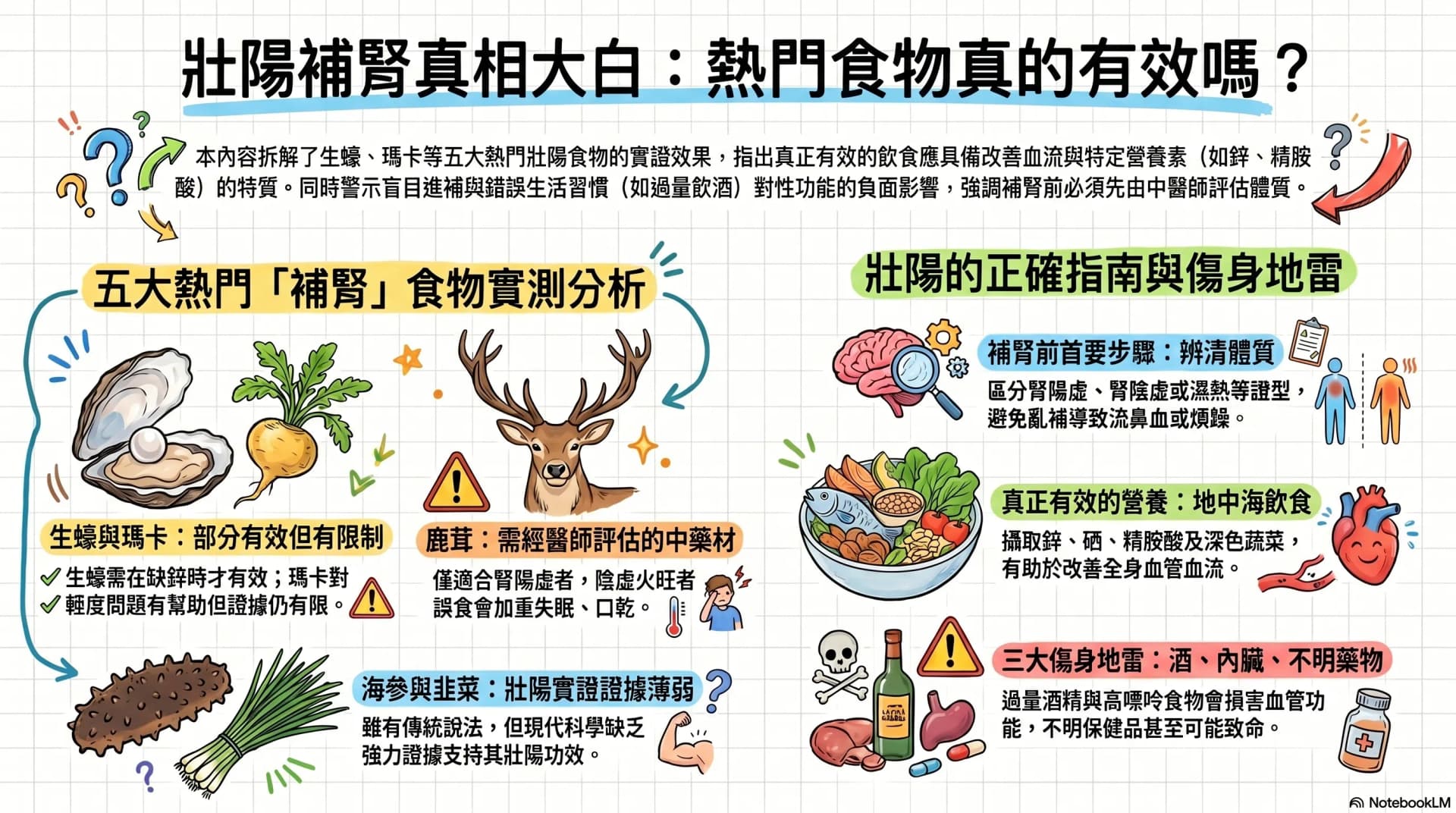
Do Oysters, Maca and Deer Antler Boost Male Vitality? 5 Myths
Do aphrodisiac foods actually work? This article opens with a rating table (effective / partly effective / effective within a TCM framework / weak evidence / no strong evidence), reviews the Chinese and Western medical evidence behind oysters, maca, deer antler, sea cucumber and Chinese chives, distils the 3 shared traits of foods that genuinely support male sexual function, and flags 3 commonly eaten items that can actually harm performance.
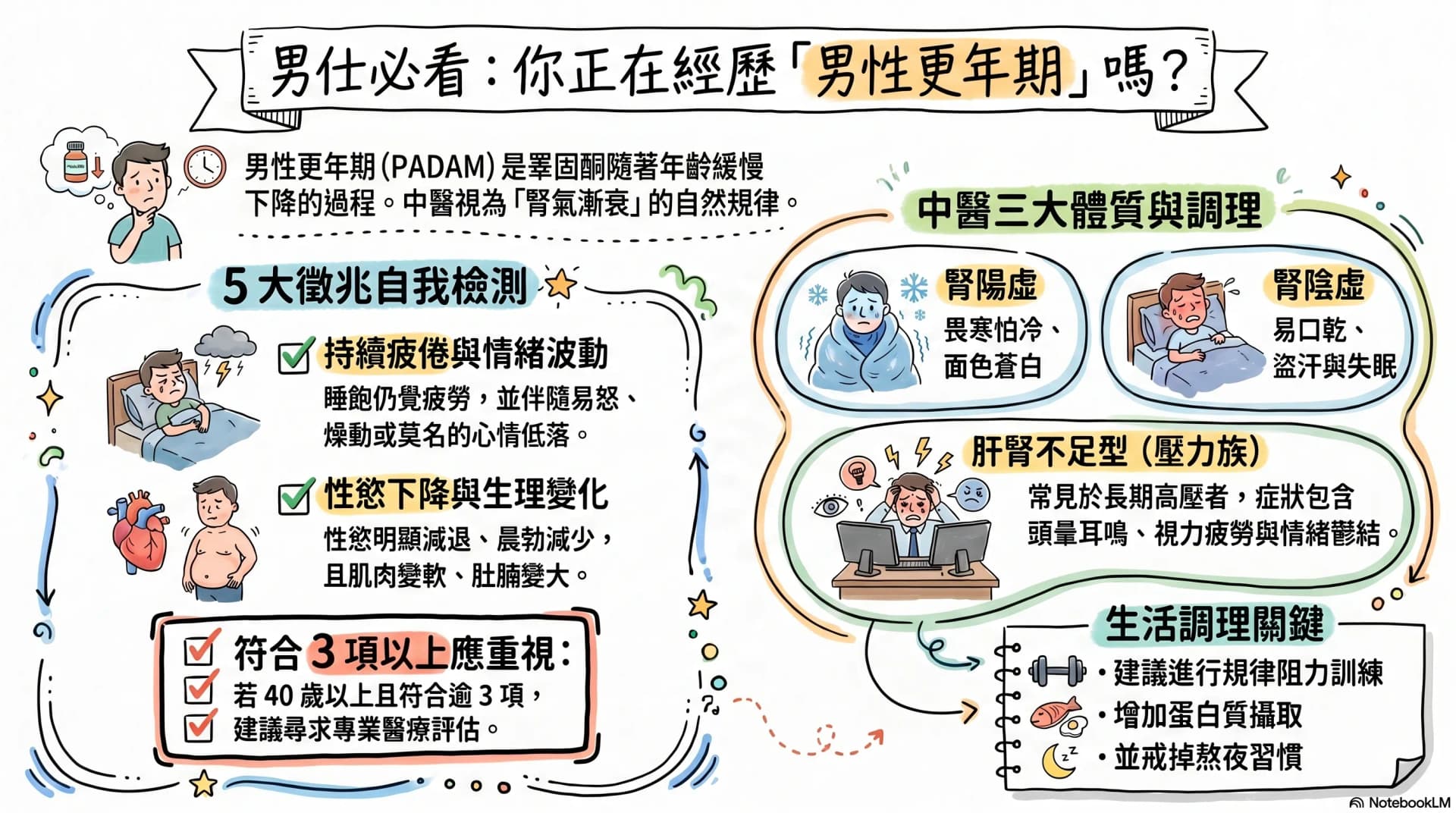
Male Menopause Through the TCM Lens: 5 Signs in Men Over 40
Unexplained fatigue, irritability, lower libido, poorer sleep and a growing belly after 40 are not just ageing or work stress — they may be male menopause. This article begins with a five-sign self-check, sets out three TCM patterns (kidney-yang deficiency, kidney-yin deficiency, liver-and-kidney insufficiency) with matching improvements, and compares the two treatment routes — testosterone replacement therapy versus TCM constitutional care.