How TCM Reads Vaginal Discharge — Fishy, Yellow-Green, Bloody and Heavy
Persistent changes in vaginal discharge are health signals worth attending to. This article uses four dimensions — colour, smell, texture and volume — to help you tell normal from abnormal, outlines six common abnormal presentations, four TCM pattern directions, and how TCM works on the root constitution to reduce recurrence rather than only relieving itch or treating an infection.
Medical review: Dr. To Ching, Jenny,Registered Chinese Medicine Practitioner #009330
1-Minute Quick Answer
Vaginal discharge can be read on four dimensions — colour, smell, texture and volume. Cottage-cheese, fishy or frothy yellow-green presentations point to different infections; any blood-tinged discharge or bleeding outside the period needs gynaecological evaluation first to exclude cervical pathology. TCM differentiates four patterns and works on the root constitution to reduce recurrence. Vaginal douching is not recommended. Reviewed by Dr To (CMCHK 009330).
How TCM Reads Vaginal Discharge — Fishy, Yellow-Green, Bloody and Heavy
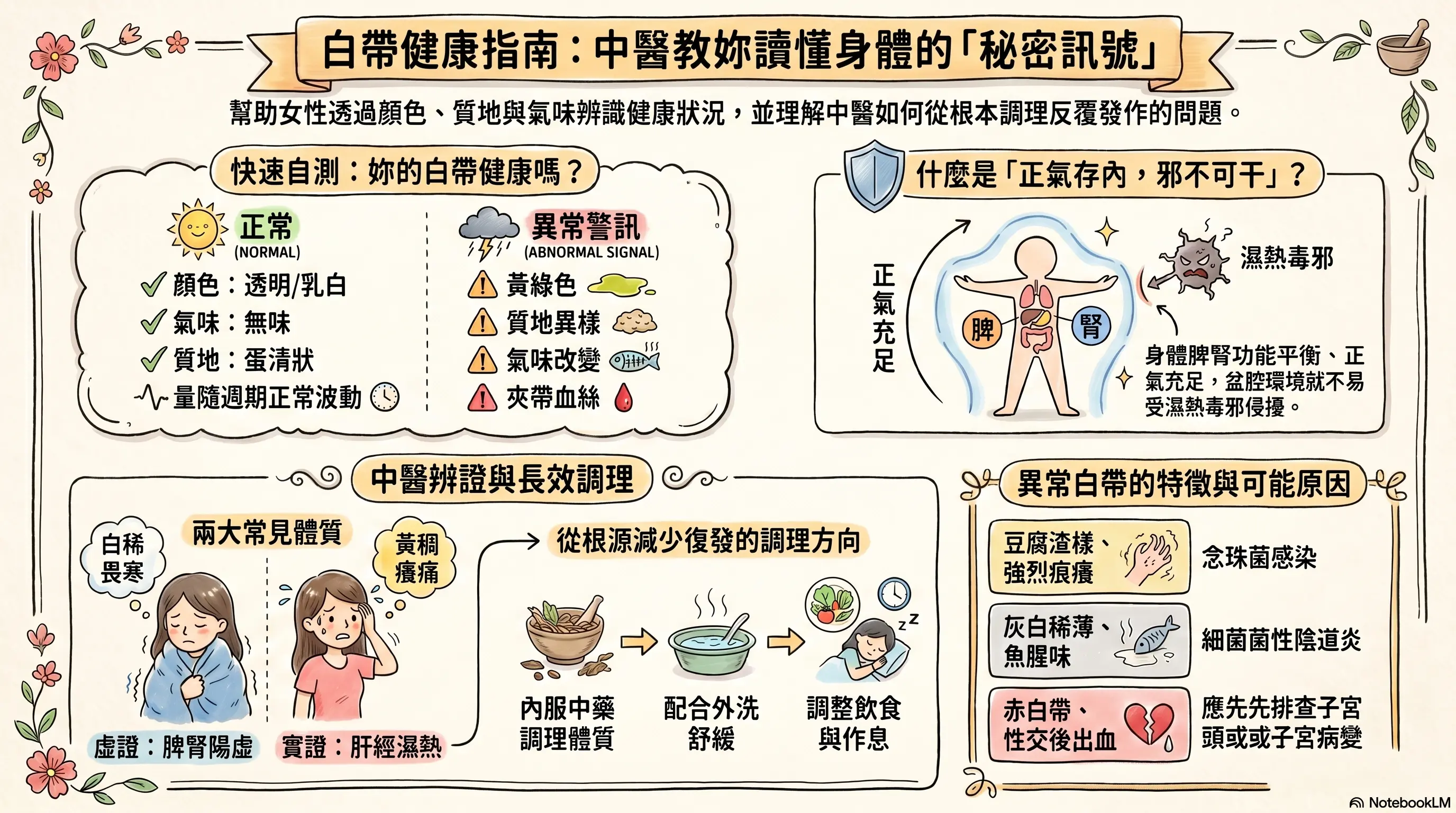 For quick reference, this image was generated by NotebookLM. Some Chinese characters may not render perfectly; we appreciate your understanding.
Medical review: Dr To (CMCHK 009330 | Gynaecology, TCM aesthetics, thread-embedding weight loss, postpartum belly binding)
Vaginal discharge (known in Traditional Chinese Medicine as "daixia" or "leucorrhoea") is the collective term for the natural secretions of the vagina and cervix. It is a normal physiological feature that shifts with the menstrual cycle, age, mood and lifestyle, and it reflects the state of the spleen, kidney and liver systems together with the local pelvic environment. When colour, smell, texture or volume changes persistently outside the normal range, it is a health signal worth attending to — not a "private problem" to be quietly endured.
A familiar story: discharge issues flare up, a course of Western treatment (antibiotics, antifungals, topicals) clears them for a while, and then they come back not long after stopping. This is usually not because the treatment "didn't work". As long as the underlying constitution — spleen transformation, kidney "holding" function, liver flow — has not been addressed, the local pelvic environment still favours damp, heat and toxin patterns, and outside factors easily take hold again. TCM's approach is not limited to stopping itch or killing organisms; it works on the root, looking for why discharge keeps returning. The classical principle "when upright qi holds within, external evil cannot invade" applies here: once the spleen, kidney and liver are in balance and the body's defences are sound, the pelvic environment becomes far less hospitable to recurrent damp-heat. Symptomatic relief is short-term; lasting reduction in recurrence comes from rebalancing the constitution.
This article takes a TCM perspective, paired with clinical experience, and walks through colour, smell, texture and volume — four dimensions for telling normal from abnormal — and the TCM directions for care.
1. Normal vs Abnormal Discharge: Four Dimensions
Across a healthy menstrual cycle, both volume and texture shift in a predictable way: volume increases around ovulation and decreases before and after the period, with the texture typically clear and egg-white-like, or whitish and thin.
| Dimension | Normal | Worth Watching |
|---|---|---|
| Colour | Clear, milky-white | Yellow, yellow-green, grey, blood-tinged red, brown |
| Smell | None or very mild | Fishy, ammoniacal, sour, foul |
| Texture | Egg-white-like, thin | Cottage-cheese curds, frothy, thick purulent |
| Volume | Small to moderate, cycling with the period | Sudden heavy flow; needing daily pads; soaking underwear |
Classical TCM texts such as Fu Qingzhu's Gynaecology long ago distinguished "white", "yellow", "green", "black" and "red-and-white" patterns of leucorrhoea, each tied to different organ-system imbalances — these four dimensions have been the spine of TCM gynaecological assessment well before modern lab tests.
2. Six Common Abnormal Presentations
The six presentations below are the ones most commonly seen in clinic. They correspond to different possible causes, and a confident diagnosis requires history, tongue and pulse, and Western examination together.
| Presentation | Common features | May correspond to |
|---|---|---|
| Heavy, thin, white, no odour | Lower back ache, easy fatigue, cold-averse | Spleen-damp pattern / kidney-yang deficiency |
| Yellow, thick, foul-smelling | Vulvar itch, burning, bitter taste | Liver damp-heat, bacterial infection |
| Cottage-cheese-like, white clumps | Intense itch, burning | Candida (yeast) infection |
| Greyish-white thin, fishy smell | Smell worsens after intercourse | Bacterial vaginosis |
| Frothy, yellow-green | Itch, vulvar irritation | Trichomonas vaginitis |
| Red-and-white (discharge streaked with pink or bright red blood) or brown | Bleeding between periods or after intercourse | Cervical or endometrial pathology — needs evaluation |
Worth noting: any "red-and-white" discharge or bleeding outside the period needs gynaecological evaluation first, to rule out cervical lesions, polyps, fibroids or more serious causes. TCM can run in parallel, but it does not replace imaging, smear tests or HPV screening.
3. The TCM View: Four Pattern Directions
In TCM, leucorrhoea is read not just by the discharge itself but by the whole person. The four pattern directions seen most often:
| Pattern | Common features | Direction of care |
|---|---|---|
| Spleen-damp pattern | Heavy white thin discharge, no odour, fatigue, poor appetite, loose stools | Tonify the spleen, resolve damp, secure the daimai |
| Kidney-yang deficiency | Cool watery discharge, lower back and knee soreness, frequent night urination, cold-averse | Warm the kidney, secure essence, support the spleen |
| Liver damp-heat | Yellow thick discharge, odour, vulvar itch and burning, bitter taste, premenstrual irritability | Clear the liver, drain damp-heat |
| Damp-toxin descending | Yellow-green or purulent discharge, foul smell, vulvar redness and pain | Clear heat, resolve toxin; Western treatment usually required |
In simpler language: "spleen-damp" describes digestion and fluid handling that are running low, allowing damp to pool in the pelvis; "kidney-yang deficiency" describes a body that has lost some of its warming and holding power; "liver damp-heat" describes a stuck, hot-and-humid quality; "damp-toxin" describes long-standing damp-heat that has tipped into active local inflammation. Patterns must be confirmed by a registered TCM practitioner — self-matching to one of the above is not a substitute for assessment.
4. When to See a Western Doctor First
These are warning signs that warrant gynaecological evaluation first:
- Bleeding between periods or after intercourse
- Sudden discharge or bleeding after menopause
- Persistent foul smell with fever or lower abdominal pain
- Severe vulvar redness, ulcers or blistering
- Recurrent discharge that returns shortly after antibiotic or antifungal courses
- Pregnancy planning or fertility difficulties
- No cervical smear after age 30
- Partner diagnosed with a sexually transmitted infection
TCM can support constitutional care in parallel, but bacterial, candidal, trichomonal, HPV-related, cervical and sexually transmitted infections need proper Western testing and treatment.
5. TCM Care: Working on the Root to Reduce Recurrence
The pain point for many women is not "one episode of abnormal discharge" but the cycle of recurrence — Western treatment (antibiotics, antifungals, topicals) clears things, then symptoms return shortly after stopping. This is generally not because treatment "failed". As long as the underlying constitution (spleen transformation, kidney holding, liver flow) is unchanged, the pelvic environment still favours damp-heat and outside factors easily take hold again.
TCM does not approach discharge purely as "stop the itch and kill the organism". The goal is to bring the body back into balance and restore upright qi, so outside factors are less able to invade. In clinic, the work typically runs on three fronts at once.
Internal herbal medicine. Formulas are selected by pattern — strengthening the spleen and resolving damp, clearing heat and draining damp, warming the kidney, or soothing the liver and clearing heat. One observation cycle is generally one menstrual cycle (about four weeks); chronic recurrent cases often need two to three cycles.
External wash or local care. A TCM practitioner may recommend a mild external wash (often heat-clearing and itch-relieving herbs) for symptom relief. One important caution: vaginal douching is not recommended — it disrupts the vaginal microbiome and pH balance, and tends to make problems recur. External cleansing should be limited to the vulva.
Lifestyle changes:
- Hygiene — wash the vulva with warm water once daily, dry front to back; change sanitary products often during the period
- Clothing — breathable cotton underwear; avoid prolonged tight or non-breathable trousers
- Diet — reduce cold drinks, sweets, fried and very spicy food; include Chinese yam, coix seed, gorgon fruit and lotus seed for the spleen
- Sleep — avoid late nights (aim to sleep before 11 pm); short sleep worsens liver-stagnation and damp-heat
- Emotions — discharge often increases or yellows under stress; liver stagnation feeds damp-heat
- Intercourse — attend to hygiene before and after; recurrent infections may warrant partner evaluation
6. How Aspira TCM Clinic Assesses
Before the first visit, please bring:
- The most recent gynaecological report (smear, ultrasound, discharge culture)
- A menstrual cycle log (the past three months)
- A timeline of the discharge change (when it started, links to cycle, intercourse or stress)
- A current medication and supplement list (including hormonal contraception)
- A history of past vaginal infections and treatments
Dr To selects herbal medicine, external washes and lifestyle adjustments according to the pattern, and flags any scenarios that warrant Western workup first or joint care.
— Dr To | Registered Chinese Medicine Practitioner (Gynaecology, TCM Aesthetics, Thread-Embedding Weight Loss, Postpartum Belly Binding) Reg. No.: 009330 Aspira TCM Clinic
Frequently Asked Questions
Is using a vaginal douche a good way to stay clean?
No. The vagina has its own microbiome and acid-base balance, and over-rinsing disrupts these defences, making candidal and bacterial vaginosis more likely to recur. Daily hygiene only needs warm water around the vulva — internal rinsing is not needed.
Recurrent thrush keeps coming back after antifungals — what should be done?
Recurrent candidiasis (four or more episodes a year) needs a gynaecological re-evaluation, including ruling out diabetes or immune issues. In TCM, the pattern often combines spleen-damp with damp-heat. Alongside Western treatment, supporting the spleen, adjusting diet and managing stress can lengthen the symptom-free intervals.
Are panty liners alright every day?
Not recommended as a daily habit. Liners retain heat and moisture and can worsen itching and infection. If discharge volume requires them, change every three to four hours and pick a breathable type. The long-term goal is to reduce the volume at the source, not to mask it.
Mid-cycle discharge becomes clearer and stretchier — is that abnormal?
No. This is the normal ovulatory pattern: clearer, more stretchy discharge appears around ovulation to support conception. A cycle-dependent shift in discharge is itself a sign of health.
How long does TCM take to work?
It depends. Acute symptoms (yellow discharge, itching) often improve noticeably within one to two weeks; chronic, recurrent issues such as spleen-damp heavy discharge typically need two to three menstrual cycles for steady improvement, with discharge volume dropping in step with better digestion and energy.
Recurring Discharge Bothering You? Book a Consultation
If discharge keeps returning after Western treatment, or you want to address it constitutionally, please bring your gynaecological report, menstrual cycle log and current medication list before booking a consultation with Dr To. For abnormal bleeding, persistent foul smell, fever or lower abdominal pain, please attend a gynaecology clinic or emergency department first.
How to book:
- WhatsApp: Book here
- Phone: 2110 9337
- Address: Unit 2706, 27/F, Saxon Tower, 7 Cheung Shun Street, Lai Chi Kok
Disclaimer: This article is for general health education only and does not replace individual diagnosis, examination, medication or treatment advice. Constitutions and conditions differ; please consult a registered TCM practitioner or gynaecologist for an individual plan. Any change to antibiotics, antifungals or hormonal medication should first be discussed with the prescribing doctor.
Disclaimer: This article is for health education and reference purposes only and does not constitute medical advice, diagnosis, or treatment. Each patient's condition is unique and treatment outcomes vary. Please consult a registered TCM practitioner or qualified healthcare professional for health concerns.
Further Reading
Hand-picked related articles and real cases to read next.
A Self-Check Guide to 4 Types of Menstrual Pain and Relief Tips
Menstrual pain is not something you simply have to endure. This guide explains the difference between primary and secondary dysmenorrhea, outlines four common TCM patterns, highlights five warning signs that need medical review, and offers practical relief strategies for everyday care.
TCM Limitations: 5 Times to See a Western Doctor First
TCM has genuine strengths in chronic care and holistic wellness, but it is not the right first choice for every situation. This article honestly discusses 5 scenarios where Western medicine should come first, what TCM truly excels at, and how to make informed decisions between the two.
Want to learn more? WhatsApp us for a free consultation
Book via WhatsAppExplore our full range of treatments: Traditional TCM Services
Related Articles
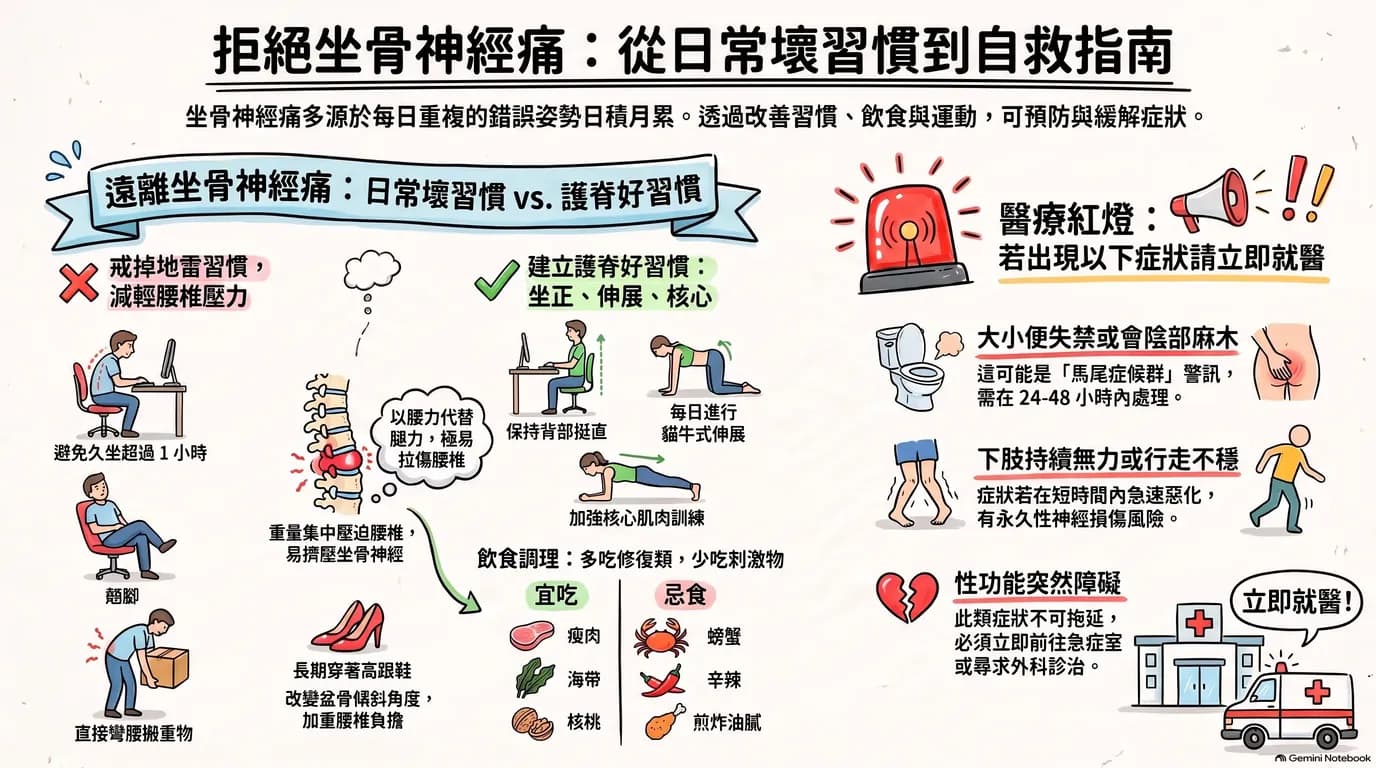
Sciatica Prevention: Bad Habits, Diet and Daily Care Tips
Sciatica isn't only about treatment — your daily habits and diet play a big role too. In this article, Dr Wong explains which everyday habits increase your risk of sciatica, which foods may help ease it, and simple daily habits that reduce the chance of it coming back.
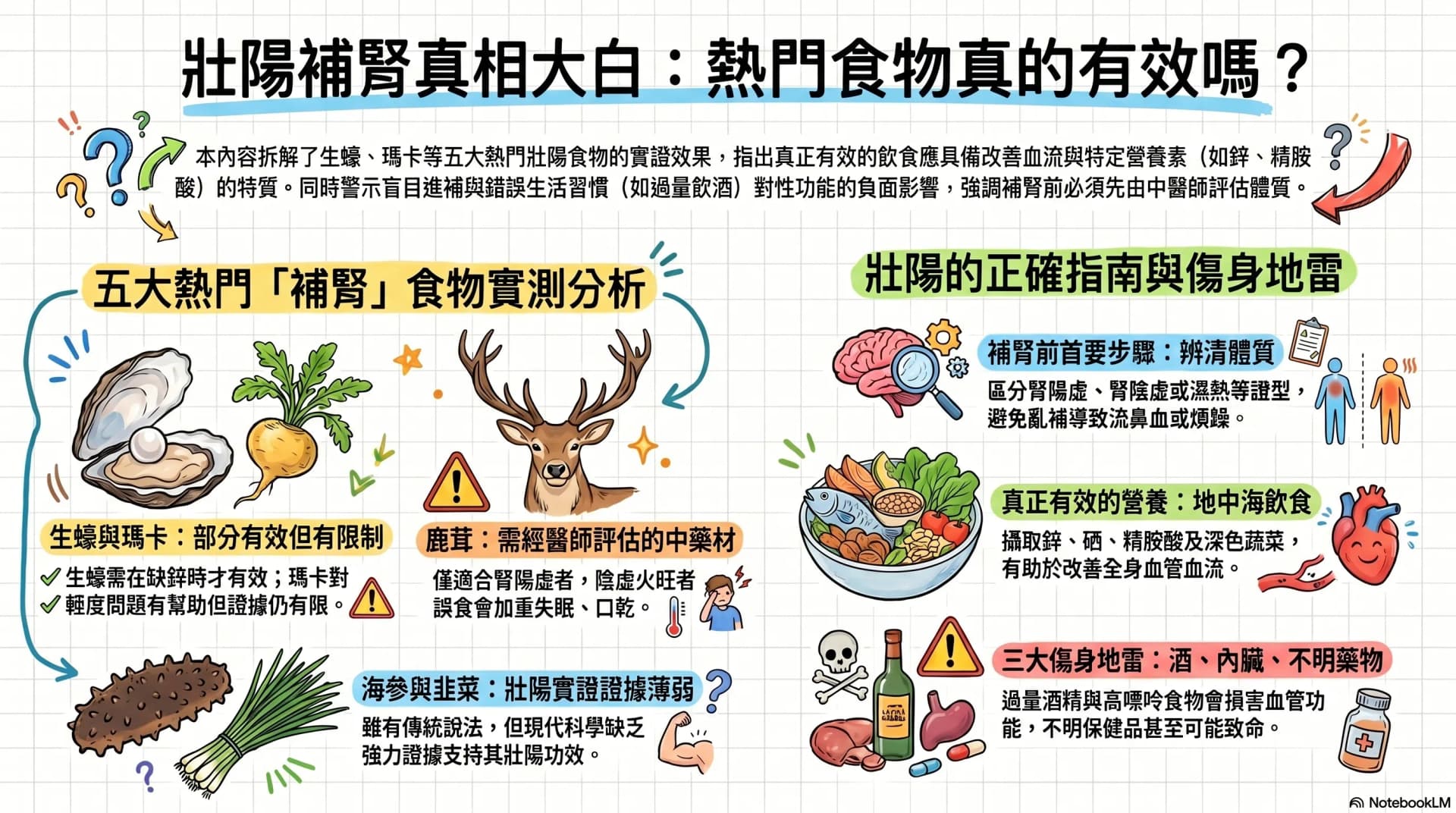
Do Oysters, Maca and Deer Antler Boost Male Vitality? 5 Myths
Do aphrodisiac foods actually work? This article opens with a rating table (effective / partly effective / effective within a TCM framework / weak evidence / no strong evidence), reviews the Chinese and Western medical evidence behind oysters, maca, deer antler, sea cucumber and Chinese chives, distils the 3 shared traits of foods that genuinely support male sexual function, and flags 3 commonly eaten items that can actually harm performance.
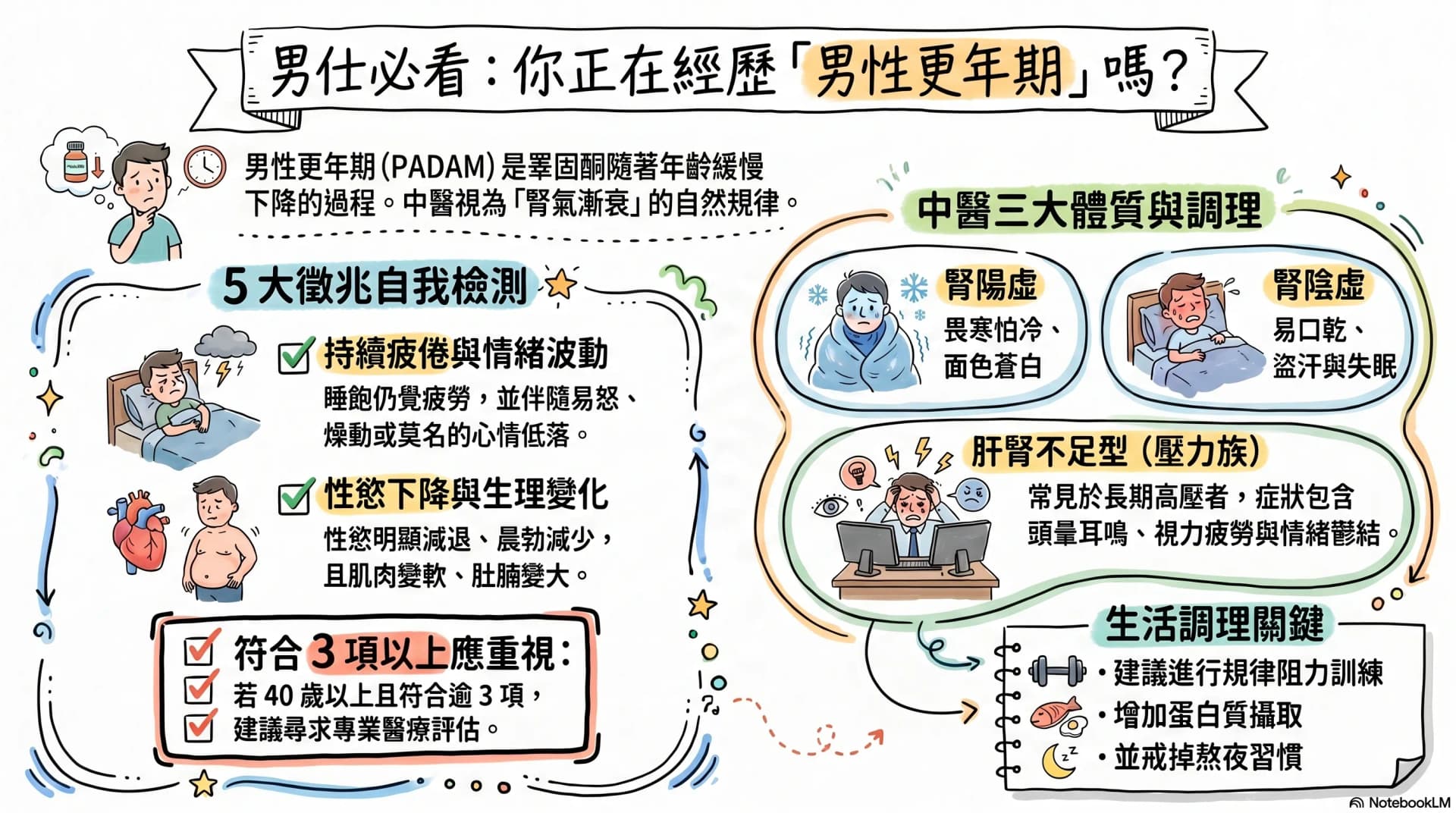
Male Menopause Through the TCM Lens: 5 Signs in Men Over 40
Unexplained fatigue, irritability, lower libido, poorer sleep and a growing belly after 40 are not just ageing or work stress — they may be male menopause. This article begins with a five-sign self-check, sets out three TCM patterns (kidney-yang deficiency, kidney-yin deficiency, liver-and-kidney insufficiency) with matching improvements, and compares the two treatment routes — testosterone replacement therapy versus TCM constitutional care.