Is Cutting Sugar Alone Enough for Pre-Diabetes? TCM on Blood Sugar, Constitution and Lifestyle
"My check-up says I am pre-diabetic. The doctor told me to cut sugar and come back for another blood test — is that enough?" This guide answers the question directly: the 4 measurements that matter beyond sugar, the 6 TCM constitution patterns in the "spleen dan" stage, what TCM can and cannot do at this window, and a 90-day plan that pairs lifestyle change with constitutional support.
Medical review: Dr. Chan Wing Kiu, Joanne,Registered Chinese Medicine Practitioner #009463
1-Minute Quick Answer
For pre-diabetes, cutting sugar alone is usually not enough — refined starch, sugary drinks, too little exercise and short sleep all keep driving insulin resistance. Beyond blood sugar, track HbA1c, post-meal glucose and waist circumference. TCM places pre-diabetes in the "spleen dan" stage with six common patterns; it can support spleen-stomach metabolism and lifestyle change but does not replace glucose monitoring or diabetes medication. Lifestyle change can cut progression risk by 40 to 60%. Reviewed by Dr Chan (CMCHK 009463).
Is Cutting Sugar Alone Enough for Pre-Diabetes? TCM on Blood Sugar, Constitution and Lifestyle
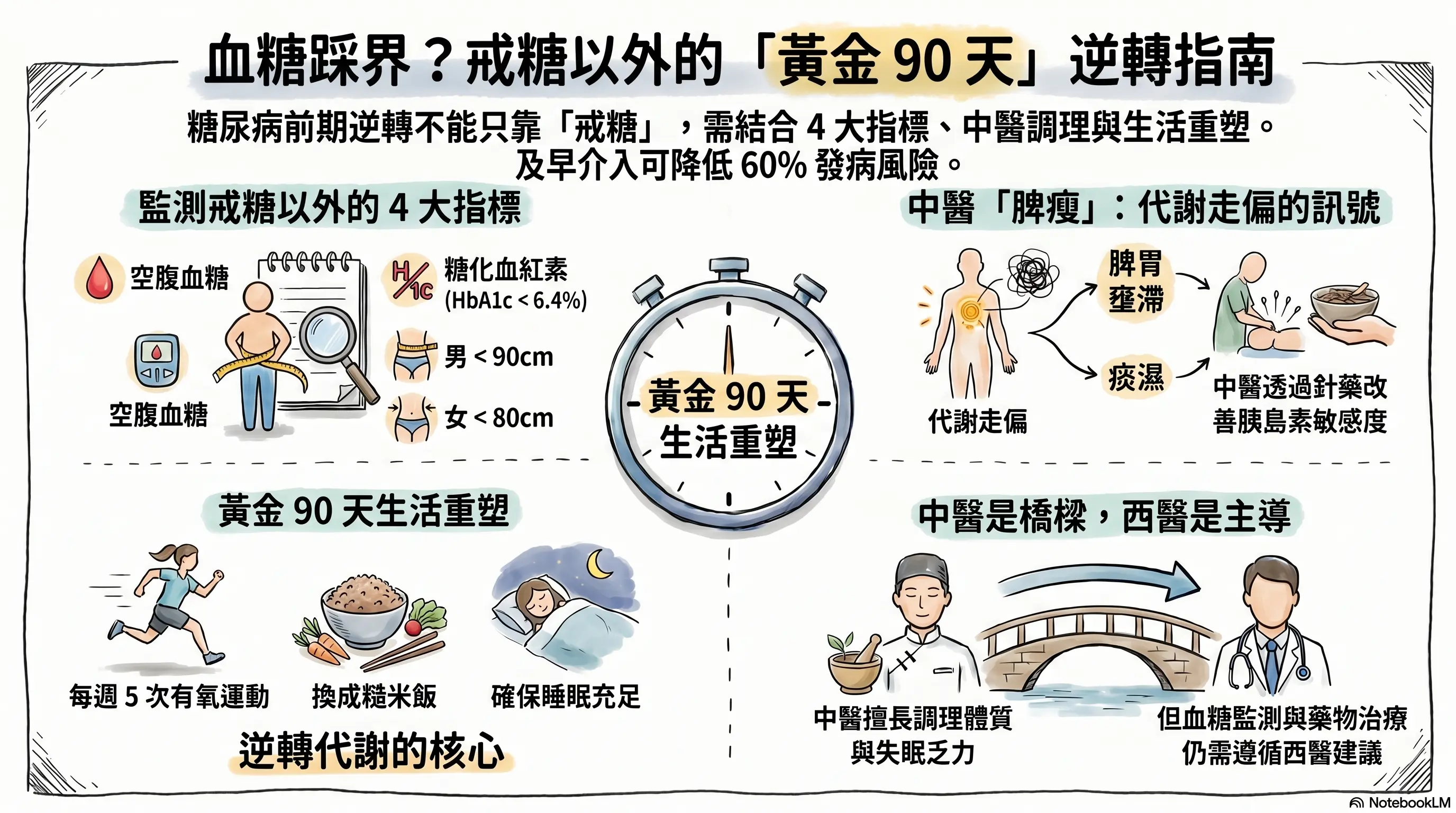 Image generated by NotebookLM for quick visual reference; some Chinese characters may not render correctly.
Medical review: Dr Chan Wing-kiu (CMCHK 009463 | Internal and external medicine, gynaecology, emotional wellbeing, elderly care).
"The check-up says I am pre-diabetic. The doctor told me to cut sugar and come back for another blood test in six months — is that enough?"
This is the first question many Hong Kong adults over 40 ask after their annual check-up. Research from the CUHK Faculty of Medicine indicates that around 90% of people with pre-diabetes are at risk of progressing to diabetes, with the disease potentially lasting 33 years. "Cutting sugar" is only part of the answer. This article directly addresses what else to track, how Traditional Chinese Medicine (TCM) can help, and what it cannot replace.
What else should you look at beyond sugar?
The real issue in pre-diabetes is that the whole metabolic state is drifting off course, not just a sugar problem. Waist circumference, blood pressure, lipids, activity level, sleep and stress all influence whether you progress to diabetes.
The Department of Health uses the following criteria for pre-diabetes:
| Category | Fasting glucose (mmol/L) | 2-hour post-meal (mmol/L) | HbA1c (%) |
|---|---|---|---|
| Normal | < 6.1 | < 7.8 | < 5.7 |
| Pre-diabetes (impaired fasting glucose) | 6.1 – 6.9 | < 7.8 | 5.7 – 6.4 |
| Pre-diabetes (impaired glucose tolerance) | < 7.0 | 7.8 – 11.0 | 5.7 – 6.4 |
| Diabetes | ≥ 7.0 | ≥ 11.1 | ≥ 6.5 |
Four metrics matter:
| Metric | Why it matters | Frequency |
|---|---|---|
| Fasting glucose | Baseline morning blood sugar | Every 6–12 months |
| HbA1c | Average blood sugar over the past 2–3 months — more stable than a single reading | Every 6 months |
| 2-hour post-meal glucose | Ability to handle the post-meal sugar peak | As advised by your doctor |
| Waist circumference | Central obesity's effect on insulin resistance | Monthly self-measurement |
Waist circumference is the most frequently overlooked but important figure. A male waist of ≥ 90 cm or a female waist of ≥ 80 cm, even with normal body weight, already implies a higher insulin-resistance risk.
How Western medicine manages pre-diabetes
Family doctors typically focus on three directions at this stage:
- Diet. Low-sugar, low-salt, low-fat, high-fibre; cut refined starches and sugary drinks; add vegetables, quality protein, wholegrains.
- Exercise. Five sessions a week of at least 30 minutes of moderate-intensity aerobic activity (brisk walking, swimming, cycling, dance, ball sports) plus two resistance sessions a week.
- Weight and metabolic management. When BMI ≥ 23 or waist exceeds the cut-off, aim for 5–10% weight loss; monitor blood pressure and lipids.
Studies show that these lifestyle changes can reduce the risk of progressing to diabetes by 40–60%. Cutting sugar alone usually isn't enough — refined starch, sugary drinks, insufficient exercise and short sleep all continue to drive insulin resistance.
How TCM views the "spleen dan" stage
TCM classifies pre-diabetes under "spleen dan" (脾癉) — literally "stagnation in the spleen and stomach causing sweet residues to linger in the body". Dr Lau Chiu-king of the CUHK Hong Kong Institute of Integrative Medicine notes that 6 patterns are typically seen at this stage:
| TCM pattern | Common signs |
|---|---|
| Spleen-stomach stagnation | Heavy build, abdominal fullness, frequent belching or flatulence, incomplete bowel movements |
| Damp-heat accumulation | Sticky mouth, dry mouth without thirst, restlessness with bitter taste, heavy limbs, yellow urine |
| Spleen deficiency with phlegm-damp | Fatigue, low appetite, loose stools, heavy head, chest tightness, shortness of breath |
| Liver qi stagnation with stomach heat | Dry-bitter mouth, ravenous appetite, hard dry stools, irritability |
| Damp-turbid phlegm-stasis | Heavy build, body heaviness and aches, mental fatigue, dizziness, chest tightness |
| Qi-and-yin deficiency | Fatigue, dry mouth/thirst (worse at night), aching lumbar/knees, profuse or night sweats, palpitations and insomnia |
In plainer terms: "spleen-stomach stagnation" describes weakened digestion with food sitting in the body; "qi-and-yin deficiency" describes a body running short on both energy and moisture, typically presenting as fatigue, dry mouth and warm palms and soles.
Many pre-diabetic patients show overlapping patterns; the TCM practitioner identifies primary and secondary patterns from the tongue, pulse and symptom mix.
What TCM can and cannot do at this stage
| TCM can | TCM does not replace |
|---|---|
| Improve spleen-stomach metabolism, ease phlegm-damp | Western blood-sugar monitoring |
| Use acupuncture to support insulin sensitivity | Pharmacological therapy for type-2 diabetes (e.g. metformin) |
| Address accompanying issues (insomnia, constipation, fatigue) | Acute hyperglycaemia, ketoacidosis or other emergencies |
| Offer constitution-informed dietary suggestions | Individualised dietitian-led calorie planning |
| Help align lifestyle rhythm | Regular medical follow-up for high-risk profiles (family history, high BMI) |
TCM at the pre-diabetic stage is a bridge that supports constitution and lifestyle — once diabetes is diagnosed, Western medicine remains the principal manager.
A 90-day constitutional plan
- Diet. Halve the rice portion or switch to brown or multigrain rice; stop sugary drinks; include a palm-sized portion of protein and a bowl of vegetables at each meal.
- Exercise. Five sessions of moderate aerobic activity per week (brisk walking 30 minutes or more) plus two resistance sessions.
- Sleep. 7–8 hours per night; chronic short sleep raises cortisol and worsens insulin resistance.
- Stress. Find a personal stress-release routine; chronic stress raises blood sugar.
- Follow-up. Day 0 baseline check-up; day 90 retest HbA1c, fasting glucose and waist; adjust the plan based on the trend.
When to see a Western doctor or call emergency
- A sudden jump in blood sugar (HbA1c rising from 6.0 to above 6.8) — book a follow-up immediately
- Persistent thirst, marked night-time urination, short-term weight loss — the classic triad of diabetes
- Blurred vision — poor glucose control can affect the retina
- Slow wound healing, recurrent infections — rule out uncontrolled hyperglycaemia
- Darkened, thickened skin on the back of the neck or in the armpits (acanthosis nigricans) — a marked sign of insulin resistance
How Aspira TCM Clinic assesses such cases
Dr Chan reviews the most recent check-up (please bring HbA1c, fasting glucose, lipids, blood pressure and waist measurement), family history, the full medication list, and diet and exercise habits. Pre-diabetic patients are typically supported with herbal medicine combined with acupuncture, alongside coordination of lifestyle and diet. If the patient is already on diabetes medication or other chronic-disease drugs, the herbal prescription is designed to avoid interaction.
FAQ | How Can TCM Support Prediabetes?
Q1: Can Chinese herbs lower blood sugar?
Some herbal constituents show insulin-sensitivity benefits in research, but TCM herbs are not a stand-alone treatment for diabetes. At the pre-diabetic stage they can support constitution; once diabetes is diagnosed, Western therapy leads and TCM supports. Walk away from any clinic that "guarantees lower blood sugar" or asks you to stop Western medication.
Q2: My parents both have diabetes — am I bound to develop it?
Family history raises risk but does not make diabetes inevitable. Studies show that lifestyle change can reduce the progression risk by 40–60% in high-risk individuals. Family history is a prompt to start monitoring earlier.
Q3: I cut sugar and rice — why is my HbA1c still going up?
Possible reasons: (a) the main starch went down but the gravy and fatty meat went up; (b) not enough exercise; (c) short sleep or high stress raises cortisol; (d) body weight has not actually fallen. Review the whole lifestyle and ask your family doctor whether further tests are warranted.
Q4: Should I be taking metformin in the pre-diabetic stage?
Whether metformin is appropriate depends on your overall risk (HbA1c, family history, age, BMI, comorbidities) and is determined by your family doctor or internist. Not every pre-diabetic patient needs medication; in most cases lifestyle change comes first. This is not within a TCM practitioner's remit to decide.
Disclaimer: Every patient's constitution and condition are different, and treatment outcomes vary accordingly. The above is for reference only. Please consult a practitioner for a treatment plan tailored to your specific situation. Prescription details are shared for TCM academic purposes only and do not constitute prescribing advice. Do not self-prescribe.
References
- CUHK Hong Kong Institute of Integrative Medicine — "Understanding pre-diabetes: TCM stabilises blood sugar" (Dr Lau Chiu-king) https://hkiim.cuhk.edu.hk/imc/tc/press/d/認識「糖尿病前期」中醫改善穩血糖
- HKU Faculty of Medicine — "Stage-based TCM differentiation and treatment of diabetes" https://www.med.hku.hk/zh-hk/media/knowledge-exchange/newspaper-columns/2023/aug/diabetes-diagnosis-and-treatment-by-stages-in-traditional-chinese-medicine
- Department of Health — Diabetes health information https://www.chp.gov.hk/en/healthtopics/content/25/59.html
- Diabetes Hongkong — Pre-diabetes management https://diabetes-hk.org/
Disclaimer: This article is for health education and reference purposes only and does not constitute medical advice, diagnosis, or treatment. Each patient's condition is unique and treatment outcomes vary. Please consult a registered TCM practitioner or qualified healthcare professional for health concerns.
Further Reading
Hand-picked related articles and real cases to read next.
Early Signs of Diabetes: 6 Warning Signs, Tests & TCM Care
Diabetes does not always begin with dramatic symptoms. Many people notice tiredness after meals, more night urination, dry mouth, increasing abdominal fat, itchy skin, or slow wound healing before they are diagnosed. This article explains early warning signs of diabetes, who should be tested early, and how TCM may support people in the prediabetes stage.
TCM on Blood Thinners: Herbs and Acupuncture in Atrial Fibrillation
The most common question from elderly atrial fibrillation patients on blood thinners is whether they can also take Chinese herbal medicine or have acupuncture. The answer is yes, but with three prerequisites: both practitioners must know about each other; blood-activating and tonifying herbs must be assessed by a registered TCM doctor; and the safety principles for acupuncture, cupping and gua sha must be strictly observed. This article focuses on that single question.
Want to learn more? WhatsApp us for a free consultation
Book via WhatsAppExplore our full range of treatments: Traditional TCM Services
Related Articles
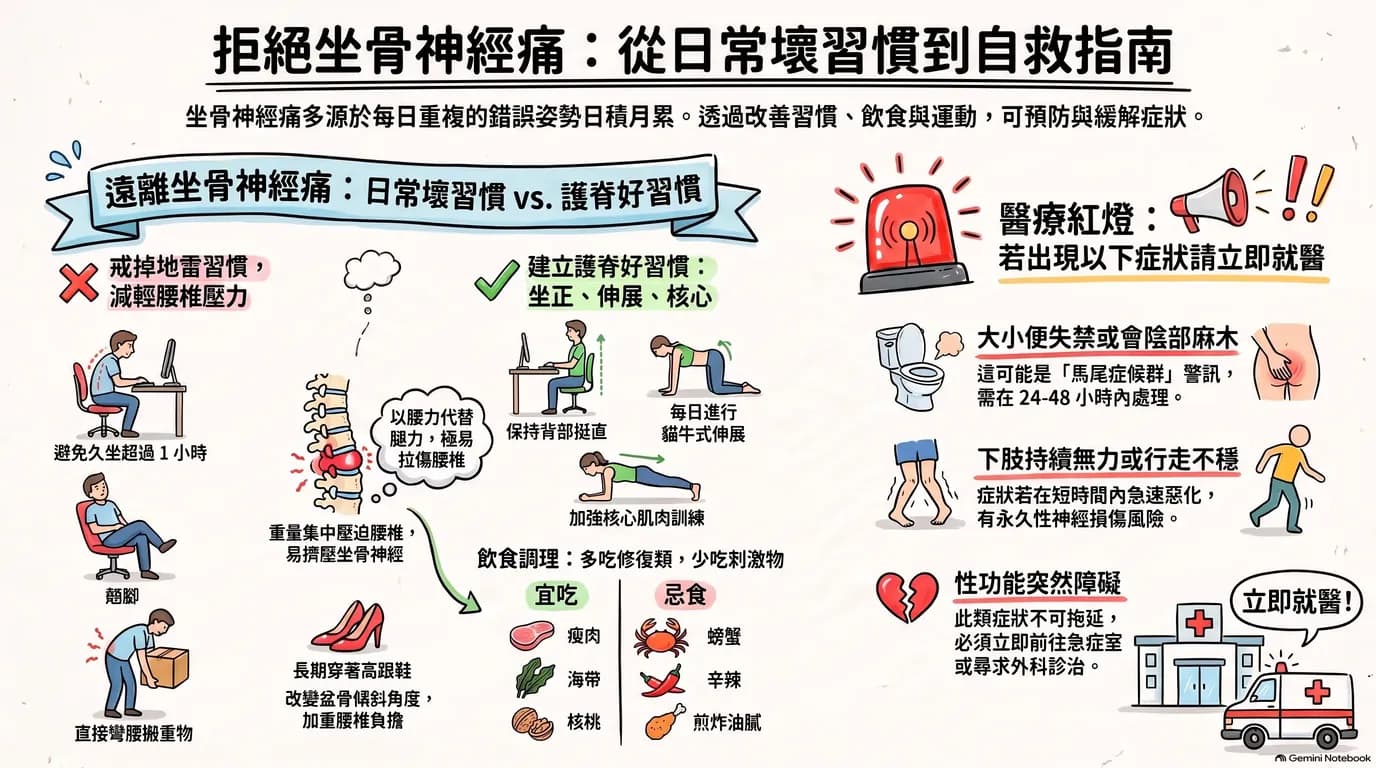
Sciatica Prevention: Bad Habits, Diet and Daily Care Tips
Sciatica isn't only about treatment — your daily habits and diet play a big role too. In this article, Dr Wong explains which everyday habits increase your risk of sciatica, which foods may help ease it, and simple daily habits that reduce the chance of it coming back.
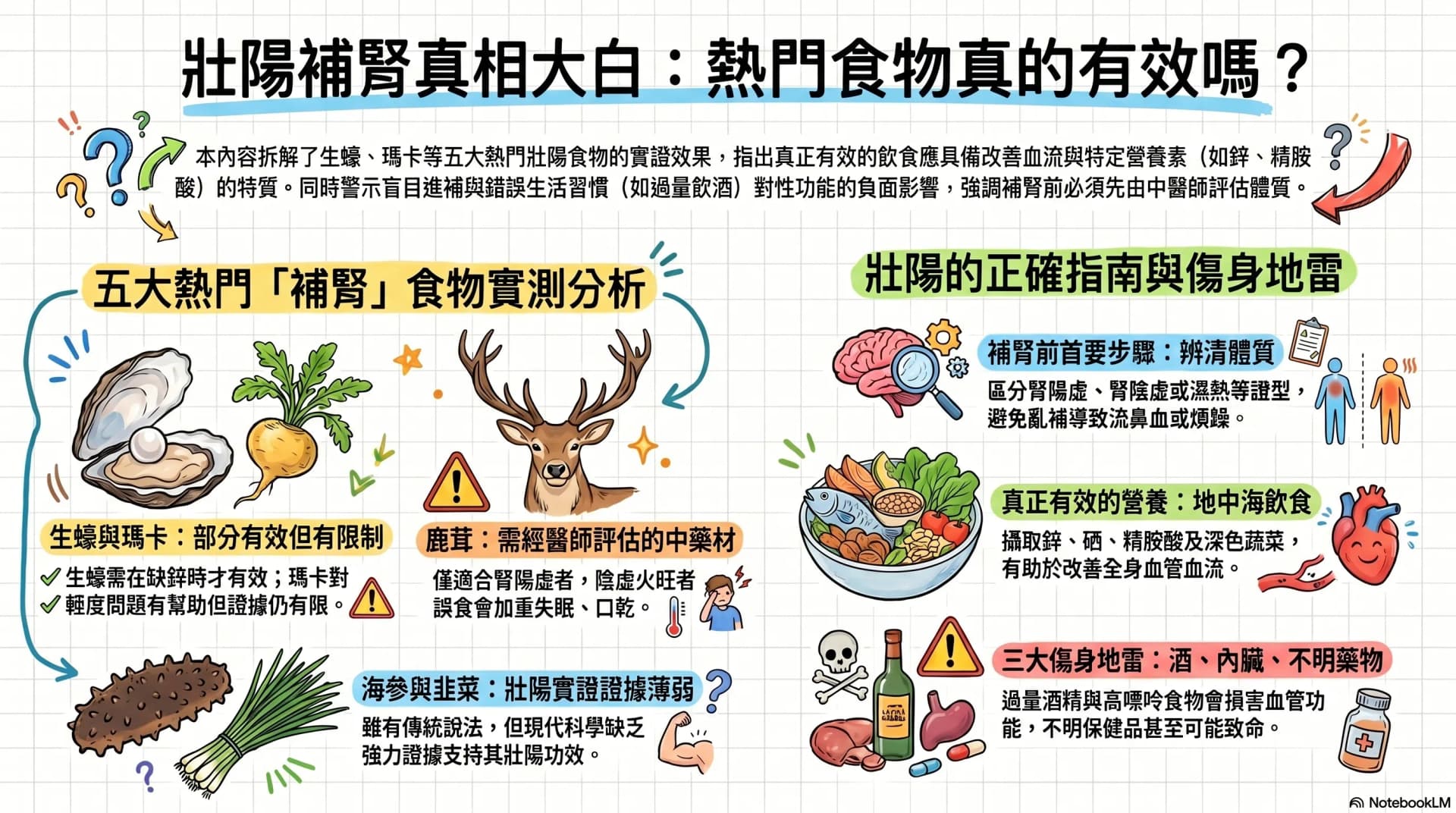
Do Oysters, Maca and Deer Antler Boost Male Vitality? 5 Myths
Do aphrodisiac foods actually work? This article opens with a rating table (effective / partly effective / effective within a TCM framework / weak evidence / no strong evidence), reviews the Chinese and Western medical evidence behind oysters, maca, deer antler, sea cucumber and Chinese chives, distils the 3 shared traits of foods that genuinely support male sexual function, and flags 3 commonly eaten items that can actually harm performance.
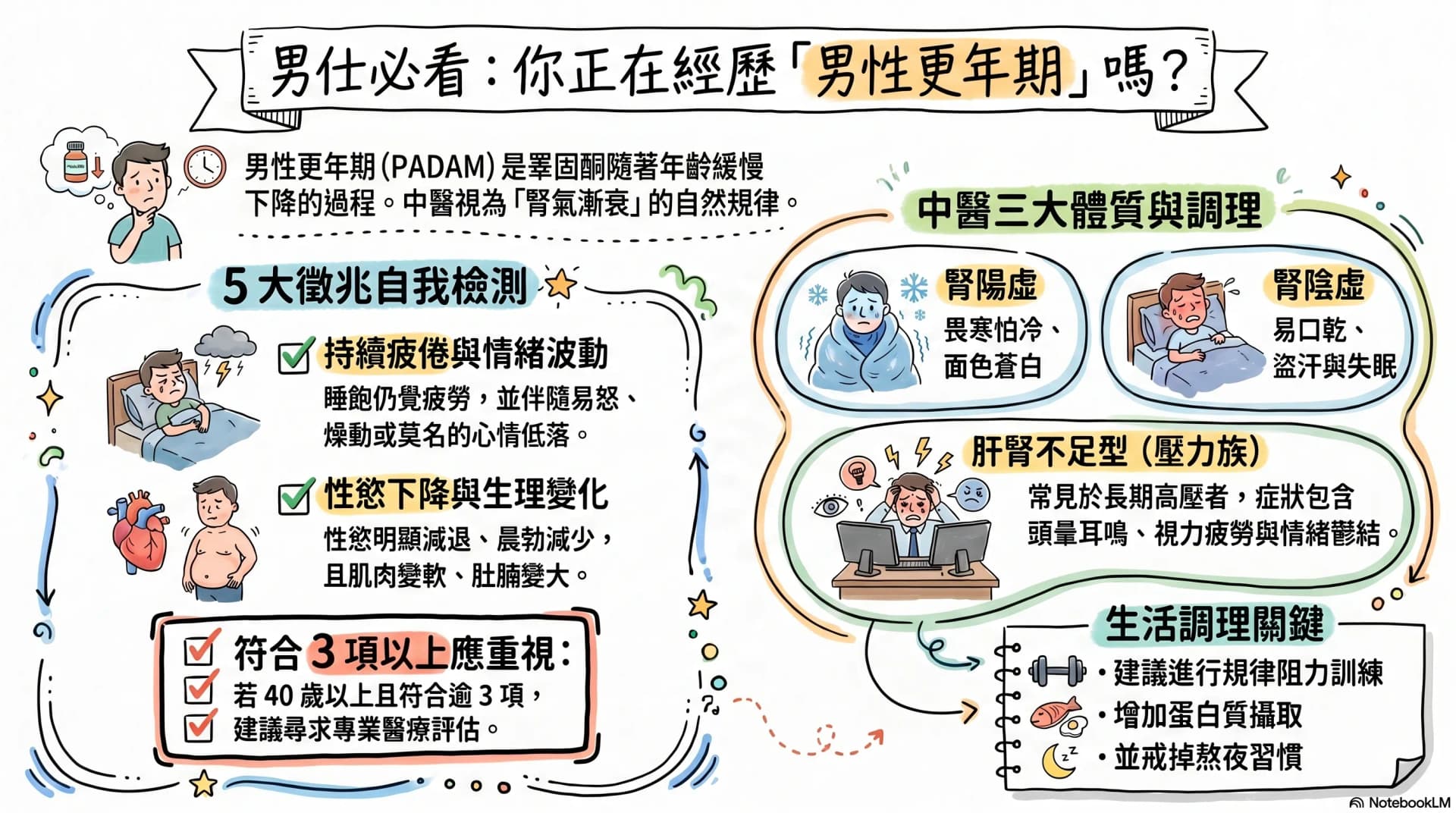
Male Menopause Through the TCM Lens: 5 Signs in Men Over 40
Unexplained fatigue, irritability, lower libido, poorer sleep and a growing belly after 40 are not just ageing or work stress — they may be male menopause. This article begins with a five-sign self-check, sets out three TCM patterns (kidney-yang deficiency, kidney-yin deficiency, liver-and-kidney insufficiency) with matching improvements, and compares the two treatment routes — testosterone replacement therapy versus TCM constitutional care.