Acupuncture vs Physiotherapy: Which Is Better for Your Pain?
Both acupuncture and physiotherapy can treat pain, but each has its strengths for different conditions. This article offers an honest comparison across treatment principles, suitable conditions, cost, and duration to help you decide.
Medical review: Fannie Lau On Yue, Registered Physiotherapist,Registered Physiotherapist #PT 103352
1-Minute Quick Answer
Acupuncture and physiotherapy both treat pain but have different strengths. Fannie Lau (PT 103352, dual-credentialed PT and Bachelor of Chinese Medicine) at Aspira TCM Lai Chi Kok compares treatment principles, suitable conditions, cost, and duration to help you decide.
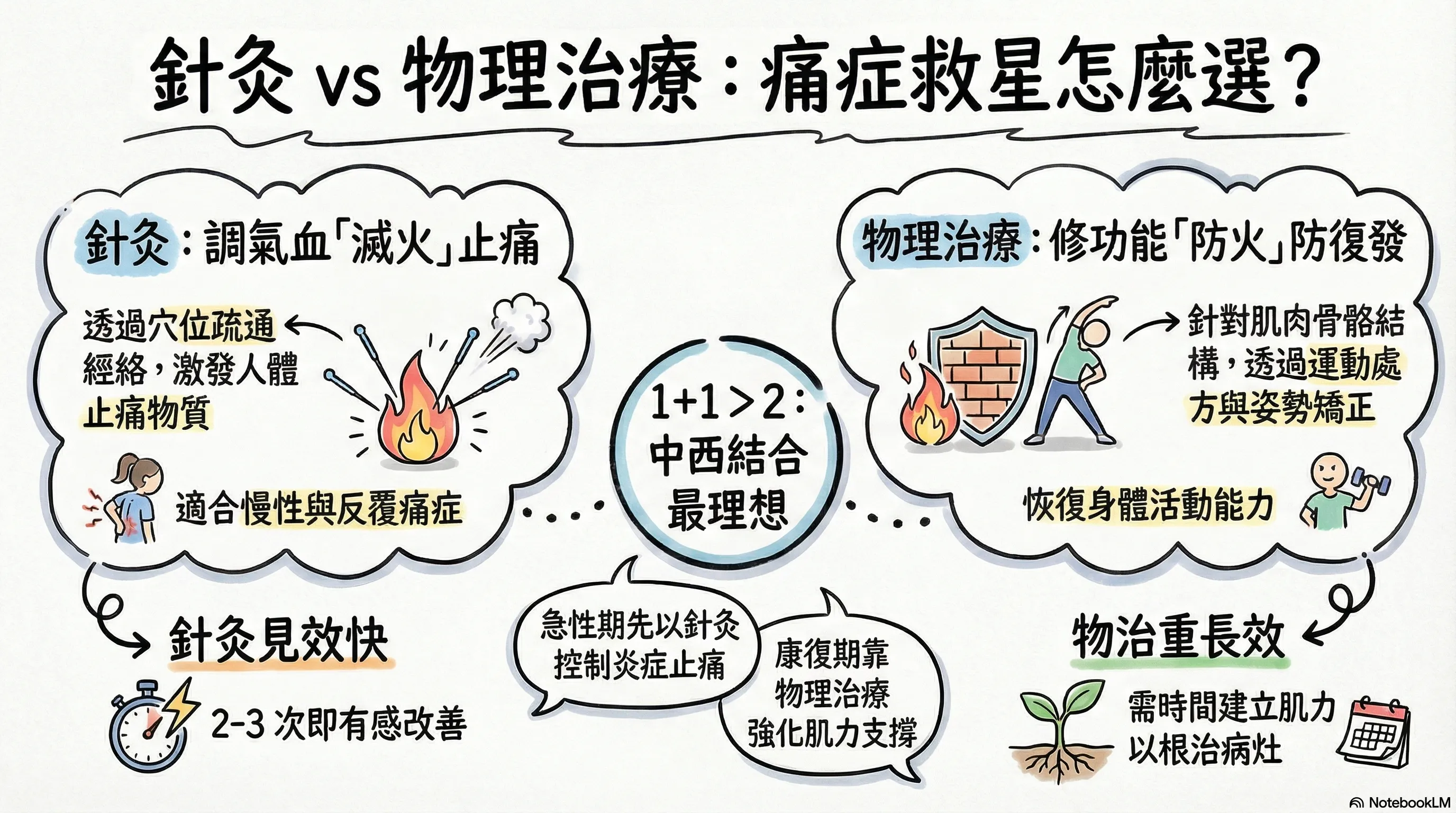 To help readers quickly grasp the content, this image was generated by NotebookLM. Some Chinese characters may not render correctly.
Pain is one of the most common health complaints among Hong Kong residents. Whether it is chronic neck and shoulder stiffness from desk work, a lower back injury from lifting, or knee degeneration that comes with age, many people face the same question when seeking treatment: Should I try acupuncture or physiotherapy?
This article will not tell you that one is categorically better than the other, because that would not be honest. Both have genuine strengths, and the best choice depends on your specific condition and recovery goals. Below, we compare them across four dimensions: treatment principles, suitable conditions, cost, and treatment duration, so you can make an informed decision.
How Each Treatment Works
Acupuncture: Regulating Qi and Blood Through Meridians
Acupuncture is a cornerstone of Traditional Chinese Medicine (TCM) with thousands of years of clinical history. By inserting fine needles at specific acupoints, practitioners aim to unblock meridians and restore the smooth flow of qi and blood. In TCM theory, pain arises when this flow is obstructed -- a principle often summarised as "where there is blockage, there is pain."
Modern research has found that acupuncture stimulates the nervous system to release endorphins (the body's natural painkillers), improves local blood circulation, and reduces inflammatory responses. The World Health Organization (WHO) recognises acupuncture as a valid treatment for numerous pain conditions.
Key characteristics of acupuncture:
- Takes a holistic approach, addressing the whole body rather than just the pain site
- Can simultaneously treat related symptoms such as insomnia, stress, and fatigue
- Combines effectively with Chinese herbal medicine for enhanced results
- Particularly suited for chronic pain and recurring conditions
Physiotherapy: Restoring Function Through Movement
Physiotherapy is an evidence-based healthcare discipline. Registered physiotherapists use exercise prescription, manual therapy, electrotherapy, and ultrasound to assess and treat musculoskeletal conditions. The core philosophy is to restore normal physical function and mobility.
A physiotherapist will first assess your joint range of motion, muscle strength, and movement patterns to identify the biomechanical causes of your pain, then design a personalised rehabilitation programme.
Key characteristics of physiotherapy:
- Focuses on identifying structural causes of pain (e.g. muscle imbalance, poor posture)
- Uses active exercise prescription to build long-term resilience
- Has well-established rehabilitation protocols for post-surgical recovery and sports injuries
- Can utilise therapeutic equipment (ultrasound, shockwave, electrotherapy)
Condition-by-Condition Comparison
Below is a general guide for five common pain conditions. Please note that this is for reference only; actual treatment plans should be determined by a qualified practitioner based on your individual situation.
| Condition | Acupuncture | Physiotherapy | Recommendation |
|---|---|---|---|
| Neck & shoulder pain (desk-related strain) | Unblocks cervical meridians; relaxes deep muscles; often fast relief | Corrects posture; strengthens deep neck muscles for long-term prevention | Consider both -- acupuncture for quick relief, physio to address posture |
| Acute lower back pain (sprain, sudden onset) | Effective pain relief; can combine with cupping to disperse stasis | Manual release; core strengthening to prevent re-injury | Consider both -- acupuncture-led in acute phase, add physio once stabilised |
| Sciatica | Unblocks lumbosacral meridians; good results for nerve root pain | Targeted exercises for disc or piriformis issues | Acupuncture may be more suitable (especially with herbal medicine); add physio for severe cases |
| Sports injuries (ligament sprains, muscle tears) | Can reduce swelling and pain after the acute phase | Comprehensive protocols from acute management through full rehabilitation | Physiotherapy may be more suitable (especially in acute phase); acupuncture helpful in later recovery |
| Knee osteoarthritis | Acupuncture plus herbal medicine to nourish liver and kidney; slows degeneration | Strengthens quadriceps and glutes to protect the knee joint | Consider both -- acupuncture to reduce inflammation and pain, physio to build supporting muscle strength |
The honest takeaway: For many pain conditions, the ideal approach is actually a combination of both. This is not a vague answer -- it reflects clinical reality. Acupuncture excels at rapid pain relief and constitutional regulation, while physiotherapy excels at identifying structural problems and building long-term protection.
Cost Comparison
Cost is an important consideration for many patients. Below are general market ranges in Hong Kong (2026 figures, for reference only):
| Item | Acupuncture (TCM) | Physiotherapy |
|---|---|---|
| Per session | HK$300 - $600 | HK$500 - $1,200 |
| Per course (approx. 6 sessions) | ~HK$1,800 - $3,600 | ~HK$3,000 - $7,200 |
| Session duration | ~30 - 45 minutes | ~30 - 60 minutes |
| Health Care Voucher | Eligible (registered CM practitioner) | Eligible (registered physiotherapist) |
Points to note:
- Acupuncture fees typically include the consultation and treatment. Herbal medicine, if prescribed, may be charged separately.
- Physiotherapy fees vary considerably depending on the therapist's seniority, location, and whether specialised equipment is used. Private hospital physiotherapy tends to be more expensive than clinic-based services.
- The Elderly Health Care Voucher Scheme can be used for registered Chinese medicine practitioners (including acupuncture) and physiotherapy. This is an important consideration for elderly patients.
- If you have corporate medical insurance, check your coverage first -- some plans cover both Chinese medicine and physiotherapy, but benefit limits and session caps may differ.
We believe cost should not be the sole factor in your decision. What matters most is finding the treatment that resolves your problem, rather than delaying and ultimately spending more.
Treatment Duration Comparison
| Item | Acupuncture | Physiotherapy |
|---|---|---|
| Typical course | 4 - 8 sessions per course | Varies by recovery progress; typically 6 - 12 sessions |
| Frequency | 1 - 3 times per week | 1 - 2 times per week |
| Time to initial improvement | Most patients feel improvement after 2 - 3 sessions | Takes longer to build strength and movement patterns |
| Long-term maintenance | Periodic tune-up sessions as needed | Home exercise programme for self-maintenance |
To be frank, each has trade-offs:
- Acupuncture typically delivers faster pain relief. Many patients notice a reduction in pain after just one or two sessions. However, if the pain stems from muscle imbalance or postural problems, acupuncture alone cannot replace the role of exercise training.
- Physiotherapy rehabilitation takes longer. Initial results may be less dramatic than acupuncture, but the muscle strength and correct movement patterns built through exercise prescription are key to preventing pain recurrence.
In other words: acupuncture puts out the fire quickly; physiotherapy teaches you fire prevention.
Can You Do Both at the Same Time?
Yes, and in many cases it is the ideal arrangement.
Acupuncture and physiotherapy are not mutually exclusive. In fact, research suggests that integrated treatment plans combining both can be more effective for chronic pain management than either alone.
A common integrated approach:
- Acute phase: Acupuncture-led to control pain and inflammation
- Sub-acute phase: Acupuncture combined with physiotherapy manual techniques to restore joint mobility
- Rehabilitation phase: Physiotherapy exercise prescription as the primary focus, with acupuncture for supplementary regulation
- Maintenance phase: Periodic acupuncture tune-ups combined with a home exercise programme
At Aspira TCM, our team includes 5 registered Chinese medicine practitioners and 1 registered physiotherapist, enabling us to create integrated pain management plans under one roof. You do not need to travel between two different clinics -- our practitioners can communicate directly and coordinate your treatment progress together.
Dr. Wong is Aspira TCM's pain and bone specialist, with extensive clinical experience in postural correction and various pain conditions. He can assess your overall condition at your first visit and coordinate the most suitable treatment combination for you.
Our Recommendation
Ultimately, the answer to "acupuncture or physiotherapy?" is always: it depends on your situation.
Here is a simple reference guide:
Consider acupuncture first if you:
- Have chronic pain (lasting over a month) with no clear structural cause
- Experience pain alongside other issues (insomnia, fatigue, emotional stress)
- Have tried painkillers with limited effect, or prefer not to rely on medication long-term
- Are elderly and less suited to intensive exercise training
Consider physiotherapy first if you:
- Are recovering from surgery and need structured rehabilitation
- Have a clear sports injury (e.g. ligament tear, acute muscle strain)
- Have pain related to posture or movement patterns that need corrective training
- Are an athlete needing to return to sport performance
Consider both if you:
- Have complex or recurring pain
- Want to address both immediate pain and long-term prevention
- Have the time and budget for a comprehensive approach
Regardless of which treatment you choose, the most important step is getting a professional assessment first. Aspira TCM Clinic is conveniently located in Lai Chi Kok. Our practitioners will give you their honest recommendation based on your specific condition -- even if that means suggesting you start with physiotherapy.
Because we believe: "The healer gives their all; the physician follows their conscience." Doing the right thing matters more than doing more things.
Frequently Asked Questions (FAQ)
Q1: Does acupuncture hurt? What if I am afraid of needles?
Acupuncture needles are much finer than injection needles. Most patients describe the sensation as a mild ache or tingling rather than pain. If you are particularly needle-sensitive, let your practitioner know beforehand -- they can use finer needles and shallower insertion, introducing the treatment gradually. Aspira TCM also offers needle-free options such as herbal medicine, tuina massage, and cupping as alternatives.
Q2: What is the difference between physiotherapy and orthopaedics?
Orthopaedic doctors primarily treat bone and joint conditions through medication or surgery. Physiotherapists use exercise prescription and manual therapy for non-surgical rehabilitation. In simple terms: if surgery is needed, see an orthopaedic specialist first; if conservative treatment is possible, physiotherapy is likely the better option. Acupuncture can play a supportive role at both stages.
Q3: Can I have acupuncture while undergoing physiotherapy?
Absolutely. Many patients receive both treatments concurrently with complementary benefits. It is helpful to let both your practitioners know so they can coordinate. At Aspira TCM, because our Chinese medicine practitioners and physiotherapist work within the same team, this coordination happens naturally.
Q4: How many sessions will I need before my pain improves?
This depends on the type, severity, and duration of your pain. Generally, acute conditions (such as sudden lower back pain) may show significant improvement in 2 to 4 sessions, while chronic conditions (such as long-standing neck and shoulder pain) typically require 6 to 8 sessions or more. Your practitioner will outline an approximate treatment plan and timeline after your first consultation.
Q5: Does Aspira TCM accept the Health Care Voucher? How much does treatment cost?
Aspira TCM Clinic accepts the Elderly Health Care Voucher. Specific fees vary by treatment type -- please contact us directly for the latest pricing details. We are committed to transparent pricing with no hidden charges.
Author: Fannie Lau On Yue, Registered Physiotherapist Registered Physiotherapist (Registration No.: PT 103352), member of the Aspira TCM Clinic physiotherapy team.
This content is for health education purposes only and does not constitute medical diagnosis or treatment advice. Individual conditions vary, and treatment plans should be tailored accordingly. Fees mentioned represent general market ranges; actual charges are subject to the clinic's published rates. If you have a health concern, we recommend booking a consultation so a qualified practitioner can assess your specific situation.
Related at Aspira TCM: Acupuncture treatment · Lau On Yu, our dual-qualified physiotherapist
Disclaimer: This article is for health education and reference purposes only and does not constitute medical advice, diagnosis, or treatment. Each patient's condition is unique and treatment outcomes vary. Please consult a registered TCM practitioner or qualified healthcare professional for health concerns.
Want to learn more? WhatsApp us for a free consultation
Book via WhatsAppExplore our full range of treatments: Traditional TCM Services
Related Articles
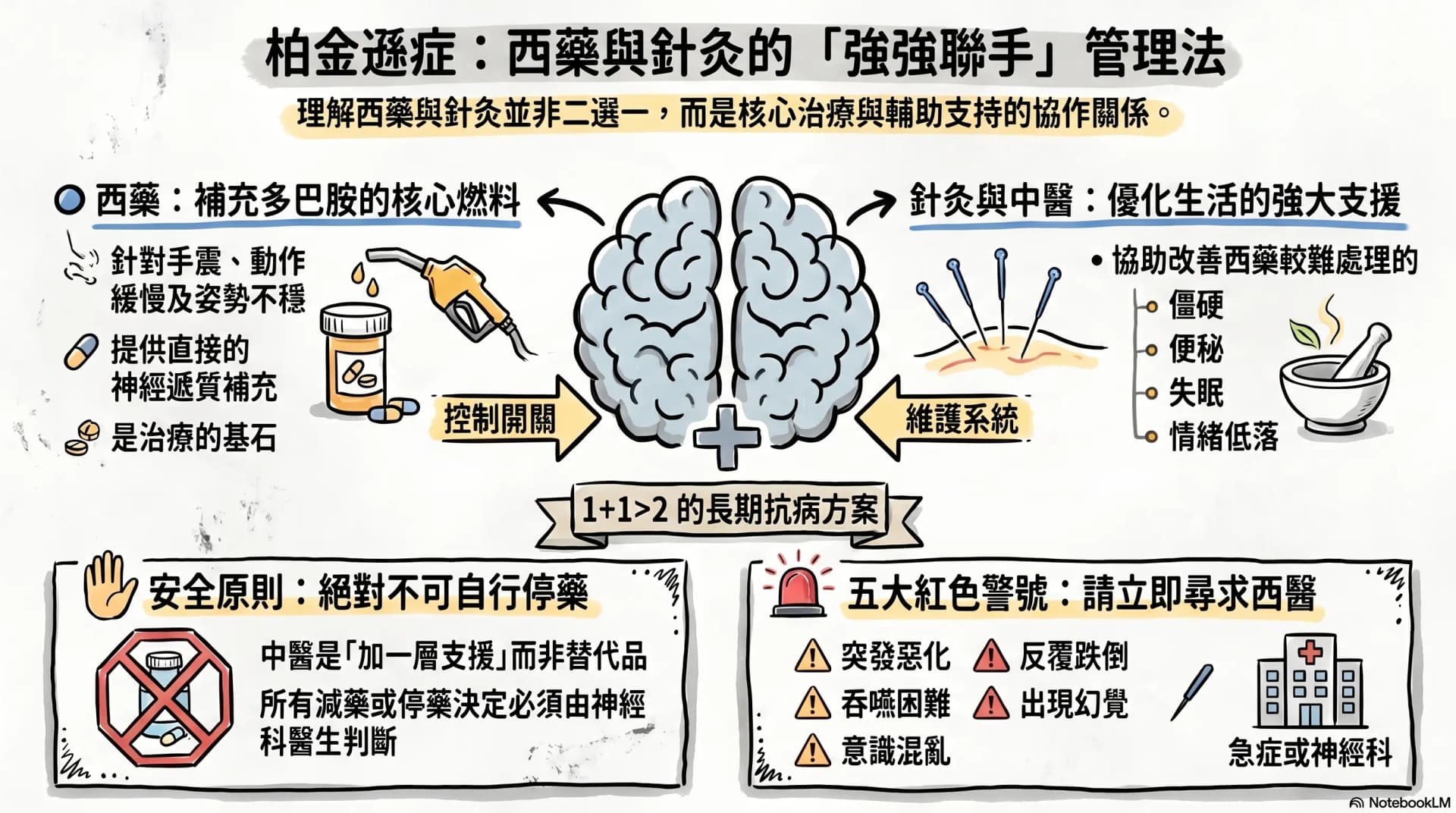
Acupuncture for Parkinson's Disease? Combining TCM and Medication
Parkinson's patients on long-term dopaminergic medication such as Madopar are often asked by family members whether acupuncture and Chinese herbs can help with tremor, stiffness, constipation or insomnia. This article compares the roles of Western medication and acupuncture-based TCM care across disease stages and TCM patterns, lays out where the two combine well, and lists the warning signs that must go to neurology or emergency care first.
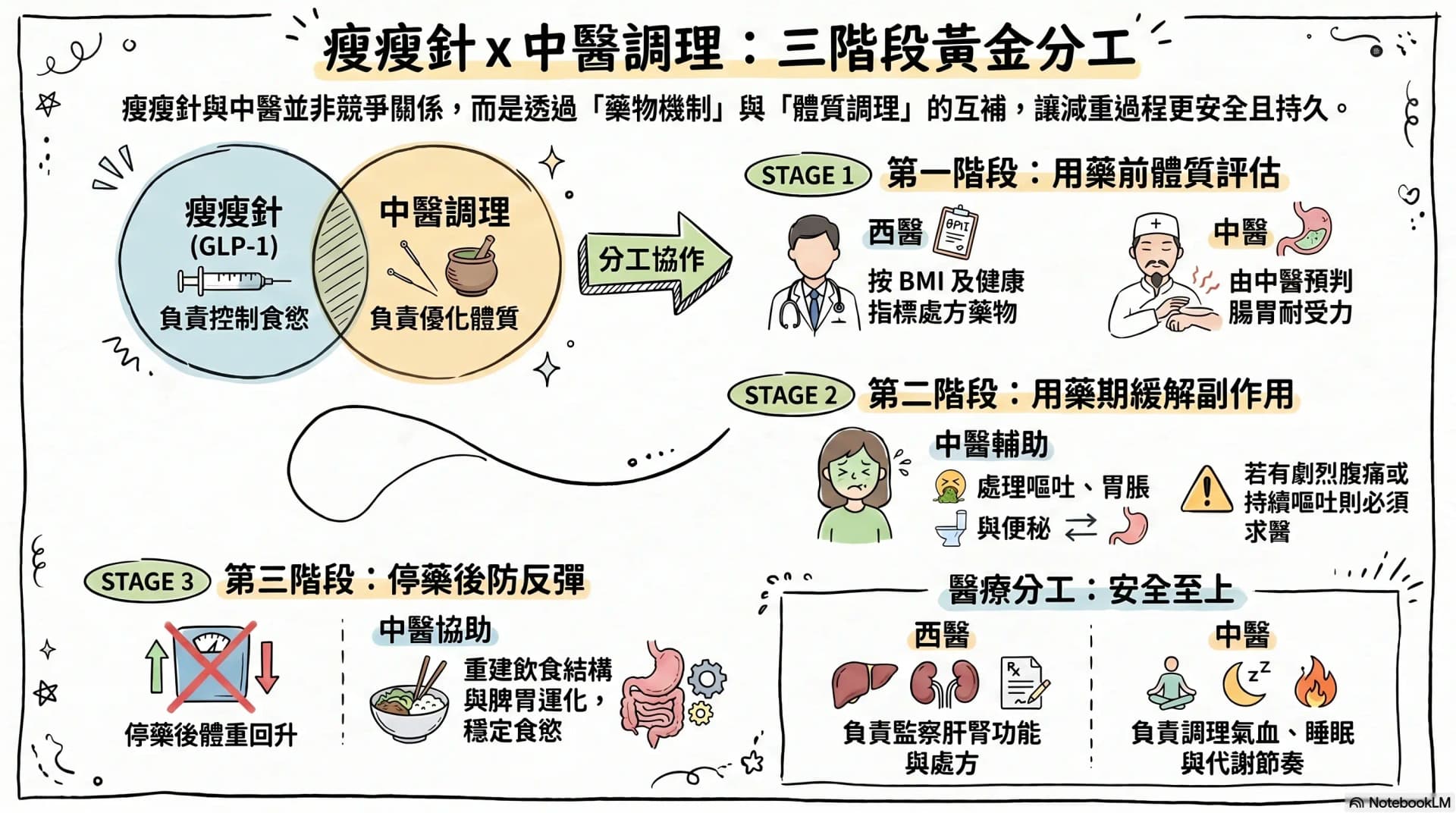
Can I See a TCM Practitioner While on a GLP-1 Injection?
GLP-1 weight-loss injections are now a major talking point in Hong Kong. This article compares the roles of prescribed GLP-1 medication and TCM care across three phases — before treatment, during treatment and after stopping — covering medical monitoring, side-effect relief and post-discontinuation rebound, and identifying scenarios that should not be managed by TCM alone.
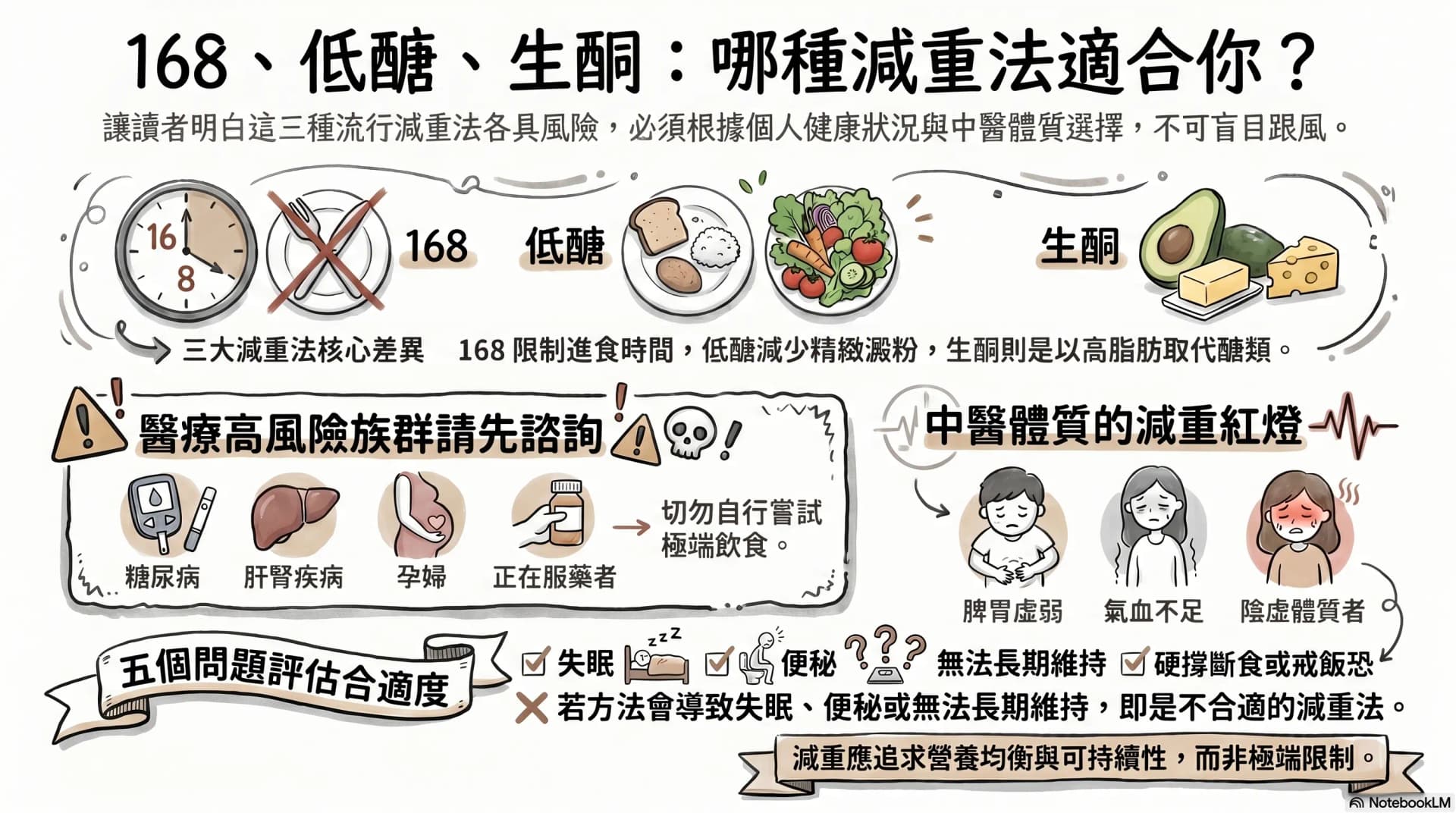
168 Fasting vs Low-Carb vs Keto: A TCM Guide to the Differences
168 fasting, low-carb diets, and keto are all popular weight-loss approaches, but they restrict different things — and their effects on digestion, sleep, blood glucose, bowels, menstruation, and mood differ accordingly. This article compares the three, explains which TCM constitutions need extra caution, and flags situations that warrant prior assessment by a Western doctor or registered dietitian.