Can I See a TCM Practitioner While on a GLP-1 Injection?
GLP-1 weight-loss injections are now a major talking point in Hong Kong. This article compares the roles of prescribed GLP-1 medication and TCM care across three phases — before treatment, during treatment and after stopping — covering medical monitoring, side-effect relief and post-discontinuation rebound, and identifying scenarios that should not be managed by TCM alone.
Medical review: Dr. Au Kwok Po, Arthur,Registered Chinese Medicine Practitioner #009884
1-Minute Quick Answer
You can see a TCM practitioner while on a GLP-1 weight-loss injection, but TCM is a complement — not a replacement for the prescription. This guide (reviewed by Dr Au, CMCHK 009884) maps the division of labour across the pre-use, on-drug and post-use phases, and flags the cases that must stay Western-medicine-led.
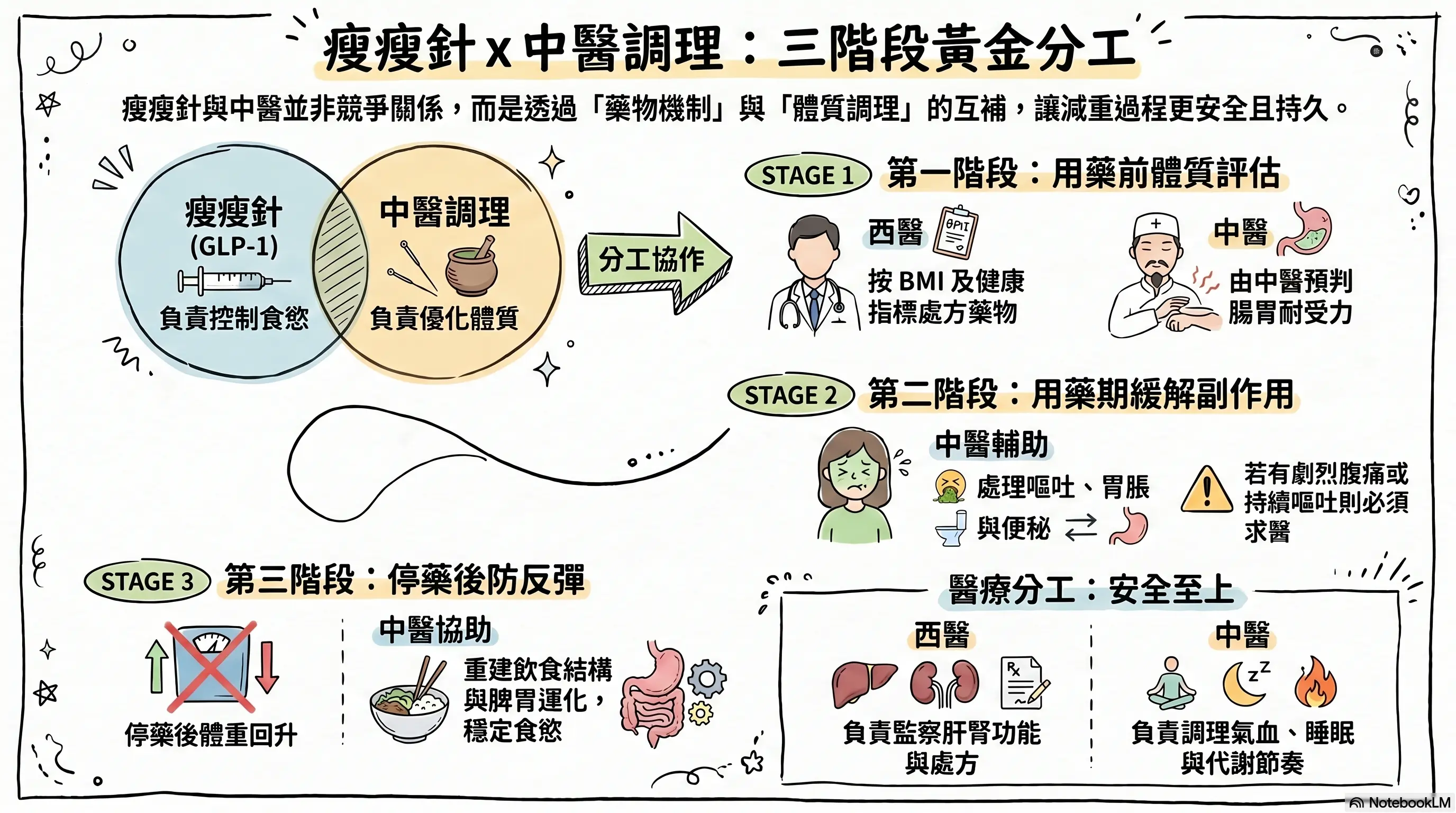 For quick reference, this image was generated by NotebookLM. Some Chinese characters may not render perfectly; we appreciate your understanding.
Medical review: Dr Au Kwok-bo (CMCHK 009884; TCM weight management, nutrition, flu, hair loss; qualified nutritionist)
"Can I take Chinese herbal medicine while I'm on a weight-loss injection?" "Will my weight rebound for sure once I stop?" "The side effects are too much — can a TCM practitioner help?" Since GLP-1 weight-loss medications (commonly known as "slimming injections" in Hong Kong) have become more widespread, Aspira TCM Clinic has been receiving such enquiries every week. What patients want most is not the pharmacology, but a practical division of labour: should I see a TCM practitioner before starting? Can I do so during treatment if I have nausea, bloating or constipation? After stopping, when rebound is most likely, what can TCM actually do?
This article compares the roles of prescribed GLP-1 injections and TCM care across three phases — pre-use, on-drug and post-use — to help you see the next step clearly.
Two Different Goals
GLP-1 receptor agonists include semaglutide (Ozempic, Wegovy), liraglutide (Saxenda) and tirzepatide (Mounjaro, Zepbound). They delay gastric emptying, increase satiety, suppress appetite and modulate glucose response, reducing total food intake at a physiological level.
TCM weight management does not start from receptors. It works through constitution, the spleen-stomach system, qi and blood, sleep and emotion. Common TCM patterns at our clinic include spleen deficiency with damp, liver-qi stagnation, phlegm-damp obstructing the spleen, qi and blood deficiency, and excess stomach heat. The goal of Chinese herbs and acupuncture is not to mimic GLP-1's appetite suppression, but to recalibrate the body's metabolism and digestion so that diet, exercise and sleep efforts pay off more readily. The injection works through a drug mechanism; TCM works through constitutional adjustment. They are not in competition over "which is stronger" — they are tools for different stages and different goals.
Comparison Table
| Item | Prescribed GLP-1 injection | TCM care |
|---|---|---|
| Main mechanism | GLP-1 receptor agonism, delaying gastric emptying and suppressing appetite | Pattern differentiation, adjusting spleen-stomach, qi and blood, liver-qi and sleep |
| Suitable for | BMI meeting prescription thresholds, with concurrent glucose abnormalities or cardiovascular risk | Constitutional obesity, oedema-type, stress-eating, post-discontinuation period |
| Expected duration | Usually counted in years; appetite and weight tend to return after stopping | Weeks to months, paired with sustained diet and exercise |
| Common side effects | Nausea, bloating, poor appetite, constipation, dizziness, rare pancreatitis | Herbs may cause diarrhoea, dry mouth or allergy; acupuncture may leave occasional bruising |
| Key monitoring | Blood tests, liver and kidney function, pancreatic markers, heart rate, blood pressure | Tongue and pulse, constitutional change, sleep, menstruation, bowel and urine |
| Cannot replace | Primary diabetes treatment and cardiovascular management | Prescribed medication and emergency care |
Division of Labour Across Three Phases
Phase 1 — Pre-use constitutional assessment. TCM can evaluate the spleen-stomach state to predict gastrointestinal side-effect risk; distinguish "true obesity" from "oedema-type" or "sarcopenic" body shape (some people may not actually need the injection); review sleep, mood, menstrual and stress background; and flag those with a history of gallstones, pancreatitis, severe gastroparesis or planned pregnancy who should first discuss suitability with the prescribing doctor. The decision to prescribe a GLP-1 medication, however, is a medical one — it must be made by a registered Western-medicine doctor based on BMI, comorbidities and investigations. Any claim that "TCM can replace the injection" is not something Aspira TCM Clinic endorses.
Phase 2 — Side-effect relief during treatment. Side effects cluster in the digestive tract: nausea, bloating, poor appetite, constipation or diarrhoea. Some patients also experience dizziness, palpitations, dry mouth and fatigue. The TCM role here is "support", not "replacement".
| Side effect | Common TCM direction | When Western medicine must take over |
|---|---|---|
| Nausea, bloating | Calming the stomach and resolving turbidity; acupuncture commonly uses Neiguan, Zusanli, Zhongwan | Vomiting persisting over 24 hours, inability to eat or drink, severe upper abdominal pain |
| Constipation | Moistening the bowels with adequate fluid and fibre; not relying long-term on laxatives | Constipation with bloody or black stools, vomiting, or rapid weight loss |
| Poor appetite, low energy | Strengthening the spleen, nourishing yin and adjusting meal portions | Rapid weight loss, dizziness on standing, markedly faster heart rate |
| Palpitations, dizziness | Replenishing qi and yin, calming the spirit | Persistent palpitations, fainting, blurred vision, severe headache |
| Low mood, sense of depression from sharp appetite drop | Soothing the liver, calming the heart-spirit | Persistent depression, self-harm thoughts, social withdrawal |
| Menstrual irregularity | Soothing the liver, replenishing qi and blood | Amenorrhoea over three months, abnormal bleeding |
Aspira TCM Clinic does not advise patients to stop, reduce or skip injections on their own. While on Chinese herbs and acupuncture, both practitioners — TCM and prescribing Western doctor — should be aware of each other's prescription.
Phase 3 — Preventing rebound after stopping. International research suggests that, on average, a substantial portion of weight returns within a year of stopping a GLP-1 medication. Reasons include the loss of the drug's effect on gastric emptying and appetite, dietary habits that have not actually changed, insufficient muscle mass, and weak sleep and stress management. This is where TCM most often steps in: rebuilding dietary structure (sufficient protein, fibre and a sensible energy intake, rather than extreme low-calorie eating), improving spleen-stomach function, addressing the surge in appetite and emotional swings after stopping, using acupuncture to recalibrate appetite rhythms, and monitoring weight, waist circumference and muscle mass. Importantly, TCM cannot guarantee that weight will not rebound — no profession can. Long-term maintenance depends on whether you can sustain diet, exercise, sleep and stress management.
When TCM Should Not Be the Sole Approach
The following are clinically Western-medicine-led; TCM may complement but should not be the only management:
- BMI in the obesity range alongside diabetes, cardiovascular disease, obstructive sleep apnoea, etc.
- A history of pancreatitis, gallstones, severe gastroparesis or bowel obstruction
- Persistent severe abdominal pain, inability to eat, jaundice or severe dehydration during treatment
- Sudden allergic reactions, breathing difficulty, facial swelling
- Personal or family history of medullary thyroid carcinoma (MTC) or multiple endocrine neoplasia type 2 (MEN 2)
- Planned pregnancy, current pregnancy or breastfeeding; weight management in children and adolescents
Any suspected serious side effect calls for stopping the injection immediately and contacting the prescribing doctor or attending the emergency department.
Principles When Combining the Two
The combination is most useful when: gastrointestinal side effects during treatment are notable but medical thresholds for stopping the injection have not been reached; weight is dropping but energy, menstruation or sleep are deteriorating; the patient has decided to stop and wants to manage the critical 3-to-6-month post-discontinuation window systematically; or the patient wants to taper while building a sustainable dietary structure.
When combining: keep both practitioners informed of each other's prescription (herbal direction, acupuncture frequency, injection schedule); avoid self-purchased "fat-burner", "detox" or "purgative" products from online sources; report any new symptoms to the prescribing doctor first; and leave any decision to increase, reduce or stop the injection to the prescribing doctor.
How Aspira TCM Clinic Approaches GLP-1 Coordination
At the first visit, Dr Au asks the patient to bring along: the name, dose and injection schedule of the prescribed medication; the prescribing doctor's name and clinic contact; a 7- to 14-day food and symptom diary; recent blood, liver, kidney and glucose reports; and any Chinese medicine, supplements or over-the-counter drugs currently in use. Based on pattern differentiation, the doctor decides whether Chinese herbs and acupuncture are appropriate and advises on drug interactions and lifestyle pace. The whole programme is designed to support, not replace, the Western prescription — never marketed as "an alternative to the injection" or as "a guarantee that you can stop the drug".
FAQ
Q1: Can I take Chinese herbal medicine while on a GLP-1 injection?
Yes — but both practitioners must be aware of each other's prescription. The aim of the herbs is to support side-effect management and steady the constitution, not to "boost" weight loss. Avoid adding any "fat-burner" or "detox" Chinese patent medicines on your own.
Q2: Will Chinese herbs affect how the injection works?
The research base is limited. Dr Au avoids prescribing herbs that clearly affect gastric emptying or drug metabolism, and informs the prescribing doctor of the herbal direction. If new symptoms appear, stop the herbs and arrange a review.
Q3: Will weight rebound after stopping the injection for sure?
Not for sure, but research suggests substantial rebound, on average, within a year of stopping. Long-term maintenance depends on diet, exercise, sleep and stress management. TCM can help with the transition; it cannot guarantee outcomes.
Q4: Should I choose between GLP-1 injections and acupuncture for weight loss?
The two work through different mechanisms and are not directly interchangeable. Acupuncture for weight loss tends to address constitution, appetite, fluid imbalance and stress; GLP-1 medication is a prescription drug evaluated by a Western doctor. The choice should be based on health status, goals and medical advice — not on "which is faster".
Q5: Is it safe to use copy products or injections of unknown origin?
No. The source, dose and purity of unauthorised copies cannot be assured, and the side-effect and legal risks are higher. In Hong Kong, GLP-1 weight-loss injections are prescription medicines and must be prescribed and monitored by a registered doctor.
Q6: Which side effects mean I should stop the injection immediately?
Persistent severe abdominal pain, vomiting over 24 hours, jaundice, abnormally fast heart rate, severe dehydration, allergic reactions, sudden visual changes or severe headache. Any of these is a warning sign — stop the injection and contact the prescribing doctor or attend the emergency department.
Disclaimer: This article is for general health education only and does not replace individual diagnosis, prescription or treatment. GLP-1 weight-loss medications are prescription drugs and must be prescribed and monitored by a registered doctor. Any change in medication should first be discussed with the prescribing doctor; this article does not constitute advice to stop, reduce or increase any drug.
Disclaimer: This article is for health education and reference purposes only and does not constitute medical advice, diagnosis, or treatment. Each patient's condition is unique and treatment outcomes vary. Please consult a registered TCM practitioner or qualified healthcare professional for health concerns.
Further Reading
Hand-picked related articles and real cases to read next.
Weight-Loss Injections vs Acupuncture: Side Effects & TCM
Many people in Hong Kong are interested in GLP-1 weight-loss injections but worried about side effects, rebound, and prescription safety. This article explains the common risks of weight-loss injections, then explores obesity patterns in TCM, how acupuncture may support weight management, and who may be more suitable for a TCM weight-loss assessment first.
TCM Embedding vs Injections vs Aesthetics vs Liposuction
With so many weight-loss options on the market, which is right for you — TCM embedding, weight-loss injections, fat-freezing, or liposuction? Dr Au compares all four mainstream approaches across mechanism, speed of results, side effects, price range, rebound rate, and suitability — helping you avoid the pitfalls of "stop the drug, gain it back" and "treat the symptom, not the root."
Bloated and Heavy? Phlegm-Damp Obesity and Water Retention in TCM
If you do not eat excessively but often feel puffy, bloated, heavy, and tired, with weight fluctuating up and down, could “dampness” be part of the picture? This article explains the TCM view of water retention, phlegm-damp obesity, and why dampness-focused weight management is not the same as simply “draining water.”
Want to learn more? WhatsApp us for a free consultation
Book via WhatsAppExplore our full range of treatments: Traditional TCM Services
Related Articles
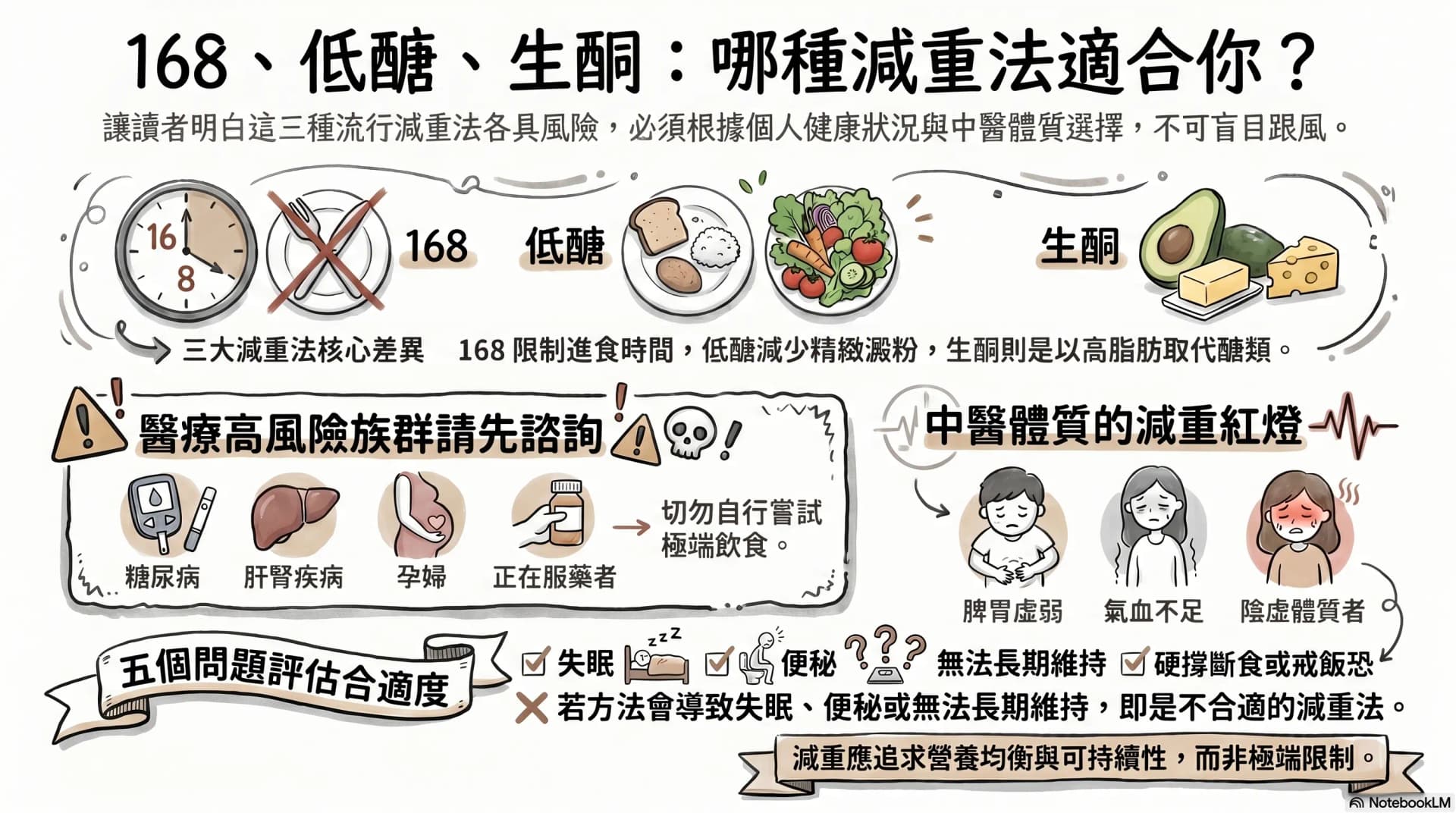
168 Fasting vs Low-Carb vs Keto: A TCM Guide to the Differences
168 fasting, low-carb diets, and keto are all popular weight-loss approaches, but they restrict different things — and their effects on digestion, sleep, blood glucose, bowels, menstruation, and mood differ accordingly. This article compares the three, explains which TCM constitutions need extra caution, and flags situations that warrant prior assessment by a Western doctor or registered dietitian.
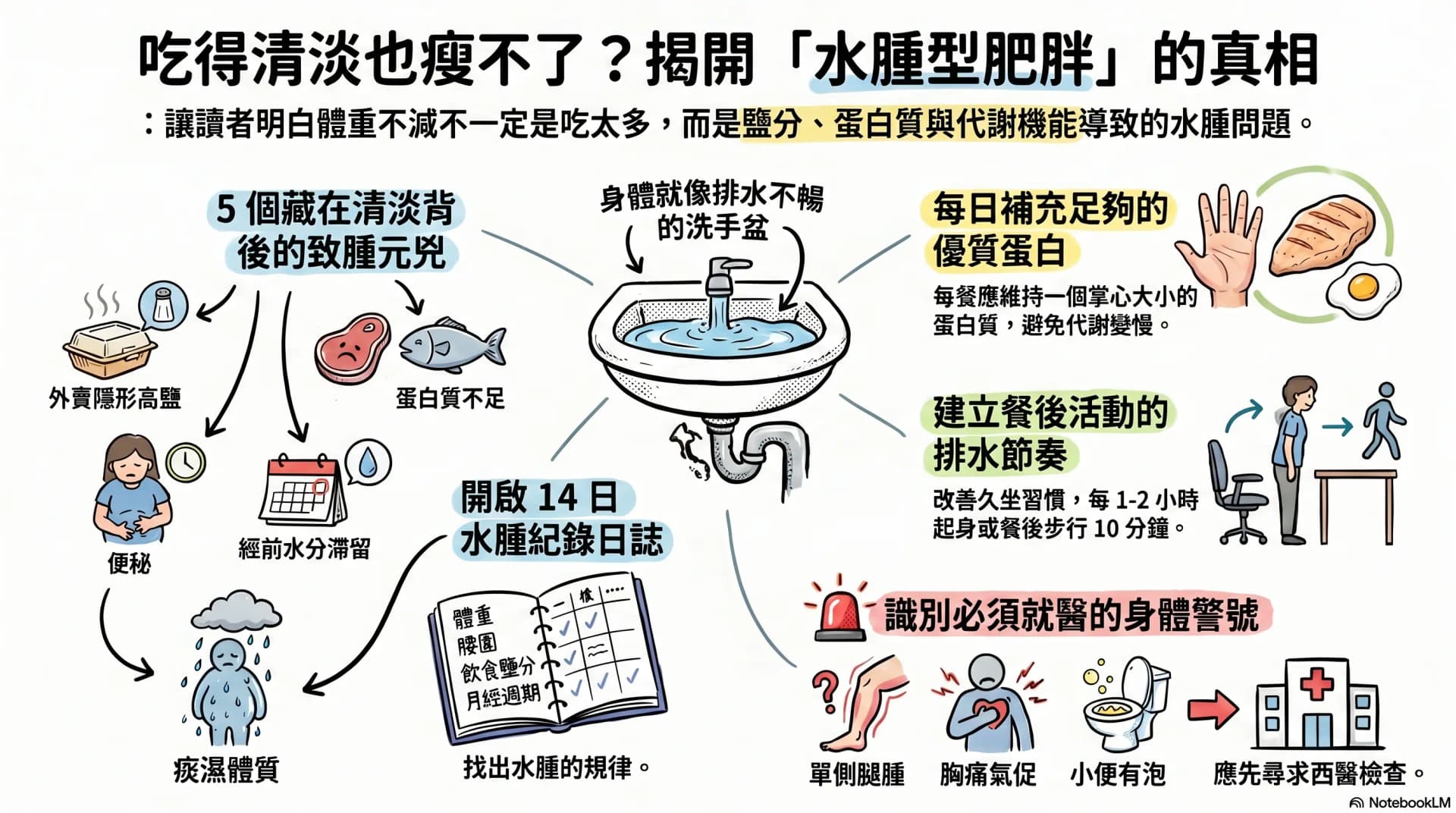
Eating Light but Not Losing Weight? A TCM Edema-Type Case Study
Eating light yet the scale will not budge — only the puffiness in the face, ankles and waistline persists? This case study follows Ya-lin (pseudonym), a 38-year-old office worker, through six months and explains how "eating clean but still not losing weight" often comes from a stack of small issues: salt, low protein, constipation, premenstrual fluid retention, phlegm-damp constitution, or internal disease. It also lists scenarios that warrant seeing a Western doctor first.
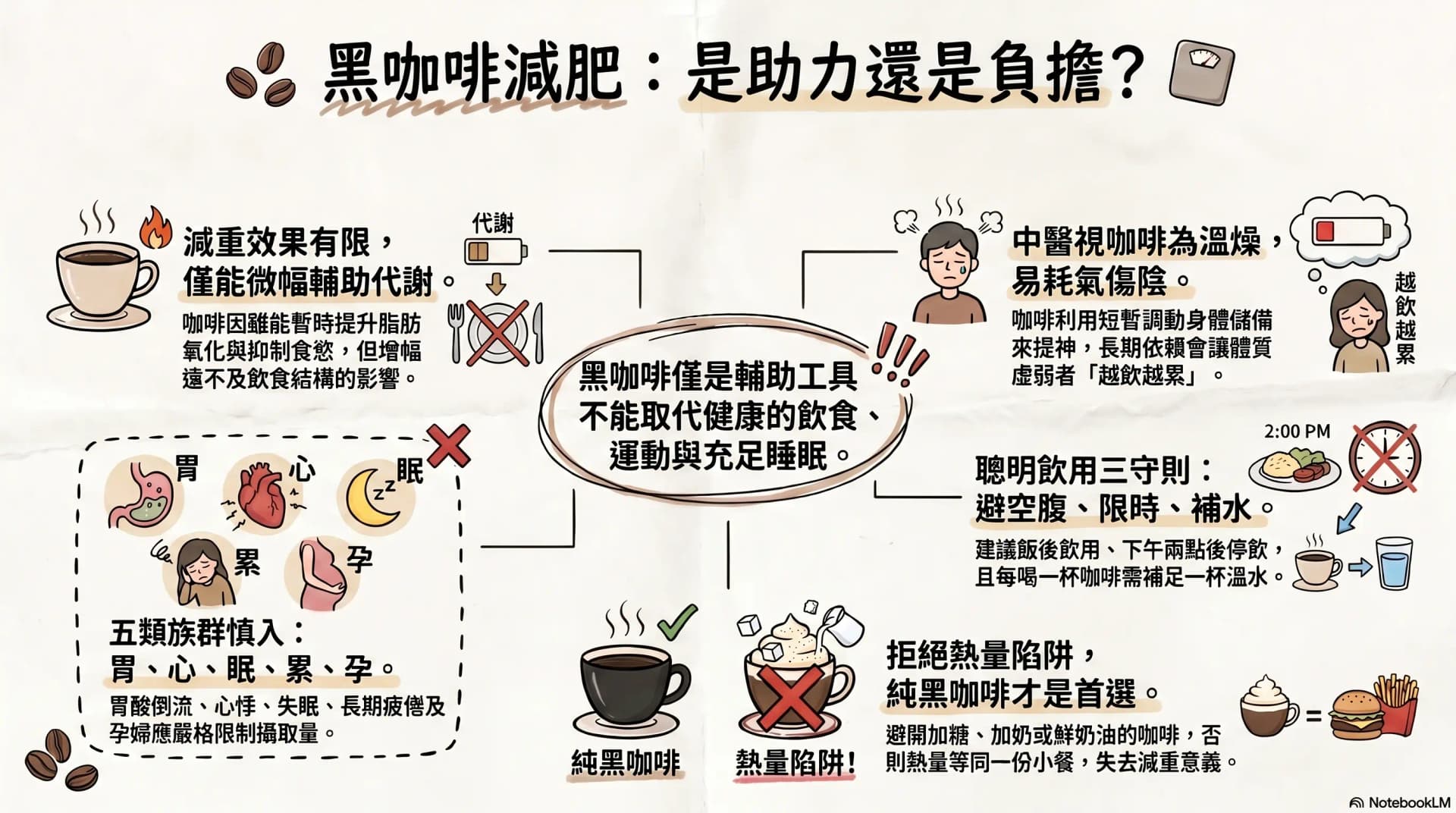
Does Black Coffee Help with Weight Loss? Timing and Side Effects
Black coffee may briefly raise metabolism and suppress appetite, but for those with acid reflux, palpitations, insomnia, chronic fatigue or premenstrual symptoms, it can do more harm than good. This article looks at the evidence and the TCM perspective, identifies five body types that should drink with care, and explains how to arrange timing and quantity sensibly.