168 Fasting vs Low-Carb vs Keto: A TCM Guide to the Differences
168 fasting, low-carb diets, and keto are all popular weight-loss approaches, but they restrict different things — and their effects on digestion, sleep, blood glucose, bowels, menstruation, and mood differ accordingly. This article compares the three, explains which TCM constitutions need extra caution, and flags situations that warrant prior assessment by a Western doctor or registered dietitian.
Medical review: Dr. Au Kwok Po, Arthur,Registered Chinese Medicine Practitioner #009884
1-Minute Quick Answer
168 fasting restricts when you eat, low-carb reduces carbohydrates, and keto pushes carbs very low while raising fat — the more extreme the method, the more your medical history and nutrition risk matter. This guide (reviewed by Dr Au, CMCHK 009884) compares all three, explains which TCM constitutions need caution, and when self-trial is unsafe.
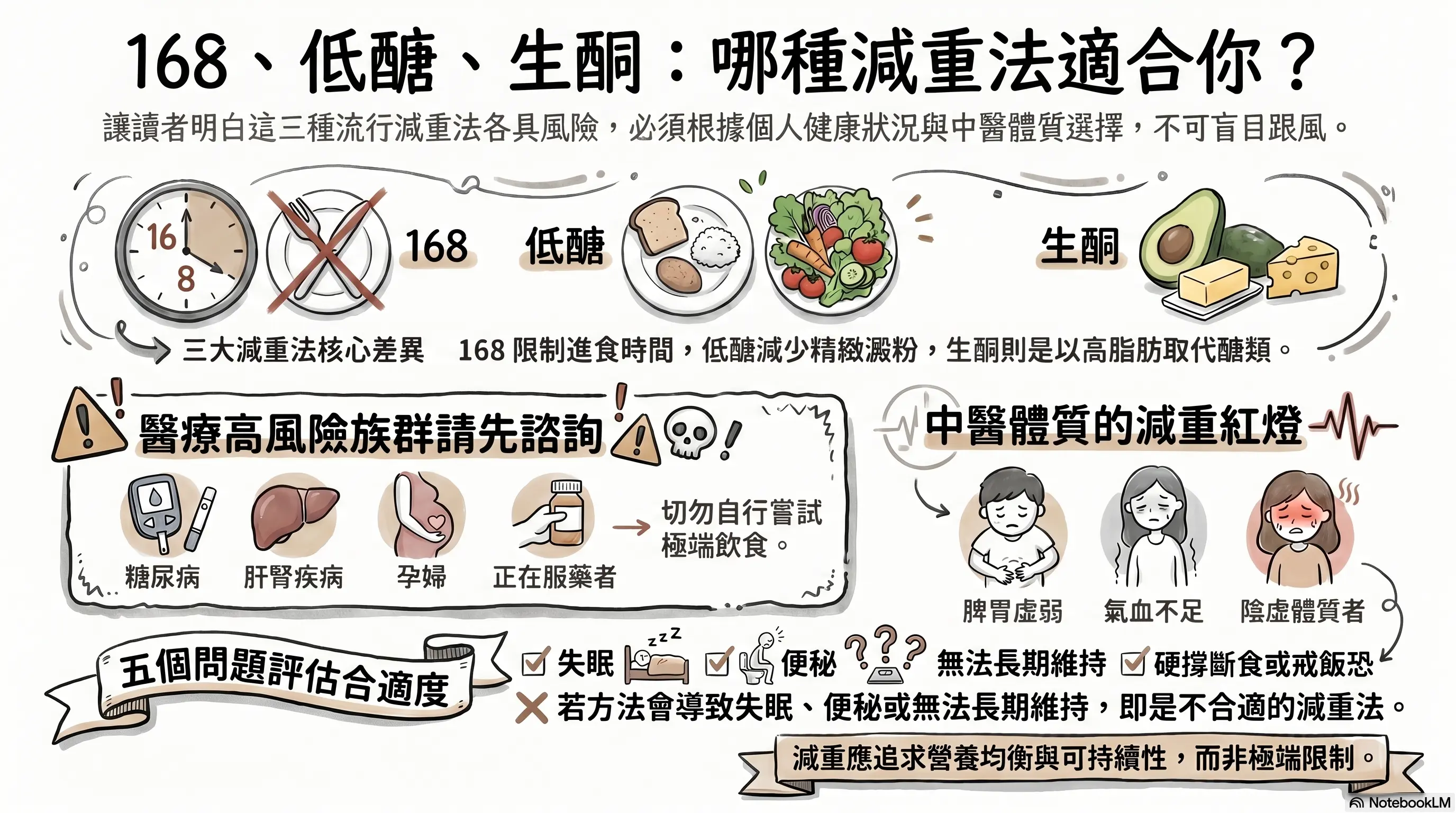 To help readers quickly grasp the content, this image was generated by NotebookLM. Some Chinese characters may not render correctly.
When considering weight loss, many people deliberate between 168 fasting, low-carb, and keto. Some find fasting the simplest; some find cutting rice the most direct route; others are drawn to keto's rapid early weight loss.
These three approaches are not interchangeable. 168 primarily restricts the eating window; low-carb primarily reduces carbohydrates; keto restricts carbohydrates much more aggressively, pushing the body to rely on ketone bodies as a major energy source. The more extreme the method, the more carefully you must consider personal medical history, medication, gastrointestinal status, sleep, and nutritional risk.
This article does not pick a "best" method for you. It clarifies the differences, explains how TCM identifies which constitutions need to be cautious, and flags situations where self-experimentation is unwise.
The Three Methods Restrict Different Things
| Method | Main Restriction | Common Practice | Possible Benefits | Common Issues |
|---|---|---|---|---|
| 168 Fasting | Eating window | 16 hours fasting, 8-hour eating window | Simple structure; some people naturally reduce total intake | Bloating, fatigue, insomnia, rebound bingeing |
| Low-Carb Diet | Carbohydrate quantity | Reduce rice, noodles, bread, sweets | Helps control refined carbs and sweets such as white bread, cake, biscuits, instant noodles | Constipation, dizziness, weakness during exercise, mood changes |
| Keto Diet | Very low carb, high fat | Strict daily carb limits with high fat ratio | Faster early weight loss for some | Nutritional imbalance, constipation, dry mouth, lipid or kidney/liver concerns |
What sustainable weight loss actually requires is a sustainable energy deficit, adequate nutrition, activity, and sleep management. Pursuing "less is better" or "lower carb is more effective" often invites rebound.
168 Fasting: Suits Regular Routines, Not Brute Force
168 fasting is more workable for those with regular routines, no significant gastric issues, and stable sleep. Its appeal is structural simplicity — no need to count every bite — and it can help curb late-night and unconscious snacking.
Caution is warranted if you experience:
- Stomach pain, acid reflux, or bloating after fasting
- Daytime dizziness, hand tremor, or palpitations
- Insomnia from hunger or restlessness at night
- Bingeing during the eating window
- Reduced menstrual flow or cycle irregularity
- Glucose-lowering medication or diabetes
From a TCM perspective, the question is whether the spleen and stomach can tolerate longer fasting periods, and whether enough nutrition is digested in the eating window. Patients with weak digestion, qi-blood deficiency, yin-deficient insomnia, or marked stress-driven appetite should not push through on willpower alone.
Low-Carb Diet: Not "No Rice"
The core of low-carb is reducing white bread, cake, biscuits, instant noodles, sugary drinks, sweets, and excessive late-night eating — not treating all staple foods as enemies. For people who eat out often, drink sweet beverages, or have unstable blood glucose, moderate low-carb can be a helpful strategy.
Going too far can produce:
- Constipation and dry mouth
- Weakness at work or during exercise
- Irritability and disrupted sleep
- Menstrual irregularity in women
- Stronger sweet cravings after meals
TCM distinguishes between stomach heat with strong appetite, phlegm-damp accumulation, and spleen deficiency with qi-blood depletion. Stomach-heat and phlegm-damp types may benefit from cutting refined carbs; but qi-blood-deficient, cold-prone, dizzy patients with light periods may worsen with overzealous restriction.
Keto Diet: The Most Restrictive — and the Most in Need of Monitoring
Keto typically reduces carbohydrates to a very low level and substantially raises fat intake. Taiwan's Health Promotion Administration has cautioned that keto diverges significantly from balanced eating and may lead to insufficient dietary fibre and certain nutrients; risks should be understood and assessed by a healthcare professional before starting.
The following groups are particularly unsuitable for self-trial:
- Diabetes or current glucose-lowering medication
- Kidney, liver, pancreatic, or gallbladder conditions
- High blood lipids or elevated cardiovascular risk
- Pregnancy, breastfeeding, or trying to conceive
- History of eating disorders, bingeing, or extreme restriction
- Long-standing constipation, bloating, dry mouth, or insomnia
From a TCM viewpoint, the typical concern with keto is the imbalance: high fat increases digestive burden, low fibre tends toward dry intestinal constipation, and prolonged low staple-food intake may impair qi-blood production. For those with yin deficiency, stomach heat, phlegm-damp, or spleen deficiency, responses vary widely — copying online meal plans is not safe.
How TCM Identifies Who Should Be Cautious
| Constitution / State | Common Features | Methods Requiring Caution |
|---|---|---|
| Weak digestion | Bloating, post-meal fatigue, soft stools, unstable appetite | 168, keto, high-fat diets |
| Qi-blood deficiency | Dizziness, palpitations, cold intolerance, light periods, fatigue | Prolonged fasting, very low calories, very low carb |
| Yin deficiency with internal heat | Dry mouth, constipation, restlessness, insomnia, night heat | Prolonged fasting, keto, spicy and oily foods |
| Phlegm-damp predominance | Heaviness, thick tongue coating, abdominal fat, phlegm, sticky stools | Restricting only timing while still consuming oily, sweet, and sugary foods within the window |
| Liver-qi stagnation, stress-driven | High stress, evening cravings, bloating, poor sleep | Any overly restrictive plan |
| Stomach heat with strong appetite | Easy hunger, dry-bitter mouth, constipation, acne | Pure fasting without dietary adjustment |
The value of TCM evaluation is not to assign a fixed label but to weigh your symptoms, tongue and pulse, history, and lifestyle — identifying which method increases burden and which adjustment is sustainable.
When Self-Trial Is Not Advised
Self-trial of 168, low-carb, or keto is not advised when:
- Diagnosed with diabetes, kidney disease, liver disease, cardiovascular disease, or high lipids
- Taking glucose-lowering medication, insulin, antihypertensives, anticoagulants, or multiple medications
- History of hypoglycaemia, fainting, palpitations, chest pain, or breathlessness
- Pregnancy, breastfeeding, trying to conceive, or chronic menstrual irregularity
- History of bingeing, purging, extreme restriction, or anxiety around eating
- Long-standing constipation, abdominal pain, black stools, blood in stool, or unexplained weight loss
Western doctors and dietitians can assess safety, monitor markers, and structure nutrition; TCM can address digestion, dampness, qi-blood, sleep, and appetite to help the chosen plan run more smoothly.
Five Questions to Ask If You Are Unsure
- Will this method worsen my sleep?
- Can I still get enough protein, fibre, and staple-food intake under the restriction?
- Do I have stomach pain, constipation, irregular periods, dizziness, or palpitations?
- Can this method fit my work and family life?
- If I reach my goal weight in three months, can I sustain it?
If most answers are no, the method is unlikely to be sustainable. Consistent, sustainable weight loss usually beats the most aggressive short-term approach.
How Aspira TCM Helps You Choose
Dr Au reviews your BMI, waist circumference, dietary record, sleep, bowel and bladder function, appetite, stress, menstrual history, exercise, and tongue and pulse, then determines whether regular three meals, gentle time-restricted eating, reducing refined carbs, or first addressing digestion, constipation, phlegm-damp, or qi-blood deficiency is most appropriate.
If you are weighing 168, low-carb, or keto but worry about bloating, insomnia, constipation, or metabolic risk, bring a 7-day diet and sleep log to your consultation. We will recommend herbs, acupuncture, ear-point therapy, nutritional adjustments, or — if needed — Western investigations first.
FAQ — 168 Fasting, Low-Carb, and Keto Questions
Q1: Which is most effective: 168, low-carb, or keto?
No method suits everyone. Effectiveness depends on total intake, food quality, protein, sleep, activity, and long-term sustainability. Any method that causes stomach pain, insomnia, bingeing, or menstrual disturbance is not appropriate for you.
Q2: Is keto the same as low-carb?
Keto is a stricter form of low-carb that restricts carbohydrates to very low levels and substantially raises fat intake. It requires more nutritional and medical monitoring than ordinary low-carb.
Q3: Will TCM tell everyone to cut all rice?
Generally not. TCM considers constitution and lifestyle. Some patients should reduce refined carbs; others must avoid extreme low-carb that triggers qi-blood deficiency, insomnia, or constipation.
Q4: Can I do 168 or low-carb if I have metabolic risk factors?
It depends on glucose, blood pressure, lipids, medications, and overall lifestyle. Patients on glucose-lowering medication or insulin should not self-fast or radically change diet without consulting their doctor first.
Q5: What should I record before starting any weight-loss method?
Track 7 days of meals, sleep, bowel movements, weight, waist, exercise, stress, and any unwanted reactions. This data helps a clinician far more than "I want to lose weight quickly."
— Dr Au Kwok Po, Arthur | Registered Chinese Medicine Practitioner (Certified Nutritionist) Reg. No.: 009884 Aspira TCM Clinic | TCM Weight Management, Nutrition, Influenza, Hair Loss
Want to Know Which Approach Suits You? Book a Consultation
If you are weighing 168, low-carb, or keto but worry about bloating, insomnia, constipation, or metabolic risk, you are welcome to book a consultation with Dr Au.
How to book:
- WhatsApp: Book here
- Phone: 2110 9337
- Address: Unit 2706, 27/F, Saxon Tower, 7 Cheung Shun Street, Lai Chi Kok
References
- Harvard Health Publishing: Time to try intermittent fasting? — https://www.health.harvard.edu/diet-and-nutrition/time-to-try-intermittent-fasting
- Taiwan Health Promotion Administration: Health risks of the keto weight-loss approach — https://www.hpa.gov.tw/EngPages/Detail.aspx?nodeid=1425&pid=8441
- NIDDK: Choosing a Safe & Successful Weight-loss Program — https://www.niddk.nih.gov/health-information/weight-management/choosing-a-safe-successful-weight-loss-program
- CDC: Steps for Losing Weight — https://www.cdc.gov/healthy-weight-growth/losing-weight/index.html
Disclaimer: This article is for health education only. It does not replace individual consultation, nutritional assessment, examination, or treatment. Patients with chronic disease, pregnancy, breastfeeding, current medications, or eating-disorder risk should consult a healthcare professional before attempting 168 fasting, low-carb, or keto. Any medication adjustment should be made under the prescribing doctor's guidance.
Disclaimer: This article is for health education and reference purposes only and does not constitute medical advice, diagnosis, or treatment. Each patient's condition is unique and treatment outcomes vary. Please consult a registered TCM practitioner or qualified healthcare professional for health concerns.
Further Reading
Hand-picked related articles and real cases to read next.
Eating Little but Not Losing Weight? TCM on Weak Digestion
Skipping breakfast, eating only salad for lunch, and cutting rice at dinner may still leave weight unchanged — or even make you more tired, swollen, and stuck. This article explains why eating less does not always lead to better fat loss, and how TCM interprets weak digestion, dampness, deficiency, and the weight-loss plateau.
Bloated and Heavy? Phlegm-Damp Obesity and Water Retention in TCM
If you do not eat excessively but often feel puffy, bloated, heavy, and tired, with weight fluctuating up and down, could “dampness” be part of the picture? This article explains the TCM view of water retention, phlegm-damp obesity, and why dampness-focused weight management is not the same as simply “draining water.”
Weight-Loss Injections vs Acupuncture: Side Effects & TCM
Many people in Hong Kong are interested in GLP-1 weight-loss injections but worried about side effects, rebound, and prescription safety. This article explains the common risks of weight-loss injections, then explores obesity patterns in TCM, how acupuncture may support weight management, and who may be more suitable for a TCM weight-loss assessment first.
TCM Embedding vs Injections vs Aesthetics vs Liposuction
With so many weight-loss options on the market, which is right for you — TCM embedding, weight-loss injections, fat-freezing, or liposuction? Dr Au compares all four mainstream approaches across mechanism, speed of results, side effects, price range, rebound rate, and suitability — helping you avoid the pitfalls of "stop the drug, gain it back" and "treat the symptom, not the root."
Want to learn more? WhatsApp us for a free consultation
Book via WhatsAppExplore our full range of treatments: Traditional TCM Services
Related Articles
Can I See a TCM Practitioner While on a GLP-1 Injection?
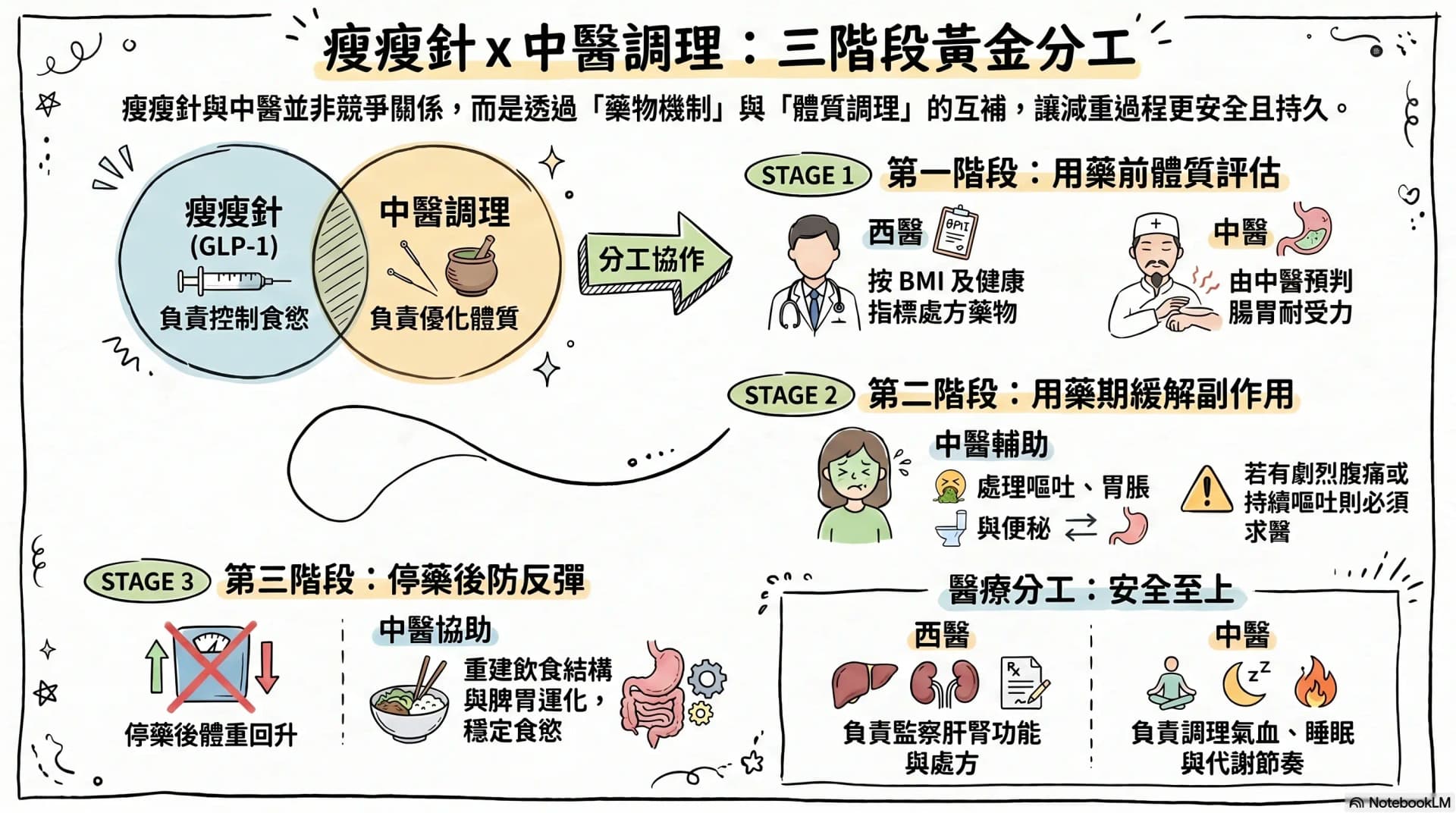
GLP-1 weight-loss injections are now a major talking point in Hong Kong. This article compares the roles of prescribed GLP-1 medication and TCM care across three phases — before treatment, during treatment and after stopping — covering medical monitoring, side-effect relief and post-discontinuation rebound, and identifying scenarios that should not be managed by TCM alone.
Eating Light but Not Losing Weight? A TCM Edema-Type Case Study
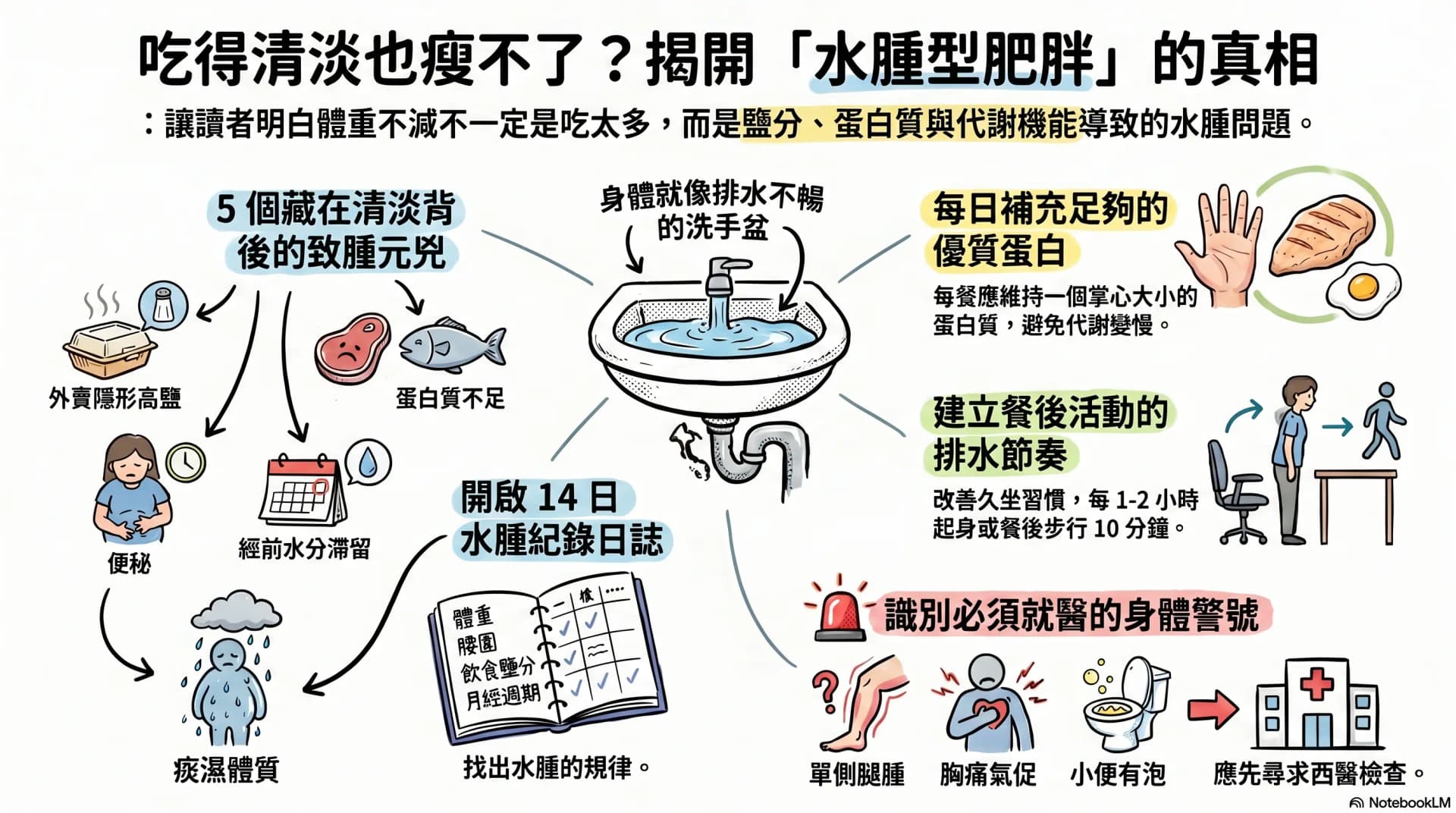
Eating light yet the scale will not budge — only the puffiness in the face, ankles and waistline persists? This case study follows Ya-lin (pseudonym), a 38-year-old office worker, through six months and explains how "eating clean but still not losing weight" often comes from a stack of small issues: salt, low protein, constipation, premenstrual fluid retention, phlegm-damp constitution, or internal disease. It also lists scenarios that warrant seeing a Western doctor first.
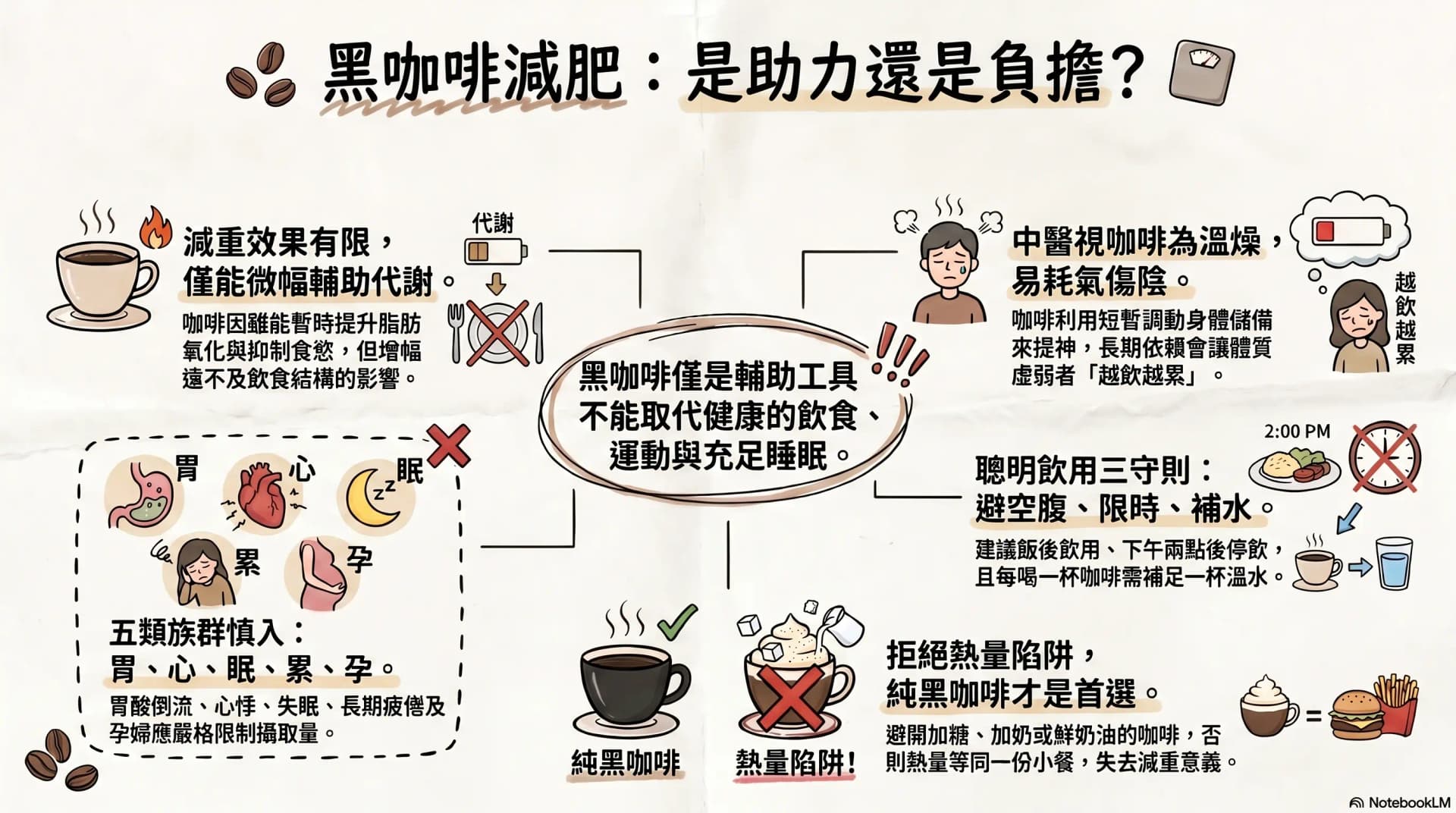
Does Black Coffee Help with Weight Loss? Timing and Side Effects
Black coffee may briefly raise metabolism and suppress appetite, but for those with acid reflux, palpitations, insomnia, chronic fatigue or premenstrual symptoms, it can do more harm than good. This article looks at the evidence and the TCM perspective, identifies five body types that should drink with care, and explains how to arrange timing and quantity sensibly.