Does PCOS Cause Weight Gain? Weight-Loss Failure May Point to PCOS / PMOS
You've tried dieting, running and cutting sugar — yet the scale won't move, or even creeps up. Combined with irregular cycles, acne or hair growth, this often points to PCOS / PMOS. This article walks through four physiological reasons (insulin resistance, hyperandrogenism, chronic inflammation, the binge–crave loop), why standard diet advice fails in PCOS, and a five-step strategy paired with combined Western–TCM care.
Medical review: Dr. To Ching, Jenny,Registered Chinese Medicine Practitioner #009330
1-Minute Quick Answer
Repeated weight-loss failure alongside irregular cycles, acne or hair growth may point to PCOS / PMOS. Insulin resistance is the core, so 'eat less, move more' often fails, and lean patients are not exempt. Ask for fasting insulin with HOMA-IR; if weight rises sharply or amenorrhoea lasts over six months, see a doctor first.
Does PCOS Cause Weight Gain? Weight-Loss Failure May Point to PCOS / PMOS
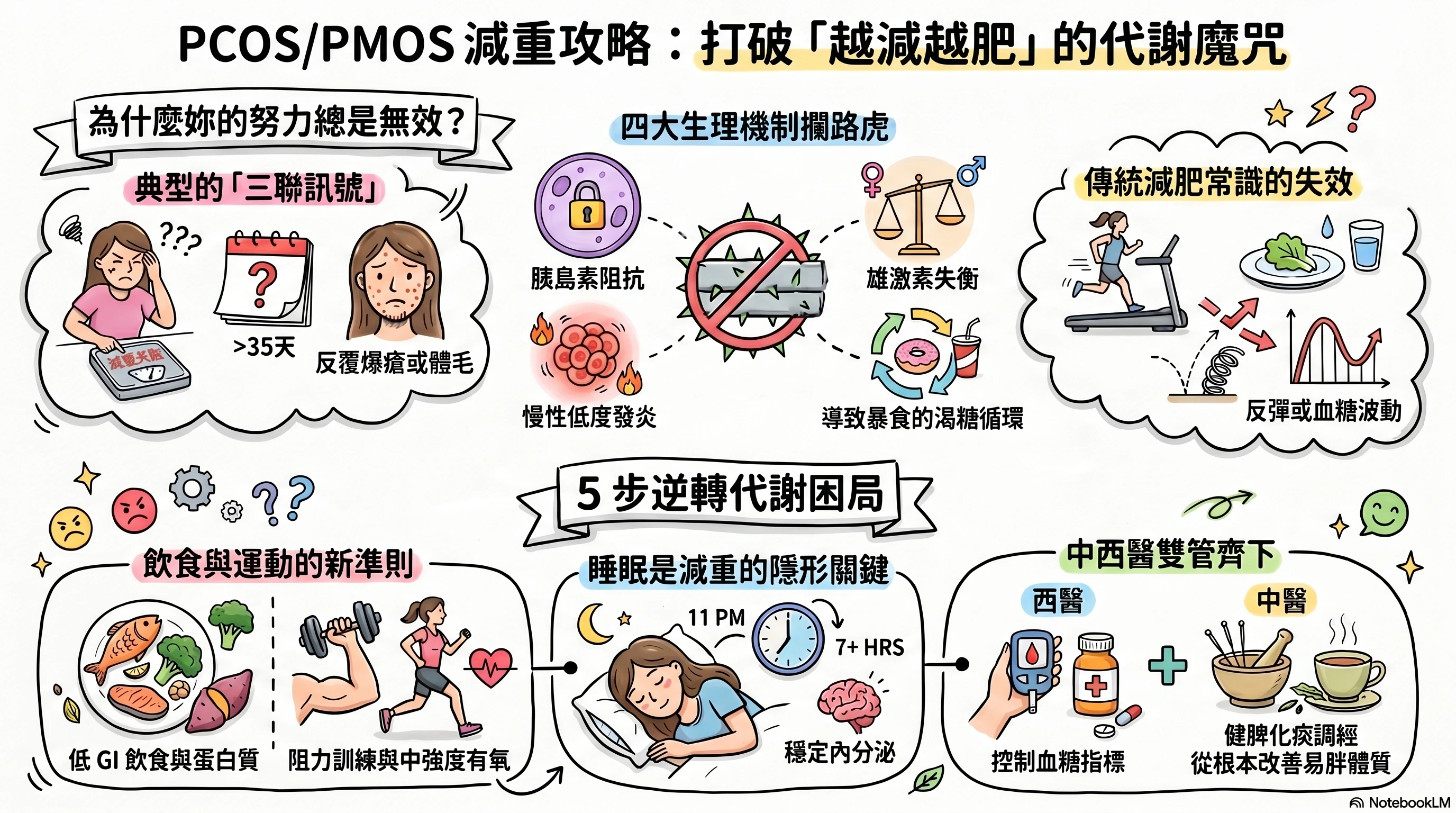 For quick reference, this image was generated by NotebookLM. Some Chinese characters may not render perfectly; we appreciate your understanding.
Medical review: Dr To Ching (CMCHK 009330 | Gynaecology, TCM aesthetics, thread-embedding weight loss, postpartum belly binding)
"I'm eating one meal a day." "I run for an hour on the treadmill." "I've cut every grain of refined carb." Yet the scale will not budge — or quietly creeps up. If friends using the same approach are slimming down while you are stuck, this is rarely a "willpower" or "effort" problem — it is often the endocrine and metabolic system working against you behind the scenes.
When persistent weight-loss difficulty is paired with irregular cycles, recurrent jawline acne, upper-lip hair or marked post-meal fatigue, the cluster is a classic signal for PCOS (renamed PMOS — Polyendocrine Metabolic Ovarian Syndrome — by the 2026 expert consensus in The Lancet). A hallmark of this condition is that it is "harder to lose weight with than for most people", and standard diet advice often fails on this physiology.
This article walks through four physiological mechanisms, why "common-sense dieting" fails in PCOS, the investigations to ask for, and a five-step strategy paired with combined Western–TCM care.
1. Weight-Loss Difficulty + Cycle Problems + Hyperandrogenism: The PCOS / PMOS Triad
Patients often describe "eating little and exercising enough, yet not losing" — not because of willpower. If two or more of the following are present, please arrange a workup for PCOS / PMOS:
| Signal | Common features |
|---|---|
| Weight-loss difficulty | Dieting, exercise, low-carb, keto, intermittent fasting all tried — limited results or rebound |
| Menstrual irregularity | Cycles longer than 35 days, fewer than 8 a year, amenorrhoea, light flow, darkened blood |
| Androgenic symptoms | Jawline acne, upper-lip / chest / midline hair, thinning at the crown |
Worth noting: "not heavy" is not a rule-out — lean PCOS accounts for around 20–30% of patients. Normal weight with menstrual irregularity and hyperandrogenic features still warrants assessment.
2. Why PCOS / PMOS Makes Weight Loss Harder: Four Mechanisms
1. Insulin resistance: a body biased toward storing fat
The core of PCOS / PMOS is insulin resistance — cells respond poorly to insulin and blood sugar cannot enter cells effectively. The pancreas compensates with more insulin (hyperinsulinaemia). High insulin tells the body to store energy as fat, with a clear preference for the abdominal cavity.
In effect, for the same calorie intake, a PCOS patient turns more of it into fat than the general population, particularly around the waist.
2. Androgen imbalance: shifts in muscle and fat distribution
Raised androgens do more than acne and hair growth — they shift body composition. Some patients show a more androgenic fat distribution (waist-centred, with thinner limbs). Androgen imbalance also interacts with sleep, mood and energy expenditure.
3. Low-grade chronic inflammation
Inflammatory markers (such as CRP) often run higher in PCOS / PMOS. This chronic low-grade inflammation disrupts insulin signalling and adipocyte function, creating a feedback loop in which losing weight is hard and rebounds come easily.
4. The binge–crave loop
PCOS / PMOS patients are prone to reactive hypoglycaemia — a sharp blood-sugar drop 1–2 hours after eating, driving an intense sugar craving; the resulting sugar load spikes insulin again and triggers the next low. The luteal phase (the week before menstruation) is particularly difficult, and many patients describe it as "the week I can't control myself".
3. Why Standard Diet Advice Often Fails in PCOS
| Standard advice | Why it underperforms in PCOS |
|---|---|
| Pure aerobic exercise (e.g. 1 hour of cardio daily) | Helps visceral fat but is not enough on its own — without resistance training, insulin resistance does not improve; excess cardio raises stress hormones |
| Very low calorie diets (< 1200 kcal) | Short-term loss but metabolic rate falls, muscle is lost, rebound is faster; in PCOS, it also triggers binging |
| Cutting fats | Healthy fats (fish oil, olive oil, nuts) actually lower inflammation and support hormones; cutting refined sugar matters more than cutting fat |
| Watching only the scale | PCOS patients often see "weight static, waist and body-fat down" — track waist, body composition and cycle changes too |
| Pure prolonged fasting (OMAD, 72-hour fasts) | Big blood-sugar swings worsen reactive hypoglycaemia in this physiology |
Key principle: PCOS / PMOS weight loss is not "eat less, move more" — it is first addressing insulin resistance, balancing hormones and reducing chronic inflammation, then allowing weight loss to follow.
4. Investigations to Ask For
If you have persistent weight-loss difficulty plus menstrual irregularity or hyperandrogenism, please request:
- Reproductive hormones (FSH, LH, E2, PRL, testosterone, progesterone)
- AMH
- Fasting insulin plus HOMA-IR (the key marker for insulin resistance)
- Fasting glucose plus HbA1c
- Thyroid function (rule out hypothyroidism-driven slow metabolism)
- Cortisol (if Cushing's is suspected)
- Liver and kidney function, lipid panel
- Pelvic ultrasound
Confirming PCOS / PMOS changes the weight-loss strategy substantially.
5. A Five-Step Strategy for PCOS / PMOS
Step 1: Low-GI eating, protein and fibre first
Goal: stabilise blood sugar and reduce insulin swings.
- Avoid refined carbohydrates (white rice, white bread, sugary drinks, sweets)
- Switch to brown rice, oats, whole grains; one palm of protein per meal (chicken, fish, egg, tofu)
- One serving of vegetables per meal (200 g or more)
- Do not cut fats — appropriate fats (olive oil, fish oil, nuts) support hormone synthesis
- Avoid fasted fruit juice or sugared coffee
Step 2: Resistance training alongside moderate cardio
- Resistance training 2–3 times a week (muscle is the body's best blood-sugar furnace; gaining muscle markedly improves insulin sensitivity)
- Moderate aerobic activity 150 minutes a week (walking, cycling, swimming)
- Avoid more than 60 minutes of intense cardio daily (raises cortisol and works against the goal)
Step 3: Sleep first (before 11 pm, seven or more hours)
- Sleep loss worsens insulin resistance, cortisol and androgen balance
- Its weight-loss impact can outweigh diet
- A steady schedule beats catch-up sleep
Step 4: Herbs to resolve phlegm-damp, support the spleen and regulate the cycle
- Resolve phlegm-damp: addresses the core PCOS / PMOS mechanism
- Tonify the kidney and move blood: build the reproductive-endocrine baseline and reopen channels obstructed by phlegm-stasis
- Cycle-based therapy: different formulas in different phases, rebuilding ovulatory rhythm
- Acupuncture: Guanyuan, Qihai, Sanyinjiao, Zusanli, Fenglong, Taichong
Step 5: Western adjuncts when needed
- Metformin — improves insulin resistance; helps weight in some PCOS patients
- GLP-1 medications (e.g. semaglutide, liraglutide) — recent evidence in PCOS weight management
- Inositol — improves insulin sensitivity, well-tolerated
- The contraceptive pill — does not directly aid weight loss but regulates the cycle and androgens
Medication is initiated by a gynaecologist or endocrinologist. TCM does not recommend self-prescribed weight-loss medication.
6. Combined Western–TCM Care
| Situation | Coordination |
|---|---|
| Confirmed PCOS / PMOS + weight goal | Western: nutrition counselling, metformin when indicated; TCM: resolve phlegm-damp, regulate the cycle, improve constitution |
| On metformin with GI side effects | TCM supports the spleen-stomach to ease the side effects |
| Amenorrhoea over three months | Cyclical progestin (Western) plus cycle-based TCM therapy |
| Severe binge–crave cycle | Western assessment to rule out binge eating disorder, TCM liver and spleen work, dietary restructuring |
| Fertility goals | Cycle-based TCM with Western ovulation monitoring; 5–10% weight loss is often enough to improve ovulation |
Any decision to start, stop or change medication rests with the prescribing doctor.
7. Warning Signs Requiring Western Evaluation First
- Marked weight gain in a short period (+ 5 kg in 3 months) — rule out hypothyroidism, Cushing's, androgen-secreting tumour
- Severe hirsutism, voice deepening, noticeable muscle gain
- Amenorrhoea over 6 months (not pregnant, not breastfeeding)
- Severe binging or restriction, major body-image distress
- Palpitations, insomnia or marked mood swings after any weight-loss medication or supplement
8. How Aspira TCM Clinic Assesses Weight-Loss Difficulty with Suspected PCOS / PMOS
Before the first visit, please bring:
- Weight, waist and body-composition records over the past year
- A menstrual log over the past year
- Gynaecological or endocrine reports (including fasting insulin + HOMA-IR)
- A current medication and supplement list
- Past weight-loss attempts (method, duration, results, rebound)
- An outline of diet, exercise and sleep habits
Dr To designs the programme around pattern, cycle phase and metabolic markers, and:
- Keeps the gynaecologist or endocrinologist informed
- Does not promote "slimming teas" or guaranteed kilogram losses
- Provides concrete recommendations for low-GI eating, resistance training and sleep alongside
Frequently Asked Questions
Q1: Do "slimming teas" or "slimming acupuncture" work?
For PCOS / PMOS, a tea or a few needles in isolation have limited effect. The core problem is insulin resistance and hormonal imbalance — without addressing the root, any short-term loss usually rebounds. The real TCM role in PCOS weight management is constitutional care plus cycle-based therapy, paired with dietary and exercise change — that is what is sustainable. Be cautious of products promising "drink and slim" results.
Q2: Is thread-embedding suitable for PCOS patients?
It can play a supportive role but is not first-line for PCOS / PMOS. The condition's core is endocrine and metabolic; embedding mainly supports local fat metabolism and point stimulation, and does not directly improve insulin resistance. It can be a component of a programme after assessment by a TCM doctor, but not a standalone solution.
Q3: How much weight loss is enough to improve the menstrual cycle?
Evidence shows a 5–10% reduction is often enough to noticeably improve ovulation and cycles in higher-BMI patients. For someone at 70 kg, that's 3.5–7 kg — meaningful and achievable. The goal is improved ovulation and metabolism, not a "skinny" body composition.
Q4: I'm on metformin but still not losing — what now?
Possible reasons: (1) dose not yet at effective range; (2) diet not aligned (still high refined carbs); (3) no resistance training; (4) chronic short sleep; (5) major chronic stress. A repeat review with the endocrinologist on dose, plus TCM work and behavioural support, is the right next step. Metformin without lifestyle change has limited effect.
Q5: I can't control binging in the week before my period — is that PCOS?
Not always, but PCOS / PMOS patients do experience worse luteal-phase binging. Reasons include unstable luteal blood sugar, progesterone effects on mood, and ongoing androgen imbalance. Approach: (1) deliberately add protein and healthy fat through the luteal phase; (2) TCM liver-soothing and spleen-strengthening; (3) psychological support when needed.
Stuck and Wondering If PCOS / PMOS Is the Reason? Book a Consultation
If you have persistent weight-loss difficulty alongside menstrual irregularity, acne, hair growth or marked post-meal fatigue, please bring your gynaecological reports (including fasting insulin + HOMA-IR), weight and waist history, menstrual log and past weight-loss attempts before booking a consultation with Dr To. Any decision about weight-loss or prescription medication should first be discussed with the prescribing doctor.
How to book:
- WhatsApp: Book here
- Phone: 2110 9337
- Address: Unit 2706, 27/F, Saxon Tower, 7 Cheung Shun Street, Lai Chi Kok
Disclaimer: This article is for general health education only and does not replace individual diagnosis, examination, medication or treatment advice. PCOS / PMOS is a long-term endocrine and metabolic condition; treatment plans must be individualised and built jointly by a gynaecologist or endocrinologist and a registered TCM practitioner. Any change to oral contraceptives, metformin, GLP-1 medications or weight-loss medications must first be discussed with the prescribing doctor.
References
- The Lancet (2026) — Expert consensus on renaming PCOS to PMOS (Polyendocrine Metabolic Ovarian Syndrome). https://www.thelancet.com/journals/lancet/article/PIIS0140-6736(26)00717-8/fulltext
Disclaimer: This article is for health education and reference purposes only and does not constitute medical advice, diagnosis, or treatment. Each patient's condition is unique and treatment outcomes vary. Please consult a registered TCM practitioner or qualified healthcare professional for health concerns.
Further Reading
Hand-picked related articles and real cases to read next.
PCOS Renamed PMOS — Symptom Self-Check and Combined Western–TCM Care
PCOS has been renamed PMOS (Polyendocrine Metabolic Ovarian Syndrome) to emphasise that it is not only a gynaecological condition but a metabolic one. This article walks through how PMOS develops (Western and TCM views), a three-category nine-point symptom self-check, the combined Western–TCM treatment plan, and practical low-GI diet and resistance-training steps every patient can start at home.
Slim Women Get PCOS / PMOS Too — Recognising and Managing PCOS in Lean Patients
A normal BMI does not rule out PCOS / PMOS. Lean PCOS accounts for around 20–30% of patients — insulin resistance, hyperandrogenism and irregular cycles are all still in play, but the diagnosis is routinely missed because the patient is not overweight. This article walks through the comparison with the classic phenotype, five recognition signals, the necessary investigations, three common TCM pattern directions and why the lean phenotype is managed differently.
Weight Unchanged but the Belly Keeps Growing? A TCM Turnaround Plan for Central Obesity in Office Workers
Weight has risen only 2 kg in six months, but the waist is 8 cm wider; the health-check report flags "elevated visceral fat" in red. This is a common frustration for women in their 30s working office jobs. This case study follows the typical consultation profile of "Ms Chan" (pseudonym) — explaining the TCM evaluation of sedentary central obesity, the spleen-damp-with-liver-stagnation pattern, the three-month phased plan, when to see a Western doctor first, and three things readers can start doing today.
Want to learn more? WhatsApp us for a free consultation
Book via WhatsAppExplore our full range of treatments: Traditional TCM Services
Related Articles
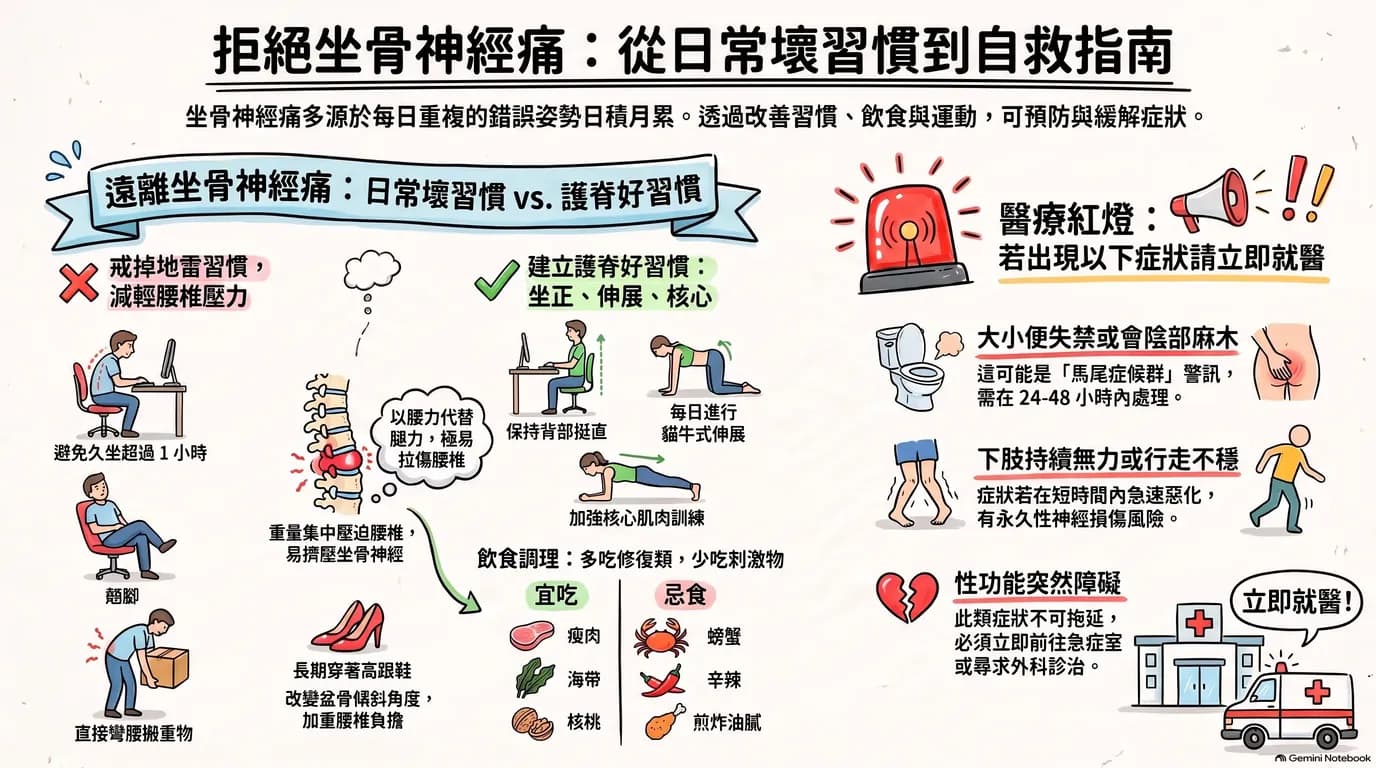
Sciatica Prevention: Bad Habits, Diet and Daily Care Tips
Sciatica isn't only about treatment — your daily habits and diet play a big role too. In this article, Dr Wong explains which everyday habits increase your risk of sciatica, which foods may help ease it, and simple daily habits that reduce the chance of it coming back.
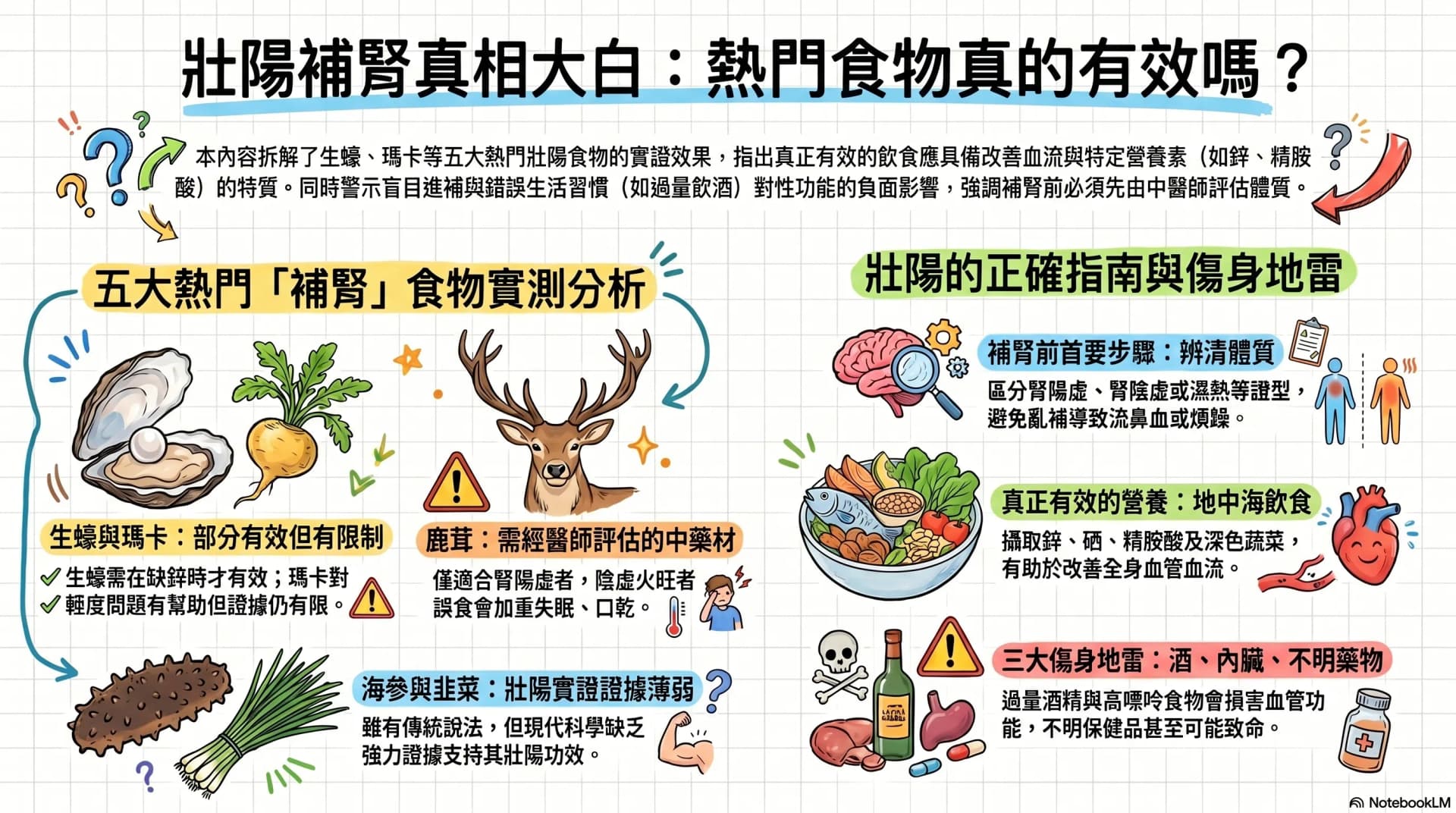
Do Oysters, Maca and Deer Antler Boost Male Vitality? 5 Myths
Do aphrodisiac foods actually work? This article opens with a rating table (effective / partly effective / effective within a TCM framework / weak evidence / no strong evidence), reviews the Chinese and Western medical evidence behind oysters, maca, deer antler, sea cucumber and Chinese chives, distils the 3 shared traits of foods that genuinely support male sexual function, and flags 3 commonly eaten items that can actually harm performance.
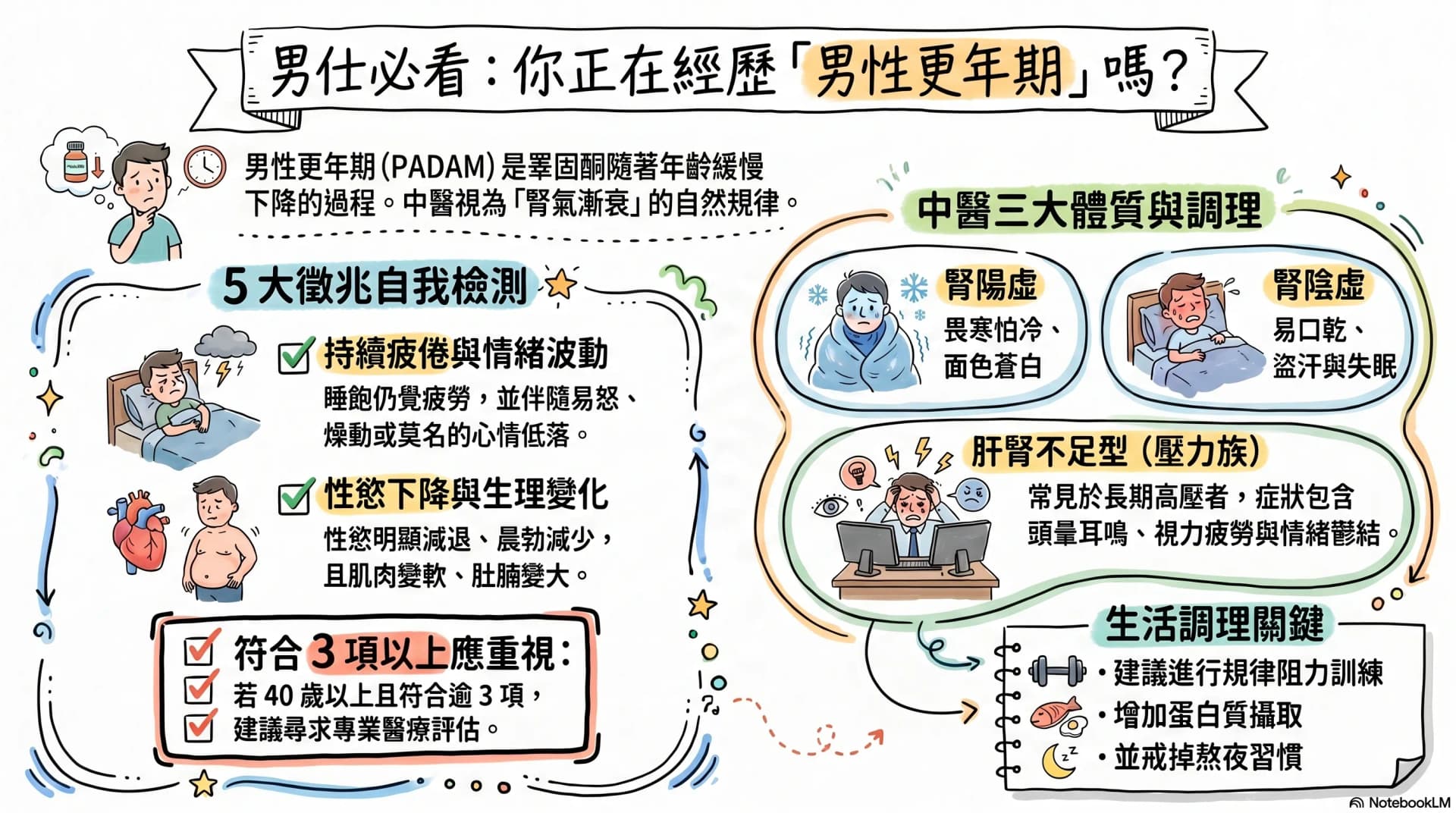
Male Menopause Through the TCM Lens: 5 Signs in Men Over 40
Unexplained fatigue, irritability, lower libido, poorer sleep and a growing belly after 40 are not just ageing or work stress — they may be male menopause. This article begins with a five-sign self-check, sets out three TCM patterns (kidney-yang deficiency, kidney-yin deficiency, liver-and-kidney insufficiency) with matching improvements, and compares the two treatment routes — testosterone replacement therapy versus TCM constitutional care.