Polycystic Ovary Syndrome (PCOS): Causes and TCM Care for Menstrual Irregularity, Hair Growth, Acne and Infertility
PCOS is not simply "irregular periods" — it is a long-term condition spanning the endocrine, metabolic and reproductive axes. This article covers common symptoms, four TCM pattern directions (kidney deficiency, phlegm-damp, liver stagnation, qi-blood stagnation), TCM care (cycle-based therapy, acupuncture, weight and insulin resistance management), how to coordinate with Western treatment, and the investigations and warning signs to know.
Medical review: Dr. Chan Wing Kiu, Joanne,Registered Chinese Medicine Practitioner #009463
1-Minute Quick Answer
PCOS is not simply irregular periods but a long-term condition spanning the endocrine, metabolic and reproductive axes, linked to diabetes, cardiovascular risk and infertility. TCM works by pattern, using cycle-based therapy and acupuncture alongside Western care. Amenorrhoea over three months, abnormal bleeding or a year of failed conception needs a gynaecological or endocrine workup first.
Polycystic Ovary Syndrome (PCOS): Causes and TCM Care for Menstrual Irregularity, Hair Growth, Acne and Infertility
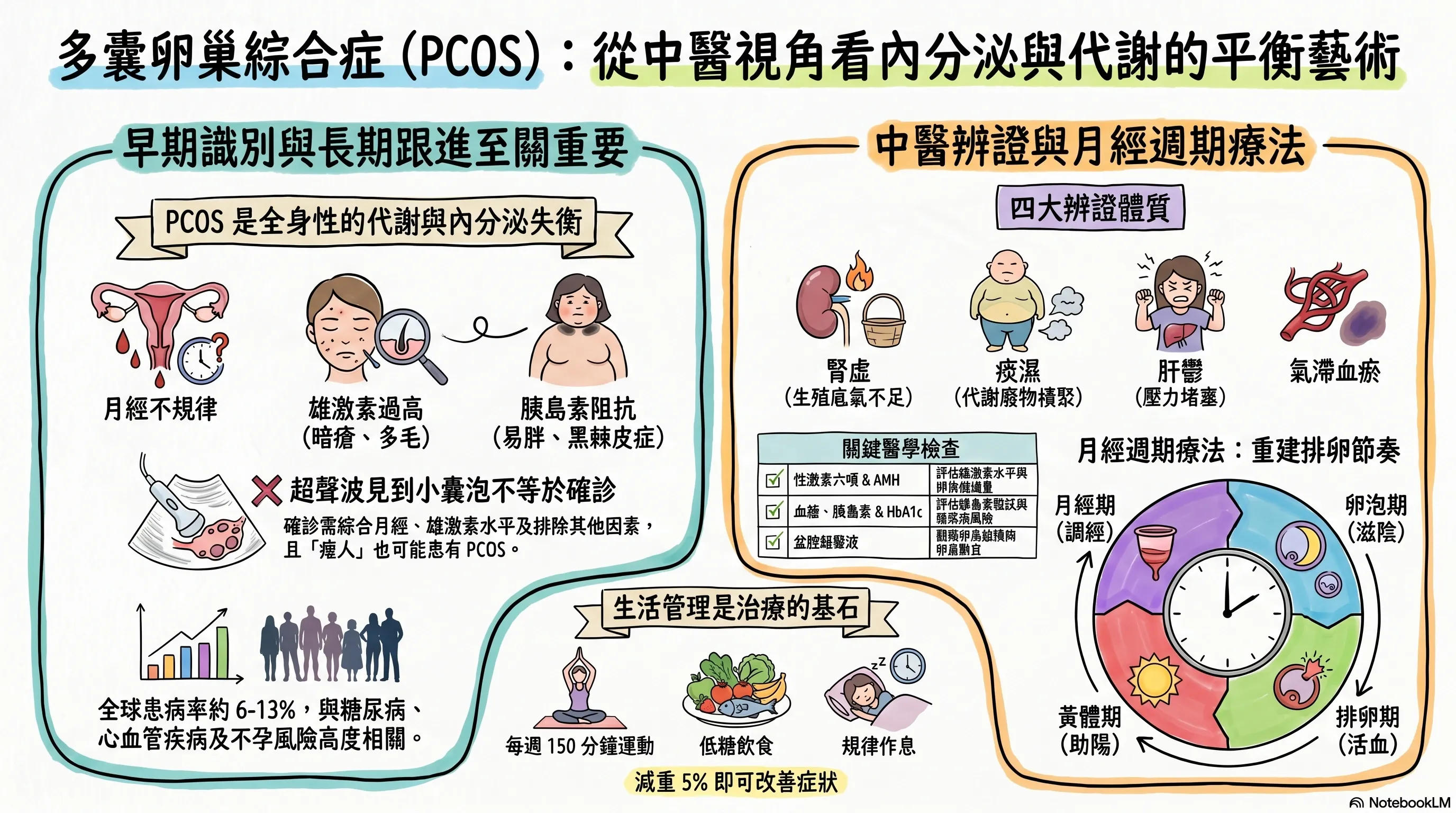 For quick reference, this image was generated by NotebookLM. Some Chinese characters may not render perfectly; we appreciate your understanding.
Medical review: Dr Chan (CMCHK 009463 | Internal and external medicine, gynaecology, emotional wellbeing, elderly care)
Polycystic Ovary Syndrome (PCOS) is one of the most common endocrine conditions in women of reproductive age, with a global prevalence of around 6 to 13%. Many women first encounter the term after a blood test or an ultrasound that finds "multiple small cysts" on the ovary — but PCOS is not simply "irregular periods". It is a long-term imbalance running through the endocrine, metabolic and reproductive axes, and its impact can stretch from adolescence to menopause. It is associated with long-term insulin resistance, type 2 diabetes, cardiovascular risk, endometrial hyperplasia and infertility, so early recognition and long-term follow-up matter.
This article walks through the common symptoms of PCOS, four TCM pattern directions, TCM care, and how the two systems work together safely.
1. Common Symptoms of PCOS
PCOS does not present in one uniform way — some women only discover it when trying for a baby, while others have multiple symptoms from adolescence. The most common features cluster as follows:
| Domain | Common features |
|---|---|
| Menstruation | Cycles longer than 35 days, fewer than 8 periods a year, scanty flow, amenorrhoea, irregular bleeding |
| Ovulation | Irregular or absent ovulation; fertility difficulties |
| Androgenic | Increased hair on the upper lip, chin, chest, abdomen and inner thighs; severe acne (especially along the jawline and chin); oily skin; thinning at the crown (male-pattern hair loss) |
| Metabolic | Easy weight gain (especially around the waist), difficulty losing weight; raised fasting glucose; pigmented patches on the neck and underarms (acanthosis nigricans); marked post-lunch fatigue |
| Reproductive | Infertility, higher miscarriage risk, higher risk of gestational diabetes |
| Psychological | Mood swings, anxiety, depression; obstructive sleep apnoea in some patients |
Worth noting:
- Multiple small follicles on ultrasound alone is not PCOS — many women simply have several follicles developing around ovulation without meeting the other criteria.
- "Lean PCOS" does exist — around 20–30% of patients have a BMI within the normal range while menstrual and androgenic issues remain prominent.
- Diagnosis is made by a gynaecologist using the full picture (cycle, androgens, ultrasound), and after ruling out thyroid disease, raised prolactin and congenital adrenal hyperplasia.
2. The TCM View: Four Pattern Directions
TCM does not treat PCOS as a single disease entity; it reads the body as a pattern. Among PCOS patients, four directions are most commonly seen:
| Pattern | Common features | Direction of care |
|---|---|---|
| Kidney deficiency (yin- or yang-leaning) | Light periods or amenorrhoea, late menarche, lower-back ache, fatigue, frequent night urination (yang); hot flushes, dry mouth, insomnia (yin) | Tonify the kidney, adjusted to yin or yang |
| Phlegm-damp | Fuller body shape, prominent abdomen, increased discharge, thick greasy tongue coating, fatigue, sticky mouth | Resolve phlegm-damp, support the spleen |
| Liver-qi stagnation | Premenstrual mood swings, binges, breast tenderness, difficulty sleeping, jawline acne | Soothe the liver, regulate qi |
| Qi-blood stagnation | Dark menstrual blood with clots, premenstrual stabbing lower-abdominal pain, dusky tongue edges | Move blood, regulate qi |
In practice, multiple patterns often overlap (for example, "kidney deficiency with phlegm-damp" or "liver stagnation generating heat with blood stasis"). The actual prescription is decided by a registered TCM practitioner using tongue and pulse, menstrual history and recent investigations.
In simpler language: "kidney deficiency" describes a reproductive and endocrine baseline that is running low; "phlegm-damp" describes built-up metabolic by-products and fluid; "liver stagnation" describes qi and mood both stuck under pressure; "qi-blood stagnation" describes both flow systems running rough.
3. TCM Care: Cycle-Based Therapy Plus Constitutional Support
The core of TCM PCOS care is not a single "ovary tonic" but menstrual-cycle therapy: different formulas at different phases of the cycle (post-menstrual, ovulatory, premenstrual and menstrual), built on a constitutional base, gradually rebuilding the ovulatory rhythm.
| Phase | TCM direction |
|---|---|
| Post-menstrual (follicular) | Nourish kidney-yin and blood — support follicle development |
| Ovulatory | Tonify kidney and move blood — support ovulation |
| Premenstrual (luteal) | Warm kidney-yang and soothe liver — support luteal function |
| Menstrual | Move blood and regulate the period — help endometrial shedding |
Acupuncture is often included, using points such as Guanyuan, Qihai, Sanyinjiao, Zigong, Taichong and Zusanli.
Weight and insulin resistance management. For PCOS, 5–10% weight reduction, better sleep and improved insulin sensitivity often deliver effects on par with any single medication or formula. Common recommendations:
- Reduce refined carbohydrates and sugar; add protein and fibre
- At least 150 minutes of moderate aerobic activity a week, plus resistance training
- Sleep before 11 pm, with a steady schedule
- Weight management — no need for rapid loss; a steady 5% reduction is meaningful
4. How Western and TCM Care Coordinate
| Situation | Coordination |
|---|---|
| Already on COCP | TCM works on constitution, acne and hair concerns in parallel; the periods before and after stopping the pill are an important TCM window |
| Planning natural conception | TCM cycle-based therapy alongside ovulation tracking and induction medications |
| In IVF or IUI | TCM role: nourishing yin and blood before retrieval; supporting qi and blood around transfer; reducing medication side effects |
| On metformin for insulin resistance | TCM helps with gastrointestinal side effects and supports metabolism through spleen-strengthening |
Any decision to stop or switch medication should be made by the prescribing gynaecologist or endocrinologist — TCM does not advise stopping Western medication on the patient's own.
5. Investigations to Get Done
A reasonable workup before or during treatment includes:
- Reproductive hormones (FSH, LH, E2, PRL, testosterone, progesterone) — to assess androgen status and the hypothalamic-pituitary axis
- AMH (anti-Müllerian hormone) — a marker of ovarian follicular reserve
- Fasting glucose, fasting insulin, HbA1c — to evaluate insulin resistance and diabetes risk
- Lipid panel, liver and kidney function — cardiovascular and pre-medication baseline
- Thyroid function (TSH, T3, T4) — to exclude thyroid causes of similar symptoms
- Pelvic ultrasound — to assess ovarian architecture and follicle count
6. Warning Signs
The following warrant prompt gynaecological or endocrine evaluation:
- Rapid weight gain, severe hirsutism, deepening voice or noticeable muscle mass change — to rule out other endocrine conditions (such as androgen-secreting tumours or Cushing's syndrome)
- Amenorrhoea over three months (non-pregnant)
- Abnormal uterine bleeding; prolonged heavy periods
- Severe persistent acne with pigmentation or scarring
- Trying to conceive for over 12 months without success (or 6 months if over 35)
7. How Aspira TCM Clinic Assesses
Before the first visit, please bring:
- A menstrual cycle log over the past year (dates, flow, symptoms)
- Recent gynaecological reports (ultrasound, hormones, AMH)
- Weight and waist changes over time
- A current medication and supplement list (including COCP and metformin)
- Any pregnancy plans
Dr Chan designs the programme — herbal medicine, acupuncture and lifestyle work — based on pattern, cycle phase and fertility goals, and discusses how it dovetails with the patient's Western treatment.
— Dr Chan Wing Kiu | Registered Chinese Medicine Practitioner (Internal and External Medicine, Gynaecology, Emotional Wellbeing, Elderly Care) Reg. No.: 009463 Aspira TCM Clinic
Frequently Asked Questions
Q1: Can Chinese herbs be taken alongside the contraceptive pill?
Yes — the TCM practitioner needs to know which pill and dose. The herbal direction is then chosen so it does not work against the hormonal therapy and supports constitution and side effects. Any decision to stop the pill rests with the gynaecologist.
Q2: What about "lean PCOS"?
Not all PCOS patients carry extra weight. Lean PCOS often shows a kidney-yin-deficient or liver-stagnation pattern, with insulin resistance still possible but less obvious. The priorities are restoring ovulation, cycle regularity and androgen control; dietary work focuses on blood-sugar stability rather than weight loss alone, while TCM emphasises tonifying the kidney, soothing the liver and moving blood.
Q3: How long should PCOS be managed before trying to conceive?
A common starting point is three to six months of preparation, with the goals of a stable cycle (28 to 35 days) and broadly regular ovulation. Weight (a 5–10% reduction if BMI is high) is usually addressed in parallel. The exact timeline is best agreed between the gynaecologist and the TCM practitioner.
Q4: I've been on the pill for years with regular periods; after stopping, the cycle is irregular again. Has the PCOS been "cured"?
No. The pill creates an externally driven cycle; the underlying ovulatory rhythm has not necessarily improved. This is why PCOS patients often see irregularity return after stopping the pill. If fertility is a goal, starting TCM care three to six months before stopping the pill can ease the transition back to the body's own cycle.
Q5: What long-term risks does PCOS carry?
Higher risks of type 2 diabetes, metabolic syndrome, cardiovascular disease, endometrial hyperplasia and endometrial cancer, obstructive sleep apnoea, depression and anxiety, infertility and gestational diabetes. PCOS warrants long-term follow-up — not just attention during fertility planning.
Diagnosed with PCOS and Looking for TCM Support? Book a Consultation
If you have a PCOS diagnosis or are dealing with related symptoms (irregular periods, hirsutism, acne, infertility), please bring your gynaecological reports, menstrual log and current medication list before booking a consultation with Dr Chan. Any medication change should first be discussed with your gynaecologist.
How to book:
- WhatsApp: Book here
- Phone: 2110 9337
- Address: Unit 2706, 27/F, Saxon Tower, 7 Cheung Shun Street, Lai Chi Kok
Disclaimer: This article is for general health education only and does not replace individual diagnosis, examination, medication or treatment advice. PCOS is a long-term endocrine condition; treatment plans must be individualised and built jointly between a gynaecologist or endocrinologist and a registered TCM practitioner. Any change to oral contraceptives, metformin or ovulation-induction medications should first be discussed with the prescribing doctor.
Disclaimer: This article is for health education and reference purposes only and does not constitute medical advice, diagnosis, or treatment. Each patient's condition is unique and treatment outcomes vary. Please consult a registered TCM practitioner or qualified healthcare professional for health concerns.
Further Reading
Hand-picked related articles and real cases to read next.
A Self-Check Guide to 4 Types of Menstrual Pain and Relief Tips
Menstrual pain is not something you simply have to endure. This guide explains the difference between primary and secondary dysmenorrhea, outlines four common TCM patterns, highlights five warning signs that need medical review, and offers practical relief strategies for everyday care.
How TCM Reads Vaginal Discharge — Fishy, Yellow-Green, Bloody and Heavy
Persistent changes in vaginal discharge are health signals worth attending to. This article uses four dimensions — colour, smell, texture and volume — to help you tell normal from abnormal, outlines six common abnormal presentations, four TCM pattern directions, and how TCM works on the root constitution to reduce recurrence rather than only relieving itch or treating an infection.
TCM vs Western Medicine: 6 Common Conditions Compared
Is TCM or Western medicine better? The honest answer: it depends on your condition and needs. This article fairly compares both approaches across six common conditions — cough, eczema, pain, insomnia, digestive issues, and menstrual irregularities — to help you make the right choice.
Want to learn more? WhatsApp us for a free consultation
Book via WhatsAppExplore our full range of treatments: Traditional TCM Services
Related Articles
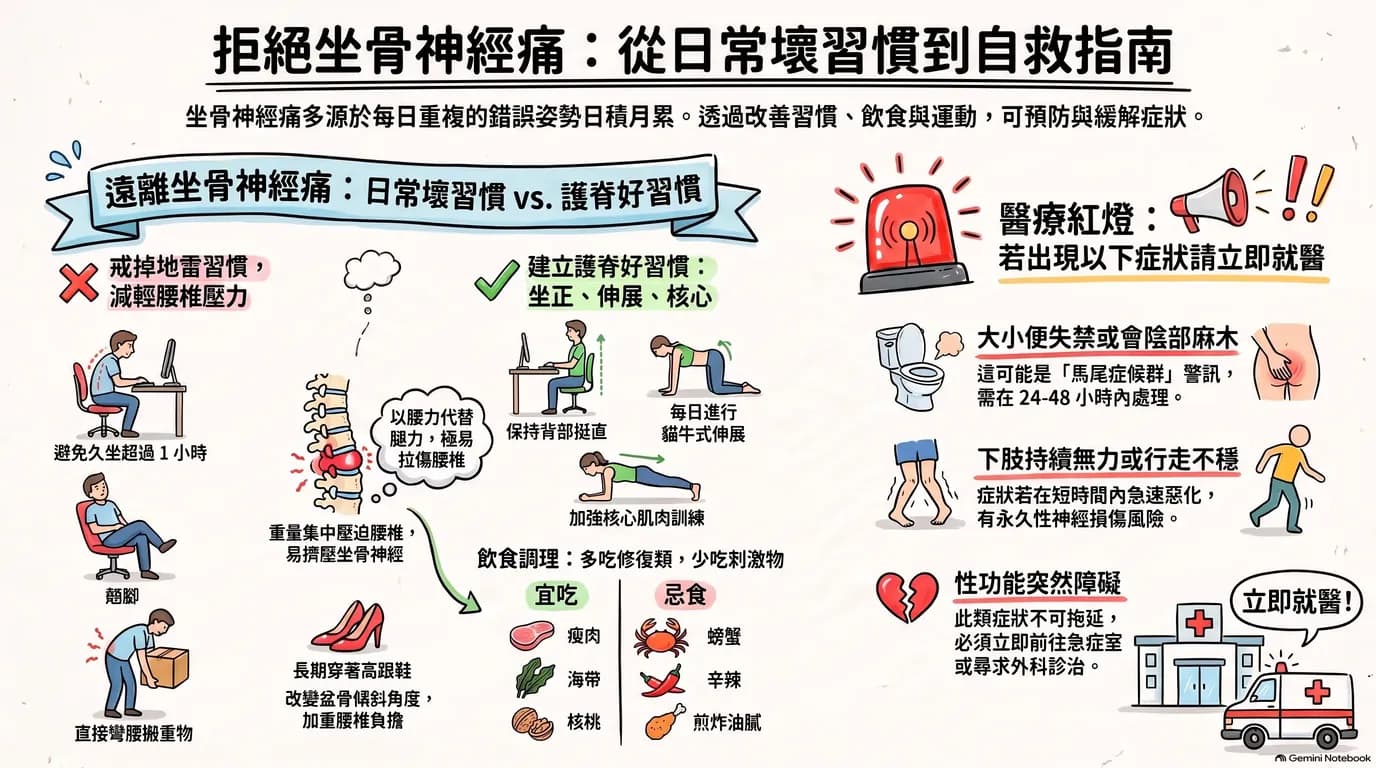
Sciatica Prevention: Bad Habits, Diet and Daily Care Tips
Sciatica isn't only about treatment — your daily habits and diet play a big role too. In this article, Dr Wong explains which everyday habits increase your risk of sciatica, which foods may help ease it, and simple daily habits that reduce the chance of it coming back.
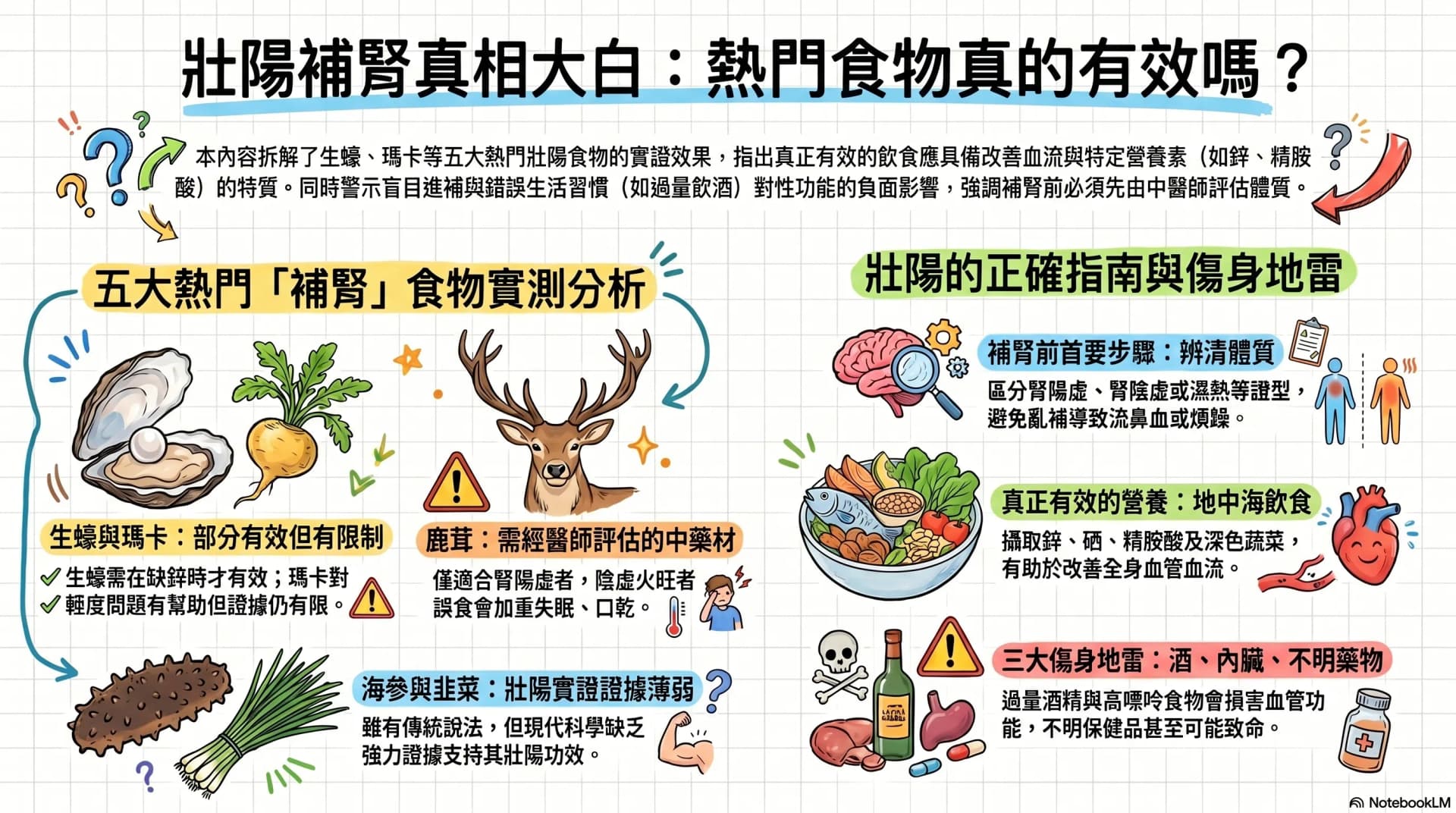
Do Oysters, Maca and Deer Antler Boost Male Vitality? 5 Myths
Do aphrodisiac foods actually work? This article opens with a rating table (effective / partly effective / effective within a TCM framework / weak evidence / no strong evidence), reviews the Chinese and Western medical evidence behind oysters, maca, deer antler, sea cucumber and Chinese chives, distils the 3 shared traits of foods that genuinely support male sexual function, and flags 3 commonly eaten items that can actually harm performance.
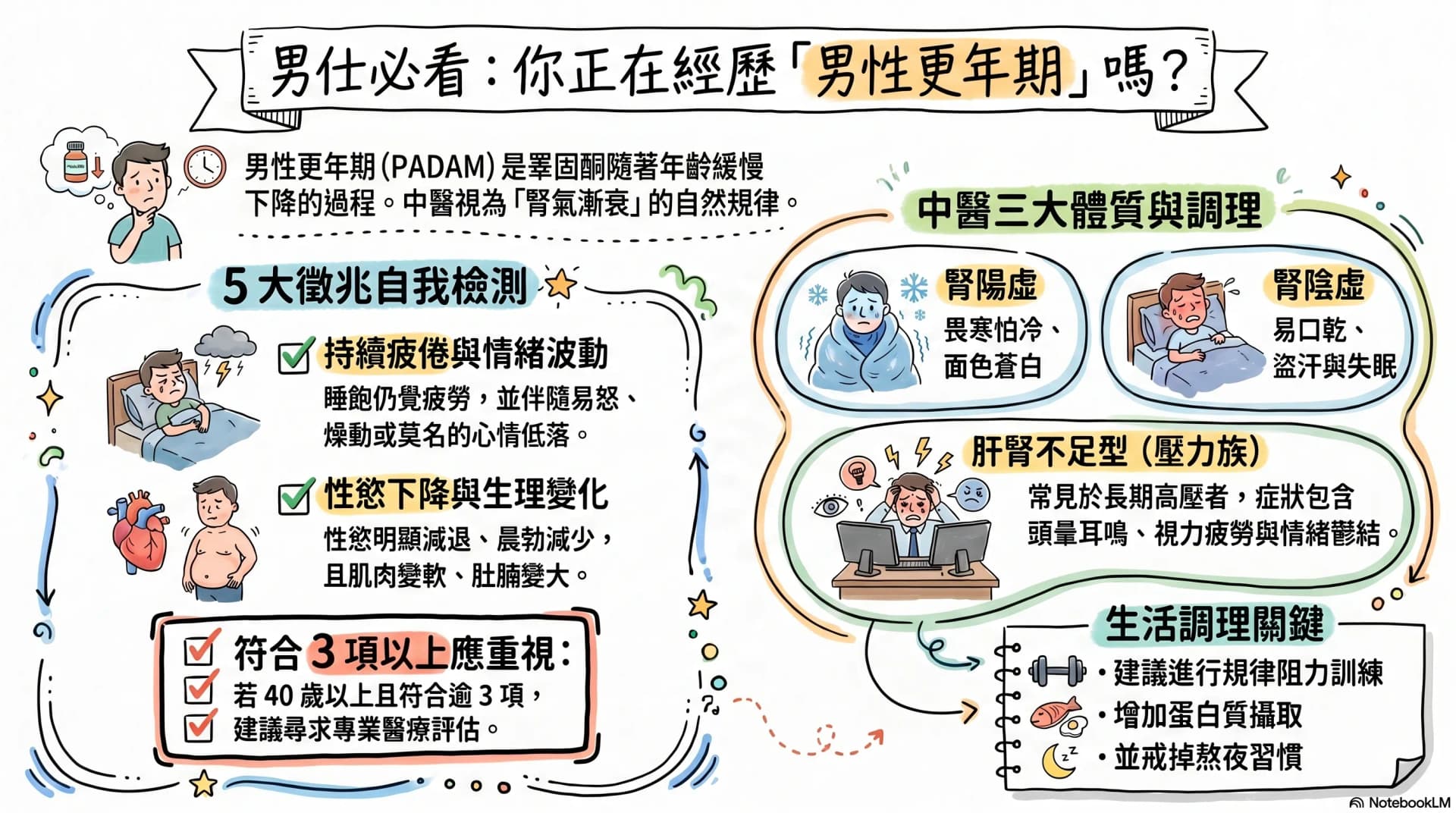
Male Menopause Through the TCM Lens: 5 Signs in Men Over 40
Unexplained fatigue, irritability, lower libido, poorer sleep and a growing belly after 40 are not just ageing or work stress — they may be male menopause. This article begins with a five-sign self-check, sets out three TCM patterns (kidney-yang deficiency, kidney-yin deficiency, liver-and-kidney insufficiency) with matching improvements, and compares the two treatment routes — testosterone replacement therapy versus TCM constitutional care.