Postpartum Confinement Myths: Bathing? Washing Hair? TCM Advice and What to Avoid
Traditional postpartum confinement rules were shaped by a very different living environment. This article unpacks six common myths (no bathing, no drinking water, avoiding all wind, "the more tonics the better"), gives phased diet and lifestyle guidance, and lists what TCM does ask mothers to genuinely avoid — and when to see a Western doctor first.
Medical review: Dr. To Ching, Jenny,Registered Chinese Medicine Practitioner #009330
1-Minute Quick Answer
Many confinement taboos grew out of a very different historical environment and do not transfer cleanly to modern Hong Kong mothers. In TCM, washing with warm water, adequate fluids and air-conditioning are all fine; the real priorities are warmth, rest, cleanliness and emotional support. Heavy bleeding, fever, an inflamed wound or persistent low mood need a Western doctor immediately.
Postpartum Confinement Myths: Bathing? Washing Hair? TCM Advice and What to Avoid
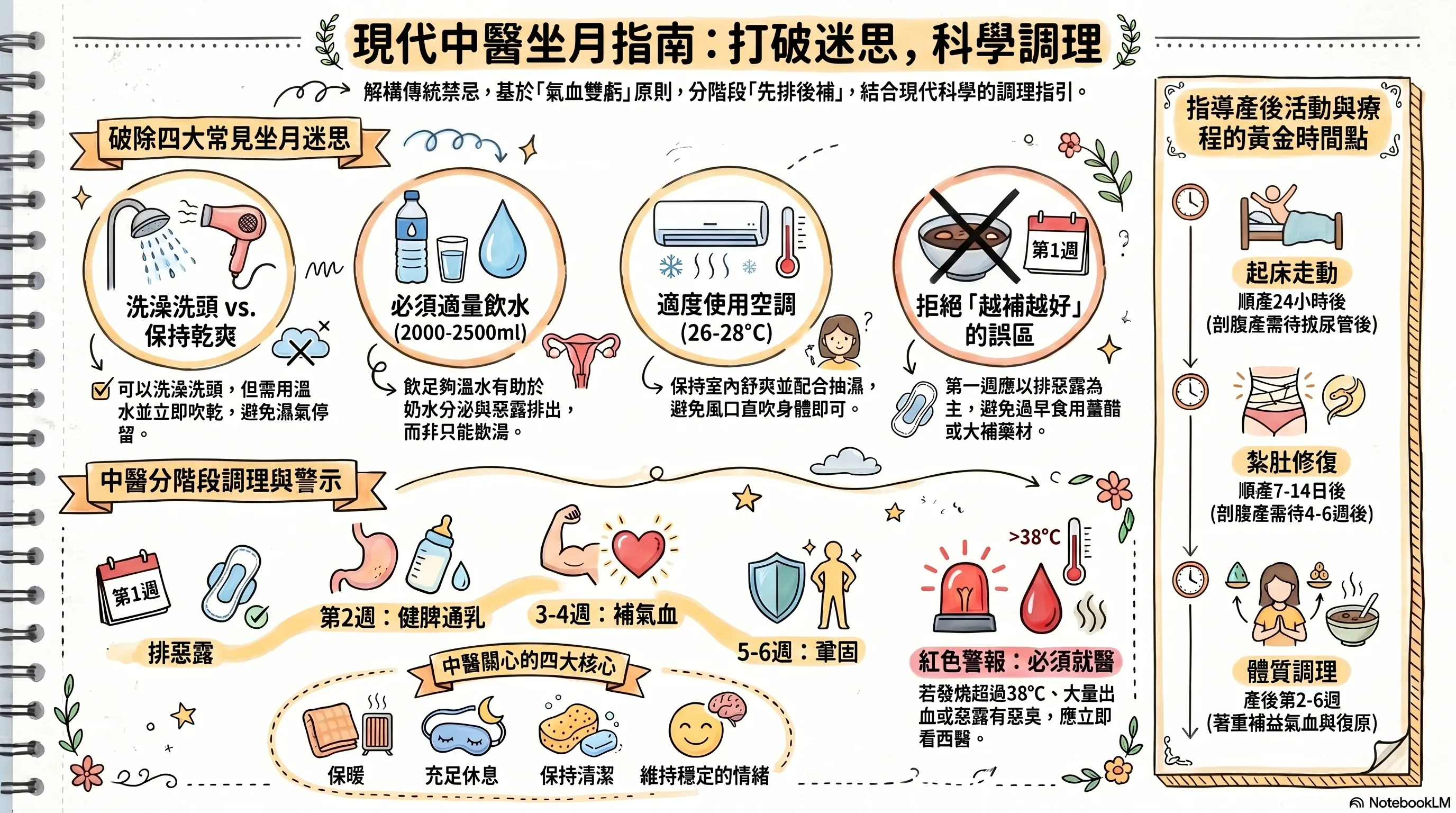 For quick reference, this image was generated by NotebookLM. Some Chinese characters may not render perfectly; we appreciate your understanding.
Medical review: Dr To (CMCHK 009330 | Gynaecology, TCM aesthetics, thread-embedding weight loss, postpartum belly binding)
"No bathing", "no drinking water", "no wind or air-con", "bind the belly immediately", "you must eat ginger vinegar" — Hong Kong mothers hear a long list of confinement "rules" from in-laws and family. Many of these rules grew out of a very different historical living environment (no central heating, no hot running water, no extractor fans, poorly ventilated homes) and do not transfer cleanly to modern life.
This article unpacks eight of the most commonly misunderstood myths from a TCM perspective, gives phased diet and lifestyle guidance, and lists the things mothers should genuinely avoid — along with the warning signs that require a Western doctor straight away. The core point is this: the TCM view of confinement was never simply "don't do this". It rests on the principle that postpartum qi and blood are depleted and the body needs to be sheltered and nourished — and the practical advice follows from that.
1. Six Common Myths vs What TCM Actually Says
| Myth | Traditional version | TCM in practice |
|---|---|---|
| No bathing or hair washing | Fear of "wind invasion" and lifelong illness | You can wash — keep it quick, use warm water, keep the room warm, dry the hair fully and do not stay in damp hair. Vaginal birth: 3–5 days; Caesarean: when the wound permits |
| No drinking water; only hot soups | Fear of fluid retention and weight gain | Adequate fluid intake is essential — too little hampers milk supply and lochia clearance. Room temperature or warm water, 2000–2500 ml a day, is a reasonable target |
| No wind, no air-con | Wind exposure causes illness | In a humid Hong Kong summer, air-con is fine — keep the air-con vent off the body, set 26–28°C, wear thin long sleeves, and consider a dehumidifier |
| Ginger-vinegar is essential | "Tonic, drives out wind, warms the stomach" | Ginger-vinegar is warming, but not every mother suits it. Unhealed Caesarean wound, heat-leaning constitution, easy "heatiness", piles or hypertension — reduce or postpone |
| The more tonics, the better (ginseng, antler, donkey-hide gelatine) | Restore "yuanqi" quickly | Don't. Week 1 is "clear first, tonify later". Heavy tonics before lochia is finished can prolong bleeding and trap stagnant blood. Tonifying is staged |
| No crying, no reading | "Hurts the eyes" | Crying doesn't damage the eyes, but prolonged screen use does worsen the feeling of qi-blood depletion. Rest the eyes every 30 minutes. Emotional release is healthier than bottling up |
2. What TCM Actually Cares About
Stripped of the wrapping, TCM postpartum care comes down to four things:
- Warmth — postpartum qi and blood are depleted, and the pores are open; the abdomen, lower back, shoulders and feet need particular protection. The goal is warmth, not "avoid water and air-con entirely".
- Rest — the uterus, pelvic floor, wounds and hormones spend the first six weeks recovering. Sleep is the most effective tool — napping with the baby beats trying to "complete 30 days of full bedrest".
- Cleanliness — lochia, sweat and breastfeeding all generate the need for hygiene. Not washing actually raises infection risk. The principle is "wash with warmth in place", not "do not wash".
- Emotional support — postpartum depression affects 13–17% of mothers in Hong Kong. Family support, honest communication with a partner and professional help when needed matter more than any inherited rule.
3. TCM's Phased Postpartum Diet
TCM divides postpartum nutrition into four phases:
| Phase | Timing | Direction |
|---|---|---|
| Clearing | Week 1 | Help lochia clear, move blood, do not heavy-tonify. Generation-and-transformation decoction (after vaginal birth, prescribed by a practitioner), small amounts of brown-sugar ginger drink, red bean water, egg drop soup |
| Recovery | Week 2 | Tonify the spleen and stomach, support digestion and lactation. Carp soup, black chicken soup, red dates, Chinese yam, lean pork congee. Ginger-vinegar can begin here for suitable constitutions |
| Tonifying | Weeks 3–4 | Build qi and blood. Eucommia, astragalus, dang gui (small amounts, prescribed), red date and longan tea, dried longan |
| Stabilising | Weeks 5–6 | Individualised. Once the spleen-stomach is restored, richer ingredients can be added; heat-leaning constitutions stay lighter |
Important notes:
- Vaginal and Caesarean births need different emphases — for Caesarean, Week 1 favours easy-to-digest foods and avoids gas-producing items (soy, milk, sweet potato)
- During breastfeeding, some herbs are avoided (for example, malt can reduce milk). Specific prescriptions must be set by a registered TCM practitioner
- Any "tonic" (ginseng, bird's nest, donkey-hide gelatine) is unsuitable in Week 1; from Week 2 it should be matched to the mother's constitution by a practitioner
4. Living, Hygiene, Movement, Mind
Living arrangements:
- Room temperature 26–28°C; air-con and a dehumidifier are fine; thin long sleeves and socks
- Vaginal birth: short walks within 24 hours; Caesarean: as soon as the catheter is removed
- From Week 2, gentle household activity; avoid lifting heavier than the baby
Hygiene:
- Vaginal birth: shower (not soak) from 3–5 days; do not soak for 4–6 weeks
- Caesarean: keep the wound dry until healed (waterproof dressing may help)
- Change sanitary pads every 3–4 hours during lochia; clean the vulva
Movement:
- Week 1: in-bed leg lifts, deep breathing, ankle pumping (clot prevention)
- Weeks 2–4: walking, pelvic floor exercises (Kegels)
- From Week 6, once your obstetrician confirms wound and uterine recovery: yoga, light cardio, gradually
Mind:
- Talk to your partner; share the load
- Allow yourself the feeling of "not a perfect mother"
- Persistent low mood, insomnia, inability to care for the baby, or thoughts of self-harm — seek psychiatry or clinical psychology support immediately
5. What TCM Genuinely Asks You to Avoid
From a TCM perspective, the real postpartum avoidances are:
- Cold drinks and foods (iced water, ice cream, raw salads, sashimi) — they slow spleen-stomach recovery and milk supply
- Heavy tonics in Week 1 (ginseng, antler, donkey-hide gelatine) — can prolong lochia
- Heavy lifting and intense exercise — affects wounds and uterine return
- Prolonged squatting or sitting on hard chairs — affects pelvic floor recovery
- Sexual intercourse — vaginal birth: 6 weeks; Caesarean: 8 weeks, following obstetric advice
- Self-prescribed tonics — generic "confinement tonics" may not suit your body
- Late nights — sleep with the baby beats reclaiming "me-time" at night
6. Warning Signs — When to See a Western Doctor First
These are not "minor confinement complaints":
- Heavy vaginal bleeding (soaking more than one pad per hour, lasting over two hours)
- Fever above 38°C
- Foul-smelling lochia, sudden bright red flow or large clots
- Wound (Caesarean or perineal) redness, discharge or severe pain
- Severe headache, blurred vision, upper-abdominal pain, sudden swelling (suspected postpartum pre-eclampsia)
- Breathing difficulty or chest pain (suspected clot or pulmonary embolism)
- Persistent low mood, insomnia, thoughts of self-harm (postpartum depression)
- Breast redness, heat and pain with fever (suspected mastitis)
7. When TCM Fits In
| Window | TCM role |
|---|---|
| Week 1 | Lochia clearance, spleen-stomach support; no heavy tonics |
| Weeks 2–6 | Constitution care, qi-blood support, sleep, milk supply, body recovery |
| Belly binding | Vaginal birth from 7–14 days; Caesarean from 4–6 weeks (full healing) |
| After Week 6 | Periods, intimacy, weight, mood, longer-term constitution |
| Before the next pregnancy | Any residual issues from the previous postpartum (back pain, cold uterus, irregular cycles) addressed before planning next conception |
Aspira TCM Clinic provides a full postpartum belly binding and recovery programme. Dr To matches the right combination to each mother based on birth type, wound, milk supply and obstetric history.
— Dr To | Registered Chinese Medicine Practitioner (Gynaecology, TCM Aesthetics, Thread-Embedding Weight Loss, Postpartum Belly Binding) Reg. No.: 009330 Aspira TCM Clinic
Frequently Asked Questions
Q1: How does confinement differ for vaginal birth and Caesarean?
Vaginal birth: Week 1 focuses on lochia clearance and local hygiene (perineal stitches if any); showering from 3–5 days. Caesarean: abdominal wound care, easy-to-digest food in Week 1, avoid gas-producing items; belly binding only after the wound is fully healed (4–6 weeks). Caesarean recovery generally runs 1–2 weeks longer overall.
Q2: Can Chinese herbs be taken while breastfeeding?
Yes, but only when prescribed by a registered TCM practitioner. Some herbs (such as malt, excessive ginseng, large doses of mint) can reduce milk supply; some pass into breast milk and affect the baby. Generic "lactation tonics" should not be self-prescribed.
Q3: Can the hair be washed during confinement? How often?
Yes. The point is how, not whether. Use warm water, keep it quick, towel-wrap the hair, then blow-dry on medium until fully dry; keep the body warm throughout. Vaginal birth: from 3–5 days; Caesarean: similar timing, subject to the wound. Every 2–3 days is reasonable, depending on sweating.
Q4: How to tell "normal mood swings" from postpartum depression?
The "baby blues" — short bouts of tearfulness, irritability and low mood in days 3–5 — are common and usually resolve within two weeks. Postpartum depression lasts longer than two weeks, severely affects daily functioning, brings loss of interest, severe insomnia, or thoughts of self-harm or harming the baby. The latter requires immediate psychiatric or clinical psychology help — TCM can support but does not replace psychiatric treatment.
Q5: I didn't have a proper confinement after my first baby — can I catch up before the second?
Yes. From a TCM perspective, it is never too late to start constitutional care. Common leftover issues — back pain, "cold uterus", irregular periods, persistent fatigue, recurring low milk supply — respond better if addressed for 3–6 months before planning the next pregnancy than after the next postpartum.
Preparing for Postpartum Recovery? Book a Consultation
If you are pregnant or already in confinement and want to understand how TCM can fit in, please bring your expected or actual delivery date, mode of delivery, breastfeeding status and obstetric history before booking a consultation with Dr To. For any warning signs (heavy bleeding, fever, severe mood symptoms), please address those medically first.
How to book:
- WhatsApp: Book here
- Phone: 2110 9337
- Address: Unit 2706, 27/F, Saxon Tower, 7 Cheung Shun Street, Lai Chi Kok
Disclaimer: This article is for general health education only and does not replace individual diagnosis, examination, medication or treatment advice. Birth method, wound status, constitution and feeding status differ from mother to mother — please discuss specific diet, medication and exercise with a registered TCM practitioner and your obstetrician. For warning signs such as abnormal bleeding, fever or severe mood symptoms, please seek emergency care first.
Disclaimer: This article is for health education and reference purposes only and does not constitute medical advice, diagnosis, or treatment. Each patient's condition is unique and treatment outcomes vary. Please consult a registered TCM practitioner or qualified healthcare professional for health concerns.
Further Reading
Hand-picked related articles and real cases to read next.
Postpartum Belly Binding Guide: Timing, Cautions & 5 Steps
Rushing into postpartum belly binding can cause uterine prolapse and urinary incontinence. This guide from Dr To covers the golden timeline, three key contraindications, a five-step recovery flow, and how to integrate belly binding, pelvic realignment and core rebuilding into one complete postpartum recovery plan.
How TCM Reads Vaginal Discharge — Fishy, Yellow-Green, Bloody and Heavy
Persistent changes in vaginal discharge are health signals worth attending to. This article uses four dimensions — colour, smell, texture and volume — to help you tell normal from abnormal, outlines six common abnormal presentations, four TCM pattern directions, and how TCM works on the root constitution to reduce recurrence rather than only relieving itch or treating an infection.
A Self-Check Guide to 4 Types of Menstrual Pain and Relief Tips
Menstrual pain is not something you simply have to endure. This guide explains the difference between primary and secondary dysmenorrhea, outlines four common TCM patterns, highlights five warning signs that need medical review, and offers practical relief strategies for everyday care.
Want to learn more? WhatsApp us for a free consultation
Book via WhatsAppExplore our full range of treatments: Traditional TCM Services
Related Articles
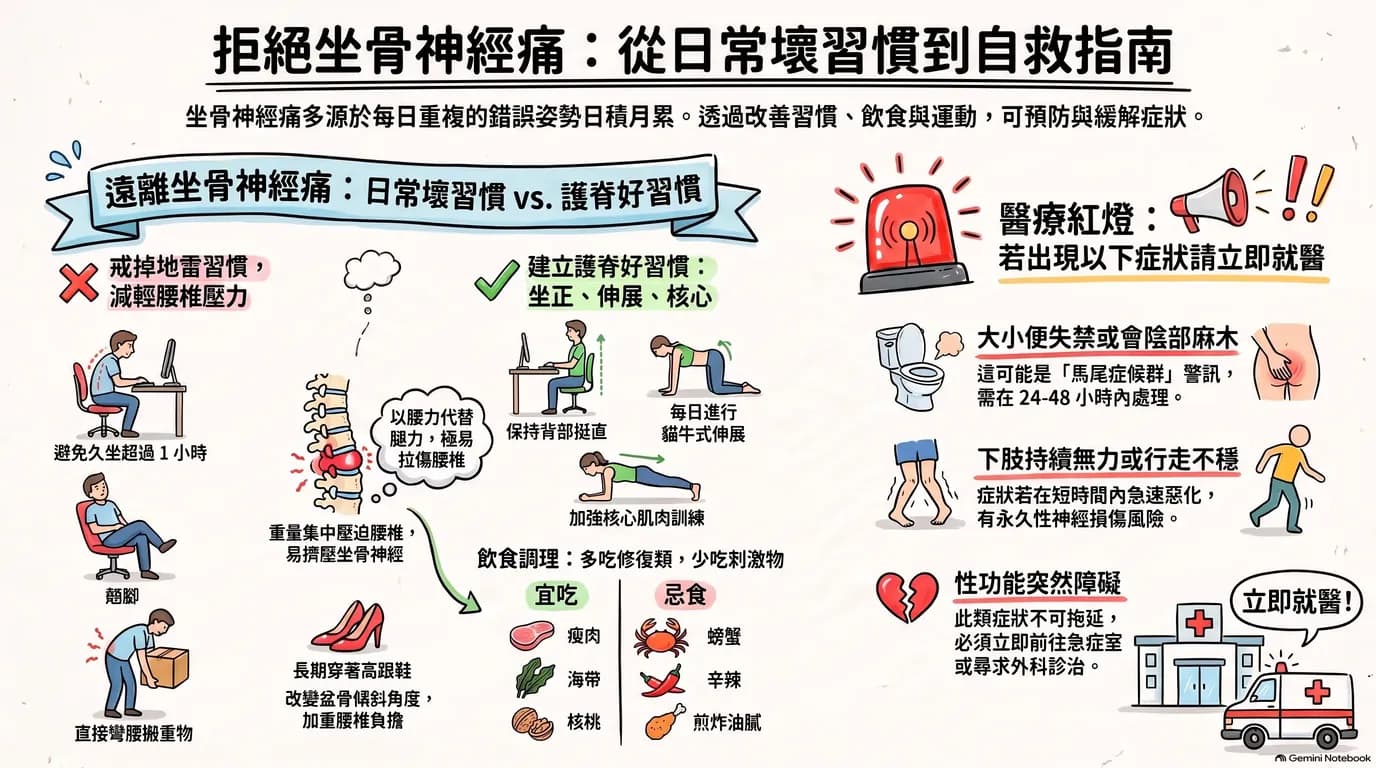
Sciatica Prevention: Bad Habits, Diet and Daily Care Tips
Sciatica isn't only about treatment — your daily habits and diet play a big role too. In this article, Dr Wong explains which everyday habits increase your risk of sciatica, which foods may help ease it, and simple daily habits that reduce the chance of it coming back.
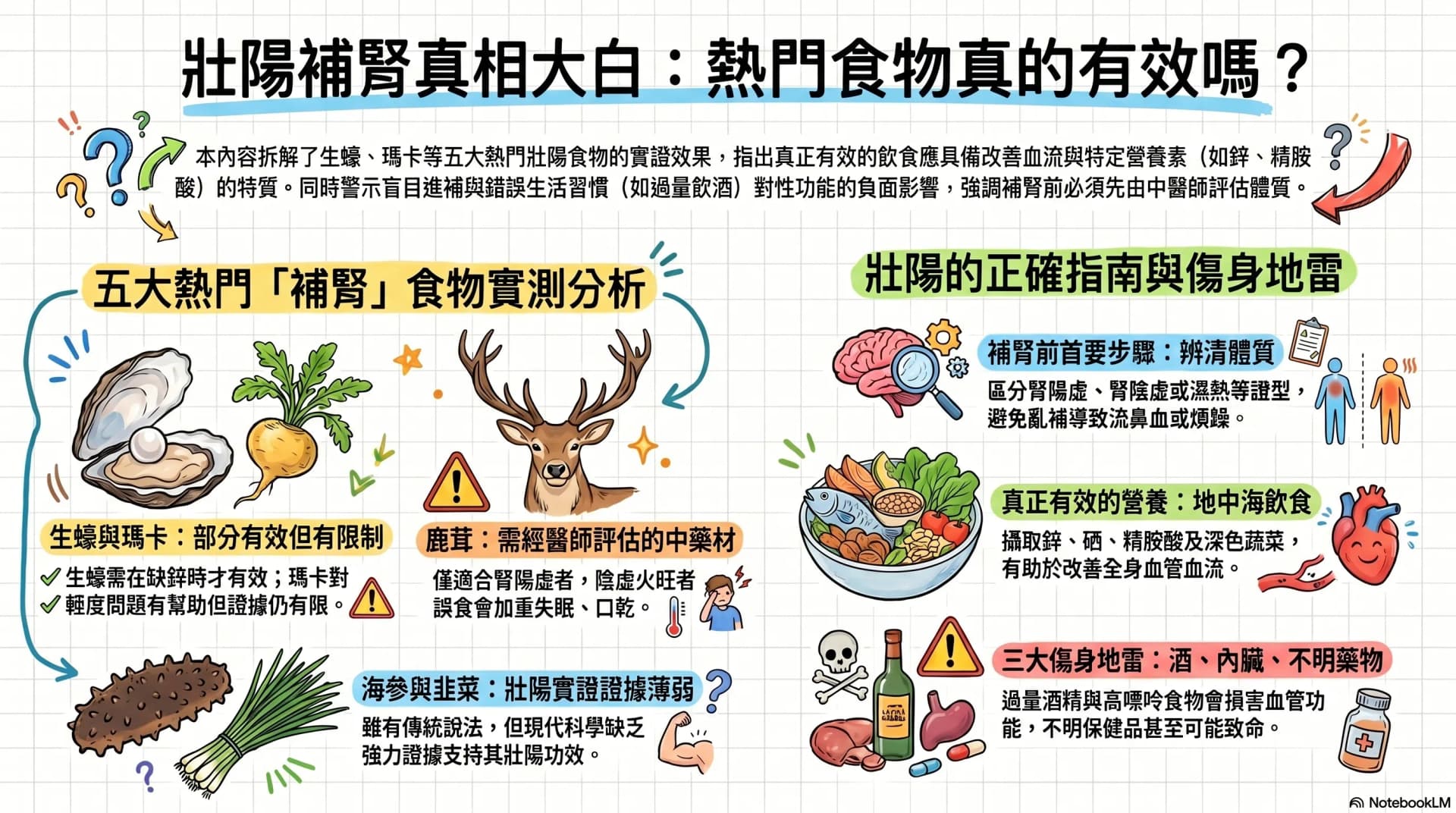
Do Oysters, Maca and Deer Antler Boost Male Vitality? 5 Myths
Do aphrodisiac foods actually work? This article opens with a rating table (effective / partly effective / effective within a TCM framework / weak evidence / no strong evidence), reviews the Chinese and Western medical evidence behind oysters, maca, deer antler, sea cucumber and Chinese chives, distils the 3 shared traits of foods that genuinely support male sexual function, and flags 3 commonly eaten items that can actually harm performance.
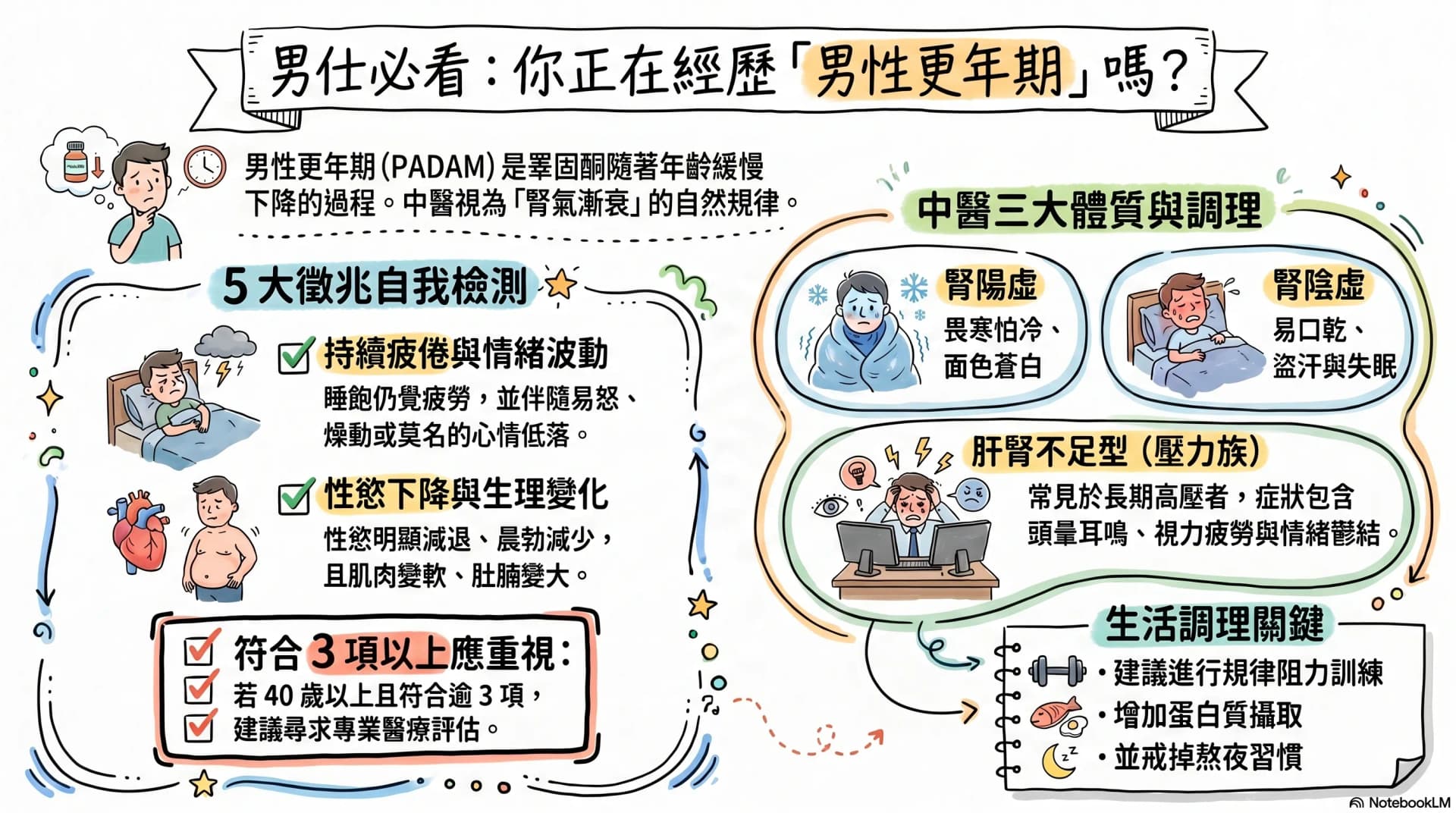
Male Menopause Through the TCM Lens: 5 Signs in Men Over 40
Unexplained fatigue, irritability, lower libido, poorer sleep and a growing belly after 40 are not just ageing or work stress — they may be male menopause. This article begins with a five-sign self-check, sets out three TCM patterns (kidney-yang deficiency, kidney-yin deficiency, liver-and-kidney insufficiency) with matching improvements, and compares the two treatment routes — testosterone replacement therapy versus TCM constitutional care.