Eating Little but Not Losing Weight? TCM on Weak Digestion
Skipping breakfast, eating only salad for lunch, and cutting rice at dinner may still leave weight unchanged — or even make you more tired, swollen, and stuck. This article explains why eating less does not always lead to better fat loss, and how TCM interprets weak digestion, dampness, deficiency, and the weight-loss plateau.
Medical review: Dr. Au Kwok Po, Arthur,Registered Chinese Medicine Practitioner #009884
1-Minute Quick Answer
Eating very little but still not losing weight isn't always a willpower problem — extreme restriction can cause muscle loss, appetite rebound, and plateaus. This guide (reviewed by Dr Au, CMCHK 009884) explains how TCM reads weak digestion, the common patterns behind it, and when thyroid or blood-sugar testing should come first.
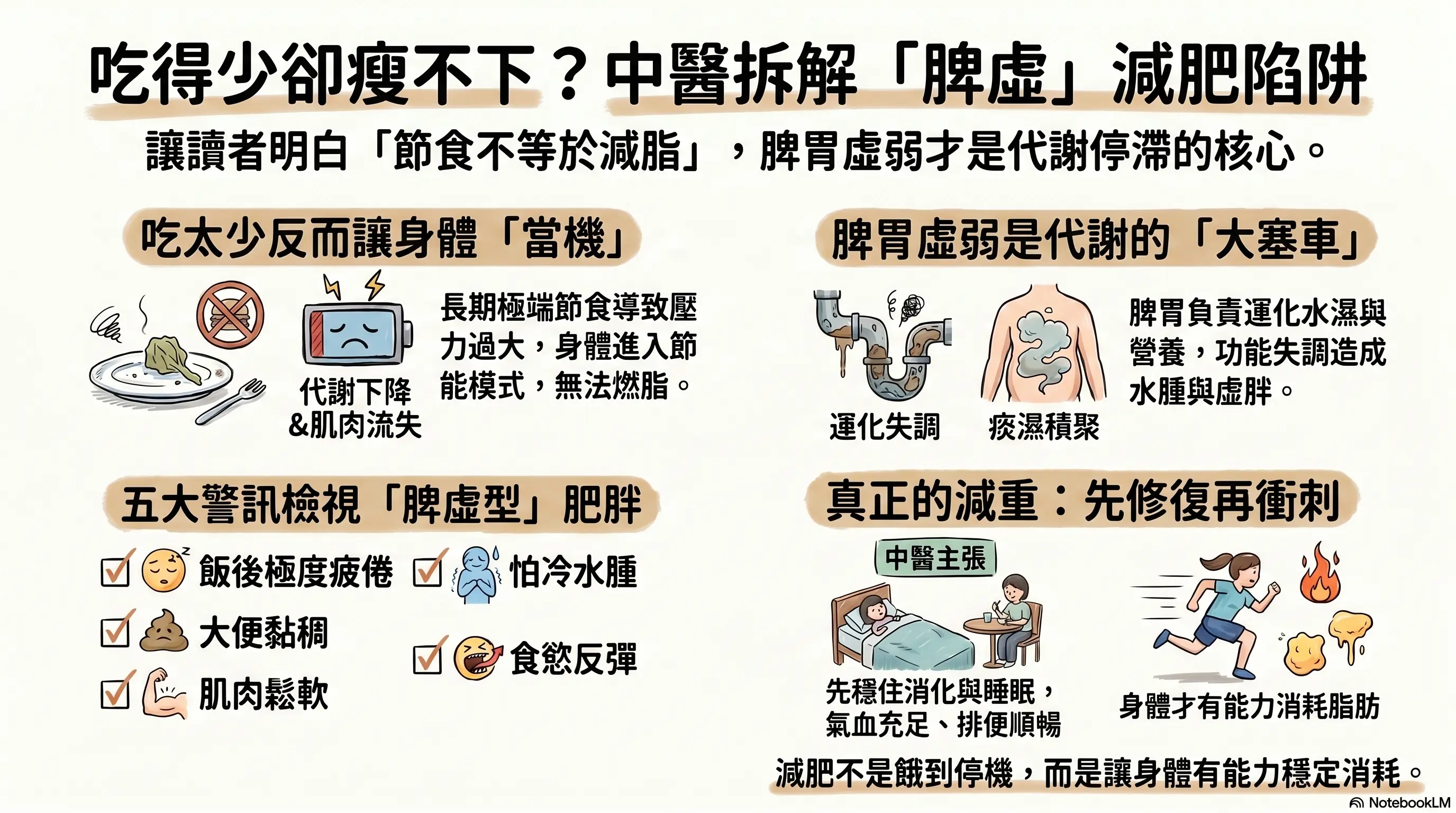 To help readers understand the topic quickly, this image was generated by NotebookLM. Some Chinese characters may not render correctly.
“I am already eating very little — why am I still not losing weight?”
For many people, the most frustrating part of weight loss is not hunger, but seeing the scale refuse to move despite skipping breakfast, eating salad for lunch, and barely touching rice at dinner. Some become afraid of eating altogether. Some rebound into overeating. Others conclude that their “metabolism must be broken.”
The first point should be made clearly: eating less does not always mean you are losing weight well. Weight reduction requires an energy deficit, but if the process includes extreme restriction, too little protein, muscle loss, poor sleep, or chronic stress, the body may not burn fat efficiently. Instead, fatigue, swelling, constipation, menstrual disruption, appetite rebound, and plateauing may follow.
What TCM calls weak spleen-stomach function is often a reminder that digestion, absorption, transformation of nutrients, generation of qi and blood, and fluid metabolism are no longer keeping up with the current diet pattern.
Why Does Eating Less Not Always Lead to Weight Loss?
Many people imagine weight loss with one simple formula: the less you eat, the faster you lose. In practice, “eating less” can mean several very different situations.
| Surface pattern | What may really be happening | Likely result |
|---|---|---|
| Skipping breakfast | Greater hunger later and stronger cravings at night | Total calorie intake may not actually stay low |
| Eating only salad | Too little protein, iron, fat, and total energy | Fatigue, muscle loss, poor satiety |
| Completely cutting rice or starch | Short-term water drop, then lower activity and appetite rebound | Repeated up-and-down weight pattern |
| Long-term very low calories | Body stress increases and spontaneous activity falls | Plateau, coldness, fatigue |
| Irregular meal timing | Larger swings in appetite and blood sugar | Harder to maintain weight loss |
Rapid weight loss or very-low-calorie diets may increase the risk of muscle loss, dehydration, fatigue, constipation, and gallstones if not properly supervised. In other words, eating less is not automatically wrong, but eating so little that the body struggles to function is not healthy fat loss.
How Does TCM Understand “Weak Spleen-Stomach Function”?
In TCM, the spleen and stomach are responsible for receiving food, digesting it, and transforming it. When they function well, food can be turned into qi and blood and fluids can be distributed properly. When they are weak, common signs include not only reduced appetite, but also bloating, post-meal fatigue, unstable bowel habit, water retention, low muscle tone, and poor energy.
For people trying to lose weight, weak spleen-stomach function often creates two major problems:
-
The person eats less, but the body has even less energy to spend
Movement falls, coldness increases, fatigue worsens, and muscle becomes harder to maintain. -
Fluid transformation becomes weaker
Even without much extra fat, the person may feel puffy, heavy, and stuck on the scale.
This is why TCM would not usually encourage someone with weak digestion to simply keep eating less and less. A better direction is to stabilise eating rhythm, protein intake, sleep, bowel habit, and the capacity to move, so that the body is actually able to lose weight.
The key point: healthy weight loss is not about starving the body into shutdown, but helping the body sustain stable energy use.
Common Signs of Weight-Loss Difficulty Linked to Weak Digestion
If you have been eating very little and still cannot lose weight, consider whether these patterns sound familiar:
- Feeling full after a small amount, with bloating after meals
- Wanting to sleep after meals or struggling with brain fog at work
- Fatigue, low voice, and low energy
- Loose, sticky, constipated, or incomplete bowel movements
- Cold hands and feet, sensitivity to cold, feeling weaker after sweating
- A soft abdomen, low muscle tone, or high body fat despite not being “very heavy”
- Reduced menstrual flow, irregular cycles, or obvious premenstrual swelling
- Dizziness, palpitations, insomnia, or binge eating whenever dieting becomes stricter
These signs do not all come only from weak digestion. Anaemia, thyroid issues, blood sugar problems, sleep disorders, stress, and medication may also play a part. If symptoms are obvious or persistent, proper investigation may still be needed.
Five Common TCM Directions Behind “Eating Less but Not Slimming Down”
| Pattern direction | Common signs | Main treatment focus |
|---|---|---|
| Spleen qi deficiency | Fatigue, post-meal bloating, poor appetite, loose stool | Strengthen the spleen and qi, stabilise digestion and energy |
| Spleen yang deficiency | Coldness, cold limbs, loose stool, water retention | Warm yang and strengthen the spleen; avoid excessive cold foods |
| Phlegm-damp obstruction | Heaviness, thick tongue coating, abdominal fat, swelling, sticky stool | Strengthen the spleen and transform dampness, with lower sugar and grease intake |
| Liver stagnation with weak spleen | Stress, bloating, emotional eating, poor sleep | Soothe liver qi, strengthen digestion, regulate rhythm |
| Qi and blood deficiency | Pale complexion, dizziness, palpitations, reduced menstrual flow, low muscle tone | Support qi and blood, rebuild nutrition and functional strength |
The same statement — “I eat very little” — may reflect poor appetite, deliberate restriction, physical weakness, or stress-driven cycles of control and overeating. TCM assessment helps clarify which pattern is most relevant.
The Six Most Common Problems with Long-Term Restrictive Dieting
-
Loss of muscle mass
Too little protein and lack of resistance exercise make muscle difficult to maintain. Less muscle also means less daily energy use. -
Unnoticed reduction in daily movement
Eating too little often leaves people inactive, cold, and without energy. It is not only food intake that falls — movement falls too. -
Appetite rebound
Long-term suppression makes both body and mind more likely to crave sugar and fat. -
Constipation and swelling
Too little fibre, fluid, fat, and movement all make bowel function and fluid handling worse. -
Poorer sleep and mood
Going to bed hungry, carrying pressure, and feeling guilty all make weight loss harder to sustain. -
Menstrual or hormonal disruption
In women, long-term low energy intake may lead to irregular periods, light flow, missed periods, coldness, and fatigue.
Truly sustainable weight loss is not about reducing food to the smallest possible amount every day. It is about finding a rhythm the body can tolerate and daily life can realistically maintain.
From a Nutrition Perspective: Eating Enough Helps You Lose Better
The following points often matter more than simply “eating even less.”
1. Include protein in every meal
Fish, eggs, tofu, chicken, lean meat, dairy, or legumes help create satiety and protect muscle. If a person eats only vegetables and fruit, hunger, fatigue, and rebound become more likely.
2. Keep starch portions stable rather than cutting them completely
Rice, noodles, bread, and other starches need attention to timing, quantity, and type, but complete elimination does not suit everyone. People with high work demands, regular training, dizziness, or menstrual instability should be especially careful with overly low-carb approaches.
3. Keep fibre and fluids adequate
Constipation makes bloating and weight stagnation feel worse. Vegetables, whole grains, legumes, and enough fluids are safer than relying on laxatives or “detox” products.
4. Add resistance training
If someone uses only calorie restriction and cardio, muscle loss becomes more likely. Sit-to-stand drills, resistance bands, squats, wall push-ups, or loaded walking can all be built in gradually.
5. Sleep is part of weight loss
When sleep is poor, appetite, mood, and consistency all suffer. Adequate sleep and stress management are part of healthy body-weight practice in their own right.
How Would TCM Usually Approach This?
For people who “eat very little but still cannot slim down,” TCM usually does not begin by intensifying restriction further. Instead, treatment tends to move in stages.
Stage 1: Stabilise digestion and bowel habit
If bloating, poor appetite, loose stool, or constipation are prominent, these often need to improve first. Otherwise even a well-designed eating plan may not work with the body.
Stage 2: Address dampness, phlegm, and qi stagnation
If there is a thick tongue coating, swelling, heaviness, or stress-related bloating, treatment may also focus on strengthening the spleen, transforming dampness, soothing liver qi, or warming yang.
Stage 3: Rebuild appetite rhythm and activity capacity
Once energy, sleep, and digestion are more stable, activity level, resistance exercise, and a more balanced eating structure are often easier to increase.
Stage 4: Prevent rebound
After weight reduction, the key is not to keep eating less and less, but to maintain adequate protein, regular meals, stable sleep, and sustainable movement.
When Should Medical Investigation Come First?
If you are eating very little but weight is not falling, and the following also apply, the issue should not simply be assumed to be weak digestion:
- Marked weight gain or loss over a short period
- Severe coldness, hair loss, constipation, slow heart rate, suggesting possible thyroid disease
- Long-term menstrual disturbance, acne, or excess hair, suggesting possible polycystic ovarian syndrome
- Clear swelling, breathlessness, or urine changes
- Ongoing thirst, frequent urination, or extreme post-meal fatigue, suggesting blood sugar concerns
- Use of medication that may influence body weight
- Binge eating, purging, extreme restriction, or high anxiety around food
- Persistent fatigue, pallor, and dizziness suggesting anaemia or nutritional deficiency
TCM can help organise constitution and lifestyle factors, but problems needing blood tests, imaging, or medication review still require Western medical assessment.
A TCM Weight and Nutrition Assessment Can Be a Better First Step
If you have been restricting your diet for a long time and still are not losing weight, the first question may not be “What else should I cut out?” but rather “Does my body still have the capacity to lose weight in a healthy way?”
At Aspira TCM, Dr Au reviews food records, weight and waist changes, appetite, sleep, bowel habit, stress, menstrual pattern, activity, tongue, and pulse, then judges whether the picture leans more toward spleen deficiency, dampness, qi stagnation, yang deficiency, or nutritional insufficiency. If needed, Western medical testing may also be recommended to rule out thyroid, blood sugar, hormonal, or other internal factors.
The aim is not to force food intake lower, but to make weight loss physically tolerable and realistically sustainable again.
FAQ — Weak Digestion, Slow Metabolism, and Weight Plateau
Q1: If I eat very little but do not lose weight, does that mean my metabolism is broken?
Not necessarily. Your total intake may not actually be as low as you think, or the main problem may be lower activity, too little protein, muscle loss, poor sleep, swelling, constipation, or hormonal factors. It needs broader assessment rather than simply blaming “bad metabolism.”
Q2: If I have weak digestion, does that mean I should not try to lose weight?
No. It means very aggressive restriction may not suit you. A better approach is to first stabilise digestion, bowel habit, nutrition, and activity capacity, then reduce weight gradually.
Q3: Do I have to stop eating rice completely to lose weight?
Not necessarily. Starch needs to be managed by quantity, type, and timing. Completely removing rice may leave some people dizzy, tired, more prone to binge eating, or menstrual changes. A more stable approach is portion control with enough protein and vegetables.
Q4: Can TCM “boost metabolism”?
TCM does not treat “metabolism” as one magical switch. It works through sleep, digestion, dampness, swelling, constipation, stress, and the ability to stay active. When the body is functioning better overall, people often find it easier to follow eating and exercise plans.
Q5: If I eat little and feel cold easily, should I start taking tonics?
Not necessarily. Feeling cold may relate to yang deficiency, thyroid problems, poor nutrition, or poor sleep. Strong tonics are not always appropriate, especially if constipation, dry mouth, acne, or blood pressure and blood sugar concerns are also present. Assessment should come first.
Disclaimer: This article is for health education only and does not replace individual consultation, nutrition review, investigation, or treatment advice. If you have unusual weight changes, severe fatigue, swelling, absent periods, palpitations, dizziness, binge-purge behaviour, or other unusual symptoms, seek medical advice promptly.
Disclaimer: This article is for health education and reference purposes only and does not constitute medical advice, diagnosis, or treatment. Each patient's condition is unique and treatment outcomes vary. Please consult a registered TCM practitioner or qualified healthcare professional for health concerns.
Further Reading
Hand-picked related articles and real cases to read next.
Bloated and Heavy? Phlegm-Damp Obesity and Water Retention in TCM
If you do not eat excessively but often feel puffy, bloated, heavy, and tired, with weight fluctuating up and down, could “dampness” be part of the picture? This article explains the TCM view of water retention, phlegm-damp obesity, and why dampness-focused weight management is not the same as simply “draining water.”
Weight-Loss Injections vs Acupuncture: Side Effects & TCM
Many people in Hong Kong are interested in GLP-1 weight-loss injections but worried about side effects, rebound, and prescription safety. This article explains the common risks of weight-loss injections, then explores obesity patterns in TCM, how acupuncture may support weight management, and who may be more suitable for a TCM weight-loss assessment first.
TCM Acupoint Embedding for Weight Loss: Complete Guide + FAQ
TCM acupoint catgut embedding has become a popular weight-loss option in Hong Kong, but online information varies widely. Drawing on clinical experience, Dr Au explains the mechanism, compares thread materials, identifies six common "hard-to-slim" body types, walks through the treatment procedure, and answers 11 frequently asked questions — helping you decide whether the treatment is right for you.
Want to learn more? WhatsApp us for a free consultation
Book via WhatsAppExplore our full range of treatments: Traditional TCM Services
Related Articles
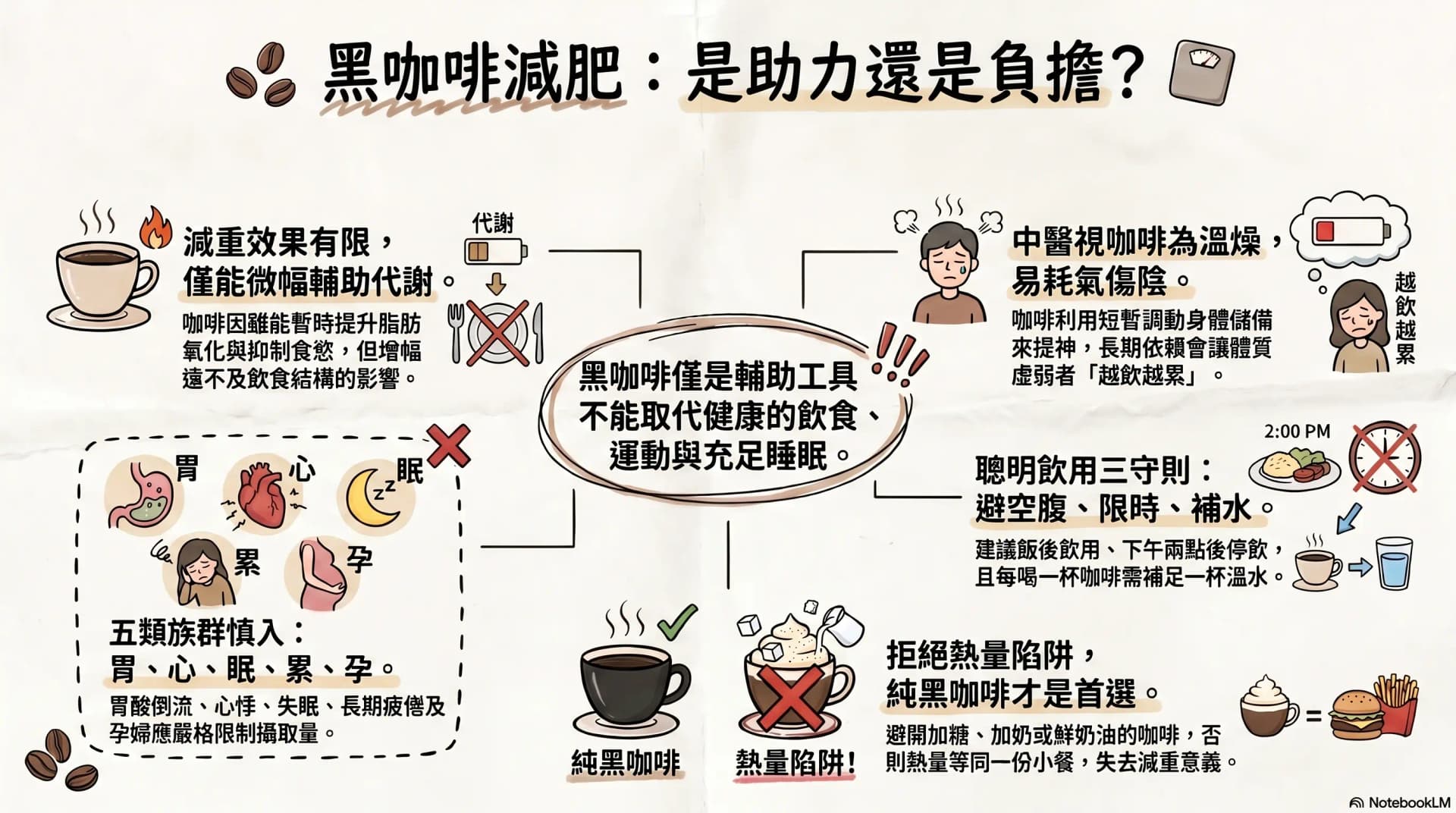
Does Black Coffee Help with Weight Loss? Timing and Side Effects
Black coffee may briefly raise metabolism and suppress appetite, but for those with acid reflux, palpitations, insomnia, chronic fatigue or premenstrual symptoms, it can do more harm than good. This article looks at the evidence and the TCM perspective, identifies five body types that should drink with care, and explains how to arrange timing and quantity sensibly.
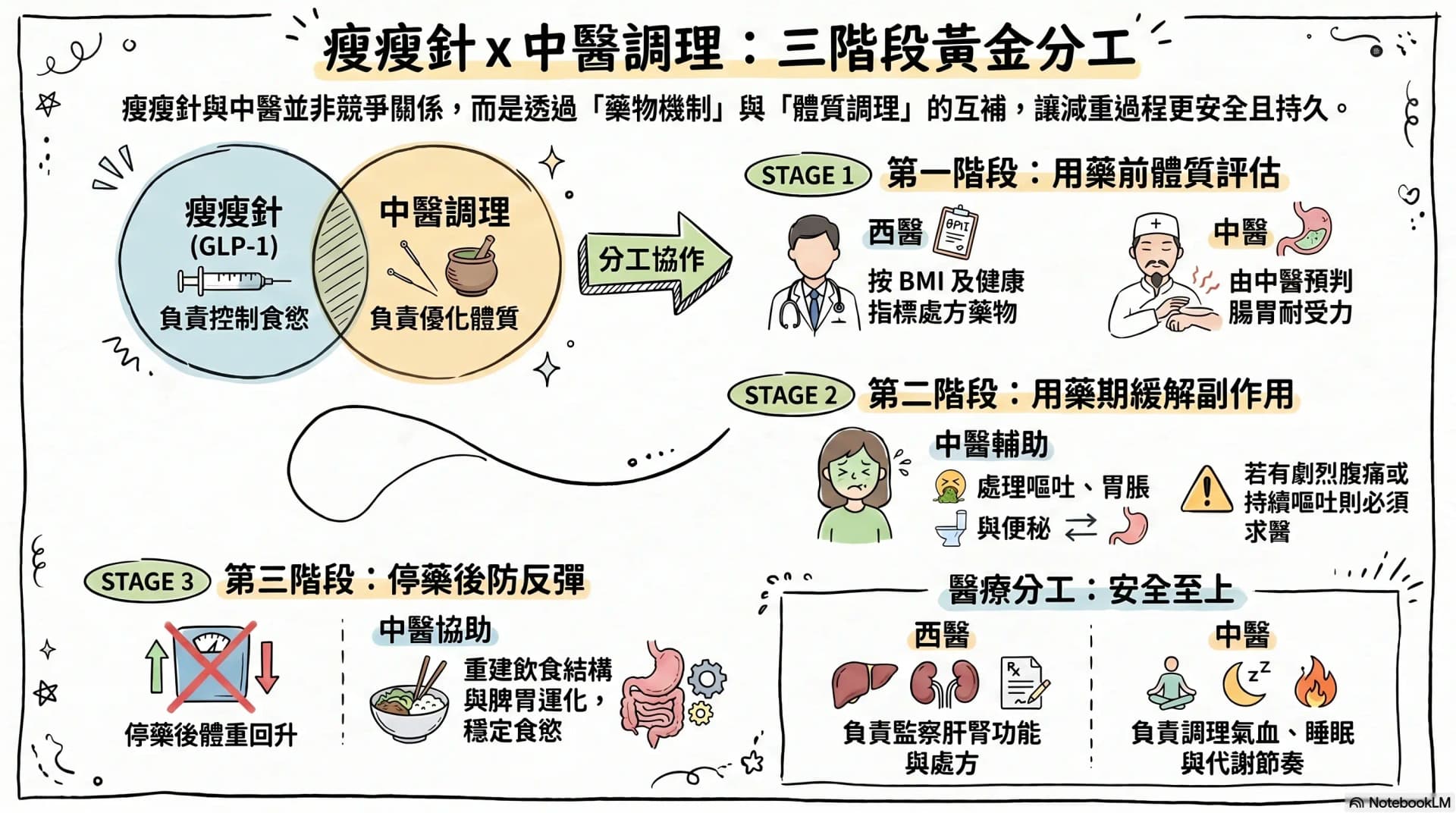
Can I See a TCM Practitioner While on a GLP-1 Injection?
GLP-1 weight-loss injections are now a major talking point in Hong Kong. This article compares the roles of prescribed GLP-1 medication and TCM care across three phases — before treatment, during treatment and after stopping — covering medical monitoring, side-effect relief and post-discontinuation rebound, and identifying scenarios that should not be managed by TCM alone.
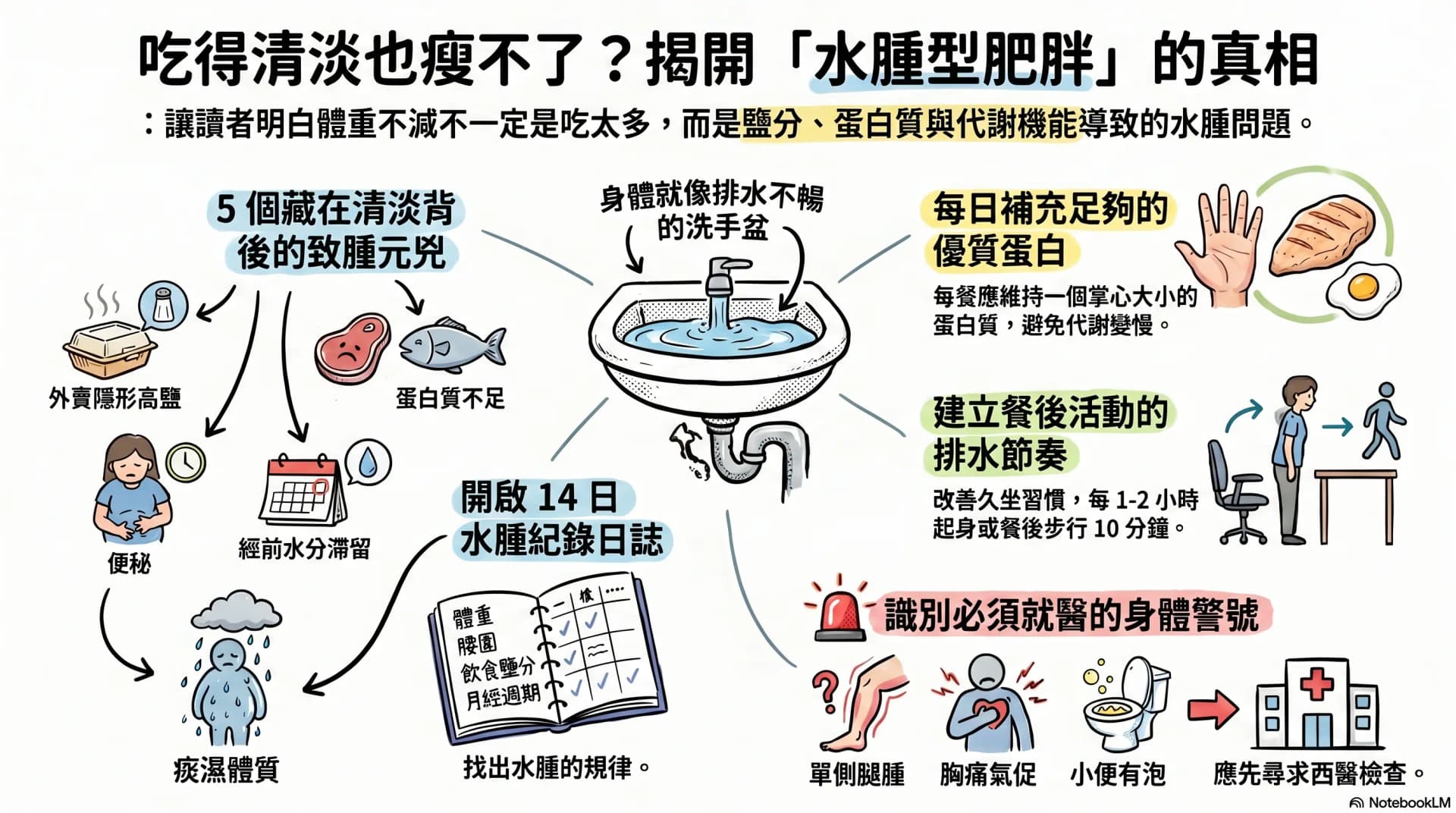
Eating Light but Not Losing Weight? A TCM Edema-Type Case Study
Eating light yet the scale will not budge — only the puffiness in the face, ankles and waistline persists? This case study follows Ya-lin (pseudonym), a 38-year-old office worker, through six months and explains how "eating clean but still not losing weight" often comes from a stack of small issues: salt, low protein, constipation, premenstrual fluid retention, phlegm-damp constitution, or internal disease. It also lists scenarios that warrant seeing a Western doctor first.