TCM Acupoint Embedding for Weight Loss: Complete Guide + FAQ
TCM acupoint catgut embedding has become a popular weight-loss option in Hong Kong, but online information varies widely. Drawing on clinical experience, Dr Au explains the mechanism, compares thread materials, identifies six common "hard-to-slim" body types, walks through the treatment procedure, and answers 11 frequently asked questions — helping you decide whether the treatment is right for you.
Medical review: Dr. Au Kwok Po, Arthur,Registered Chinese Medicine Practitioner #009884
1-Minute Quick Answer
How does TCM acupoint embedding work? Dr Au (CMCHK 009884) at Aspira TCM Lai Chi Kok explains the mechanism, compares thread materials, identifies six 'hard-to-slim' body types, walks through the procedure and post-treatment care, and answers 11 frequently asked questions.
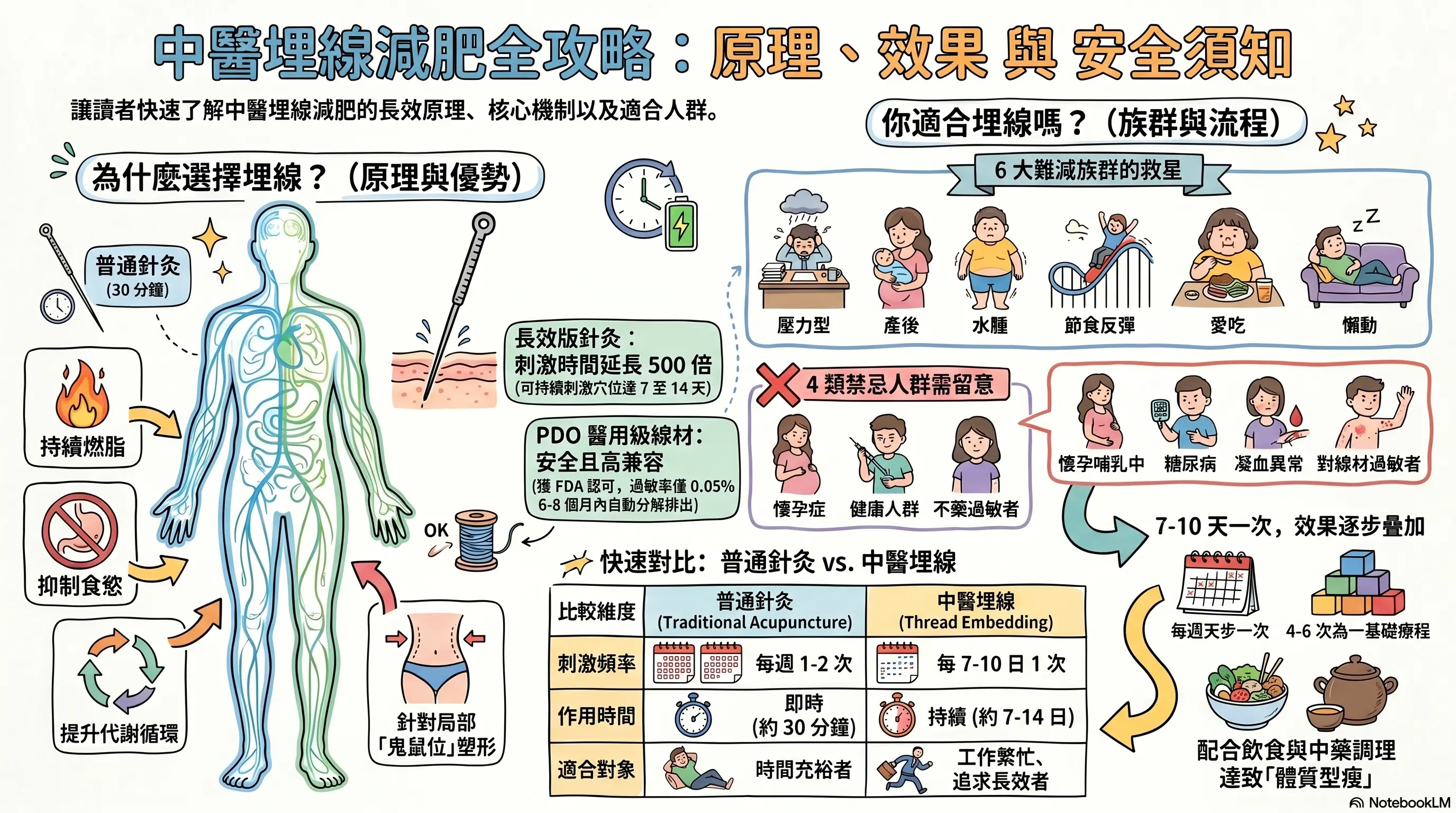 To help readers quickly grasp the content, this image was generated by NotebookLM. Some Chinese characters may not render correctly.
"I have tried diets, exercise, and slimming teas — the weight just will not come off." This is how many of our patients begin their first consultation.
In recent years, TCM acupoint catgut embedding (often shortened to "thread embedding") has gained significant attention in Hong Kong. The reason is not mysterious: for those who have already tried multiple methods without success, or who suffer from low metabolism, water retention, or post-partum weight that simply will not shift, embedding offers a middle path — one that does not require frequent acupuncture sessions yet still provides continuous stimulation of acupoints.
Online information on this treatment varies widely in quality. Some sources describe it as miraculous; others dismiss it entirely. Rather than taking sides, this article — written from the perspective of a Registered Chinese Medicine Practitioner — walks through the underlying mechanism, the choice of thread material, who is and is not suitable, the treatment procedure, post-treatment care, and 11 of the most common patient questions.
What Is TCM Acupoint Catgut Embedding for Weight Loss?
TCM acupoint catgut embedding is an external Chinese-medicine treatment in which an absorbable medical thread is implanted, via a fine needle, into specific acupoints — typically between the layers of fat and muscle.
Once embedded, the thread gradually breaks down over the following 6 to 8 months and is ultimately excreted as water through urine. During this period, the thread provides continuous stimulation of the acupoint, effectively delivering a "long-acting acupuncture treatment" that helps regulate endocrine function, raise metabolism, suppress appetite, and rebalance the constitution.
The key difference between embedding and conventional acupuncture lies in duration:
| Dimension | Conventional Acupuncture | Catgut Embedding |
|---|---|---|
| Stimulation type | Immediate; needle retained 20–30 minutes | Sustained; effective for 7–14 days |
| Frequency required | 1–2 sessions per week | Once every 7–10 days |
| Best suited for | Those with flexible schedules | Busy professionals seeking sustained effect from each session |
| Mechanism | Short-term meridian activation | Gentle, prolonged acupoint stimulation with cumulative effect |
In simple terms: embedding is a "long-acting version" of acupuncture — particularly suited to those with stubborn fat and limited time for repeat clinic visits.
PDO Threads vs Other Common Materials: Comparing Three Safety Records
Three categories of medical embedding thread are commonly seen on the market: catgut (traditional, animal-derived), generic protein thread, and PDO (polydioxanone). They differ in biocompatibility, absorption time, and safety record.
| Material | Composition | Absorption Time | Safety Record | Allergy / Rejection Risk | FDA Approval |
|---|---|---|---|---|---|
| Catgut | Animal intestine (bovine / ovine) | About 2–4 weeks | Decades of use, but animal-derived | Higher (some patients react to animal protein) | No (for most traditional preparations) |
| Generic protein thread | Synthetic protein fibre | About 1–3 months | Widely used; quality varies | Moderate | Depends on manufacturer; not universal |
| PDO (polydioxanone) | Medical-grade polymer | About 6–8 months | Used globally for over 40 years, including in surgical sutures | Low (allergy rate around 0.05%, i.e. 1 in 2000) | Yes — recognised by the US FDA as safe for human use |
From a clinical-selection perspective, PDO threads offer three advantages:
- The most established safety record — PDO has been used in surgical suturing for over 40 years, with substantial clinical safety data and FDA recognition.
- Longer absorption period, allowing cumulative effect — Catgut breaks down within 2–4 weeks, meaning acupoint stimulation fades quickly. PDO remains in the body for 6–8 months, and combined with sessions every 7–10 days, the effects compound for greater stability.
- Low allergy rate — Animal-derived threads can trigger allergic reactions in sensitive constitutions. As a synthetic polymer, PDO carries an allergy rate of only around 0.05%.
That said, no medical material is "zero risk." A very small minority may still react to PDO (granulomas, localised redness, urticaria). For this reason, the practitioner will always check for prior history of allergic reaction to PDO or similar suture materials before treatment.
How Does Catgut Embedding Aid Weight Loss? Four Core Mechanisms
Embedding is not "spot-reduction magic." Its weight-loss effect is grounded in four physiological mechanisms:
1. Sustained Fat Burning: The Golden Window of Days 3–7
Once the thread is implanted, the body produces a mild micro-inflammatory response that accelerates fat mobilisation. Clinically, days 3 to 7 after embedding constitute the "golden fat-burning window". Pairing dietary control and moderate exercise with this window produces the most visible results.
2. Reduced Appetite — Without Suppression or Willpower
The thread continuously stimulates acupoints linked to the digestive system (such as Zhongwan CV12, Tianshu ST25, and Zusanli ST36), the equivalent of receiving daily micro-acupuncture. Many patients describe feeling fuller more quickly and naturally eating smaller portions — not through willpower, but as the body's automatic response to acupoint regulation. The effect typically lasts 1–2 weeks, conveniently aligning with the period needed to retrain eating habits.
3. Improved Metabolism: Better Circulation, Less Bloating
Acupoint stimulation slightly raises local temperature, increasing energy expenditure. This is particularly helpful for patients with "water-retention obesity" or "yang-deficient" constitutions (cold extremities, easy fatigue). As metabolism improves and water retention subsides, the silhouette previously masked by fluid begins to re-emerge — patients commonly notice their waistband loosening, rings sliding more freely, and morning facial puffiness fading as early signs of progress.
4. Targeted Sculpting for Stubborn Fat
Stubborn fat deposits — lower abdomen, inner thighs, and the back of the upper arms — typically only mobilise once total body fat falls below around 20%. By selecting acupoints corresponding to specific regions, embedding can address localised fat and improve overall proportions. At the same time, the prolonged contraction of muscle fibres around the thread is akin to performing an extended plank exercise at the local site, helping firm muscle tone and prevent skin laxity during fat loss.
We always emphasise: embedding is an aid, not a miracle. It can help break through plateaus, but it cannot replace dietary and lifestyle adjustments. The patients who see the fastest results are invariably those willing to commit to balanced eating, moderate exercise, and consistent rest.
Who Benefits Most? Six Common "Hard-to-Slim" Body Types
Not every type of weight gain responds well to "diet alone" or "slimming teas." The following six patterns, which we encounter regularly in clinic, are precisely the ones embedding tends to help most:
- Stress type — chronic work stress with liver-qi stagnation; late-night eating, sweet cravings, fat concentrating around the abdomen
- Post-partum type — qi-and-blood deficiency, abdominal muscle separation, reduced metabolism after delivery
- Water-retention type — bloated despite adequate water intake; lower body more swollen than upper; thick tongue coating, easy fatigue
- Repeat-dieter type — basal metabolic rate suppressed by repeated dieting; harder to lose each time; rebounds quickly when restriction stops
- Big-appetite type — strong hunger signals, habitual eating, difficulty controlling portions through willpower alone
- Sedentary type — desk-bound, minimal exercise, low muscle mass and lower metabolic rate
If you fit one or two of these patterns, embedding combined with herbal regulation can often break the "diet–rebound–diet again" cycle.
Who Should Not Have Embedding? Four Categories of Contraindication
Although the safety record is strong, the following situations call for postponement or an alternative approach:
- Pregnant or breastfeeding women — both the threads and acupoint stimulation may affect the foetus or milk supply
- Diabetes or coagulation disorders — wound healing is compromised, and the risks of bleeding or infection rise
- Active fever or infection — the body is already in an acute inflammatory state; adding stimulation is unwise
- Known allergy to PDO threads — alternative treatment must be considered
In addition, the following warrant individual assessment by the practitioner: severe hypertension, heart disease, communicable disease, keloid-prone skin, unstable mental state, recent surgery or fillers in the proposed treatment area, and current use of aspirin or anticoagulants. Please disclose all relevant medical history, allergies, and current medications at your first consultation.
The Treatment Procedure: 7 Steps from First Consultation to Follow-Up
Many patients ask, "What actually happens when I arrive at the clinic?" Here is the full sequence:
- Initial consultation (45–60 minutes) — the practitioner conducts the four diagnostic methods (observation, listening, questioning, pulse-taking), reviews constitution, lifestyle, weight-loss goals, and screens for contraindications
- Baseline measurements — weight, body fat, waist, arm and thigh circumference, plus full-body photographs for progress comparison
- Skin disinfection — strict sterilisation of all embedding sites to minimise infection risk
- Thread preparation — the PDO thread is loaded into a fine needle
- Placement — the practitioner inserts the thread between the fat and muscle layers, secures it with the adjuster, and removes the needle
- Wound dressing — waterproof dressings are applied; normal showering can resume after 4–5 hours
- Schedule next visit — typically every 7–10 days, with 5–10 sessions forming a complete course
The first session generally uses fewer threads to allow the body to adapt; from the second session onward, the practitioner adjusts the thread count based on observed response. Effects compound across sessions, so it is unwise to judge the treatment by a single visit.
9 Things to Note Before and After Embedding
Embedding is minimally invasive, but pre- and post-treatment care affects both outcomes and safety.
Before embedding:
- Avoid aspirin and NSAIDs for one week prior, as they may increase bruising and bleeding (consult your doctor before stopping any medication)
- In the 1–2 days before, avoid alcohol, late nights, prolonged sun exposure, and high-intensity exercise
- Keep the skin clean; avoid irritating skincare products or makeup at the treatment site
- Do not arrive overly hungry or full; empty your bladder beforehand
After embedding:
- Keep wounds dry and untouched for 24 hours; normal showering may resume thereafter
- For 3 days, avoid spicy, oily, and allergenic foods (beef, lamb, shrimp, crab, shellfish) to avoid aggravating inflammation
- Avoid vigorous exercise and massage of the embedded area; gentle activity such as walking is encouraged
- Drink plenty of water to support metabolism and thread breakdown
- If significant inflammation, severe redness, persistent pain, or unusual discharge develops, contact the clinic for a follow-up immediately
A pea-sized firm bump may appear at the embedding site for 1–3 days; mild soreness is normal for up to 7 days; symptoms generally resolve within 7–10 days. Bruising, if present, can be eased with gentle warm compresses from day 2–3.
11 of the Most Common Patient Questions
1. How much can I lose in one session?
Results vary widely. Highly compliant patients (those who follow dietary, exercise, and herbal recommendations) typically see noticeable weight and fat reduction after the first session. We have observed cases of 5.8 lb loss in the first week with abdominal embedding plus disciplined diet and exercise; we have also seen cases where insufficient lifestyle support produced only about 1 lb. Your practitioner will assess your constitution first and design a personalised plan that prioritises safety over speed.
2. Is embedding painful? Will it leave scars?
The needles used are very fine — less painful than a routine blood draw, though sensitivity varies. Puncture sites generally heal without visible scarring, and recovery is rapid.
3. How many sessions are in a course? How often should I come?
Typically once every 7–10 days, with 4–6 sessions forming a basic course. For more stable, long-lasting results, the course may be extended to 5–10 sessions, depending on individual constitution and response.
4. Will the weight come back?
Yes — if dietary and lifestyle habits are not adjusted, rebound is possible. We recommend combining embedding with personalised dietary guidance, herbal regulation, and exercise recommendations to achieve "constitutional weight loss" — addressing the root cause rather than just the number on the scale.
5. Can I target specific body areas?
Yes. By selecting acupoints corresponding to specific regions (lower abdomen, inner thighs, "bingo wings", etc.), localised fat and proportions can be addressed.
6. Can I have embedding during my period?
It depends on the practitioner's assessment. If you have a tendency to heavy or prolonged bleeding, embedding during the period is best avoided. If bleeding is normal, treatment can proceed and may even be combined with acupoints supporting menstrual health.
7. What sensations or reactions are normal afterwards?
Common sensations include localised soreness, mild redness or bruising, generally resolving within 1–3 days. Some patients also feel fuller faster and notice reduced appetite — a normal regulatory response.
8. Is it safe to leave threads inside the body?
PDO threads have been used globally for over 40 years and are FDA-recognised as safe for human use. The threads break down into water within 6–8 months and are excreted in urine; no removal is needed.
9. I am taking weight-loss injections / sleeping pills / blood pressure medication — can I still have embedding?
In most cases, yes — but you must disclose all current medications at your first consultation so the practitioner can assess interactions. Anticoagulants and aspirin, for instance, can increase bleeding risk and need to be discussed in advance.
10. What if I develop an allergy or hard nodule?
Small nodules from the body's response to the thread are normal and usually resolve within 7–10 days. Severe redness, heat, pain, granulomas, or urticaria warrant a return visit. We will assess whether the reaction is a true PDO allergy and respond accordingly. The PDO allergy rate is approximately 0.05% (1 in 2000).
11. Can people with hypertension, hyperlipidaemia, or diabetes have embedding?
It depends on individual assessment. These conditions are not absolute contraindications, but well-controlled diabetes, coagulation disorders, and severe hypertension carry higher risk and require evaluation case by case. We have completed treatment for patients in their 60s with well-controlled chronic conditions, but every situation is different — please do not self-assess.
How Aspira TCM Approaches Embedding
At Aspira TCM, several principles guide our embedding practice:
- No cap on thread count — our whole-body packages have no thread limit; the practitioner determines what the patient actually needs without artificial cost-saving caps
- Always face-to-face assessment — even returning patients are reassessed at every visit, so acupoint selection adapts to constitutional changes
- Transparent materials — the PDO threads we use are FDA-recognised; manufacturer and origin information is available on request
- Combined with herbal medicine and nutritional consultation — embedding alone is one tool among several. We encourage pairing it with herbal regulation (constitutional) and nutritional consultation (dietary patterns) for sustained results
- We will tell you if it is not for you — if assessment indicates that embedding is unsuitable (because of contraindication, or unrealistic expectations), we will say so directly and suggest alternatives
Our guiding principle is "The healer gives their all; the physician follows their conscience." In a field as charged with body-image and emotional pressure as weight loss, we believe candour and professionalism matter more than closing a sale.
— Dr Au Kwok Po, Arthur | Registered Chinese Medicine Practitioner (Certified Nutritionist) Reg. No.: 009884 Aspira TCM Clinic | TCM Weight Management, TCM Nutrition, Dermatology
Want to Know If Embedding Suits You? Book a Consultation
If you fit one of the hard-to-slim patterns above, or if other approaches have not delivered results, you are welcome to book a consultation with Dr Au, who will assess your constitution before recommending a treatment direction.
How to book:
- WhatsApp: Book here
- Phone: 2110 9337
- Address: Room 2706, Saxon Tower, 7 Cheung Shun Street, Lai Chi Kok
Disclaimer: Every patient's constitution and circumstances differ, and outcomes vary accordingly. The above is intended for health education only and does not constitute medical diagnosis or treatment advice. Weight management involves multiple factors including chronic conditions and current medication; please consult a Registered Chinese Medicine Practitioner before deciding on any treatment. Acupoint and procedural details are shared for academic purposes only — please do not attempt self-treatment.
Disclaimer: This article is for health education and reference purposes only and does not constitute medical advice, diagnosis, or treatment. Each patient's condition is unique and treatment outcomes vary. Please consult a registered TCM practitioner or qualified healthcare professional for health concerns.
Further Reading
Hand-picked related articles and real cases to read next.
TCM Embedding vs Injections vs Aesthetics vs Liposuction
With so many weight-loss options on the market, which is right for you — TCM embedding, weight-loss injections, fat-freezing, or liposuction? Dr Au compares all four mainstream approaches across mechanism, speed of results, side effects, price range, rebound rate, and suitability — helping you avoid the pitfalls of "stop the drug, gain it back" and "treat the symptom, not the root."
Acupoint Embedding in Hong Kong: 2026 Pricing & Clinic Guide
Hong Kong acupoint embedding fees range from a few hundred to over three thousand dollars per session — but why? This guide breaks down 2026 market price ranges, six factors driving the fee differences, seven questions to ask before booking, four red-flag warnings, and a transparent line-by-line look at Aspira TCM's three packages — to help you choose what genuinely suits you.
Want to learn more? WhatsApp us for a free consultation
Book via WhatsAppExplore our full range of treatments: Traditional TCM Services
Related Articles
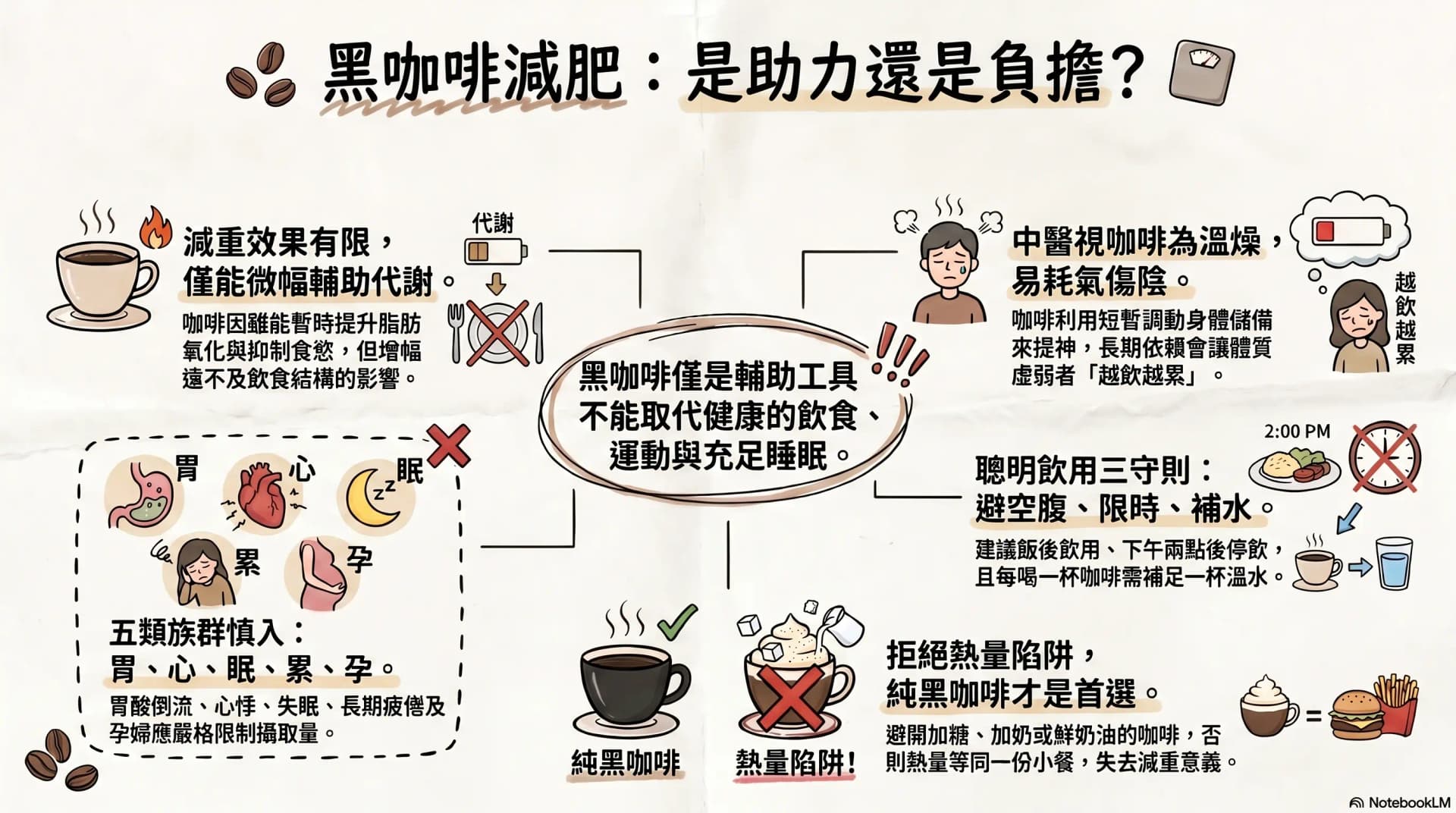
Does Black Coffee Help with Weight Loss? Timing and Side Effects
Black coffee may briefly raise metabolism and suppress appetite, but for those with acid reflux, palpitations, insomnia, chronic fatigue or premenstrual symptoms, it can do more harm than good. This article looks at the evidence and the TCM perspective, identifies five body types that should drink with care, and explains how to arrange timing and quantity sensibly.
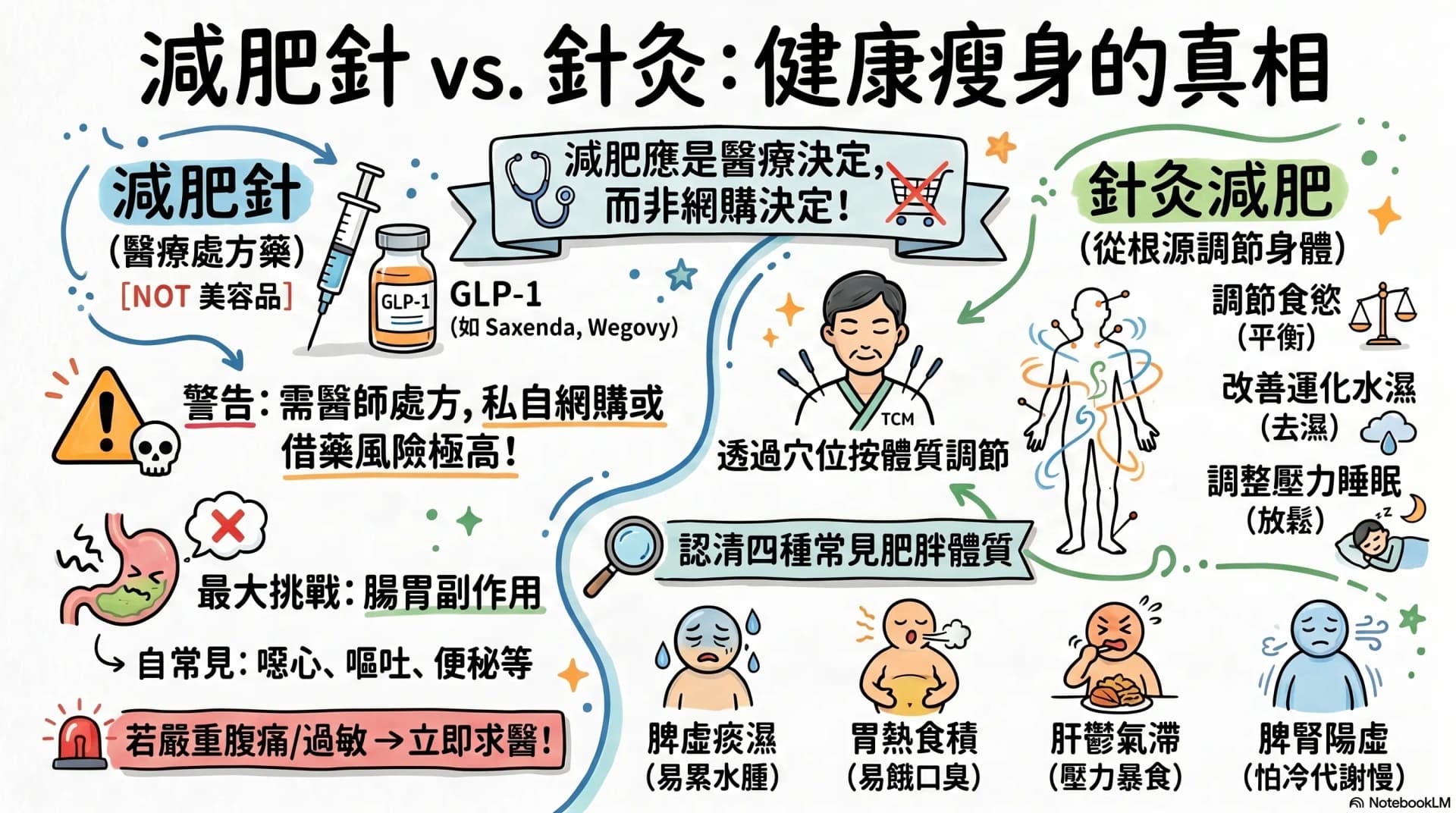
Weight-Loss Injections vs Acupuncture: Side Effects & TCM
Many people in Hong Kong are interested in GLP-1 weight-loss injections but worried about side effects, rebound, and prescription safety. This article explains the common risks of weight-loss injections, then explores obesity patterns in TCM, how acupuncture may support weight management, and who may be more suitable for a TCM weight-loss assessment first.
Bloated and Heavy? Phlegm-Damp Obesity and Water Retention in TCM
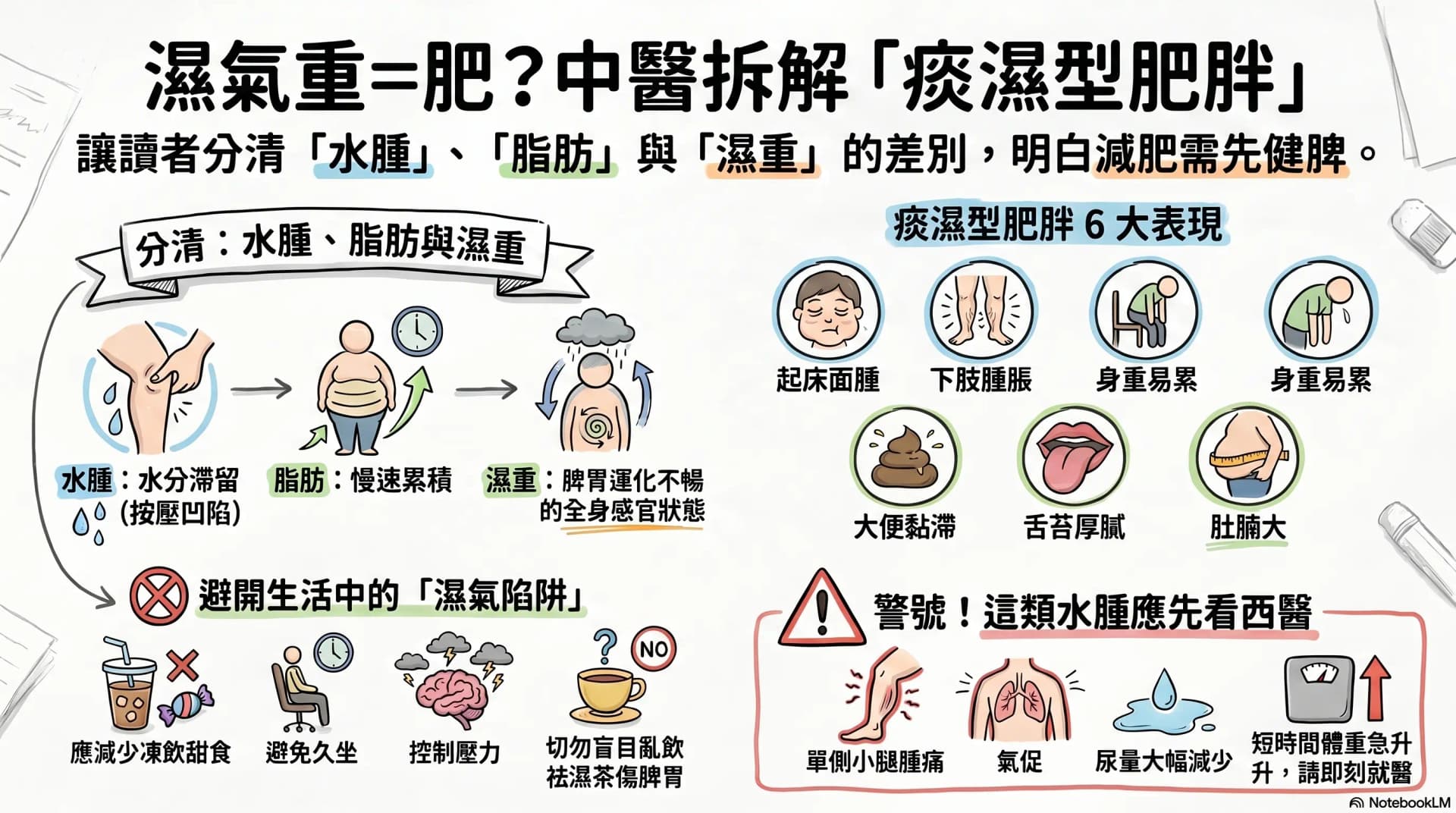
If you do not eat excessively but often feel puffy, bloated, heavy, and tired, with weight fluctuating up and down, could “dampness” be part of the picture? This article explains the TCM view of water retention, phlegm-damp obesity, and why dampness-focused weight management is not the same as simply “draining water.”