Bloated and Heavy? Phlegm-Damp Obesity and Water Retention in TCM
If you do not eat excessively but often feel puffy, bloated, heavy, and tired, with weight fluctuating up and down, could “dampness” be part of the picture? This article explains the TCM view of water retention, phlegm-damp obesity, and why dampness-focused weight management is not the same as simply “draining water.”
Medical review: Dr. Au Kwok Po, Arthur,Registered Chinese Medicine Practitioner #009884
1-Minute Quick Answer
Puffiness, leg swelling, bloating, and heaviness aren't always obesity — they may signal phlegm-damp obesity or water retention, but dampness isn't a synonym for body fat. This guide (reviewed by Dr Au, CMCHK 009884) covers how to tell oedema, fat, and TCM dampness apart, treatment directions, and when swelling needs Western review first.
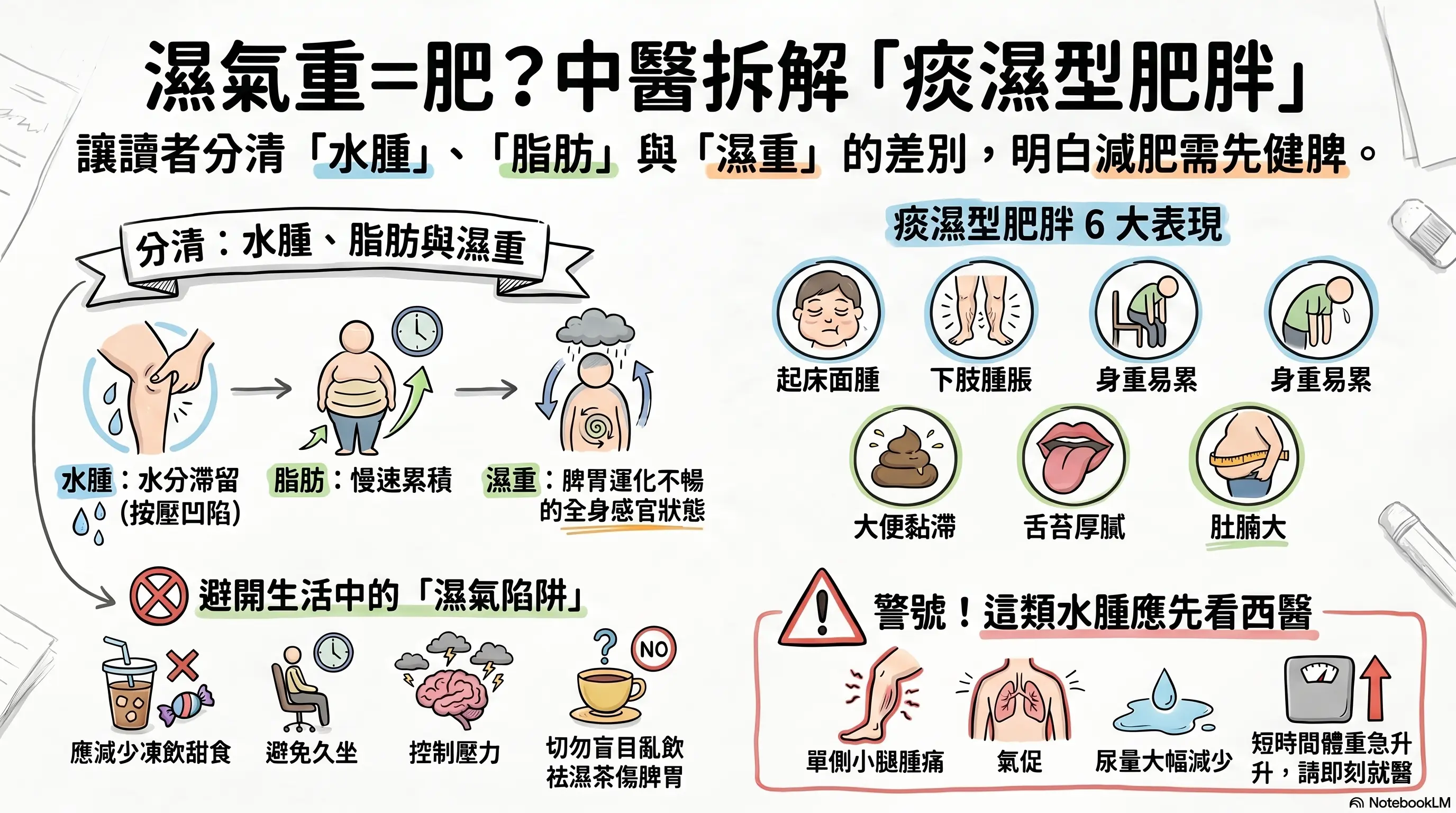 To help readers understand the topic quickly, this image was generated by NotebookLM. Some Chinese characters may not render correctly.
“Maybe I am not really overweight — maybe it is just dampness?”
Dr Au hears this often. Some people get puffy in the face or legs whenever the weather is damp, and their weight drops a little if they eat more carefully for a few days. Some feel their abdomen is bloated and heavy, have a thick tongue coating, sticky stool, and a constant sense of bodily heaviness. Others drink “dampness-clearing teas” for long periods, feel lighter at first, and then rebound again.
The first point should be made clearly: dampness can contribute to heaviness, puffiness, fatigue, and bloating, and it may be part of phlegm-damp obesity. But obesity cannot be solved simply by “removing dampness.” The real question is whether the extra weight or discomfort comes mainly from water retention, body fat, digestive stagnation, or a combination of several issues.
This article explains how TCM understands dampness, oedema, phlegm-dampness, and rising body weight, and when TCM weight management may be suitable versus when medical investigation should come first.
First Distinguish Oedema, Fat Gain, and a Sense of Dampness
Many people assume that an increase on the scale automatically means more fat. But body weight can shift because of fluid retention, salt intake, menstrual timing, constipation, sleep, muscle repair after exercise, or true fat accumulation.
| Situation | Common presentation | Key distinction |
|---|---|---|
| Oedema | Puffy face or eyelids, ankle swelling, lighter after rest or salt reduction | Weight may fluctuate quickly; pressing the lower leg or ankle may leave a dent |
| Fat gain | Waist, hips, or abdominal fat slowly increase | Usually develops over weeks to months and relates to total calories, activity, sleep, and stress |
| Digestive bloating | Abdominal fullness after meals, gas, constipation, or sticky stool | Weight may not rise much, but abdominal size and bloating are obvious |
| TCM “damp heaviness” | Heaviness, head heaviness, fatigue, thick greasy tongue coating, sticky stool | Suggests poor transformation of fluids and digestion, possibly alongside fat or oedema |
The key point: dampness is not simply another word for body fat. It is a TCM description for disturbed fluid handling, phlegm-turbidity, and sluggish transformation.
What Do “Dampness” and “Phlegm-Dampness” Mean in TCM?
In TCM, the spleen and stomach are responsible for transforming food and fluids into usable qi, blood, and body fluids. When someone consumes too much sweet, greasy, or cold food, moves too little, or already has weaker digestive function, fluid transformation may slow down and create “dampness.”
If dampness lingers, it may further develop into “phlegm-dampness.” Here, “phlegm” does not only mean visible sputum. It also refers to sticky, turbid pathological material that the body struggles to move. People with more phlegm-dampness often feel heavy, bloated, chest-tight, more mucus-prone, have a thick greasy tongue coating, and often accumulate more central fat.
When assessing damp-type weight gain, a TCM practitioner looks beyond swelling alone and asks:
- Do you feel sleepy or bloated after meals?
- Is the stool sticky or hard to flush cleanly?
- Do you often feel heavy-headed, chesty, or full of mucus?
- Do you crave cold drinks, sweets, milk tea, or late-night food?
- Are sleep, stress, and activity patterns chronically unstable?
Eight Common Signs of Phlegm-Damp Obesity
The following are not for self-diagnosis, but they can suggest whether a constitution assessment may be useful.
- Puffiness around the face or eyelids in the morning
- Swelling in the lower limbs, especially after sitting long or in humid weather
- A dragging sense of bodily heaviness and fatigue when walking or climbing stairs
- A distended lower abdomen or thick waistline, especially after eating
- Thick white or yellow greasy tongue coating, sticky mouth sensation
- Sticky stool, loose stool, or unsatisfying bowel movements
- Appetite may not be huge, but there is a strong pull toward sweets, milk tea, or heavily seasoned food
- Weight loss seems to happen quickly at first through fluid loss, then stalls or rebounds
If this is combined with coldness, low energy, and cold hands or feet, the pattern may include spleen-yang weakness. If there is dry mouth, bitter taste, acne, constipation, or strong preference for cold drinks, damp-heat or stomach heat may also be involved. TCM weight management starts with pattern differentiation, not one single “dampness” formula for everyone.
Why Are Hong Kong Readers So Prone to “Dampness”?
Hong Kong’s humid climate is only one factor. In practice, everyday habits are often what progressively slow digestion and metabolism.
| Common habit | Impact on the body | What TCM pays attention to |
|---|---|---|
| Cold drinks, sugary drinks, milk tea | Sugar and cold drinks can burden digestion | Whether the picture fits spleen deficiency with dampness |
| Frequent takeaway, salty and oily food | High sodium promotes water retention and greasy food can worsen phlegm-dampness | Swelling, sticky mouth, thick coating |
| Long sitting and little movement | Poorer circulation and lower energy expenditure | Leg swelling, central weight gain, sluggish qi movement |
| Poor sleep | Disrupts appetite, stress hormones, and routine | Night eating, fatigue, emotional eating |
| Chronic stress | Liver qi stagnation can affect spleen function | Bloating, premenstrual swelling, overeating |
| Blindly drinking “dampness-clearing” teas | If constitution does not suit them, digestion may weaken further | Whether the person feels worse, looser-stooled, or more tired |
In reality, many people do not suddenly “develop dampness.” Rather, long-term food choices, poor sleep, and sedentary habits push the body into a damp-heavy state.
Does Removing Dampness Equal Weight Loss?
No.
For some people, reducing dampness may lessen water retention, make the body feel lighter, and improve bloating, so the number on the scale may drop in the short term. But if the real issue also includes fat accumulation, poor appetite control, low muscle mass, poor sleep, or stress eating, then “removing dampness” alone often becomes a short-lived improvement followed by rebound.
A more responsible TCM approach first clarifies the main problem:
| Main issue | Common direction |
|---|---|
| Clear oedema, heaviness, thick tongue coating | Strengthen the spleen, transform dampness, regulate fluids |
| Central fat, mucus tendency, sleepiness after meals | Strengthen the spleen, resolve phlegm, improve meal rhythm |
| Stress, premenstrual swelling, bloating | Soothe the liver, regulate qi, address sleep and emotion |
| Coldness, fatigue, cold limbs | Warm yang and strengthen the spleen; avoid overly cold damp-clearing methods |
| Strong appetite, dry mouth, constipation | Clear stomach heat and regulate appetite; avoid indiscriminate warming |
The real goal is not simply to “drain fluid away,” but to restore coordination between digestion, fluid handling, eating rhythm, and physical activity.
How Does TCM Usually Manage Damp-Type Weight Gain?
TCM weight management may involve herbs, acupuncture, ear acupoints, dietary advice, and lifestyle adjustment depending on the constitution. For phlegm-damp obesity, common directions include:
-
Strengthening digestion
This helps improve post-meal bloating, fatigue, and loose or unformed stool so the body can better handle food and fluids. -
Transforming dampness
This targets heaviness, thick tongue coating, leg swelling, and sticky mouth sensation. -
Regulating qi
If stress, long sitting, emotional eating, or cyclical bloating are important, dampness treatment alone may not be enough. -
Adjusting food pattern
The aim is not “never eat starch again,” but to reduce sugary drinks, cold drinks, late-night eating, greasy food, and excessive refined carbohydrates. -
Increasing activity
Dampness is not shifted by tea alone. Walking, muscle training, and after-meal movement are often more practical than endlessly increasing herbal damp-clearing drinks.
Clinical reminder: the most difficult pattern is when someone drinks dampness-clearing tea while continuing cold drinks, sweets, late nights, and long hours sitting. The treatment then becomes a constant tug-of-war.
What Can You Start Changing in Food and Routine?
The following are general, safer directions rather than individual prescriptions:
- Reduce or stop cold drinks, sweet drinks, milk tea, alcohol, and late-night meals
- When eating out, choose less sauce, less salt, and fewer deep-fried items
- Keep enough protein in each meal, such as fish, eggs, tofu, or lean meat
- Keep starch portions steady instead of swinging between total restriction and overeating
- Increase vegetables and fibre to support bowel habit
- Walk for 10 to 20 minutes after meals to support blood sugar and digestion
- Avoid drinking long-term cold damp-clearing teas on your own, especially if you feel cold, have stomach pain, loose stool, or unstable menstruation
Ingredients such as winter melon, red adzuki beans, and coix seeds are indeed often used in food-based dampness support. But food therapy is only a mild daily tool, not a replacement for proper constitution-based treatment. If oedema is obvious or persistent, finding the cause is more important than blindly “removing dampness.”
When Should Swelling Be Medically Checked First?
Not every kind of swelling can be treated as “dampness.” The following situations should be medically checked first, or urgently:
- Rapid weight gain over a short time together with obvious swelling of the face or legs
- Sudden one-sided calf swelling, pain, redness, or warmth
- Swelling together with breathlessness, chest pain, palpitations, or inability to lie flat
- Marked reduction in urine, foamy urine, or blood in urine
- Existing heart disease, kidney disease, liver disease, or thyroid disease
- Sudden swelling in pregnancy, especially with headache or high blood pressure
- Swelling with marked fatigue, poor appetite, jaundice, or abdominal fluid
TCM can help with constitution and dampness, but acute swelling, one-sided swelling, or swelling with heart, lung, kidney, or liver warning signs should never be delayed.
A TCM Weight Assessment Can Be a Good Starting Point
If you are unsure whether your problem is mainly body fat, water retention, a damp-heavy constitution, or weight gain related to stress and eating rhythm, a structured assessment can be a sensible first step.
At Aspira TCM, the doctor reviews BMI, waist circumference, recent weight changes, eating pattern, sleep, bowel habit, swelling pattern, tongue and pulse findings, and activity level. From there, it becomes clearer whether TCM weight management, acupuncture, nutritional guidance, or Western medical testing should come first.
The key is not to call every case “dampness,” but to understand why the body is struggling to slim down in the first place.
FAQ — Phlegm-Damp Obesity
Q1: Does “too much dampness” always cause obesity?
No. Dampness may create heaviness, swelling, and bloating, but obesity also involves calorie balance, activity, sleep, stress, hormones, medication, and chronic disease. Dampness is only one possible part of the picture.
Q2: Can dampness-clearing tea help with weight loss?
For some people it may temporarily reduce swelling or bloating, but that does not mean body fat has decreased. If your constitution is cold, digestion is weak, you tend to have loose stool, or menstruation is unstable, long-term self-use of these teas may be unsuitable.
Q3: If my weight gain is water-retention type, do I still need exercise?
Yes. Low activity reduces lower-limb circulation, fluid movement, and energy expenditure. People with damp-heavy patterns often need gradual walking and muscle-strengthening even more.
Q4: Does dampness mean I must stop eating rice or starch completely?
No. The real targets are sugary drinks, excess refined starch, late-night eating, and greasy food. Completely cutting staple foods may leave some people more tired, more likely to binge, or more constipated. Intake should be adjusted to constitution and activity level.
Q5: How long does TCM treatment for damp-type obesity usually take to show effect?
It depends on how much oedema is present, eating pattern, sleep, activity, and how long the weight issue has been there. If the main problem is oedema and digestive bloating, some people feel lighter relatively quickly. If long-term fat accumulation is also present, ongoing work with food, exercise, and constitution is still needed.
Disclaimer: This article is for health education only and does not replace individual consultation, investigation, or treatment advice. If you develop sudden severe swelling, breathlessness, chest pain, marked urine changes, one-sided calf pain, or other acute symptoms, seek medical care promptly.
Disclaimer: This article is for health education and reference purposes only and does not constitute medical advice, diagnosis, or treatment. Each patient's condition is unique and treatment outcomes vary. Please consult a registered TCM practitioner or qualified healthcare professional for health concerns.
Further Reading
Hand-picked related articles and real cases to read next.
Weight-Loss Injections vs Acupuncture: Side Effects & TCM
Many people in Hong Kong are interested in GLP-1 weight-loss injections but worried about side effects, rebound, and prescription safety. This article explains the common risks of weight-loss injections, then explores obesity patterns in TCM, how acupuncture may support weight management, and who may be more suitable for a TCM weight-loss assessment first.
TCM Acupoint Embedding for Weight Loss: Complete Guide + FAQ
TCM acupoint catgut embedding has become a popular weight-loss option in Hong Kong, but online information varies widely. Drawing on clinical experience, Dr Au explains the mechanism, compares thread materials, identifies six common "hard-to-slim" body types, walks through the treatment procedure, and answers 11 frequently asked questions — helping you decide whether the treatment is right for you.
Acupoint Embedding in Hong Kong: 2026 Pricing & Clinic Guide
Hong Kong acupoint embedding fees range from a few hundred to over three thousand dollars per session — but why? This guide breaks down 2026 market price ranges, six factors driving the fee differences, seven questions to ask before booking, four red-flag warnings, and a transparent line-by-line look at Aspira TCM's three packages — to help you choose what genuinely suits you.
Want to learn more? WhatsApp us for a free consultation
Book via WhatsAppExplore our full range of treatments: Traditional TCM Services
Related Articles
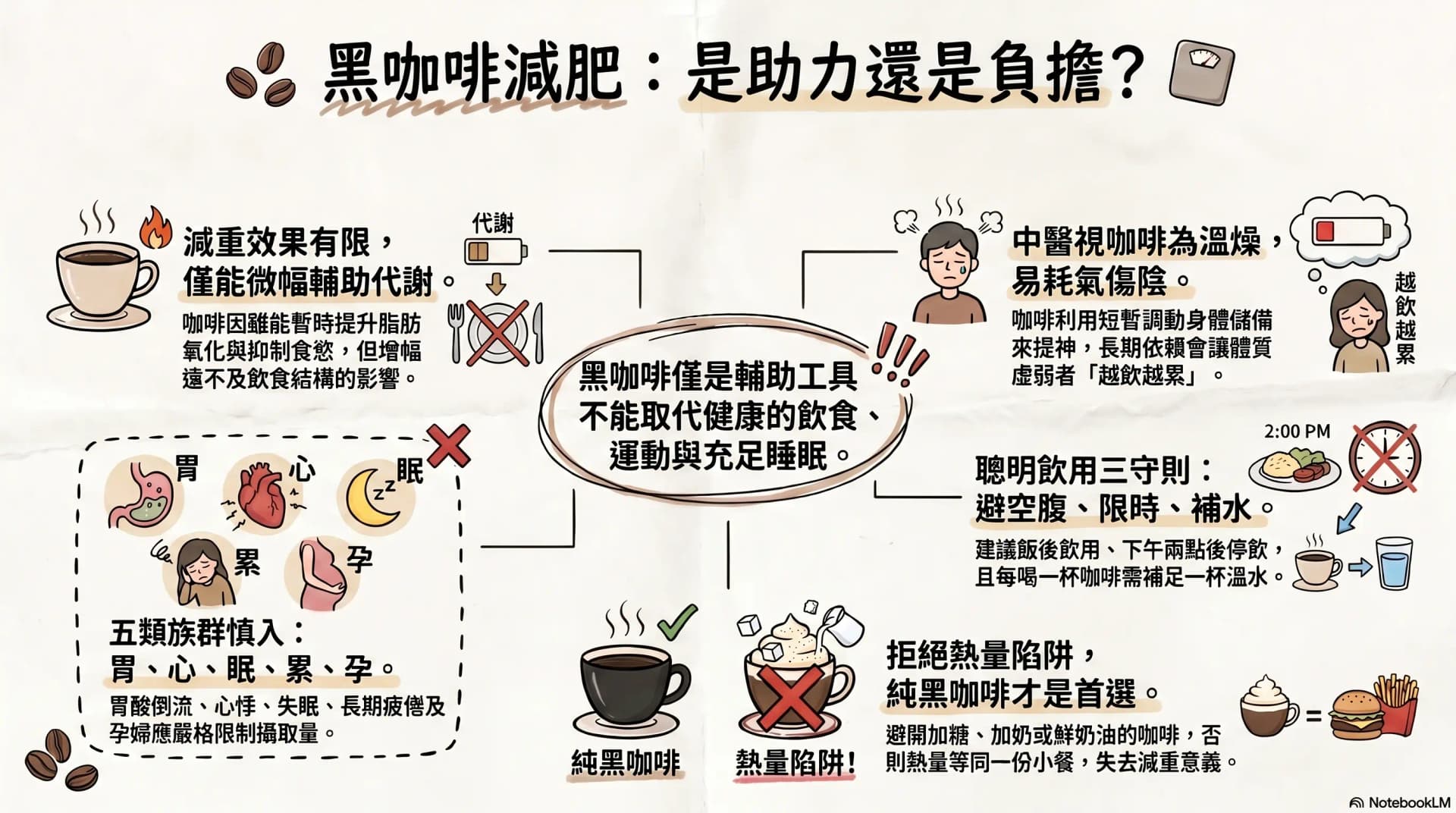
Does Black Coffee Help with Weight Loss? Timing and Side Effects
Black coffee may briefly raise metabolism and suppress appetite, but for those with acid reflux, palpitations, insomnia, chronic fatigue or premenstrual symptoms, it can do more harm than good. This article looks at the evidence and the TCM perspective, identifies five body types that should drink with care, and explains how to arrange timing and quantity sensibly.
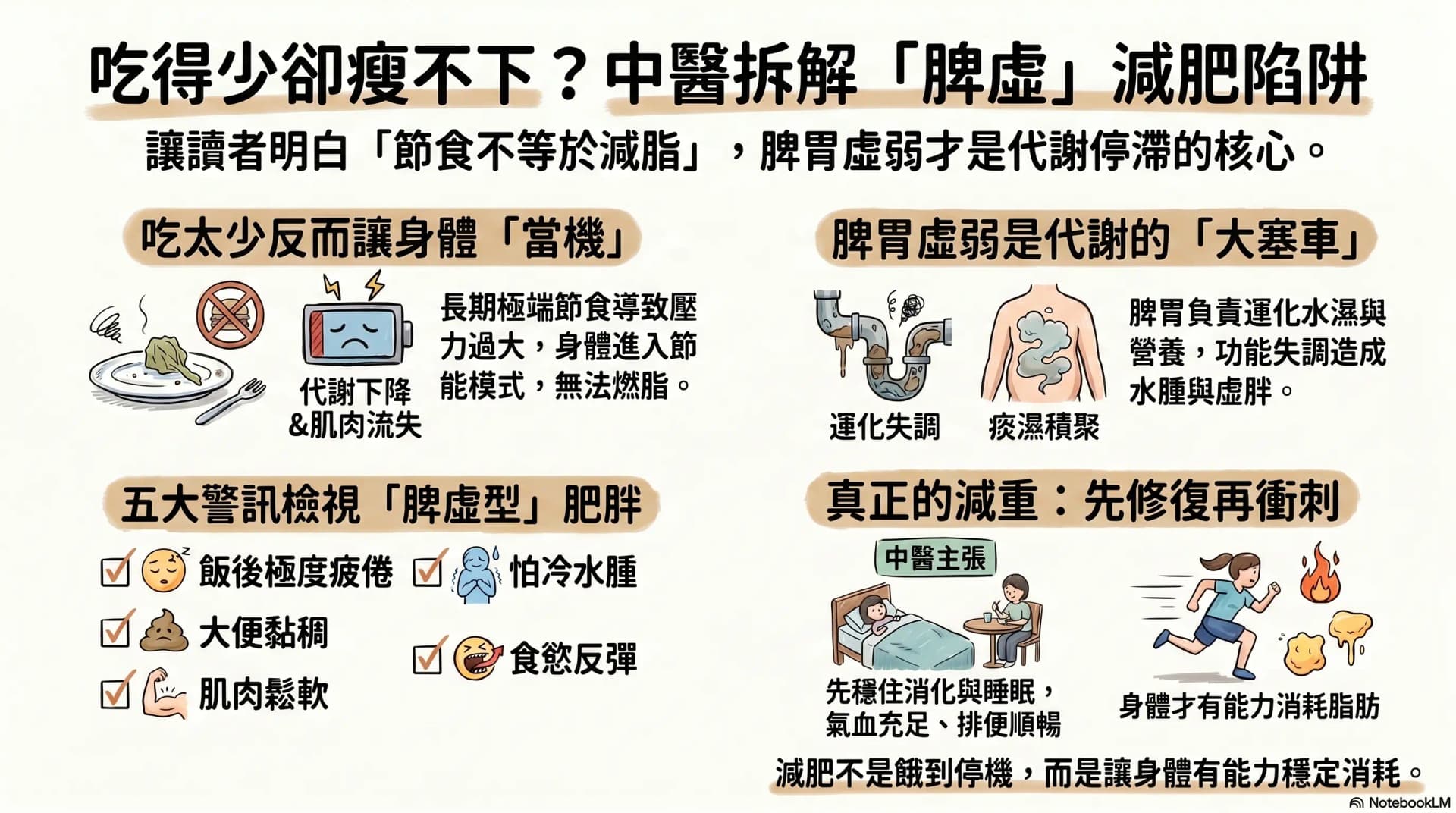
Eating Little but Not Losing Weight? TCM on Weak Digestion
Skipping breakfast, eating only salad for lunch, and cutting rice at dinner may still leave weight unchanged — or even make you more tired, swollen, and stuck. This article explains why eating less does not always lead to better fat loss, and how TCM interprets weak digestion, dampness, deficiency, and the weight-loss plateau.
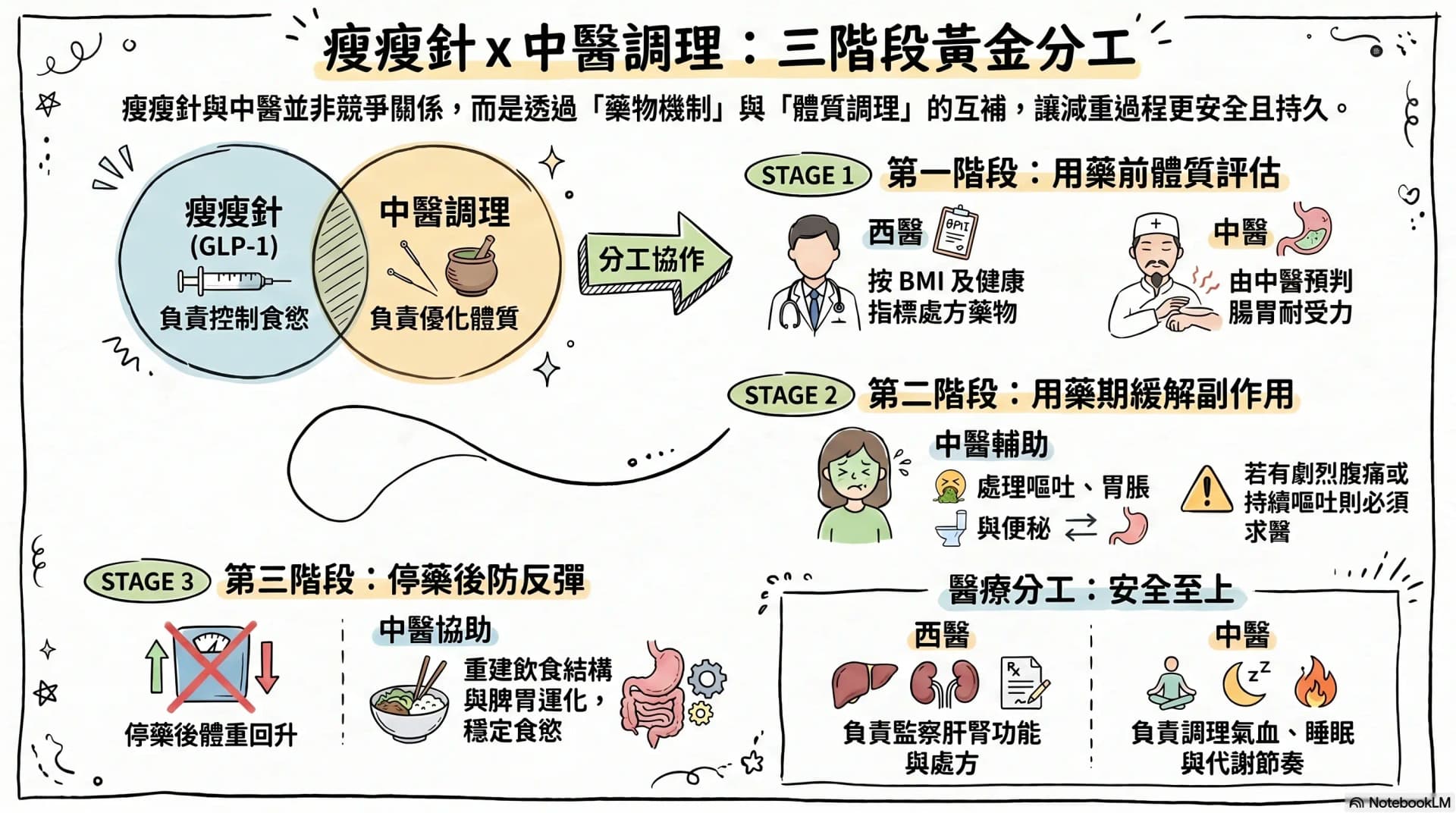
Can I See a TCM Practitioner While on a GLP-1 Injection?
GLP-1 weight-loss injections are now a major talking point in Hong Kong. This article compares the roles of prescribed GLP-1 medication and TCM care across three phases — before treatment, during treatment and after stopping — covering medical monitoring, side-effect relief and post-discontinuation rebound, and identifying scenarios that should not be managed by TCM alone.