Low Back Pain: 6 Common Causes & TCM Treatment Approaches
Low back pain is not always simply “kidney deficiency” or muscle fatigue. It may also be related to muscle strain, disc herniation, degenerative lumbar disease, kidney stones, urinary tract infection, or pelvic inflammation. This article explains six common causes of low back pain from a TCM perspective and outlines key distinctions and treatment directions.
Medical review: Dr. Wong Ka Fai,Registered Chinese Medicine Practitioner #009985
1-Minute Quick Answer
Low back pain is not always "kidney deficiency". Dr Wong (CMCHK 009985) at Aspira TCM Lai Chi Kok breaks down 6 common causes — muscle strain, disc herniation, degenerative lumbar disease, kidney stones, UTI, and pelvic inflammation — with TCM differentiation cues and treatment paths for each.
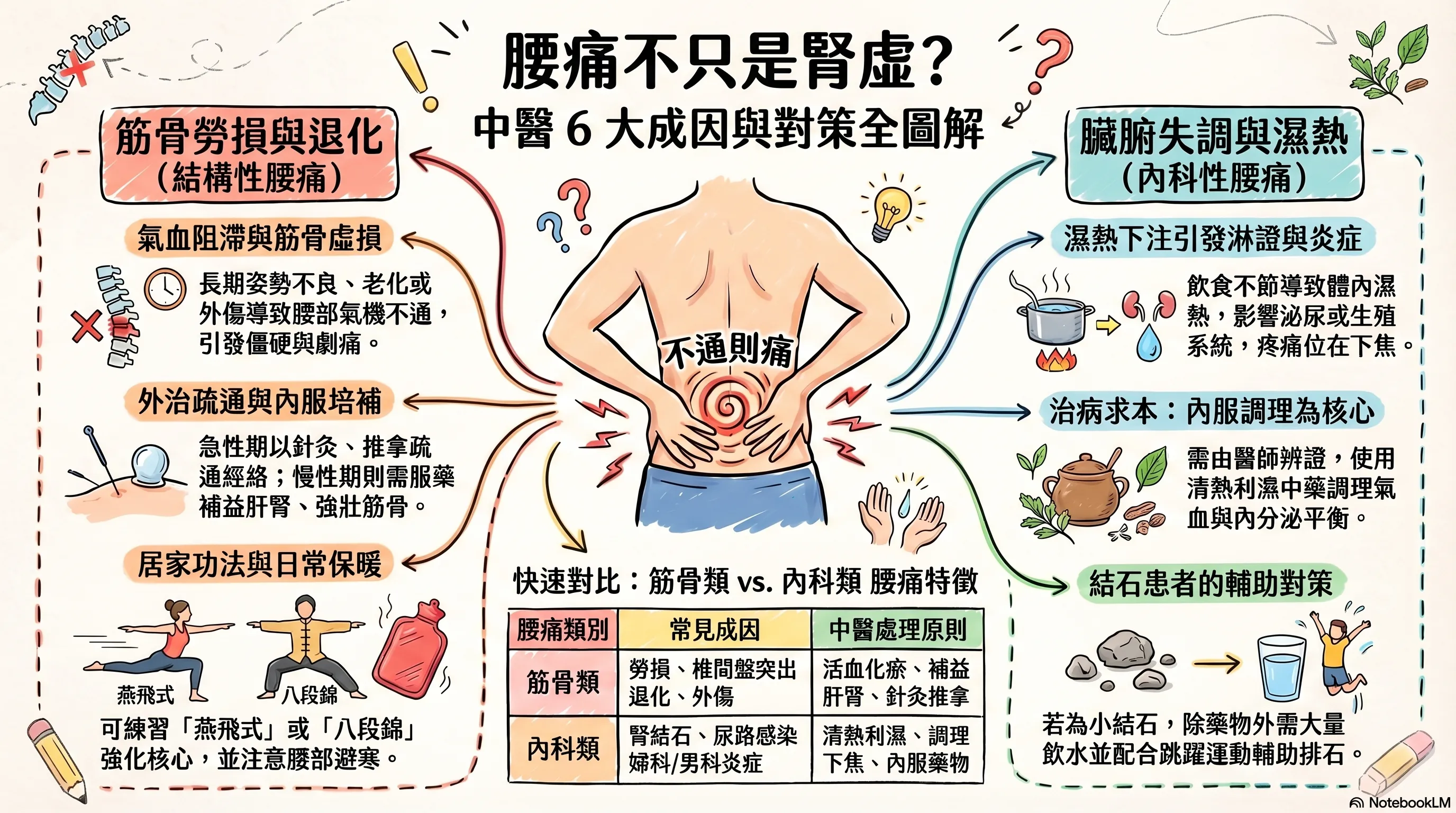 Key message: lower back pain is not always just “kidney deficiency” in TCM. Musculoskeletal strain and internal medical issues can both be the real source.
When people talk about lower back pain, one of the first things they often hear is: "Is it kidney deficiency?" In Traditional Chinese Medicine, the lower back is indeed closely related to the kidneys, but in real clinical practice, the picture is much broader than that.
Injury, muscular overuse, degeneration, damp-heat, urinary problems, and even gynaecological or andrological conditions can all lead to poor circulation in the lower back, obstruction of the channels, and pain. In other words, treating back pain is not simply a matter of “tonifying the kidneys.” The first step is identifying the true cause.
This article walks through 6 common causes of lower back pain, how TCM interprets them, and what kind of treatment approach may help.
1. The Core TCM Principle: Why Does “If There Is Obstruction, There Is Pain” Matter?
In TCM, lower back pain commonly falls into two broad patterns:
- Obstruction leads to pain: qi and blood are blocked by injury, cold-dampness, muscle tension, or blood stasis. Pain is often sharper, more fixed, and aggravated by movement.
- Lack of nourishment leads to pain: qi, blood, liver, or kidney weakness means the lower back and sinews are not properly nourished. Pain is often dull, recurrent, and worse after exertion.
This is why two people can both say they have “back pain,” yet require completely different treatment plans. One may need acupuncture to release stagnation; another may need herbal treatment and longer-term constitutional support; a third may need imaging or medical referral first.
2. Six Common Causes of Lower Back Pain
1. Lumbar Muscle Strain
This is one of the most common forms of lower back pain in city life. Long hours of sitting, poor posture, lifting heavy objects, childcare, and repeated bending can all overload the muscles of the lower back.
TCM view:
Classical Chinese medicine describes this as damage from prolonged strain. When local qi and blood circulation slows down, the muscles of the lower back become tight, undernourished, and painful.
Common signs:
- Pain is worse after prolonged sitting
- Bending or twisting creates a pulling sensation
- Warmth often helps
- There is usually no obvious leg numbness
Common TCM approaches:
- Acupuncture to unblock the channels
- Manual therapy to release tight tissue
- Cupping or heat therapy to move blood and reduce tension
- Rest from aggravating activity during flare-ups
For this pattern, acupuncture combined with hands-on treatment is often a practical first-line approach.
2. Lumbar Disc Herniation
If your lower back pain comes with buttock pain, radiating leg pain, or numbness, the issue may be more than muscle strain. A lumbar disc problem may be irritating or compressing a nerve.
TCM view:
This is often described as a condition of “root deficiency with branch excess.” The underlying structure may already be vulnerable, and then a twist, strain, or invasion of cold-dampness triggers an acute blockage of the channels.
Common signs:
- Pain radiates from the lower back into the buttock or leg
- Coughing or sneezing worsens the pain
- Sitting and standing for long periods both feel difficult
- Numbness or weakness may appear in more severe cases
Common TCM approaches:
- Reduce pain and local tension during the acute stage
- Acupuncture to ease nerve irritation and surrounding tightness
- Herbal medicine in the recovery phase to support the sinews and bones
- Depending on the case, bone-setting or rehabilitation guidance
Important: If you have persistent numbness, clear muscle weakness, or bowel/bladder symptoms, do not rely on self-treatment. Seek prompt medical assessment.
3. Degenerative Lumbar Changes
With age, lumbar degeneration, osteophytes, and spinal canal narrowing become increasingly common. This kind of pain is often not explosively severe at first. Instead, it develops gradually as chronic soreness, fatigue, or weakness.
TCM view:
As people age, kidney essence gradually declines. Since the kidneys are said to govern the bones, inadequate nourishment can contribute to degeneration and chronic lumbar weakness.
Common signs:
- Dull, recurrent pain over many years
- Worse after exertion, somewhat relieved by rest
- A feeling of weakness in the lower back or legs
- More obvious on cold or damp days
Common TCM approaches:
- Herbal medicine tailored to support the kidneys, blood, and sinews
- Moxibustion to warm and activate the governing vessel and bladder channel
- Gentle strengthening, stretching, or Baduanjin practice
- Lifestyle advice to avoid overstraining and exposure to cold
For this pattern, the goal is usually not only pain relief, but also slowing decline and building a sustainable long-term routine.
4. Urinary System Conditions
Some lower back pain is not musculoskeletal at all. Kidney stones or urinary tract infections can also present as pain in the lower back. If these are mistaken for ordinary strain, treatment may go in the wrong direction.
TCM view:
These conditions are often grouped under patterns related to “lin syndrome,” frequently involving damp-heat sinking into the lower burner.
Common signs:
- The pain feels deeper and not simply tender to touch
- Painful urination, urinary urgency, or frequency
- Fever or blood in the urine may occur
- Pain from stones may come on suddenly and intensely
Common TCM approaches:
- Herbal treatment directed at clearing damp-heat and promoting urination
- For smaller stones, increased hydration and appropriate movement may be advised
- If infection or a large stone is suspected, Western medical assessment is important
5. Gynaecological or Andrological Inflammation
Pelvic inflammatory conditions in women or prostate-related issues in men can also show up as lower back discomfort. This is one reason persistent back pain should not always be assumed to come from the spine alone.
TCM view:
The disease location is often considered to be in the “lower burner,” with damp-heat and poor qi-blood flow playing a role.
Common signs:
- Recurrent soreness in the lumbosacral region
- Lower abdominal discomfort or pelvic heaviness
- In women, discharge changes, menstrual pain, or irregular cycles
- In men, perineal discomfort or urinary difficulty
Common TCM approaches:
- Treat the root cause rather than the back alone
- Herbal medicine to clear damp-heat and regulate qi and blood
- Acupuncture may be added depending on constitution and pattern
- Referral for gynaecology or urology assessment when needed
6. External Injury
Car accidents, falls, sports injuries, or sudden strain while lifting are classic causes of traumatic lower back pain. This pain often comes on quickly and worsens sharply with movement.
TCM view:
Trauma damages the channels and leads to blood stasis. Early treatment often focuses on reducing swelling, easing pain, and restoring circulation.
Common signs:
- Pain begins soon after the injury
- Local tenderness is obvious
- Swelling, bruising, or restricted movement may be present
- One specific movement may trigger severe pain
Common TCM approaches:
- Stop aggravating activity immediately
- Use early treatment to reduce pain and swelling
- Acupuncture, external therapy, or herbal support as appropriate
- Gradual recovery of movement and stability in the later stage
If a fracture or major structural injury is possible, imaging should come first.
3. How Can You Tell Whether It Is Musculoskeletal or Internal?
The following table offers a simple way to think about it, although proper diagnosis still matters:
| Type | Typical features | Common TCM direction |
|---|---|---|
| Musculoskeletal pain | Worse after sitting, poor posture, lifting, or movement; obvious local tenderness | Acupuncture, manual therapy, moving blood, relaxing the fascia |
| Degenerative pain | Long history, worse with fatigue, often associated with weakness | Support the liver and kidneys, strengthen sinews and bones, moxibustion, long-term care |
| Internal-medical pain | Urinary symptoms, fever, lower abdominal discomfort, pelvic symptoms | Clear damp-heat, regulate the lower burner, refer when needed |
| Traumatic pain | Starts after an injury, often with swelling or fixed sharp pain | Move blood, reduce swelling, relieve pain, rule out fracture |
If your back pain comes with leg numbness, fever, abnormal urination, or menstrual/pelvic symptoms, it should not automatically be treated as a simple strain.
4. When Should You See a Western Doctor or Get Imaging First?
TCM can help many forms of lower back pain, but some presentations should be assessed more urgently:
- Sudden severe pain that makes it hard to stand
- Pain radiating down the leg with significant numbness or weakness
- Difficulty urinating, incontinence, or bowel control problems
- Fever, chills, or blood in the urine
- Severe pain after a fall, car accident, or trauma
- Night pain, unexplained weight loss, or steadily worsening symptoms
These are important red flags. Responsible care is not about claiming everything can be “slowly adjusted.” It is about identifying when further investigation is needed first.
5. How Does TCM Usually Treat Lower Back Pain?
In practice, TCM treatment often follows three steps:
1. Clarify the cause
The practitioner will look at your pain pattern, triggers, tongue and pulse, local tenderness, and associated symptoms to understand whether the issue is strain, blood stasis, cold-dampness, degeneration, or an internal condition.
2. Relieve the most disruptive symptoms first
If the main issue right now is severe pain, restricted turning, or difficulty sitting and standing, the first goal is usually pain reduction and release of tension, often with acupuncture and targeted treatment.
3. Address the root and reduce recurrence
Once symptoms calm down, treatment can shift toward constitutional support, strengthening the sinews and core, and correcting habits that keep triggering flare-ups.
If you are dealing with ongoing back pain, you can also read our full pain treatment page for more on common treatment directions.
6. What Can You Do at Home in the Meantime?
Before you know the cause clearly, it is best not to self-manipulate aggressively. Still, these general habits often help:
- Avoid staying in one position for too long
- Stand up and move every 30 to 45 minutes at work
- Keep the lower back warm, especially in air-conditioned spaces
- Avoid forceful stretching during an acute strain
- For chronic strain or degeneration, practise core-stability exercises only after proper assessment
Exercises such as prone extension work, simplified Baduanjin, or pelvic stabilisation drills may help some people, but only after ruling out acute nerve compression or major trauma.
Dr Wong's Note
One of the most common mistakes with lower back pain is assuming it must be “kidney deficiency,” or letting someone manipulate it without knowing the cause. In reality, the pain may come from muscle strain, nerve compression, urinary disease, or pelvic inflammation. If the direction is wrong, recovery usually takes longer.
If your back pain is already affecting work, sleep, walking, or has been recurring for months, the most useful next step is not to keep enduring it, but to let a practitioner first identify what kind of pain it actually is.
— Dr Wong Ka Fai | Registered Chinese Medicine Practitioner
Is Back Pain Starting to Affect Your Daily Life?
If you are unsure what type of lower back pain you have, or if rest, patches, and painkillers have not solved the problem, you are welcome to book an assessment with us.
Booking:
- WhatsApp: Book here
- Phone: 2110 9337
- Address: Unit 2706, 27/F, Saxon Tower, 7 Cheung Shun Street, Lai Chi Kok
Further reading:
Medical disclaimer: This article is for health education only and does not constitute personalised medical advice. Lower back pain has many possible causes. If symptoms persist, worsen, or come with red-flag signs, seek prompt assessment from a qualified healthcare professional.
Disclaimer: This article is for health education and reference purposes only and does not constitute medical advice, diagnosis, or treatment. Each patient's condition is unique and treatment outcomes vary. Please consult a registered TCM practitioner or qualified healthcare professional for health concerns.
Further Reading
Hand-picked related articles and real cases to read next.
Acupuncture vs Physiotherapy: Which Is Better for Your Pain?
Both acupuncture and physiotherapy can treat pain, but each has its strengths for different conditions. This article offers an honest comparison across treatment principles, suitable conditions, cost, and duration to help you decide.
Sciatica Recovery — Combined Acupuncture and Bone-Setting Treatment
A professional driver in his 50s suffered from recurring sciatica for six months that severely impacted his work. After six sessions of combined acupuncture and bone-setting treatment by Dr Wong, his pain significantly improved and he returned to work.
Want to learn more? WhatsApp us for a free consultation
Book via WhatsAppExplore our full range of treatments: Traditional TCM Services
Related Articles
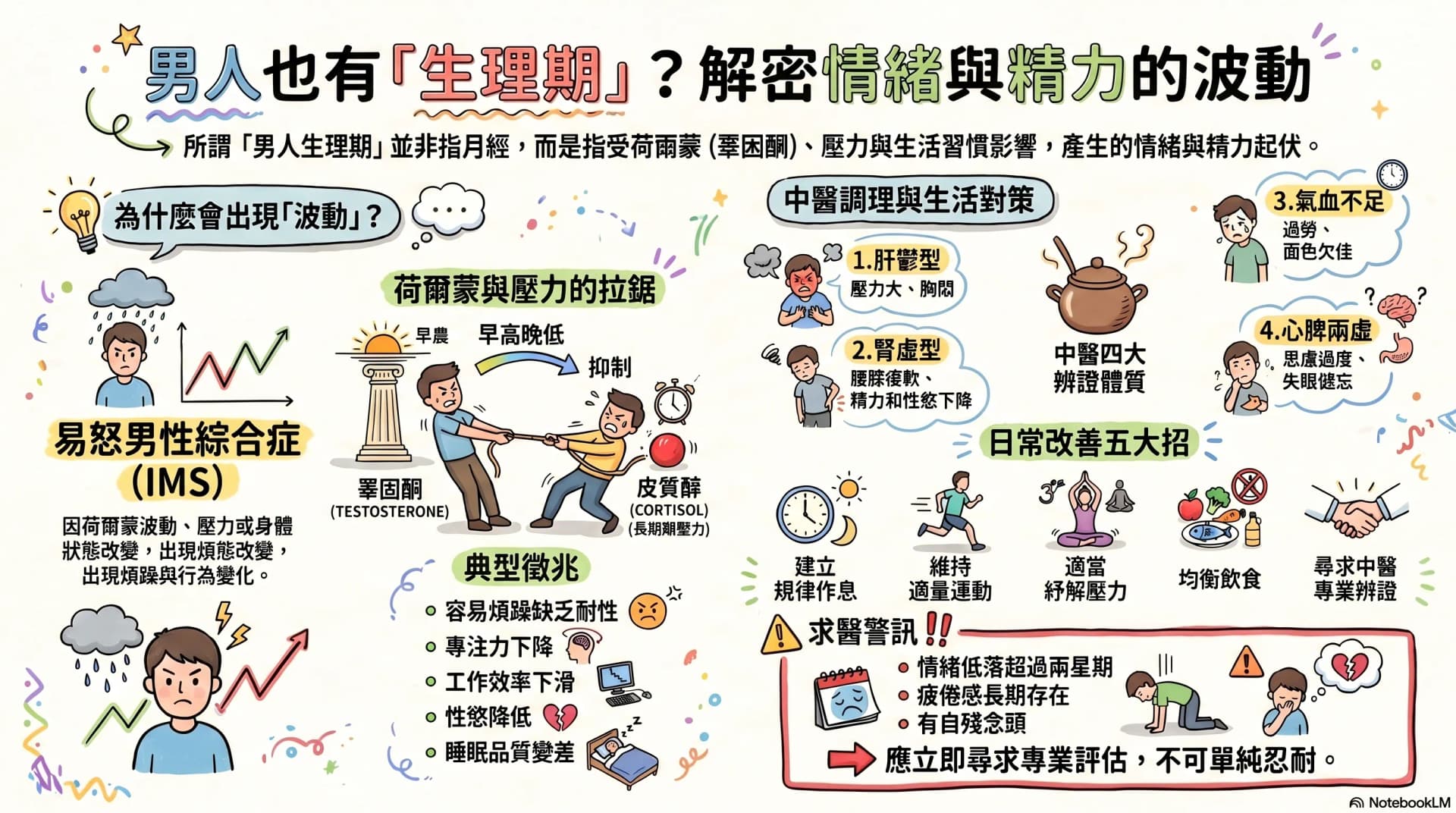
Do Men Have a “Period” Too? A TCM Look at Male Mood Swings, Fatigue and Hormonal Change — Plus 5 Ways to Find Relief
Do men have a period too? Men have no regular cycle like menstruation, so the “male period” is not a formal diagnosis — it describes the mood and energy swings driven by hormones, stress, sleep and lifestyle. This article covers the signs, the causes, how it differs from a woman’s period, how TCM assesses it, and five everyday ways — teas, foods and acupressure points — to find relief.
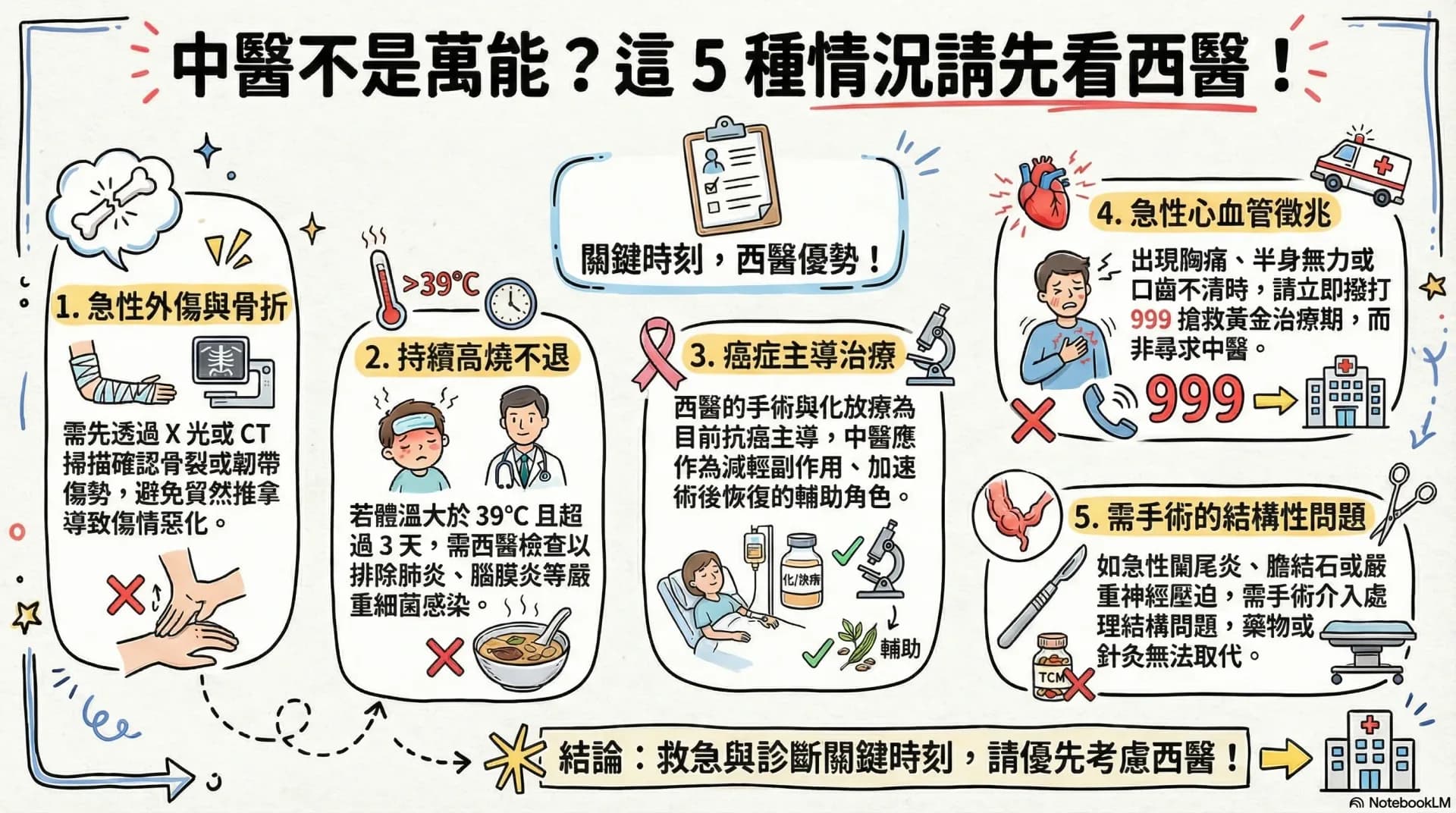
TCM Limitations: 5 Times to See a Western Doctor First
TCM has genuine strengths in chronic care and holistic wellness, but it is not the right first choice for every situation. This article honestly discusses 5 scenarios where Western medicine should come first, what TCM truly excels at, and how to make informed decisions between the two.
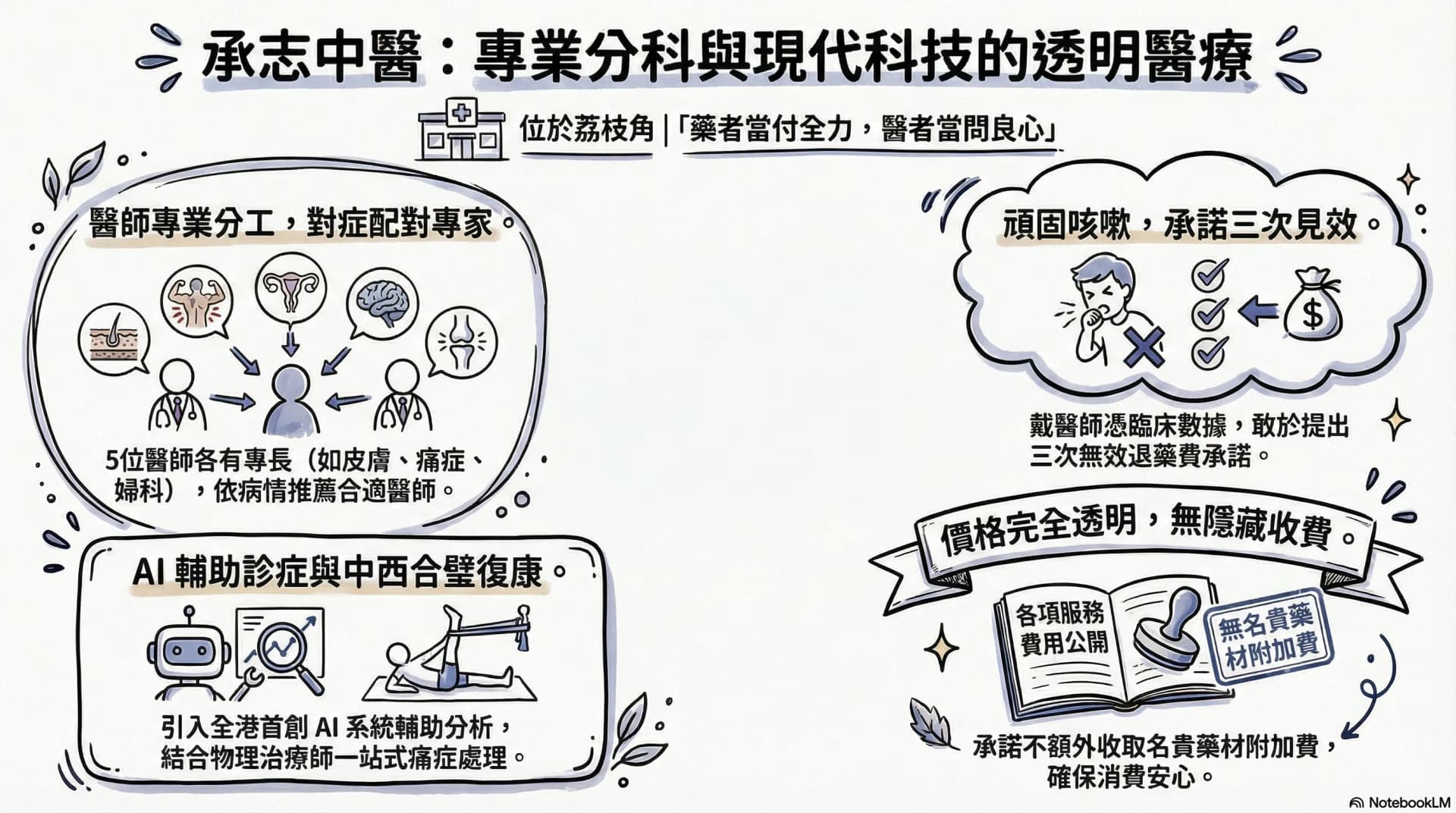
Is Aspira TCM Clinic Good? Doctors, Services & Real Reviews
Searching "Is Aspira TCM good?" means you're doing your homework — and we respect that. This article presents our doctor team, five clinic differentiators, real patient feedback, and our honest limitations, so you can decide if Aspira is right for you.