TCM Stroke Prevention for Seniors: Signs & Key Acupoints
Stroke has only a 3-hour golden window. Drawing on Dr Chan Wing-kiu’s lecture, this guide explains the FAST-style "Tan-Siu-Yung-Bing" warning signs, three TCM causes of stroke, four daily acupoints and dietary do’s and don’ts, with an emergency response checklist at the end so you can care for elderly parents day by day.
Medical review: Dr. Chan Wing Kiu, Joanne,Registered Chinese Medicine Practitioner #009463
1-Minute Quick Answer
Stroke has only a 3-hour golden window. Dr Chan Wing-kiu (CMCHK 009463) at Aspira TCM Lai Chi Kok teaches the FAST-style warning signs, three TCM causes of stroke, four daily acupoints and dietary do's and don'ts, with an emergency response checklist.
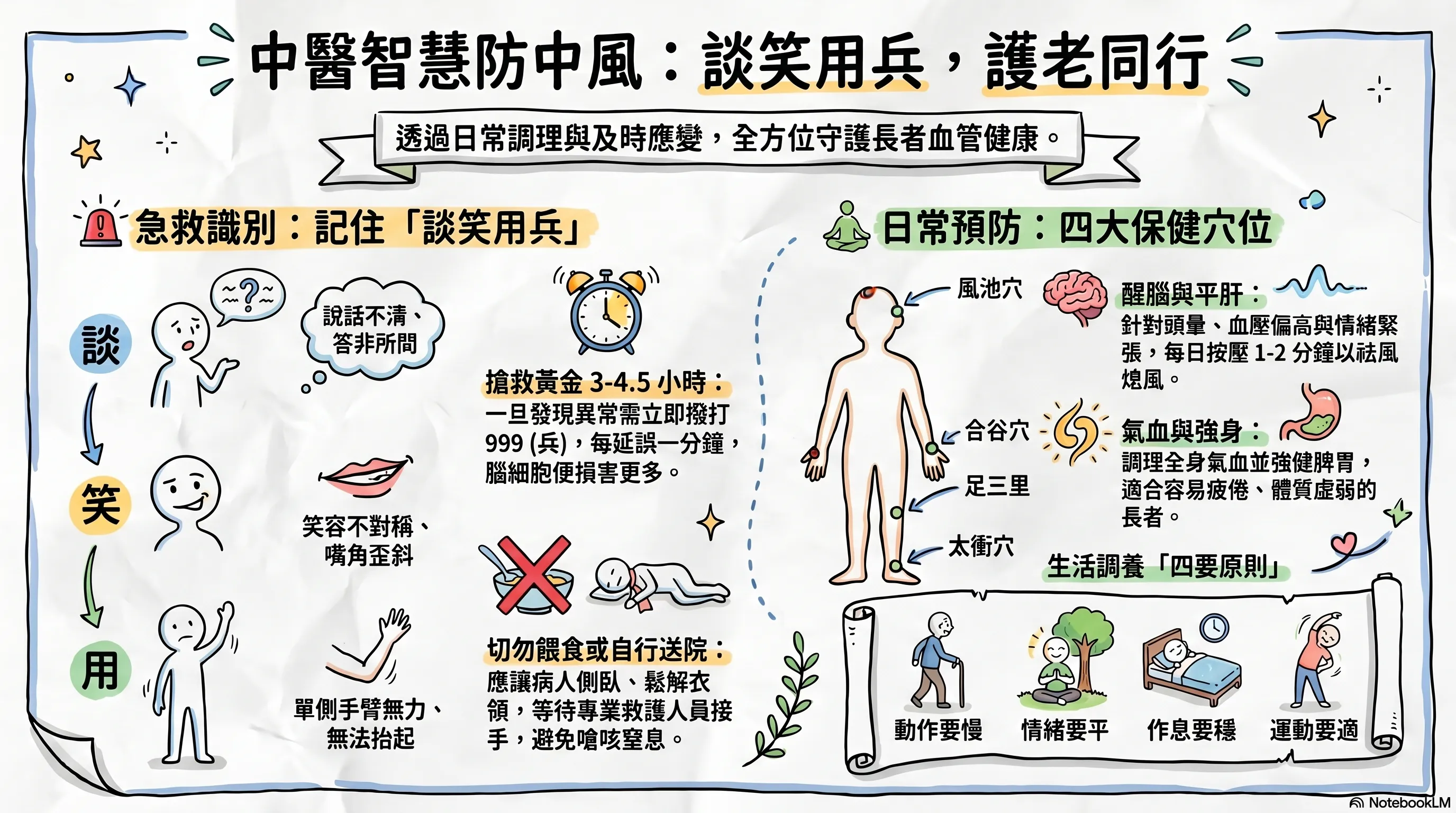 To help you grasp the content quickly, the cover image is generated with NotebookLM. Some Chinese characters may not render correctly — thank you for understanding.
If your elderly parent suddenly develops a drooping mouth, slurred speech or one-sided weakness — any one of these — it is a classic warning sign of acute stroke, not something that "just needs a rest". When all three appear together, the presentation is highly characteristic of acute stroke and demands immediate emergency care.
Once a stroke begins, the golden window for treatment is only 3 to 4.5 hours. Every minute of delay means more brain cell death. Whether your parent will walk, speak or swallow again is often decided within these first hours.
This guide brings together Dr Chan Wing-kiu's TCM perspective on stroke, covering warning signs, the TCM understanding of stroke causes, daily dietary do's and don'ts, four key acupoints, four lifestyle principles, and post-stroke staged recovery. A "Stroke Emergency Response Checklist" is provided at the end — print or screenshot it and post it somewhere visible at home so the whole family knows what to do.
Stroke Warning Signs: The "Tan-Siu-Yung-Bing" 30-Second Test
Early recognition is critical. The mnemonic "Tan-Siu-Yung-Bing" (談笑用兵), promoted by the Hong Kong Stroke Society, is the local equivalent of FAST and helps you assess in 30 seconds:
| Mnemonic | What to Check | Sign of Stroke |
|---|---|---|
| Tan (Talk) | Ask them to say a full sentence | Slurred speech, confused or wrong response |
| Siu (Smile) | Ask them to smile | Facial droop or asymmetric smile |
| Yung (Use) | Ask them to raise both arms for 10s | One side weak, numb, or drifting down |
| Bing (999) | If any one is abnormal | Call 999 immediately — every minute counts |
Important: Even if symptoms self-resolve within minutes, seek medical attention immediately. A TIA is the strongest warning of a major stroke; recurrence risk can reach 10% within a week.
How TCM Understands Stroke: Three Root Causes
In TCM, stroke is classified under "internal wind" — the body's internal imbalance disrupts qi and blood, generating a wind that surges to the brain. Three constitutional patterns are most common:
| Pattern | Constitutional Signs | Western Medical Markers |
|---|---|---|
| Liver wind stirring internally | Irritability, dizziness, flushed face, light sleep | High blood pressure, high stress |
| Phlegm and stasis blocking the channels | Overweight, excess phlegm, thick tongue coating, viscous blood | High cholesterol, carotid plaque |
| Qi and blood deficiency | Pale complexion, easy fatigue, palpitations, breathlessness | Anaemia, weak cardiac function, poor cerebral perfusion |
Many seniors have mixed patterns — for example, liver wind with phlegm-stasis or qi deficiency with damp. Accurate diagnosis requires the four diagnostic methods (observing, listening, questioning and palpation) by a registered practitioner.
Prevention Pillar 1: Diet — What to Eat and Avoid
Dr Chan recommends seniors adjust their daily diet along these lines:
Encouraged foods:
| Function | Foods |
|---|---|
| Calm liver, lower blood pressure | Celery, black fungus, mung beans |
| Resolve phlegm, dispel damp | Hawthorn, dried tangerine peel, Job's tears (yi mi) |
| Move blood, open the channels | Onion, garlic, tomato |
| Mild tonification | Red dates, Chinese yam, pumpkin |
Foods to reduce:
- Greasy, deep-fried foods — generate phlegm-damp and burden the vessels
- Heavily salted or pickled foods — raise blood pressure and stir liver wind
- Strong alcohol, spicy stimulants — stir liver fire and trigger internal wind
Prevention Pillar 2: 4 Daily Acupoints (with How-To)
Press each point once in the morning and once in the evening, 1–2 minutes per point, with gentle pressure that creates mild soreness. Family members can assist seated seniors for best results.
① Feng Chi (GB20) — Dispels Wind, Clears the Head
- Location: At the base of the skull, in the hollows on either side of the spine
- How to find: Cup the back of the head; the thumbs naturally fall into the hollows
- Technique: Press upward with both thumbs while breathing deeply
- Helps with: Dizziness, headache, neck stiffness
② He Gu (LI4) — Regulates Qi and Blood Throughout the Body
- Location: On the back of the hand, between the first and second metacarpals, at the highest point of muscle when the thumb and index finger are pressed together
- How to find: Press thumb and index together; the bulge that forms is the spot
- Technique: Press perpendicularly with the opposite thumb; do both hands
- Helps with: Head and face discomfort, toothache, finger numbness
③ Zu San Li (ST36) — Strengthens the Spleen, Builds Stamina
- Location: About four finger-widths below the outer dimple of the kneecap
- How to find: Sit, place your palm over the kneecap; the tip of the ring finger marks the spot
- Technique: Press with thumb or knuckle; do both legs
- Helps with: Weak digestion, easy fatigue, poor appetite
④ Tai Chong (LV3) — Calms Liver Wind, Stabilises Mood
- Location: On the top of the foot, in the depression about two finger-widths back from the web between the big and second toes
- How to find: Slide a finger up the gap between the toes until you feel a hollow
- Technique: Press downward toward the sole
- Helps with: Irritability, tension, head pressure, slightly elevated blood pressure
Note: Acupoint massage is for daily wellness only and does not replace medication. Consult your practitioner before starting if you take long-term blood pressure or anticoagulant drugs.
Prevention Pillar 3: Four Lifestyle Principles
- Move slowly — Stand up, turn, or bend slowly to avoid sudden blood pressure changes and falls.
- Stay calm — Avoid extremes of anger, grief or excitement; a calm liver keeps internal wind at bay.
- Sleep regularly — Keep a consistent bedtime; avoid staying up late. Going to bed before 11pm best nourishes the liver.
- Exercise moderately — Tai chi, ba duan jin, or walking 30 minutes a day, within your capacity.
TCM Recovery After Stroke: Staged Care
Acute stroke is managed by Western medicine; TCM joins once the patient is stable. Recovery is divided into two stages:
| Stage | Treatment Focus | TCM Methods |
|---|---|---|
| Acute / Early Recovery | Move blood, dispel stasis, open channels | Acupuncture to stimulate nerve and muscle recovery |
| Late Recovery / Sequelae | Tonify qi and blood, nourish liver and kidney | Internal herbal medicine alongside continued rehabilitation |
Patience is essential. Stroke recovery is measured in years, not weeks. Combined acupuncture and herbal therapy can improve hemiplegia, slurred speech and swallowing difficulties, raising overall quality of life.
Simple Wellness Teas
Two daily teas you can try, depending on your constitution:
Hawthorn & Tangerine Peel Tea
- Ingredients: 3 dried hawthorn slices, 1 small piece of tangerine peel
- Brew: Steep in hot water for 10 minutes; can be re-brewed once or twice
- Benefits: Aids digestion, resolves phlegm-damp, lowers blood lipids
- Caution: Reduce or avoid if you have excess stomach acid or ulcers
Chrysanthemum & Goji Tea
- Ingredients: 5–6 chrysanthemum flowers, 10 goji berries
- Brew: Steep in hot water for 5 minutes
- Benefits: Clears liver heat, brightens the eyes, supports blood pressure control
- Caution: Drink moderately if your constitution is cold or you tire easily
Reminder: Drink in moderation. If discomfort develops, stop and consult a practitioner.
🚨 Stroke Emergency Response Checklist (Print and Post at Home)
If you suspect stroke in a family member, follow these steps — every one matters:
Step 1: 30-Second Assessment (Tan-Siu-Yung-Bing)
- Ask them to say a sentence — slurred or confused?
- Ask them to smile — is the mouth drooping?
- Ask them to raise both arms — does one drift down?
- Any single abnormal response — proceed to Step 2 immediately
Step 2: Call 999
- Say clearly: "suspected stroke"
- Give the address, floor, unit and nearest landmark
- Tell them the patient's age and the exact time symptoms began (critical)
Step 3: While Waiting for the Ambulance
- Place the patient on their side, head slightly raised, loosen clothing
- Do not give food, water or medication (including any "stroke pills") — risk of choking
- Do not drive them yourself — paramedics have triage capability and equipment
- Record the timing of symptom changes (helps clinicians decide on thrombolysis)
- Gather the patient's current medications, allergies and chronic conditions to bring to hospital
Step 4: At the Hospital
- Tell staff the exact onset time (determines thrombolysis eligibility)
- Cooperate with brain imaging, blood tests and other investigations
- Once stable, consider adding TCM acupuncture and herbal therapy for recovery
Bring Your Parents in for a Senior Constitutional Assessment
Stroke does not strike without warning. From a TCM perspective, constitutional imbalances often appear years — sometimes decades — before onset: long-term liver yang excess, internal phlegm-damp, qi-blood deficiency. Targeted, early conditioning meaningfully reduces risk.
Consider bringing your elderly parent in for a senior constitutional assessment if any of the following apply:
- They control hypertension, hyperlipidaemia or diabetes with medication, but want to address constitution at the root
- Frequent dizziness, numb extremities, light sleep, or mood swings
- A previous transient ischaemic attack ("mini-stroke")
- Currently in stroke recovery and exploring TCM as part of rehab
- A family history of stroke and a desire to prevent early
Book a Senior Constitutional Assessment
Personalised assessment and conditioning by Dr Chan Wing-kiu (Dr Chan).
- WhatsApp: Book here
- Phone: 2110 9337
- Address: Unit 2706, Saxon Tower, 7 Cheung Shun Street, Lai Chi Kok, Kowloon
FAQ — Stroke Prevention for Seniors
Q1: My parent's blood pressure is normal — does that mean no stroke risk?
Not necessarily. Hypertension is only one major risk factor. Others include high cholesterol, diabetes, atrial fibrillation, smoking, inactivity and chronic stress. Even with normal blood pressure, an excess-yang or phlegm-stasis constitution can still lead to stroke. Annual physical exams and a yearly TCM constitutional review are recommended.
Q2: My parent had a "mini-stroke" but seems fine — do they need a doctor?
Yes — urgently. A TIA is the strongest predictor of a major stroke. Recurrence risk reaches 10% within a week and 20% within three months. Seek immediate care for brain imaging, ECG, carotid ultrasound, and start preventive treatment. TCM constitutional conditioning can run in parallel.
Q3: Are there contraindications to acupoint massage for seniors?
Yes. Avoid (or consult first) if there is broken, inflamed or infected skin; press very lightly if there is severe osteoporosis; avoid massage right after meals or when extremely fatigued; use minimal pressure if on anticoagulants to prevent bruising.
Q4: When should acupuncture begin after a stroke?
Generally as soon as the patient is medically stable — often within 1 to 2 weeks of onset. Earlier intervention tends to produce better recovery. Acupuncture can run alongside conventional rehabilitation, with the practitioner adjusting the protocol by stage.
Q5: Can my parent take Chinese herbs alongside Western blood pressure medication?
Yes — but only under a registered TCM practitioner who knows exactly which Western drugs are being taken. Some herbs interact with anticoagulants and antihypertensives. Self-prescribed herbs are risky. Bring a complete list of current medications to the consultation.
Disclaimer: This article is for health education only and does not replace medical diagnosis or treatment. Each senior's constitution and condition differ, and treatment plans should be made in consultation with a registered TCM practitioner. If stroke symptoms occur, call 999 and go to A&E immediately. Do not self-medicate with Chinese herbs or delay care.
Disclaimer: This article is for health education and reference purposes only and does not constitute medical advice, diagnosis, or treatment. Each patient's condition is unique and treatment outcomes vary. Please consult a registered TCM practitioner or qualified healthcare professional for health concerns.
Further Reading
Hand-picked related articles and real cases to read next.
How Much Does TCM Treatment Cost in Hong Kong? 2026 Pricing Guide
TCM treatment costs in Hong Kong typically range from HK$120 to HK$2,000 depending on the type of treatment and condition. This guide covers pricing for herbal medicine, acupuncture, bone-setting, thread embedding, and more — plus the five key factors that affect your total cost.
How to Choose a Good TCM Doctor? 5 Questions You Must Ask
Choosing the right TCM doctor shouldn't be a gamble. This guide covers 5 essential questions to ask before your first visit — from verifying credentials to checking fee transparency — so you can find a trustworthy practitioner who truly fits your needs.
Want to learn more? WhatsApp us for a free consultation
Book via WhatsAppExplore our full range of treatments: Traditional TCM Services
Related Articles
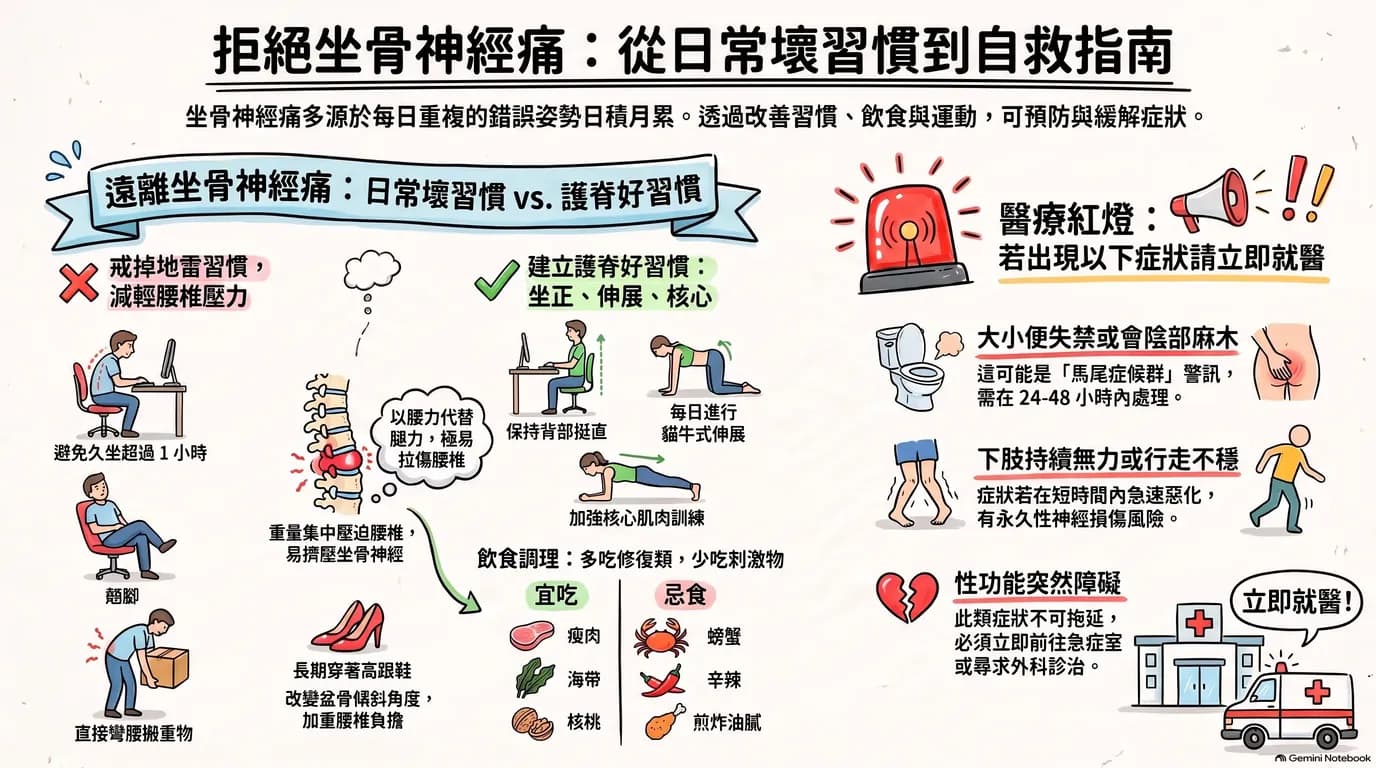
Sciatica Prevention: Bad Habits, Diet and Daily Care Tips
Sciatica isn't only about treatment — your daily habits and diet play a big role too. In this article, Dr Wong explains which everyday habits increase your risk of sciatica, which foods may help ease it, and simple daily habits that reduce the chance of it coming back.
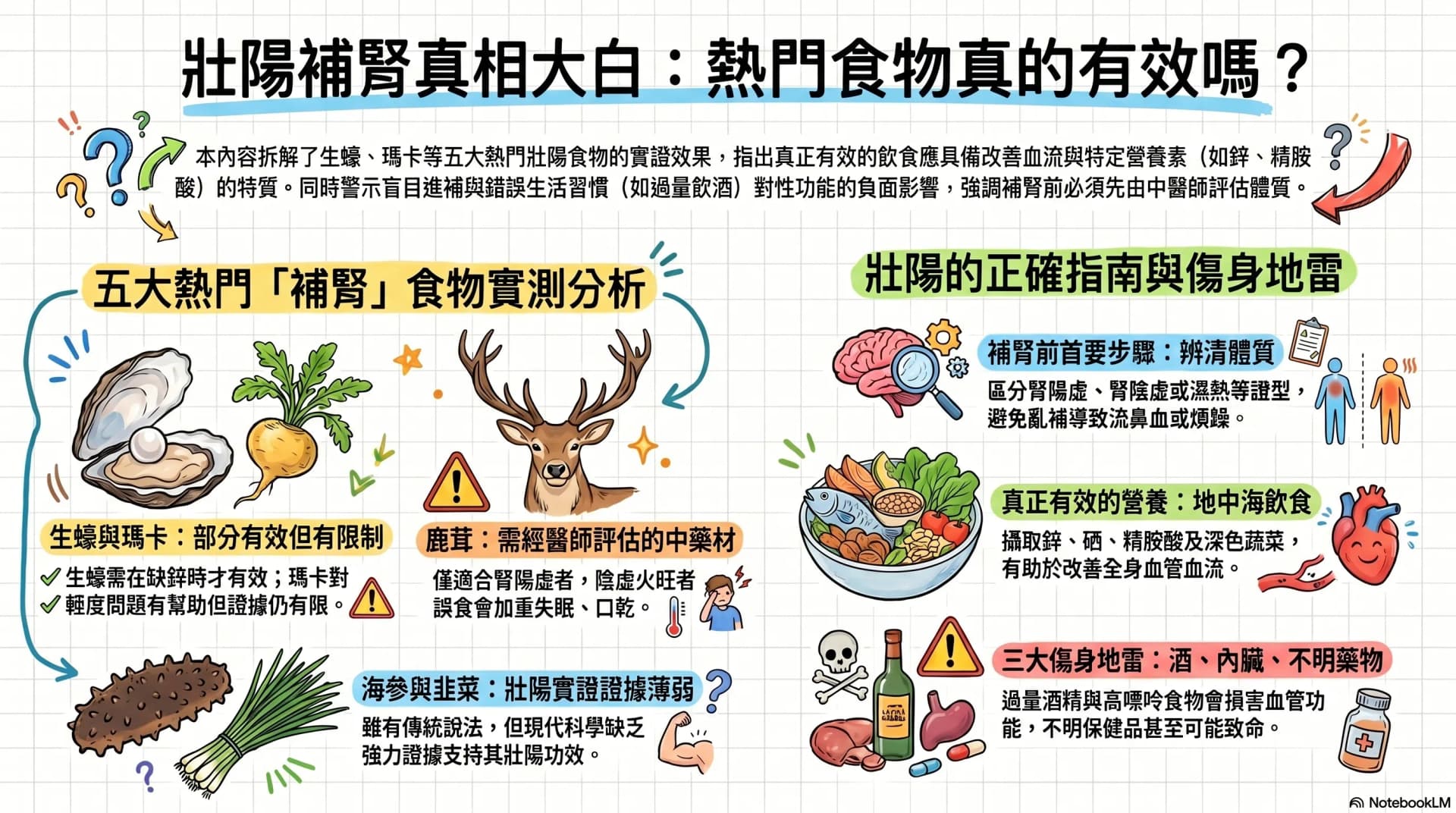
Do Oysters, Maca and Deer Antler Boost Male Vitality? 5 Myths
Do aphrodisiac foods actually work? This article opens with a rating table (effective / partly effective / effective within a TCM framework / weak evidence / no strong evidence), reviews the Chinese and Western medical evidence behind oysters, maca, deer antler, sea cucumber and Chinese chives, distils the 3 shared traits of foods that genuinely support male sexual function, and flags 3 commonly eaten items that can actually harm performance.
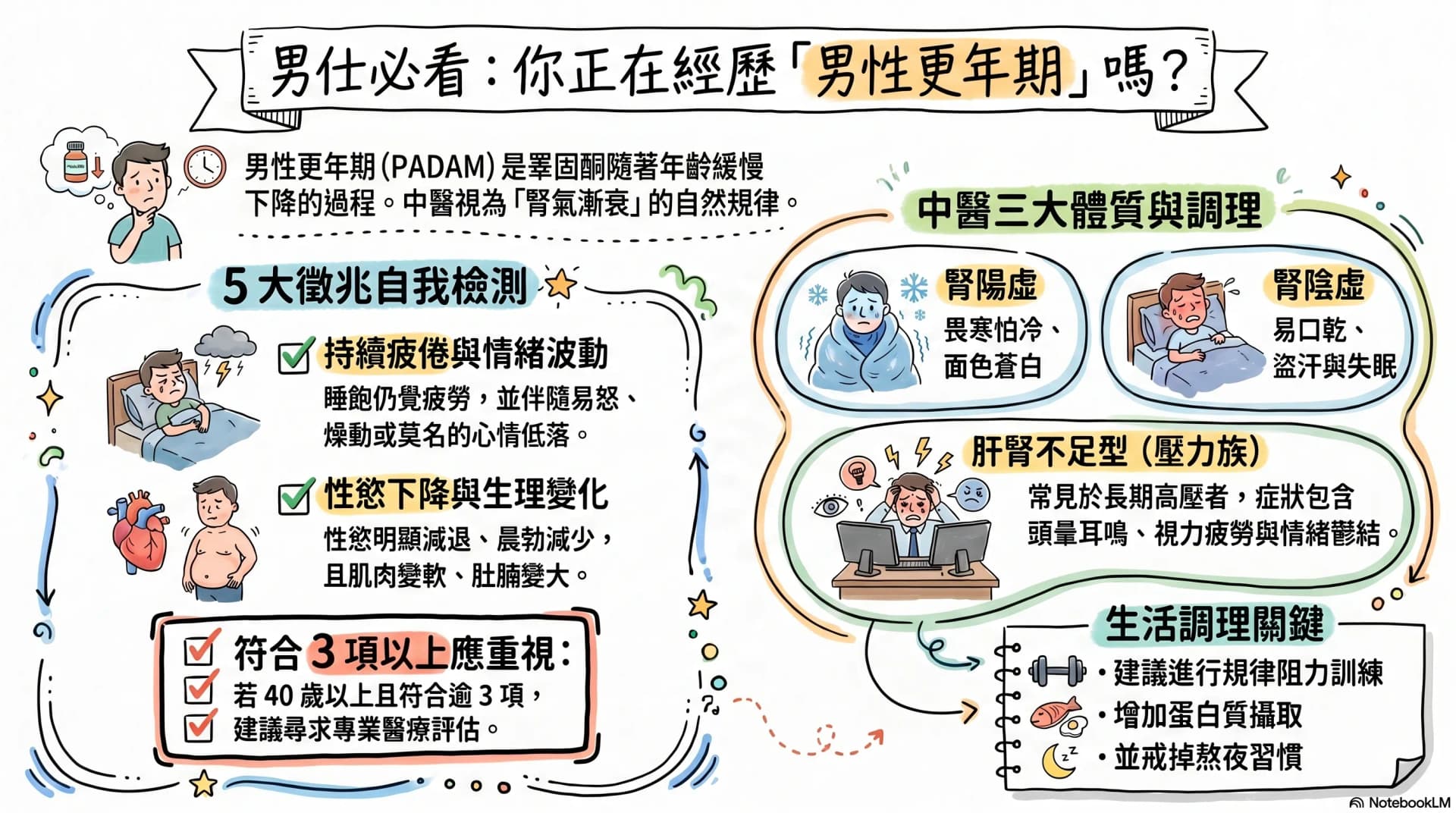
Male Menopause Through the TCM Lens: 5 Signs in Men Over 40
Unexplained fatigue, irritability, lower libido, poorer sleep and a growing belly after 40 are not just ageing or work stress — they may be male menopause. This article begins with a five-sign self-check, sets out three TCM patterns (kidney-yang deficiency, kidney-yin deficiency, liver-and-kidney insufficiency) with matching improvements, and compares the two treatment routes — testosterone replacement therapy versus TCM constitutional care.