Why Do Slim People Still Get a Belly? A TCM Look at Visceral Fat and Its Risks
A normal BMI does not always mean low metabolic risk. This article explains why slim people can still develop abdominal fat, why visceral fat matters more than the scale, and how TCM interprets common constitutional patterns behind it.
Medical review: Dr. To Ching, Jenny,Registered Chinese Medicine Practitioner #009330
1-Minute Quick Answer
A normal BMI does not guarantee a safe waistline. BMI does not show where fat sits; some slim-limbed people have a rising waist and even raised visceral fat, fatty liver or pre-diabetes. Visceral fat wraps the organs and releases inflammatory mediators, affecting metabolism more than subcutaneous fat. A waist of 90 cm in men or 80 cm in women is a warning sign. Reviewed by Dr To Ching (CMCHK 009330).
Why Do Slim People Still Get a Belly? A TCM Look at Visceral Fat and Its Risks
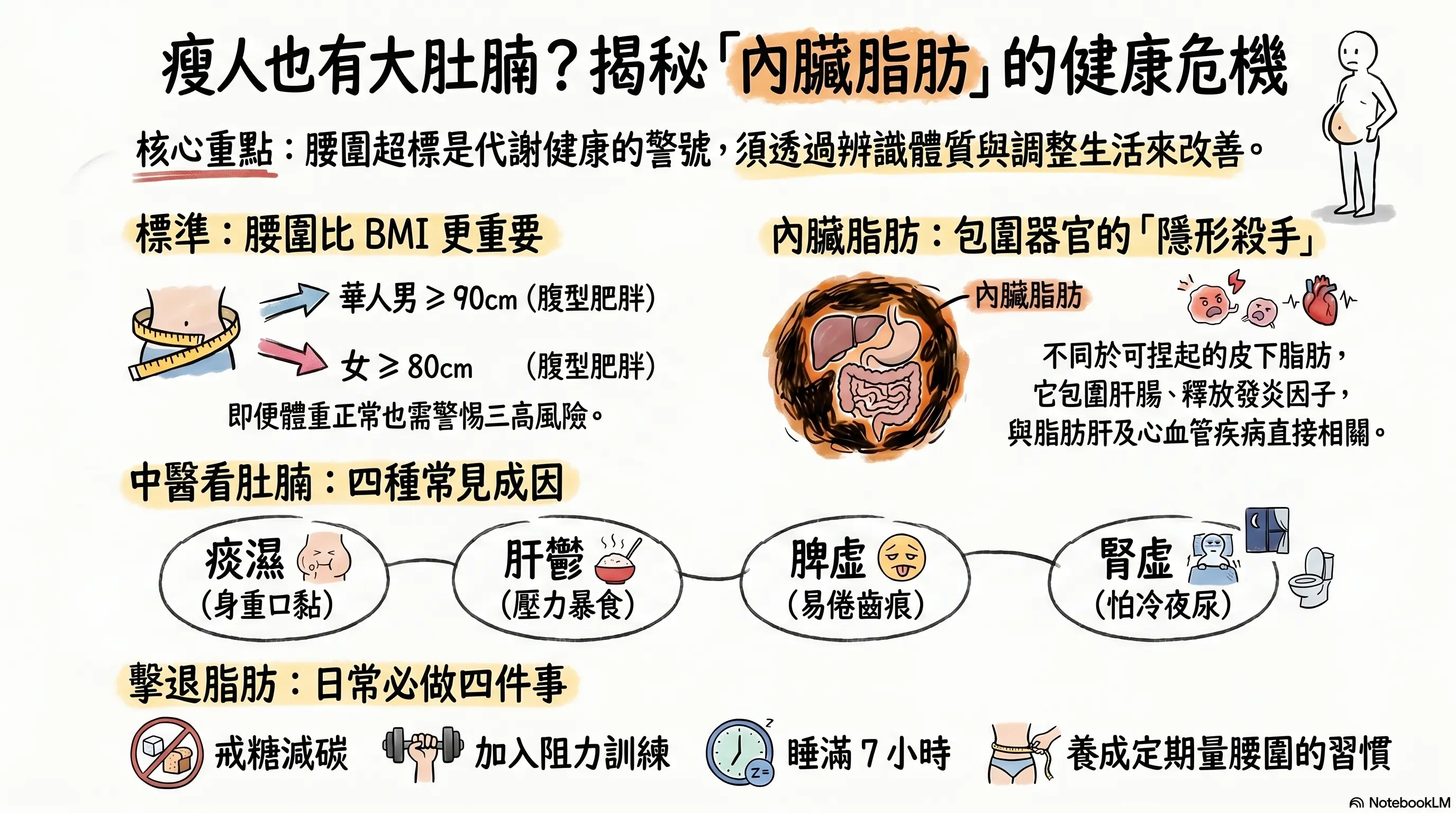 For quick reference, this image was generated by NotebookLM. Some Chinese characters may not render perfectly.
Medical review: Dr To Ching (CMCHK 009330 | Gynaecology, TCM aesthetics, thread-embedding weight loss, postpartum belly binding)
Many people assume that a normal body weight means low abdominal-fat risk. In practice, that is not always true. A person may look slim overall but still have a growing waistline and rising visceral fat around the organs.
This article explains the difference between visceral fat and subcutaneous fat, why visceral fat matters more than many people realise, and how TCM interprets common underlying constitutional patterns.
Important: If you already have raised fasting glucose, abnormal lipids, fatty liver, early cardiovascular disease in the family, or unexplained weight loss, arrange Western medical assessment first.
A normal BMI does not guarantee a safe waistline
BMI reflects only the overall relationship between height and weight. It does not show where fat is stored. Two people with the same BMI can have very different waistlines and metabolic risks.
For Chinese adults, a waist circumference of 90 cm or above in men and 80 cm or above in women is already considered abdominal obesity and deserves attention, even if total body weight still looks “normal”.
Visceral fat versus subcutaneous fat
| Category | Subcutaneous fat | Visceral fat |
|---|---|---|
| Location | Under the skin | Around the liver, stomach and intestines |
| Feel | Can usually be pinched | Cannot be directly pinched |
| Metabolic activity | Lower | Higher |
| Health risk | Relatively lower | More closely linked to fatty liver, diabetes and cardiovascular disease |
Visceral fat is the more important metabolic risk, because it actively affects inflammation and insulin sensitivity.
How TCM looks at a slim person with a belly
TCM does not judge only by “fat” or “thin”. Common constitutional patterns include:
| Constitution | Common features | Main direction |
|---|---|---|
| Phlegm-damp | Heaviness, thick tongue coating, sticky mouth, soft central belly | Strengthen spleen, resolve phlegm |
| Liver stagnation | Stress eating, bloating, emotional swings | Soothe liver qi |
| Spleen deficiency | Fatigue, weak appetite, bloating after meals | Strengthen spleen qi |
| Kidney deficiency | Feeling cold, night urination, low back weakness | Support spleen and kidney |
Many people show a mixed pattern rather than a single textbook type.
Why visceral fat is more dangerous
Visceral fat is metabolically active. It releases inflammatory mediators, worsens insulin resistance and increases the liver’s burden. That is why a slim-looking person can still face:
- Fatty liver
- Rising fasting glucose
- Higher triglycerides
- Higher blood pressure
- Increasing waistline despite relatively stable weight
Who is more likely to develop it
- People with sedentary work
- Those with chronic sleep shortage
- High-stress individuals with binge eating
- People who drink alcohol frequently
- Post-menopausal women
- Those with a family history of diabetes or cardiovascular disease
Four things to start doing
- Measure your waist regularly, not just your weight.
- Cut back on sugary drinks and refined sugar.
- Add resistance training two to three times per week.
- Aim for at least seven hours of sleep.
How Aspira TCM Clinic assesses this
Dr To reviews waist and body composition, diet pattern, alcohol intake, bowel habits, sleep, stress and (for women) menstrual history. If there is concern about fatty liver, abnormal glucose or lipid markers, Western medical checks are recommended first.
FAQ
If my body-fat scale shows visceral fat 12, is that high?
Home scales are only rough estimates, but if the reading stays high and your waistline is above the cut-off, proper blood tests and clinical assessment are worthwhile.
Is a slim person’s belly just due to weak abdominal muscles?
Abdominal strength matters, but the more common reasons are fat distribution, prolonged sitting, stress, poor sleep and long-term dietary patterns.
Can acupuncture directly reduce visceral fat?
Acupuncture may help as part of a broader programme by improving sleep, appetite regulation and constitution, but it does not replace dietary and lifestyle change.
Can I see a TCM doctor while taking lipid-lowering medication?
Yes, but do not stop or reduce medication on your own. TCM may be used as supportive care alongside proper medical monitoring.
Disclaimer: This article is for health education and reference purposes only and does not constitute medical advice, diagnosis, or treatment. Each patient's condition is unique and treatment outcomes vary. Please consult a registered TCM practitioner or qualified healthcare professional for health concerns.
Further Reading
Hand-picked related articles and real cases to read next.
Why Is It Harder to Lose Weight After 30? TCM on 4 Signs of a Slowing Metabolism
Eating the same and exercising the same, yet weight loss stalls after 30 while the waistline creeps up? This guide explains common metabolic slowdown signals, the TCM constitutional patterns behind them, and when Western medical assessment should come first.
Weight Unchanged but the Belly Keeps Growing? A TCM Turnaround Plan for Central Obesity in Office Workers
Weight has risen only 2 kg in six months, but the waist is 8 cm wider; the health-check report flags "elevated visceral fat" in red. This is a common frustration for women in their 30s working office jobs. This case study follows the typical consultation profile of "Ms Chan" (pseudonym) — explaining the TCM evaluation of sedentary central obesity, the spleen-damp-with-liver-stagnation pattern, the three-month phased plan, when to see a Western doctor first, and three things readers can start doing today.
Daily Two-Side Rice and Still Not Slimming Down? TCM on 3 Hong Kong Takeaway Traps
Two-side rice on Monday, cha chaan teng plate lunch on Tuesday, rice noodles, Japanese bento — feels "not that much" but the scale will not move. The problem is rarely overeating; it is the three traps stacked into Hong Kong takeaway: sodium-driven water retention, oily stagnation and undernutrition. This guide unpacks them with a TCM lens of water-damp, phlegm-damp and spleen-stomach weakness, plus a 5-category comparison of salt, oil and sugar.
Want to learn more? WhatsApp us for a free consultation
Book via WhatsAppExplore our full range of treatments: Traditional TCM Services
Related Articles
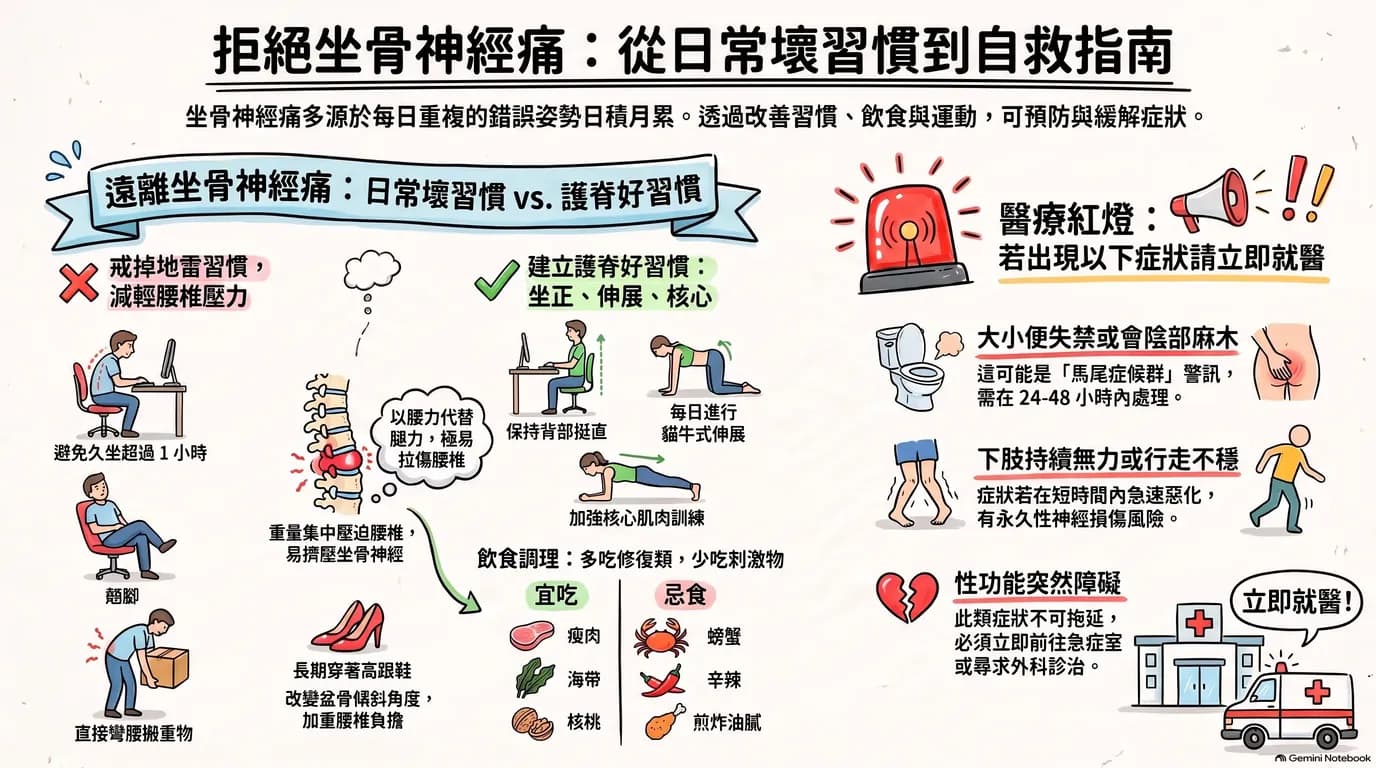
Sciatica Prevention: Bad Habits, Diet and Daily Care Tips
Sciatica isn't only about treatment — your daily habits and diet play a big role too. In this article, Dr Wong explains which everyday habits increase your risk of sciatica, which foods may help ease it, and simple daily habits that reduce the chance of it coming back.
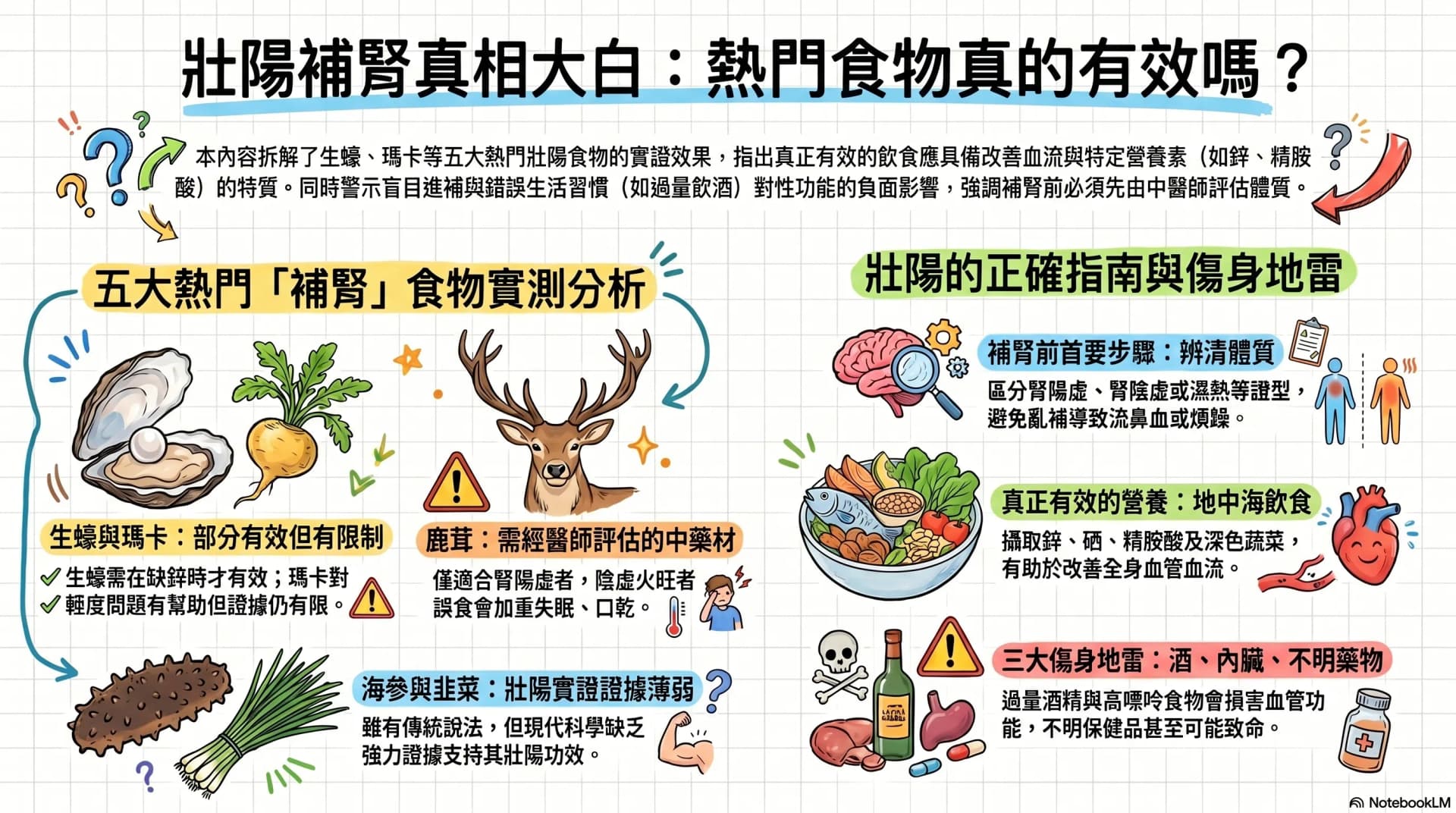
Do Oysters, Maca and Deer Antler Boost Male Vitality? 5 Myths
Do aphrodisiac foods actually work? This article opens with a rating table (effective / partly effective / effective within a TCM framework / weak evidence / no strong evidence), reviews the Chinese and Western medical evidence behind oysters, maca, deer antler, sea cucumber and Chinese chives, distils the 3 shared traits of foods that genuinely support male sexual function, and flags 3 commonly eaten items that can actually harm performance.
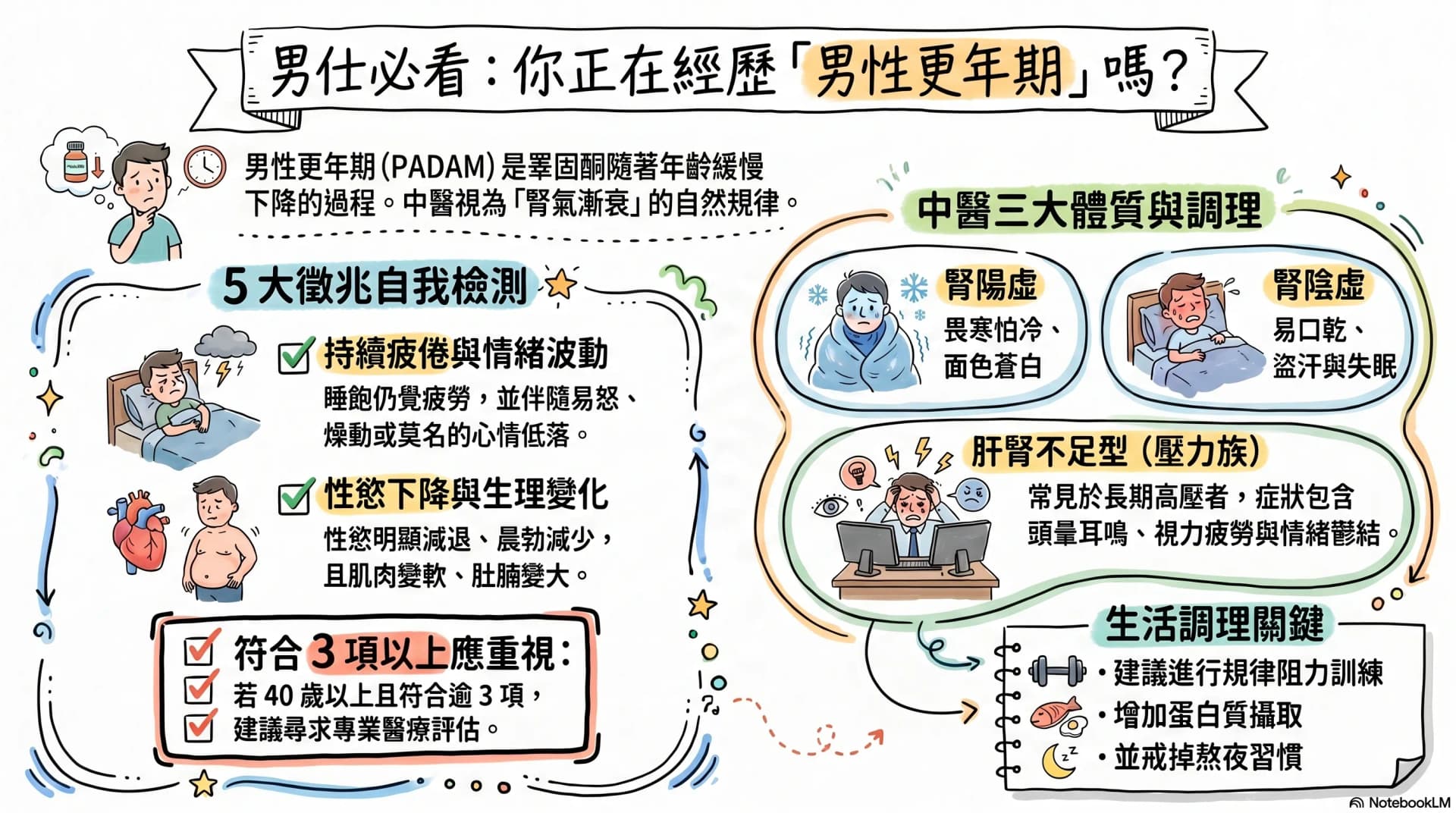
Male Menopause Through the TCM Lens: 5 Signs in Men Over 40
Unexplained fatigue, irritability, lower libido, poorer sleep and a growing belly after 40 are not just ageing or work stress — they may be male menopause. This article begins with a five-sign self-check, sets out three TCM patterns (kidney-yang deficiency, kidney-yin deficiency, liver-and-kidney insufficiency) with matching improvements, and compares the two treatment routes — testosterone replacement therapy versus TCM constitutional care.