Uterine Fibroids: Do You Need Surgery, and What Can TCM Do?
Fibroids found at a check-up — is surgery inevitable? This article explains what uterine fibroids are, when treatment is needed, when the decision belongs with a gynaecologist, and sets out plainly the role and the limits of Chinese medicine.
Medical review: Dr. Chan Wing Kiu, Joanne,Registered Chinese Medicine Practitioner #009463
1-Minute Quick Answer
Uterine fibroids are common benign tumours; malignant change is very low. Small, symptom-free fibroids usually need only monitoring. Whether surgery is needed must be assessed by a gynaecologist. TCM can ease heavy periods and period pain, but cannot remove or shrink fibroids and does not replace surgery or medical assessment (reviewed by Dr Chan Wing Kiu, CMCHK 009463).
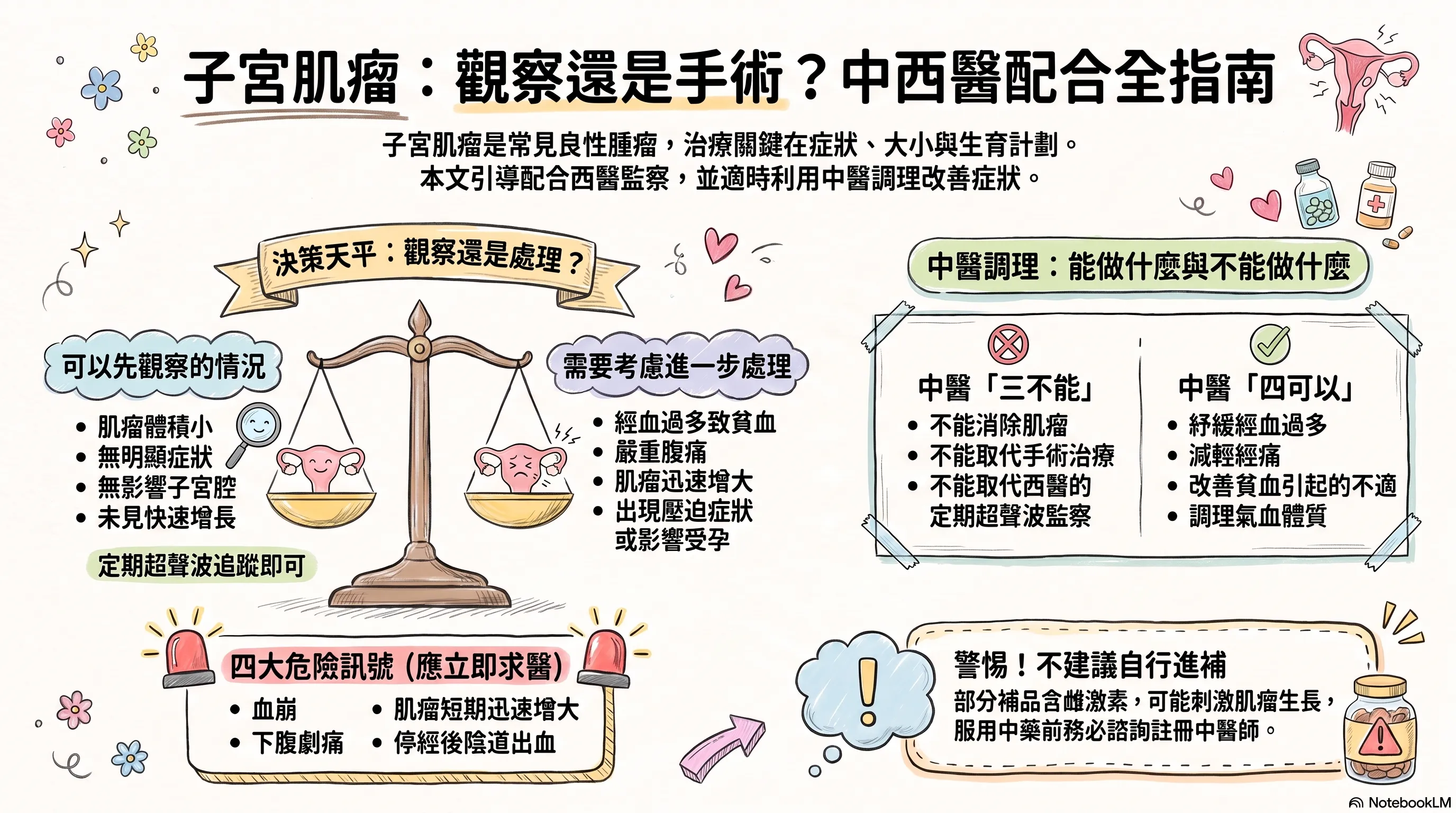 To help readers quickly grasp the content, this image was generated by NotebookLM. Some Chinese characters may not render correctly.
Important
Seek medical care promptly if menstrual flow suddenly increases markedly, if there is flooding or severe anaemia (dizziness, palpitations, pallor, breathlessness), or if there is severe lower abdominal pain or rapid growth of the fibroids.
At a health check or a gynaecological ultrasound, you are told, out of nowhere, that you have uterine fibroids. Even when the doctor says they are benign and need no treatment for now, the mind races: will they grow? Could they turn cancerous? Will surgery be needed eventually?
First, something reassuring: uterine fibroids are a fairly common benign tumour, the chance of malignant change is very low, and not every fibroid needs treating. What truly matters is not whether you have fibroids, but whether they cause symptoms, how large they are, where they sit, and whether you plan to have children.
This article explains what uterine fibroids are and which symptoms deserve attention, when surgery should be considered and when watchful waiting is reasonable, and then sets out plainly what Chinese medicine can and cannot do. By the end, you should have a clearer idea of whether your next step is regular monitoring, or a discussion with a gynaecologist about treatment.
What Are Uterine Fibroids?
Uterine fibroids are benign tumours growing in the muscular wall of the uterus, formed by overgrowth of the smooth muscle cells of the uterus. They are among the most common gynaecological tumours, mostly seen in women of reproductive age through to around menopause.
- Varying in number and size: there may be one, or several; from a few millimetres to over ten centimetres.
- Usually without obvious symptoms: many women have no discomfort at all, and fibroids are found incidentally at a check-up or on ultrasound.
- Very low chance of malignant change: the vast majority are benign and do not spread as cancers do. However, larger fibroids, or those that keep growing rapidly, still need close monitoring by a doctor.
- Related to hormones: fibroid growth is related to oestrogen, so after menopause fibroids generally shrink.
Common symptoms (for those who have them) include heavy menstrual flow, prolonged periods, period pain, and bleeding between periods. Where fibroids press on nearby organs, they may cause urinary frequency, constipation, lower abdominal fullness or backache. Long-standing heavy flow may lead to iron-deficiency anaemia, with fatigue, dizziness, breathlessness and pallor.
When Is Treatment Needed, and When Is Watchful Waiting Reasonable?
This decision should be made by a gynaecologist, assessed according to your situation and discussed with you. In general:
Watchful waiting is reasonable when: the fibroids are smaller, cause no obvious symptoms, do not affect the uterine cavity, and show no rapid growth. Doctors usually arrange regular gynaecological examination and ultrasound to watch for change or new symptoms.
Further treatment should be considered when:
- heavy menstrual flow has caused anaemia (falling haemoglobin, dizziness, palpitations, breathlessness);
- period pain or lower abdominal pain is severe and markedly affects daily life;
- the fibroids are large, or growing rapidly over a short period;
- there are marked pressure symptoms (urinary frequency, constipation, abdominal swelling);
- the fibroids sit where they may affect conception or pregnancy;
- there is flooding or acute heavy bleeding — an emergency; seek medical care immediately.
Treatment generally falls into three categories: watchful waiting, medication (mainly to control symptoms), and surgery or interventional treatment. Which to choose depends on the severity of symptoms, the size and location of the fibroids, plans for children, age and overall health, and must be decided after assessment by a gynaecologist.
When Should You Seek Medical Care Immediately?
- a sudden marked increase in menstrual flow, or flooding;
- soaking a sanitary pad within a short time, with dizziness, palpitations, pallor or breathlessness (suggesting severe anaemia or acute blood loss);
- severe lower abdominal pain, or fibroids growing rapidly over a short period;
- vaginal bleeding after menopause.
All of these should be examined and managed by a doctor. Do not self-medicate or delay.
What Chinese Medicine Can and Cannot Do Here
This section must be stated plainly, because misleading claims are common.
What Chinese medicine cannot do:
- Chinese medicine cannot remove or shrink uterine fibroids. Any claim to "dissolve" or "melt away" fibroids should be treated with scepticism.
- Chinese medicine cannot replace surgery. If a gynaecologist assesses that you need surgery or interventional treatment, Chinese medicine care is not a substitute; delay may allow anaemia or pressure symptoms to worsen.
- Chinese medicine cannot replace medical examination and regular monitoring. The size and change of fibroids must be tracked by ultrasound and other examinations.
Where Chinese medicine can help:
Chinese medicine views such problems as qi stagnation, blood stasis and phlegm-damp binding together, over time forming what is termed a "zheng-jia"; their formation also relates to constitution, emotion and the movement of qi and blood. Clinically, the focus of care is not the fibroid itself, but the symptoms it causes, and the constitution as a whole:
- Easing heavy menstrual flow: treating according to the pattern — tonifying qi to contain blood where qi is deficient, clearing heat and cooling blood where there is blood-heat, resolving stasis and stanching where there is blood stasis.
- Easing period pain and abdominal discomfort.
- Improving the depletion of qi and blood caused by long-standing heavy flow: fatigue, dizziness, pallor and so on, alongside Western treatment for anaemia.
- Caring for the constitution as a whole: soothing the liver and relieving stagnation, strengthening the spleen and transforming damp, invigorating blood and resolving stasis.
At Aspira TCM, Dr Chan Wing Kiu manages such cases primarily with Chinese herbal medicine based on pattern differentiation, prescribing according to individual constitution and symptoms, and emphasising a clear division of roles alongside the gynaecologist's examination and treatment: Western medicine diagnoses, monitors changes in the fibroids and decides whether surgery is needed; Chinese medicine helps ease symptoms and improve the constitution, and does not guarantee a cure. If irregular periods or other gynaecological problems also trouble you, see PCOS, Now Renamed PMOS: A Symptom Self-Check and How Chinese and Western Medicine Approach It.
One further point deserves attention: because fibroids are related to oestrogen, taking tonics on your own is not advisable. Some tonics and foods containing oestrogenic components may not suit those with fibroids. If you are in the habit of taking tonics, or are considering Chinese herbal medicine, consult a registered Chinese medicine practitioner or doctor first.
Fibroids: Watch, or Treat?
On finding fibroids, the first thing is not panic but clarity on three questions: do they cause symptoms? How large are they, and where do they sit? Do you plan to have children? The answers determine whether you need regular monitoring, or a discussion with a gynaecologist about further treatment.
If you would like to know whether your symptoms are suitable for supportive Chinese medicine care, you are welcome to enquire with Aspira TCM via WhatsApp (WhatsApp: 9679 2293 / wa.me/85296792293); a practitioner can then assess and advise. Diagnosis, monitoring and treatment decisions for the fibroids themselves belong with your gynaecologist.
Medical disclaimer: This article is for health education only and does not constitute personalised medical advice. Each patient's constitution and condition differ, so treatment plans and outcomes vary. Chinese medicine can help ease the symptoms fibroids cause and improve the constitution, but cannot remove or shrink uterine fibroids, and does not replace surgery, interventional treatment, or regular medical monitoring; any decision about monitoring, medication or surgery should be assessed by a gynaecologist. If warning signs such as a sudden marked increase in flow, flooding, severe anaemia or severe lower abdominal pain occur, please seek prompt care from a qualified healthcare professional.
Disclaimer: This article is for health education and reference purposes only and does not constitute medical advice, diagnosis, or treatment. Each patient's condition is unique and treatment outcomes vary. Please consult a registered TCM practitioner or qualified healthcare professional for health concerns.
Further Reading
Hand-picked related articles and real cases to read next.
Want to learn more? WhatsApp us for a free consultation
Book via WhatsAppExplore our full range of treatments: Traditional TCM Services
Related Articles
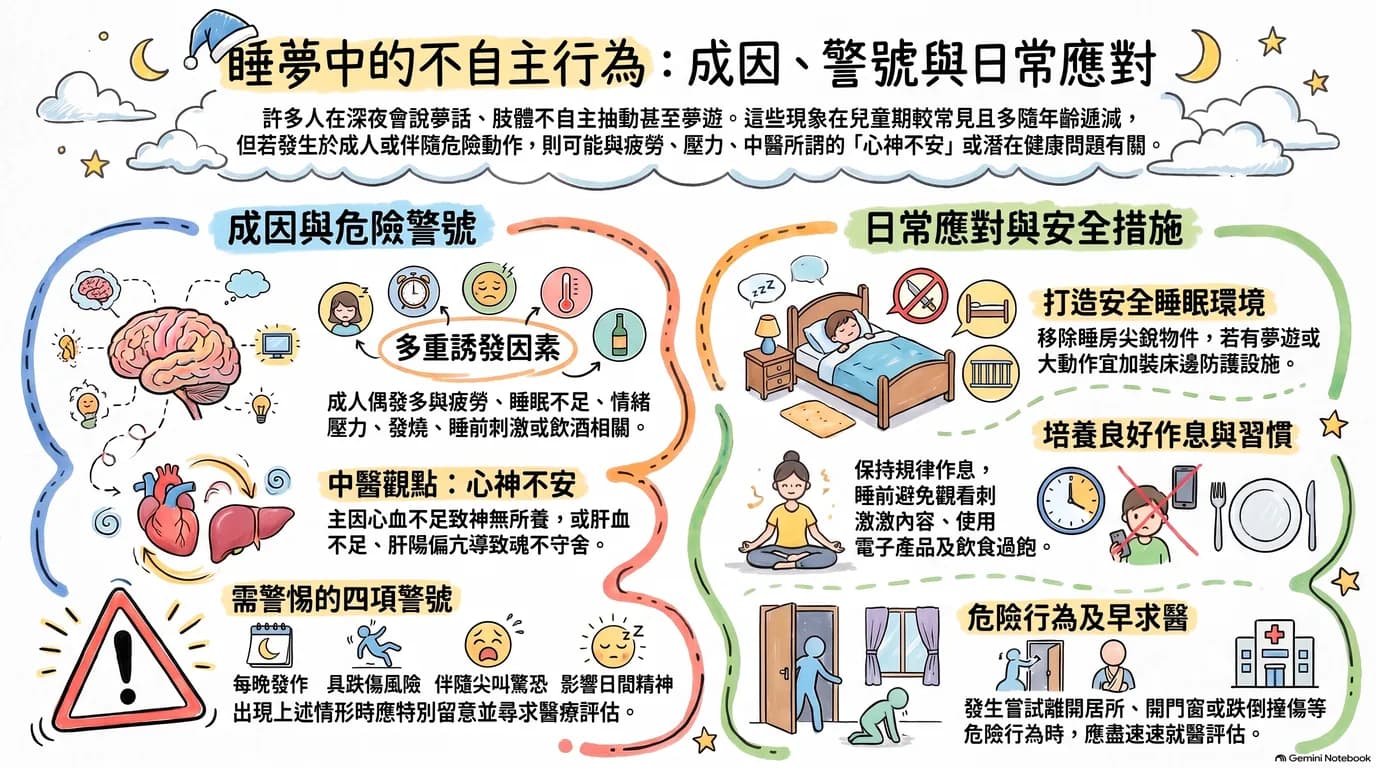
Sleep Talking, Limb Movements and Sleepwalking: What's Behind Them?
Many parents and partners have noticed a family member talking in their sleep, moving their limbs, or even sleepwalking. This article explains who this is most common in, how TCM understands it, and when it's time to see a doctor.
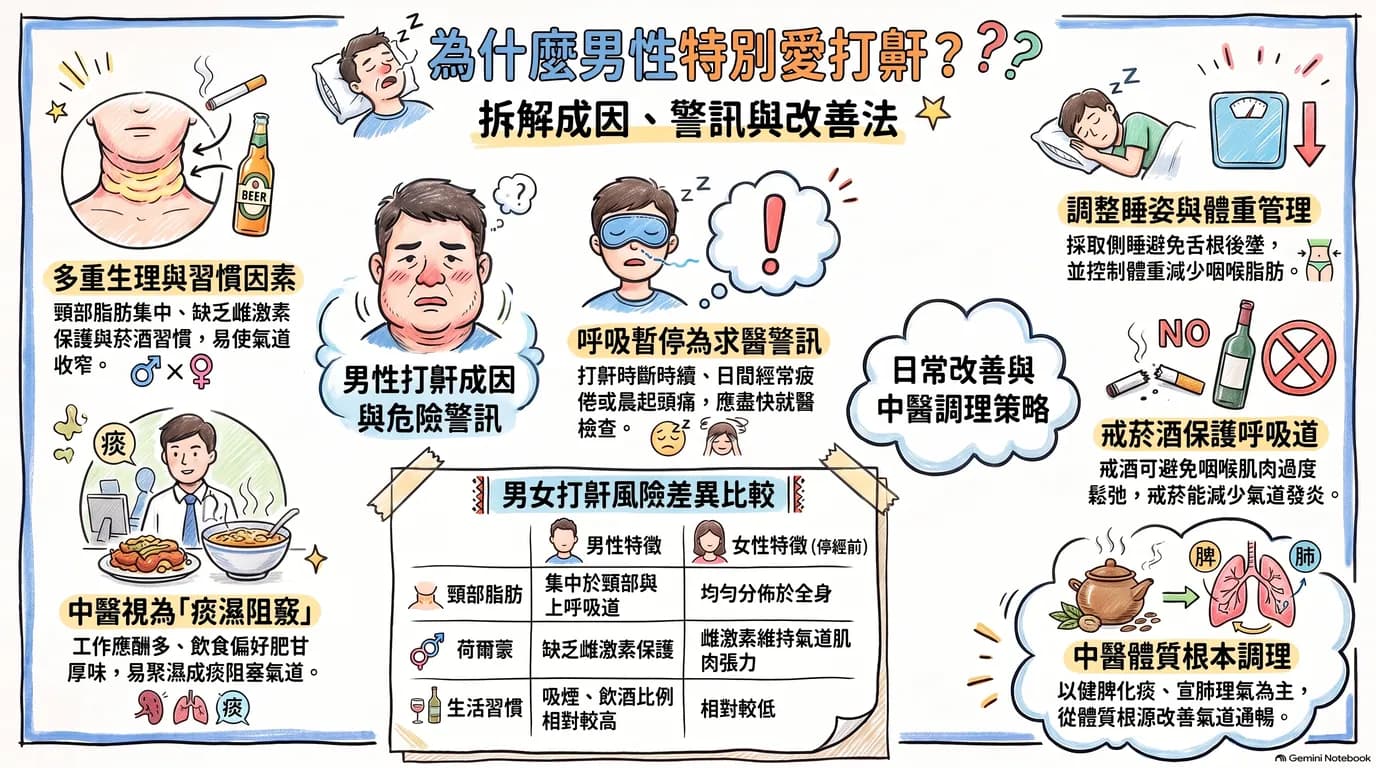
Why Do Men Snore More Than Women? Causes and Warning Signs
Snoring is far more common in men than women, and the reasons go beyond habit — physiology, hormones and lifestyle all play a part. This article explains why men snore more, which signs suggest a more serious problem, and how to ease snoring day to day.
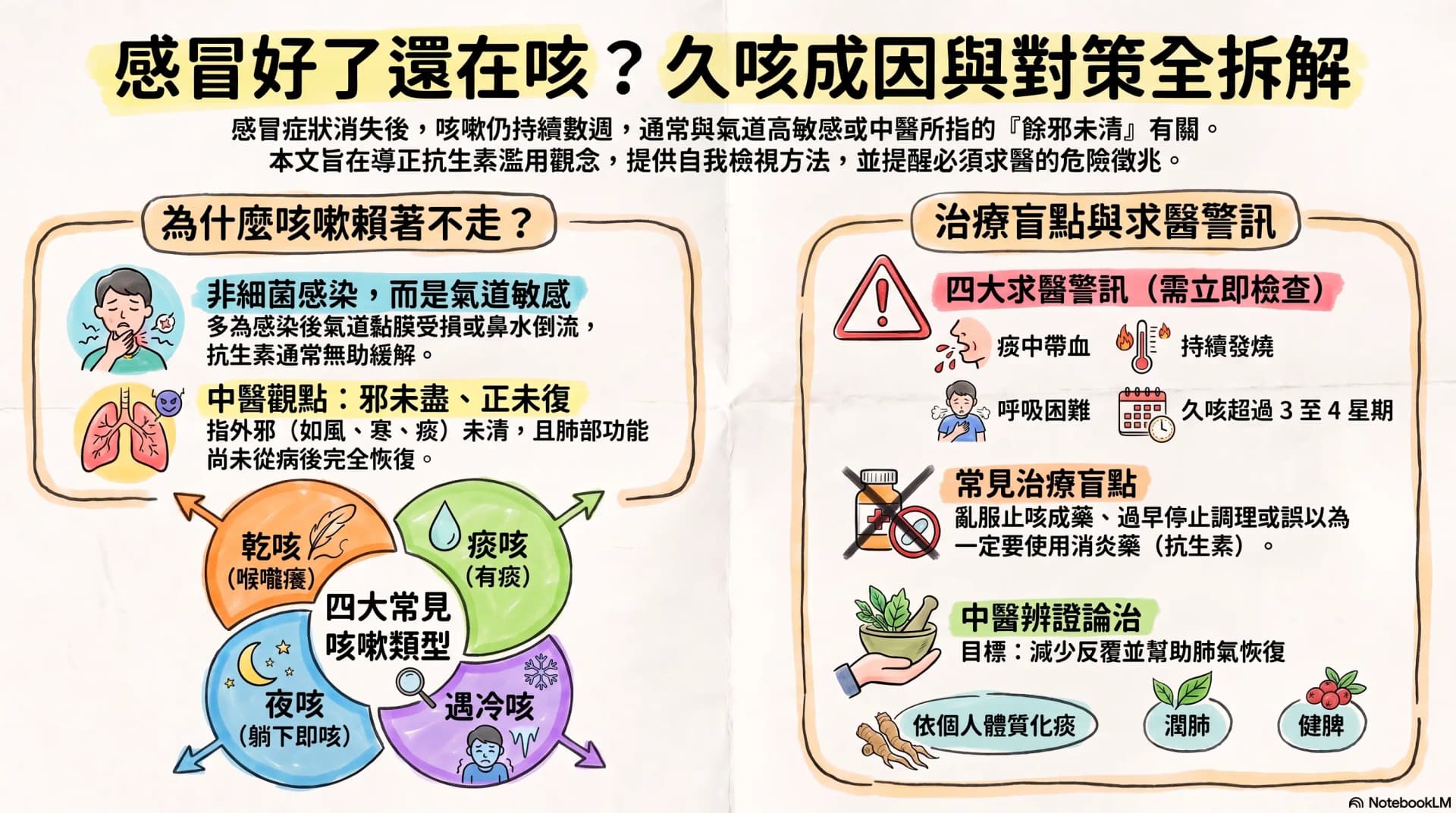
The Cold Has Gone but the Cough Will Not Clear: Causes of a Lingering Post-Cold Cough and How TCM Can Help
The cold is gone, but the cough drags on for weeks. This article breaks down the common types and causes of a lingering post-cold cough, the situations that warrant medical attention, the treatment blind spots, and how Chinese medicine can help through pattern differentiation.