Postpartum Hair Loss: TCM Causes, Recovery Timeline and Care
Two to four months after giving birth, hair comes away by the handful when washing or combing, and many mothers worry about going bald. This article first explains the Western view — postpartum hair loss is usually a temporary telogen effluvium, and most people recover on their own within six months to a year — then uses the TCM ideas that "hair is the surplus of blood" and "the kidney manifests in the hair" to unpack the roles of postpartum qi-and-blood depletion, blood deficiency, kidney deficiency and liver stagnation, and lists when to see a Western doctor first.
Medical review: Dr. To Ching, Jenny,Registered Chinese Medicine Practitioner #009330
1-Minute Quick Answer
Heavy shedding two to four months after birth is almost always temporary telogen effluvium and recovers within six months to a year — not permanent baldness. TCM nourishes blood and tonifies the kidney to support qi-and-blood recovery; sleep and nutrition matter equally. See a Western doctor first if shedding persists beyond a year, bald patches appear, or marked fatigue and cold-aversion follow.
Is Postpartum Hair Loss Normal? A TCM Look at Causes, Recovery Timeline and Care
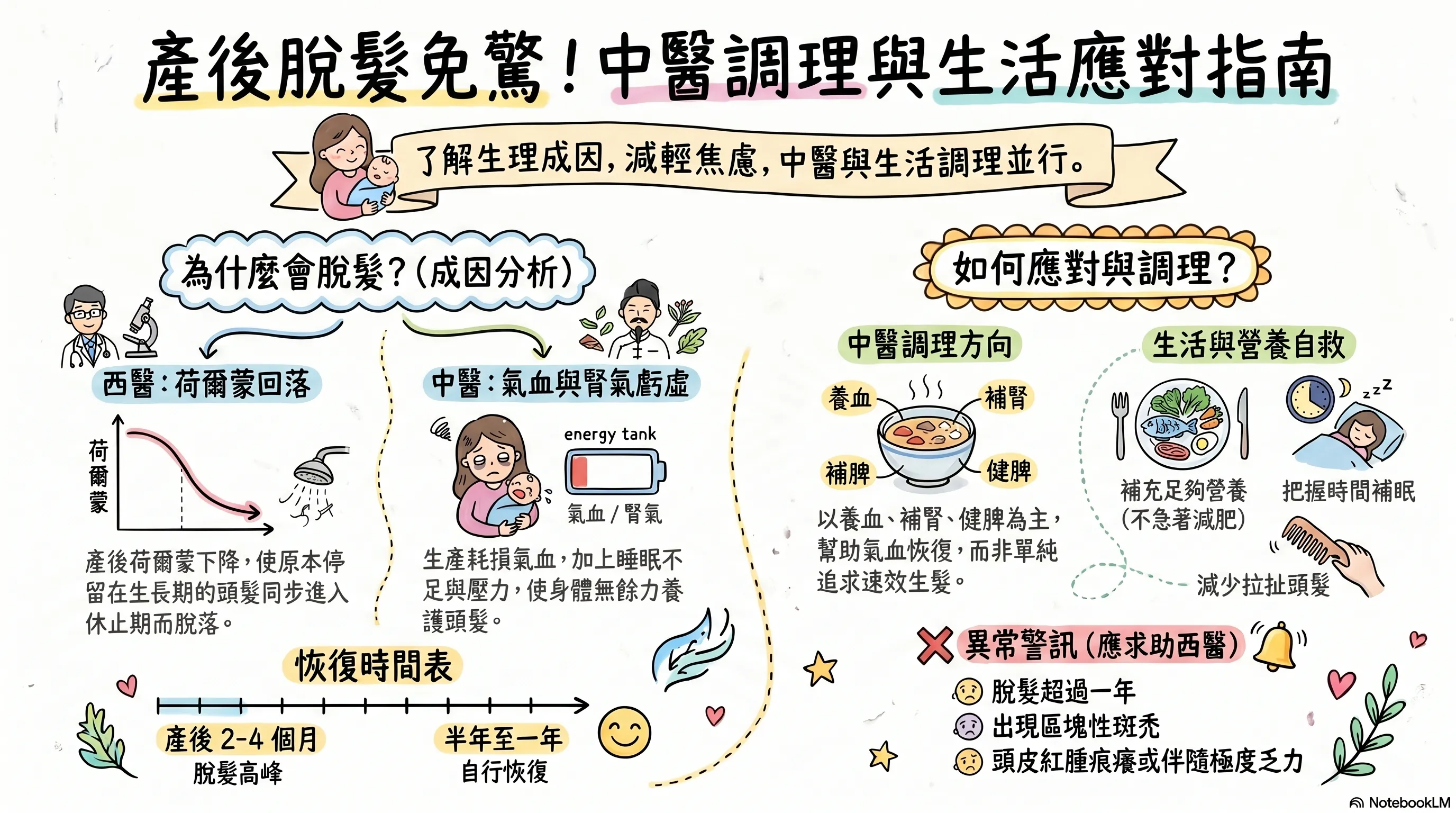 For quick reference, this image was generated by NotebookLM. Some Chinese characters may not render perfectly; we appreciate your understanding.
Two or three months after giving birth, many mothers find hair coming away by the handful when they wash or comb it — on the pillow, on the floor, in the shower drain. Already tired from the postpartum period, they feel an added layer of worry: "Will it keep falling? Will I go bald?"
Here is a reassuring point to start with: in the vast majority of cases, postpartum hair loss is temporary. This article first explains the Western view of its causes and recovery timeline, then uses the TCM perspective to unpack why hair sheds so readily after birth, how it can be conditioned, and when to see a Western doctor first.
Note: This article is general health education. If hair loss persists beyond a year, if distinct bald patches appear, if the scalp is red, itchy, crusted or has a rash, or if it comes with marked fatigue, cold-aversion or palpitations, see a Western doctor first rather than treating it as "ordinary postpartum shedding".
Reassurance First: The Western View
Postpartum hair loss is, in Western terms, usually telogen effluvium.
During pregnancy, raised hormone levels keep more hairs in the "growth phase", which is why hair often feels especially thick and sheds little while pregnant. After delivery, hormones fall back, and that batch of hairs moves together into the "resting phase" and sheds in a cluster — so two to four months postpartum is usually when shedding is most noticeable.
The key point: this is a natural physiological process, and most mothers gradually recover on their own within six months to a year, with hair density returning close to its pre-pregnancy state. It is not permanent hair loss and does not mean "going bald". Understanding this already lifts much of the worry.
The TCM View: Hair Is the Surplus of Blood
TCM has two sayings directly relevant to hair: "hair is the surplus of blood" and "the kidney manifests in the hair". In other words, whether hair is glossy and firmly rooted is closely tied to whether the body's blood is sufficient and its kidney qi is adequate.
Childbirth itself consumes a great deal of qi and blood; breastfeeding continues that demand; and caring for an infant, long-term sleep loss, physical exhaustion and emotional stress all add up. The body is, for a time, markedly depleted in qi and blood — blood is not sufficient to nourish the hair, so shedding becomes more obvious and recovery slower. The common directions:
- Blood deficiency: a pale complexion, easy dizziness and fatigue, dry and easily shed hair — blood not nourishing the hair.
- Kidney deficiency: aching lower back and knees, cold-aversion or frequent night urination — kidney qi insufficient, affecting how firmly hair is rooted.
- Spleen deficiency: poor appetite, post-meal fatigue, loose stools — the spleen is the source of qi and blood, so spleen deficiency makes them harder to replenish.
- Liver stagnation: postpartum low mood, stress and poor sleep — liver stagnation also affects the movement of qi and blood.
In practice, postpartum mothers are usually "blood-deficient" predominantly, mixed with kidney, spleen or liver patterns; the actual picture must be judged by a registered TCM practitioner from tongue, pulse and symptoms.
The TCM Approach
In treating postpartum hair loss, the TCM emphasis is on helping postpartum qi and blood recover as soon as possible, not on chasing "instant regrowth". The general directions are nourishing blood, tonifying the kidney and strengthening the spleen, with liver-soothing where needed; the methods are mainly Chinese herbs, with acupuncture or scalp massage in some cases.
To be candid: TCM care can help improve the overall state of postpartum qi-and-blood depletion and the conditions for hair recovery, but there is no "miracle regrowth formula". Even with no conditioning at all, most postpartum hair loss improves on its own; the role of TCM is to help the overall picture along when a mother is depleted, recovering slowly, or also dealing with other postpartum complaints. The specific formulas are decided by a registered TCM practitioner; this article does not list formula names or doses.
What You Can Start Doing Yourself
- Eat enough; don't rush to lose weight. The postpartum period — especially while breastfeeding — needs adequate protein and iron. Crash dieting to lose weight leaves qi and blood more depleted and shedding more obvious.
- Be gentle with hair care. Use a mild shampoo and water that is not too hot; do not comb or tie hair with excessive pulling, and avoid consistently very tight hairstyles.
- Catch up on sleep. Too little sleep slows recovery. Rest when the baby sleeps where you can.
- Reduce stress and ask for help. The postpartum load is heavy — let your partner and family share the care, and accept emotional support.
- Give the body time. Hair has its own growth cycle; recovery takes several months and will not show in a week or two.
When to See a Western Doctor First
Most postpartum hair loss improves on its own, but the following should be assessed by a Western doctor first rather than assumed to be "ordinary postpartum shedding":
- Hair loss still marked beyond a year, or density that does not return
- Distinct, clearly bordered bald patches (possible alopecia areata)
- A red, itchy, crusted scalp or a rash (a possible scalp skin condition)
- Hair loss alongside marked fatigue, cold- or heat-intolerance, palpitations, constipation or significant weight change — possibly thyroid-related (postpartum thyroiditis is not rare)
- A pale complexion, dizziness and extreme weakness — anaemia should be checked
These need Western investigation and care; TCM can then support the constitution once a Western assessment is done.
How Aspira TCM Clinic Helps
When Dr To sees a patient for postpartum hair loss, the first visit generally involves:
- Understanding the delivery and postpartum course, breastfeeding and sleep, and when and how much hair loss began
- Using tongue, pulse and the four examinations to tell whether the picture is mainly blood, kidney, spleen or liver
- Setting an herbal plan along the lines of nourishing blood, tonifying the kidney and strengthening the spleen, with acupuncture where needed
- Going through key points on nutrition, hair care and rest
- If the pattern of loss looks unusual or comes with other symptoms, advising a Western check first for thyroid, anaemia or scalp problems
Dr To does not market this care with "rapid regrowth" claims; the aim is to support postpartum recovery of qi and blood and help a mother feel more comfortable.
FAQ
Q1: Will postpartum shedding keep going until I am bald?
Almost always, no. Postpartum hair loss is a temporary telogen effluvium, and most mothers gradually recover within six months to a year. Only if it is still marked beyond a year, or distinct bald patches appear, is a Western check needed first.
Q2: Does breastfeeding make hair loss worse?
Postpartum hair loss relates mainly to the hormone fall after delivery, not directly to breastfeeding. But breastfeeding does place an extra demand on qi and blood, and sleep is scarcer; with too little nutrition and rest, recovery can be slower. The point is to eat enough and rest where possible — not to stop breastfeeding over this.
Q3: Do hair-regrowth shampoos or supplements help?
Over-the-counter regrowth products vary in effect, and some ingredients may not suit a breastfeeding mother. Before using any regrowth product or oral supplement, consult a doctor or pharmacist. Most postpartum hair loss recovers on its own and may not need special products.
Q4: How long before TCM care shows improvement?
Hair has its own growth cycle, so TCM care generally takes several months, alongside the body's overall recovery of qi and blood, before changes appear — not within a week or two.
Q5: Is it safe to take Chinese herbs while breastfeeding?
Medication while breastfeeding needs particular care. Be sure to tell the registered TCM practitioner that you are breastfeeding so the direction can be chosen accordingly; also tell them about any Western medication and supplements, and do not self-prescribe.
— Dr To Ching | Registered Chinese Medicine Practitioner (Gynaecology, TCM Aesthetics, Thread-Embedding Weight Loss, Postpartum Belly Binding) Aspira TCM Clinic
Experiencing a Similar Problem? Book a Consultation
If your postpartum hair loss is marked and you would like to start with qi-and-blood conditioning, you are welcome to book a consultation with Dr To.
How to book:
- WhatsApp: Book here
- Phone: 2110 9337
- Address: Unit 2706, Saxon Tower, 7 Cheung Shun Street, Lai Chi Kok
Disclaimer: This article is for general health education only and does not replace individual diagnosis, examination, medication or treatment advice. Every mother's constitution and situation differ; please consult a registered TCM practitioner for an actual plan. If hair loss persists beyond a year, if bald patches appear, if there is a scalp skin problem, or if other systemic symptoms accompany it, see a Western doctor first; medication while breastfeeding should be discussed with a practitioner first.
Disclaimer: This article is for health education and reference purposes only and does not constitute medical advice, diagnosis, or treatment. Each patient's condition is unique and treatment outcomes vary. Please consult a registered TCM practitioner or qualified healthcare professional for health concerns.
Further Reading
Hand-picked related articles and real cases to read next.
Want to learn more? WhatsApp us for a free consultation
Book via WhatsAppExplore our full range of treatments: Traditional TCM Services
Related Articles
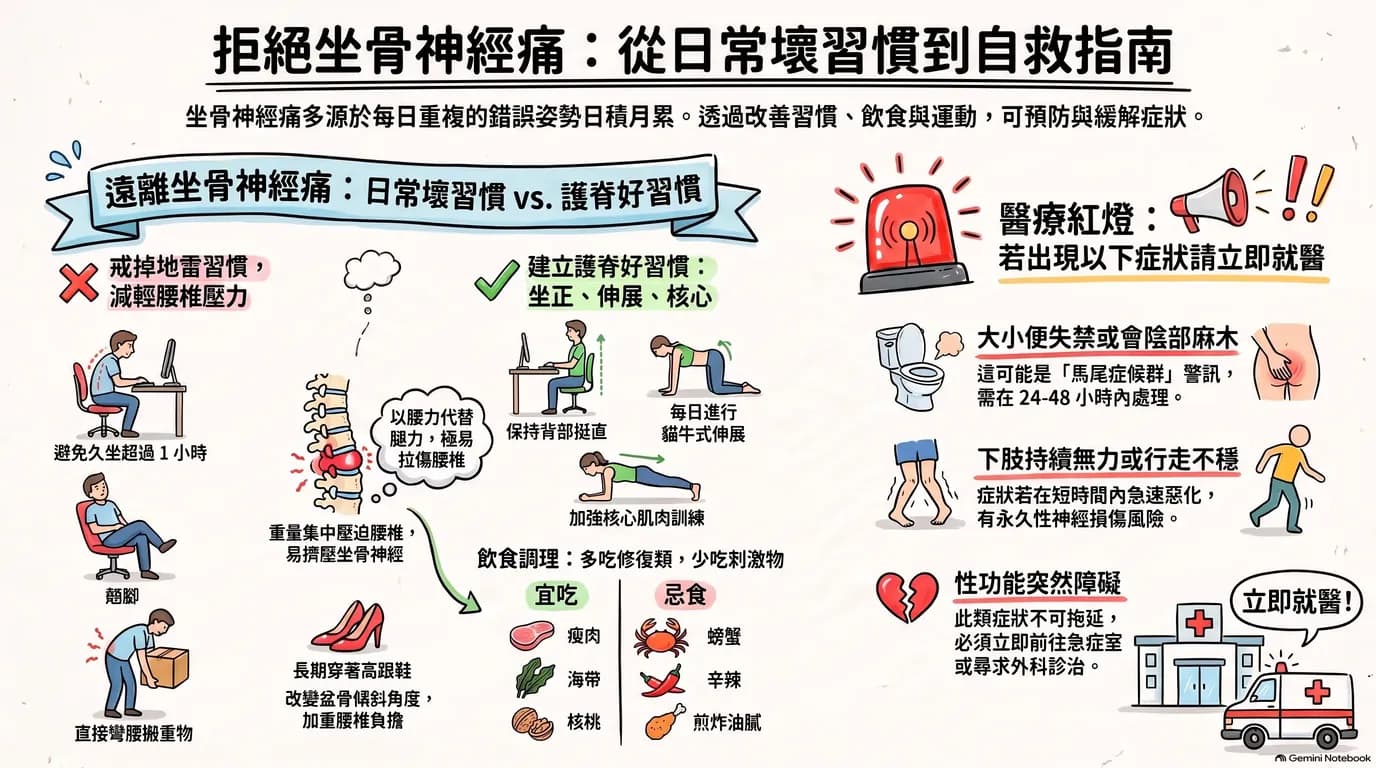
Sciatica Prevention: Bad Habits, Diet and Daily Care Tips
Sciatica isn't only about treatment — your daily habits and diet play a big role too. In this article, Dr Wong explains which everyday habits increase your risk of sciatica, which foods may help ease it, and simple daily habits that reduce the chance of it coming back.
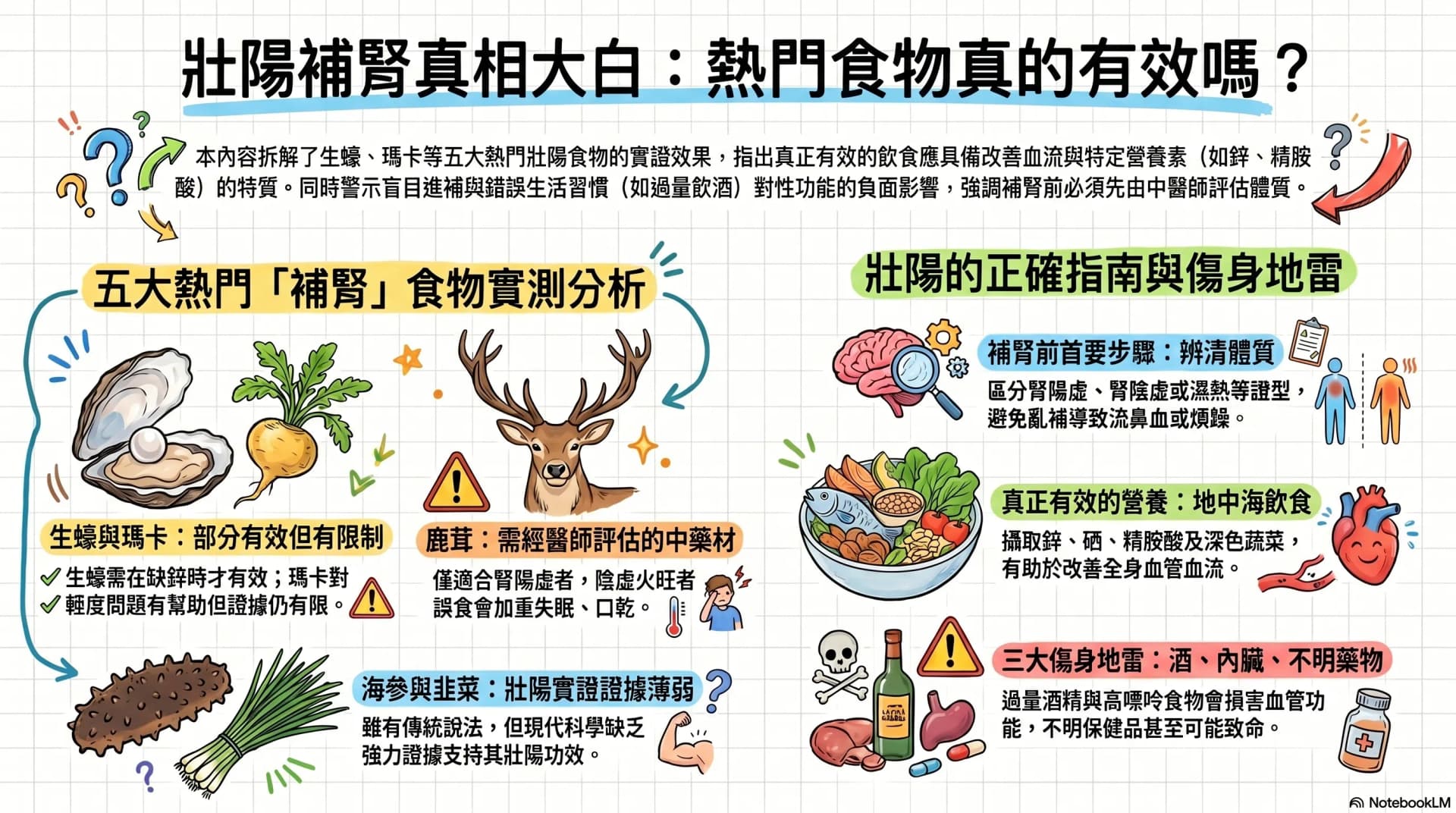
Do Oysters, Maca and Deer Antler Boost Male Vitality? 5 Myths
Do aphrodisiac foods actually work? This article opens with a rating table (effective / partly effective / effective within a TCM framework / weak evidence / no strong evidence), reviews the Chinese and Western medical evidence behind oysters, maca, deer antler, sea cucumber and Chinese chives, distils the 3 shared traits of foods that genuinely support male sexual function, and flags 3 commonly eaten items that can actually harm performance.
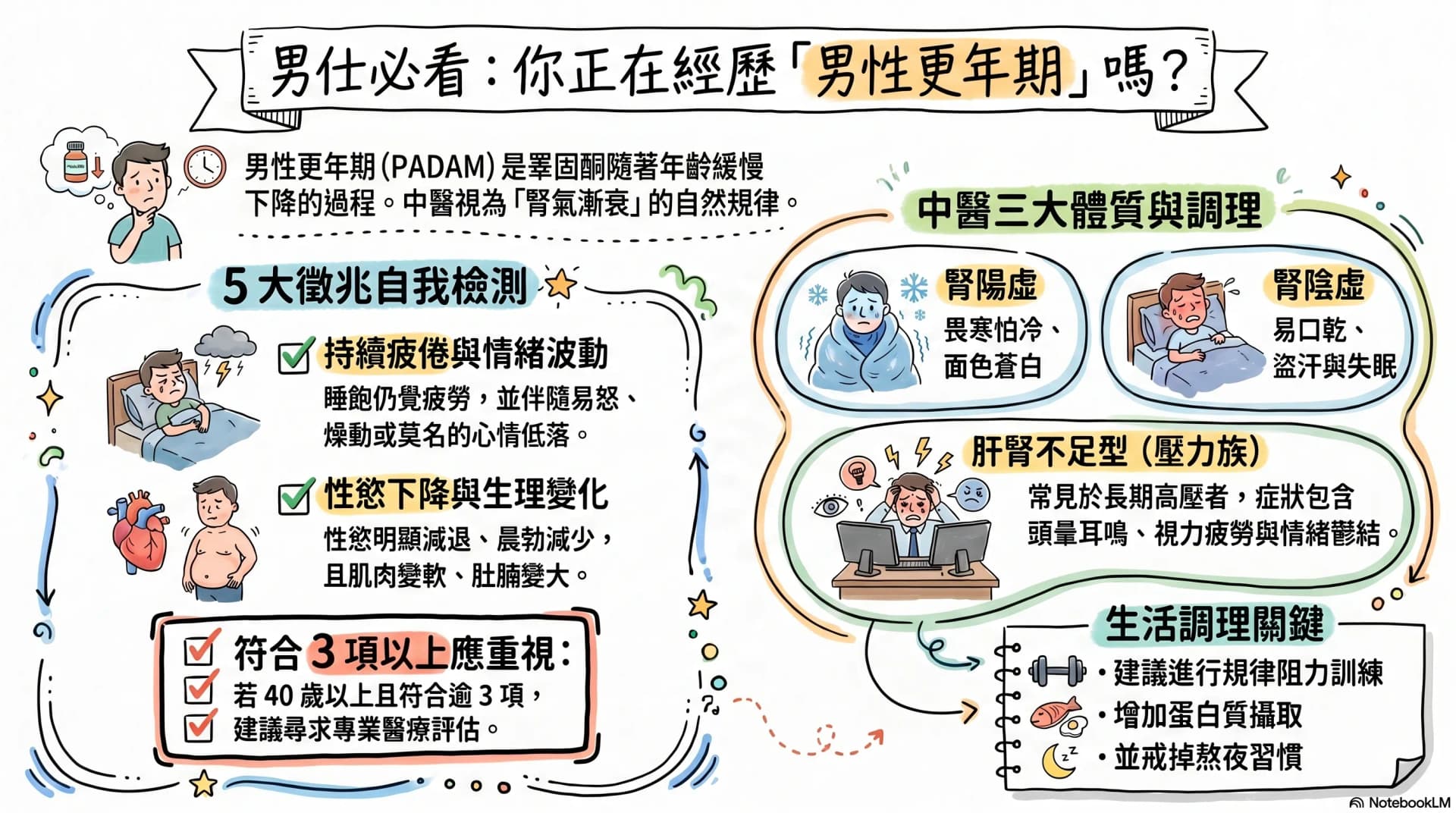
Male Menopause Through the TCM Lens: 5 Signs in Men Over 40
Unexplained fatigue, irritability, lower libido, poorer sleep and a growing belly after 40 are not just ageing or work stress — they may be male menopause. This article begins with a five-sign self-check, sets out three TCM patterns (kidney-yang deficiency, kidney-yin deficiency, liver-and-kidney insufficiency) with matching improvements, and compares the two treatment routes — testosterone replacement therapy versus TCM constitutional care.