Preparing for Pregnancy: A TCM Preconception Care Guide
When a couple plans for pregnancy, they often hear "condition your body first" — but what does "conditioning" actually mean? This article explains what TCM preconception care focuses on (menstruation, qi and blood, the Chong and Ren channels), how it runs alongside Western pre-pregnancy checks, common constitutional directions and the idea of cycle-based care, and when to see a gynaecologist or fertility specialist first. TCM can improve the constitution and support preparation, but it cannot guarantee pregnancy.
Medical review: Dr. To Ching, Jenny,Registered Chinese Medicine Practitioner #009330
1-Minute Quick Answer
TCM preconception care is not about "drinking tonics to push for pregnancy" — it is about steadying the menstrual cycle, qi and blood in the months before trying, running alongside Western pre-pregnancy checks. It takes several months and cannot guarantee conception. See a fertility specialist first if you have tried without success for about six months (aged 35+) or a year (under 35).
Preparing for Pregnancy: A TCM Guide to Preconception Body Conditioning
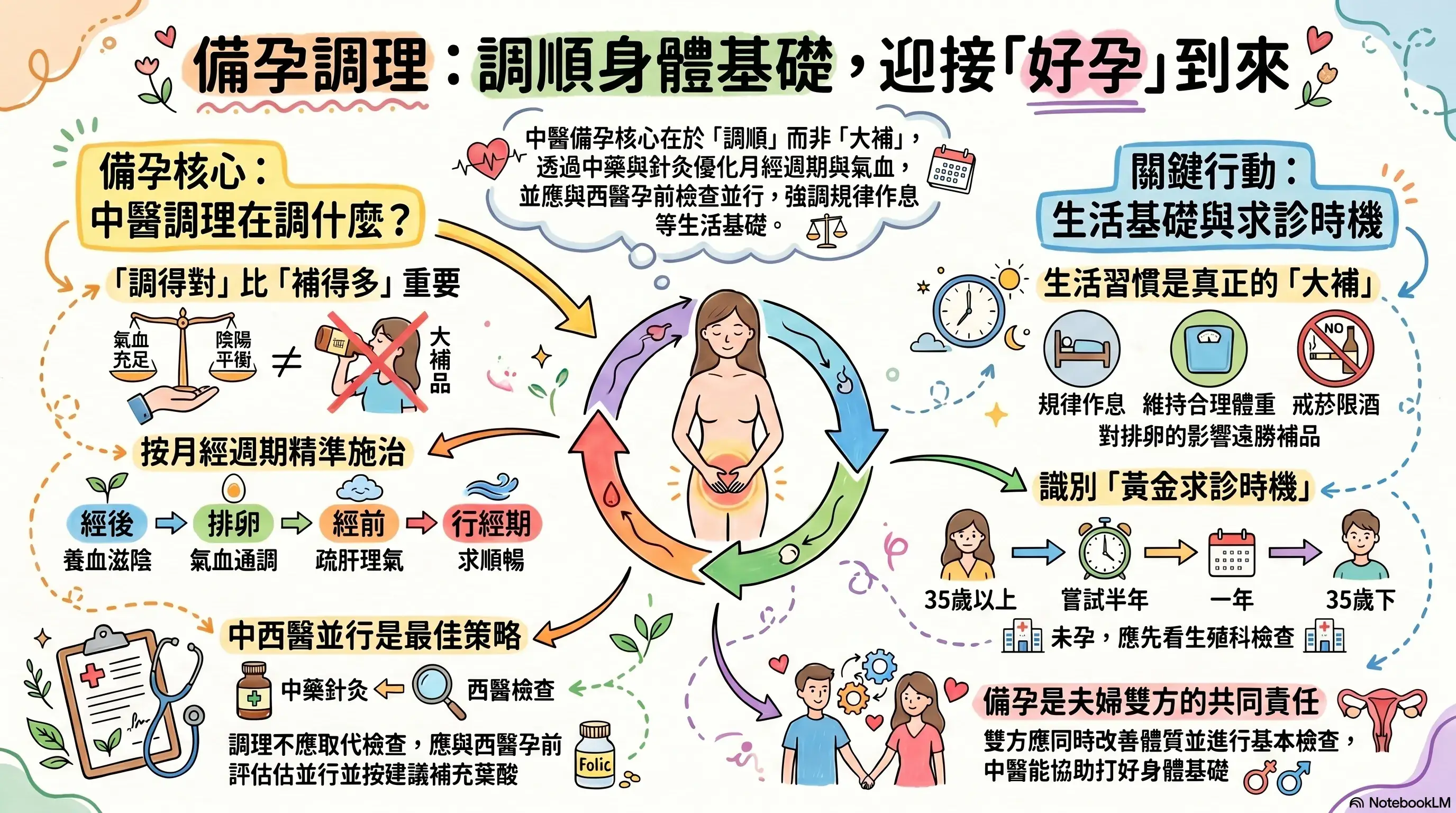 For quick reference, this image was generated by NotebookLM. Some Chinese characters may not render perfectly; we appreciate your understanding.
"Why not get your body in good shape first?" — almost every couple planning a pregnancy hears this. But what does "conditioning the body" actually involve? Does it mean drinking lots of tonics? And when should it begin?
Here are the conclusions up front: TCM preconception care is not about "drinking tonics to push for a pregnancy". It is about the months before trying to conceive — smoothing out the menstrual cycle, qi and blood, and overall condition so the body has a more favourable baseline. Conditioning in the right direction matters more than tonifying more. And it should run alongside Western pre-pregnancy checks, not instead of them.
The most substantial preparation is often not any tonic — it is a regular routine, a reasonable weight, stopping smoking and limiting alcohol, a balanced diet, and folic acid as advised by Western medicine. These lifestyle foundations affect menstruation and ovulation more than tonics do.
One thing to watch: not everyone can simply "condition slowly". If you are 35 or above and have tried for about six months without success, under 35 and have tried for about a year, or have a known gynaecological condition or a history of recurrent miscarriage, see a gynaecologist or fertility specialist first — do not let conditioning delay the investigations.
This article explains what TCM preconception care actually does, how it runs alongside Western checks, the common constitutional directions, and when to see a gynaecologist or fertility specialist early.
Note: This article is general health education for people generally planning a pregnancy. Conceiving involves both partners and is influenced by age, health and many other factors. TCM care can improve the constitution and support preparation, but it cannot guarantee pregnancy, nor can it replace the investigations and treatment of reproductive medicine. If a gynaecological condition or infertility is known or suspected, please consult a gynaecologist or fertility specialist first.
What TCM Preconception Care Actually Conditions
Preconception care is not as simple as "eating tonics". From a TCM viewpoint, pregnancy needs a relatively stable bodily foundation: a regular cycle, sufficient qi and blood, well-regulated Chong and Ren channels (the channels tied to reproduction and menstruation), and a relative balance of yin and yang.
Preconception conditioning means, in the months before trying to conceive, smoothing out these foundations as far as possible — for example improving an overly long or short cycle, scanty or heavy flow, marked premenstrual or menstrual discomfort, and overall qi, blood and energy. In short, the TCM focus is not to "push", but to bring the body to a more favourable baseline.
Run Alongside Western Checks, Not Instead of Them
TCM care should not replace a Western pre-pregnancy assessment. When starting to plan, we suggest:
- Both partners undergo basic pre-pregnancy checks (the items advised by a family doctor or relevant specialist)
- The woman logs her cycle, flow and menstrual discomfort, and where useful records basal body temperature or ovulation signs
- Folic acid supplementation and relevant vaccinations as advised by Western medicine
- If a gynaecological condition is already known (PCOS, endometriosis, fibroids and so on), follow-up with a gynaecologist first
TCM care runs in parallel with this Western preparation: Western medicine handles investigation and diagnosis, TCM handles constitutional conditioning. When both sides share information, the direction stays consistent.
Common Constitutional Directions in TCM Preconception Care
Constitutions differ; the directions that commonly need work include:
- Kidney deficiency: TCM regards the kidney as closely tied to reproduction. Aching lower back and knees, cold-aversion or hot flushes, and an unstable cycle may call for kidney tonification.
- Qi-and-blood deficiency: scanty flow, a pale complexion, easy fatigue and dizziness call for tonifying qi and nourishing blood.
- Liver-qi stagnation: long-term stress, marked premenstrual discomfort and mood swings call for soothing the liver and moving qi.
- Phlegm-damp: a heavier build, an irregular cycle and a thick greasy tongue coating call for strengthening the spleen and resolving damp.
- Blood stasis: clots in the menstrual blood and marked period pain call for invigorating blood.
In practice these often overlap, and the actual plan must be set by a registered TCM practitioner weighing tongue, pulse, menstruation and symptoms.
The Idea of Cycle-Based Care
TCM preconception care often follows the menstrual cycle: after the period, the emphasis is on nourishing blood and yin to build a foundation; around ovulation, the focus is smooth qi and blood; premenstrually, soothing the liver and moving qi; during menstruation, a smooth flow. Caring for the whole cycle is what gradually steadies both menstruation and overall condition.
The methods are mainly Chinese herbs and acupuncture; the exact formulas and points are decided by a registered TCM practitioner, and this article does not list formula names or doses. It should be said plainly: preconception conditioning usually takes several months and does not work from one or two doses. What it helps with is "getting the body ready", not "guaranteeing conception".
Lifestyle: Often More Important Than Tonics
- Routine: sufficient, regular sleep; avoid long-term late nights.
- Weight: being underweight or overweight can both affect menstruation and ovulation — keep a reasonable weight.
- Stop smoking and limit alcohol: both partners.
- Diet: balanced rather than heavily "tonifying"; folic acid as advised by Western medicine.
- Stress: long-term high stress affects menstruation and mood — build in stress relief.
- Partner together: conceiving involves both partners; the man's routine, smoking, drinking and overall health matter just as much.
These lifestyle foundations are often far more substantial than any tonic.
When to See a Gynaecologist or Fertility Specialist First
TCM care suits general preconception conditioning, but the following should be assessed by a Western doctor first and not left to conditioning alone:
- Aged 35 or above, with regular intercourse and no contraception, trying for about six months without success
- Under 35, trying for about a year without success
- A long-standing, markedly irregular cycle, extremely scanty or heavy flow, or severe period pain
- A known or suspected gynaecological condition (PCOS, endometriosis, fibroids, tubal problems and so on)
- A history of recurrent miscarriage
These call for the investigations and care of reproductive medicine; TCM may support conditioning under Western lead, but relying on TCM alone should not delay assessment.
How Aspira TCM Clinic Helps
When Dr To sees a patient for preconception care, the first visit generally involves:
- Understanding both partners' plans, the woman's menstrual history, past medical history and any existing Western results
- Using tongue, pulse and the four examinations to identify the constitutional direction (kidney deficiency, qi-and-blood deficiency, liver stagnation, phlegm-damp, blood stasis and so on)
- Setting a herbal and/or acupuncture plan mapped to the menstrual cycle
- Going through the key lifestyle points and advising that care runs alongside Western checks
- If the assessment points to a situation needing a fertility specialist, advising that specialist assessment first
Dr To does not market preconception care with "guaranteed pregnancy"; the role of TCM is to help condition the bodily foundation in support of your plan.
FAQ
Q1: Does preconception care mean drinking lots of tonics?
No. Indiscriminate tonifying can actually unbalance the constitution. The point of TCM preconception care is to condition "in the right direction" for your constitution, not to "tonify as much as possible". Whether and what to tonify should be judged by a registered TCM practitioner.
Q2: How far ahead should conditioning start?
Generally, starting a few months before trying to conceive gives menstruation and the constitution time to steady. But it is never too late to start, and it can run in step with Western pre-pregnancy preparation.
Q3: Should the male partner also be conditioned?
Conceiving is a shared matter. The man's routine, smoking, drinking, stress and overall health matter just as much, and a constitutional assessment for him is available where useful.
Q4: Will seeing a TCM practitioner interfere with Western checks or treatment?
No — they should run in parallel. Tell the TCM practitioner about your Western results, any ongoing programme and your medications; if you are undergoing fertility treatment (such as IUI or IVF), both sides should be kept informed.
Q5: Can TCM "cure infertility"?
Infertility has many causes and needs investigation and diagnosis by a fertility specialist. TCM can support constitutional conditioning under Western assessment, but this should not be understood as "TCM curing infertility", and seeing a TCM practitioner should not delay a Western workup.
— Dr To Ching | Registered Chinese Medicine Practitioner (Gynaecology, TCM Aesthetics, Thread-Embedding Weight Loss, Postpartum Belly Binding) Aspira TCM Clinic
Planning Ahead? Book a Consultation
If you are planning for pregnancy and want to start with your constitution, you are welcome to book a consultation with Dr To.
How to book:
- WhatsApp: Book here
- Phone: 2110 9337
- Address: Unit 2706, Saxon Tower, 7 Cheung Shun Street, Lai Chi Kok
Disclaimer: This article is for general health education only and does not replace individual diagnosis, examination, medication or treatment advice. Every person's constitution and situation differ; please consult a registered TCM practitioner for an actual plan. Conceiving involves both partners and many factors; TCM care cannot guarantee pregnancy and cannot replace the investigations and treatment of reproductive medicine. If you have a relevant condition or suspect infertility, please consult a gynaecologist or fertility specialist first.
Disclaimer: This article is for health education and reference purposes only and does not constitute medical advice, diagnosis, or treatment. Each patient's condition is unique and treatment outcomes vary. Please consult a registered TCM practitioner or qualified healthcare professional for health concerns.
Further Reading
Hand-picked related articles and real cases to read next.
Want to learn more? WhatsApp us for a free consultation
Book via WhatsAppExplore our full range of treatments: Traditional TCM Services
Related Articles
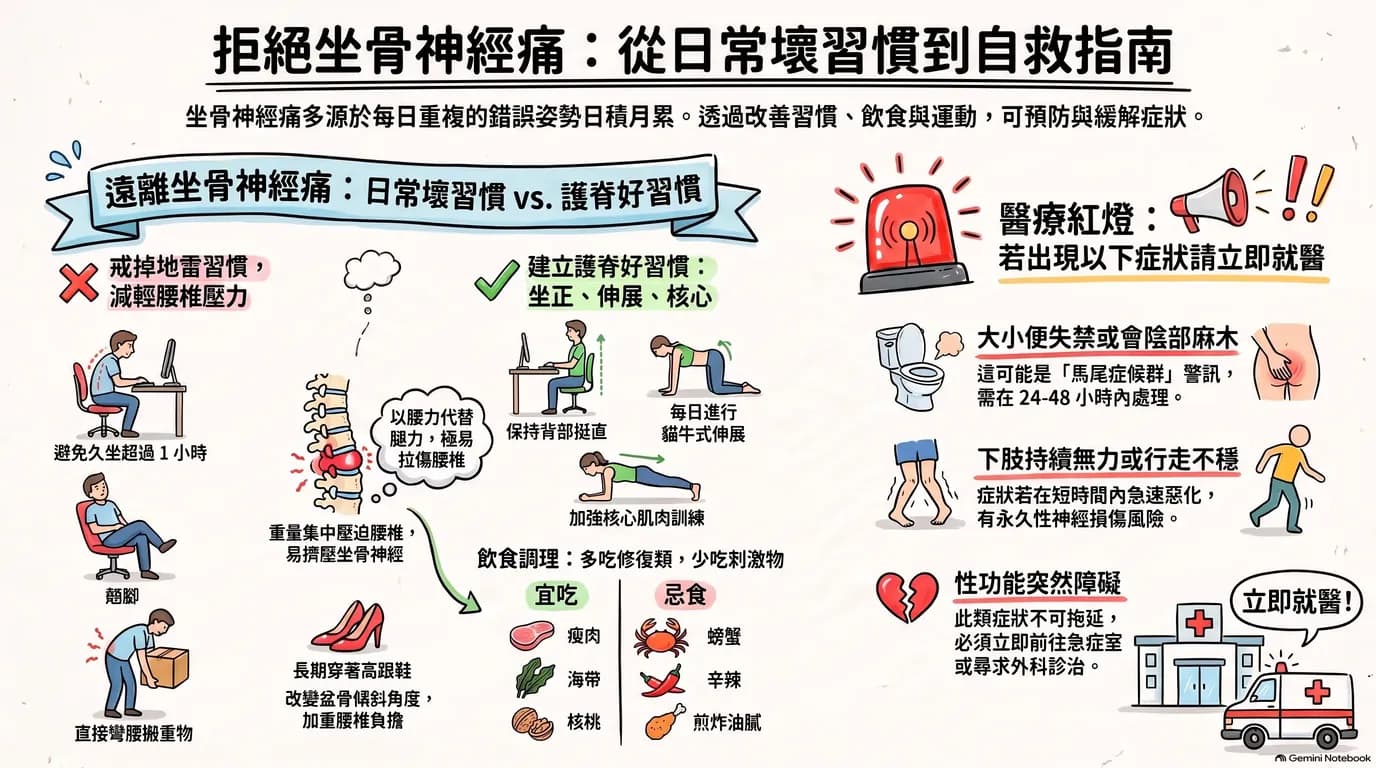
Sciatica Prevention: Bad Habits, Diet and Daily Care Tips
Sciatica isn't only about treatment — your daily habits and diet play a big role too. In this article, Dr Wong explains which everyday habits increase your risk of sciatica, which foods may help ease it, and simple daily habits that reduce the chance of it coming back.
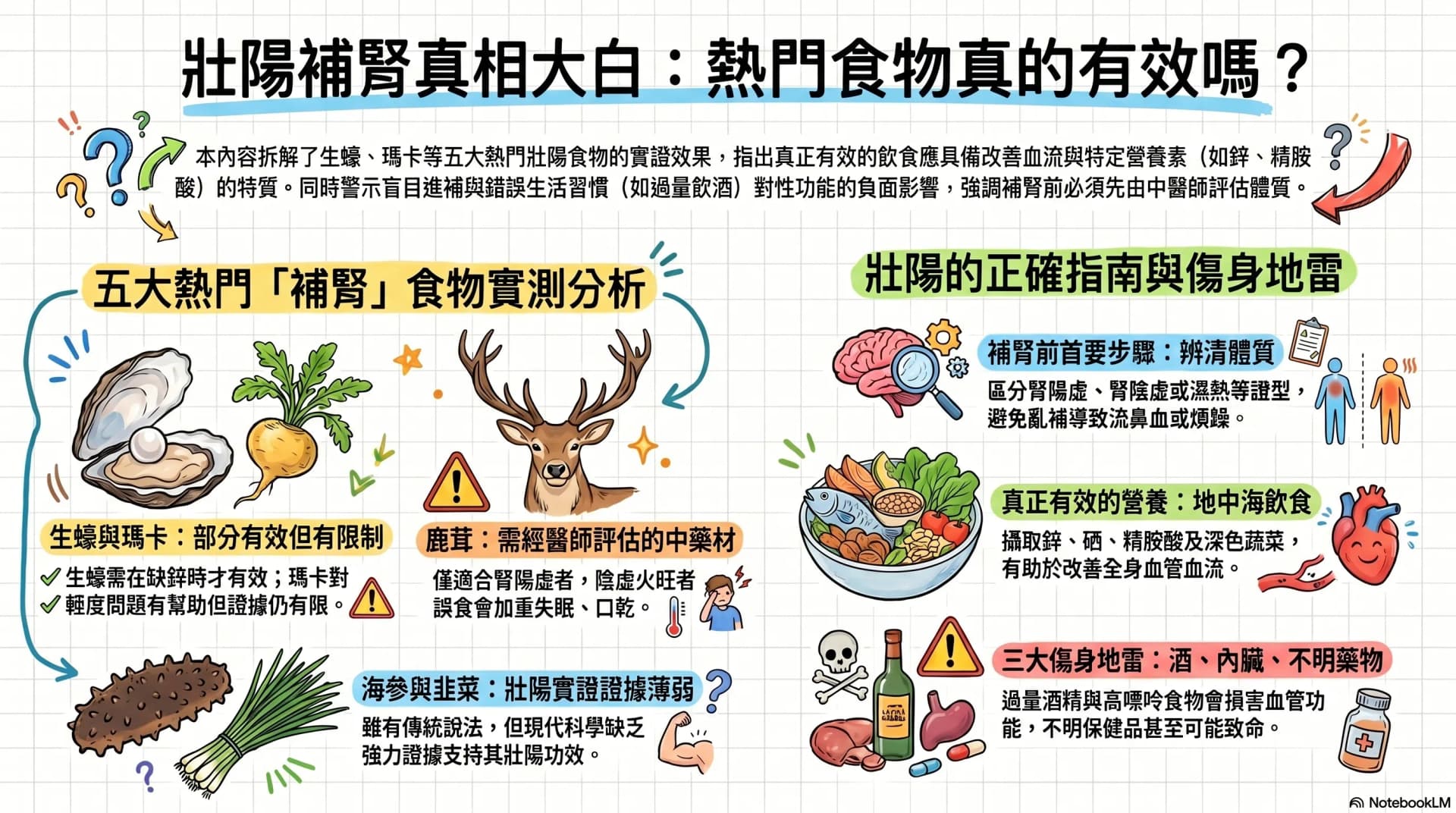
Do Oysters, Maca and Deer Antler Boost Male Vitality? 5 Myths
Do aphrodisiac foods actually work? This article opens with a rating table (effective / partly effective / effective within a TCM framework / weak evidence / no strong evidence), reviews the Chinese and Western medical evidence behind oysters, maca, deer antler, sea cucumber and Chinese chives, distils the 3 shared traits of foods that genuinely support male sexual function, and flags 3 commonly eaten items that can actually harm performance.
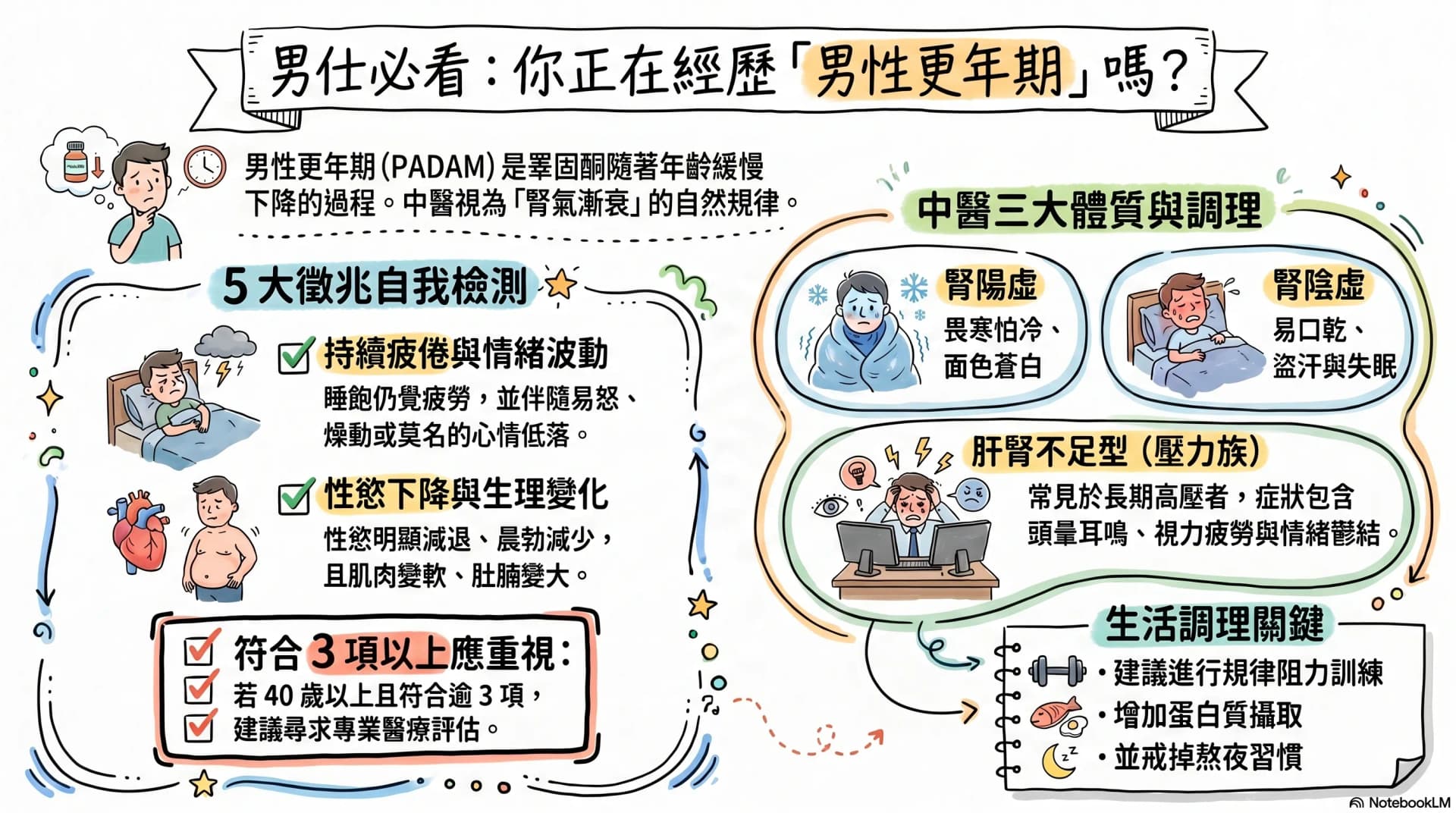
Male Menopause Through the TCM Lens: 5 Signs in Men Over 40
Unexplained fatigue, irritability, lower libido, poorer sleep and a growing belly after 40 are not just ageing or work stress — they may be male menopause. This article begins with a five-sign self-check, sets out three TCM patterns (kidney-yang deficiency, kidney-yin deficiency, liver-and-kidney insufficiency) with matching improvements, and compares the two treatment routes — testosterone replacement therapy versus TCM constitutional care.