PMS: Mood Swings, Breast Tenderness and Bloating — A TCM Guide
For one to two weeks before each period, many women feel like "a different person" — anxious, irritable, tearful, with tender breasts and bloating. This is very likely premenstrual syndrome (PMS). This article explains the common symptoms, how PMS differs from the more severe premenstrual dysphoric disorder (PMDD), how TCM addresses the mood, breast-tenderness and fluid-retention clusters through liver and spleen patterns across the cycle, and when to see a Western doctor first.
Medical review: Dr. To Ching, Jenny,Registered Chinese Medicine Practitioner #009330
1-Minute Quick Answer
Recurrent low mood, irritability, breast tenderness and bloating in the one to two weeks before each period, easing once it starts — this is PMS. TCM addresses it largely through liver-qi stagnation and spleen patterns, phased across the cycle, and usually takes several cycles to see results. Cut salt, exercise regularly, sleep enough. If mood symptoms severely affect daily life, see a family doctor or psychiatrist first (possible PMDD).
Premenstrual Anxiety, Mood Swings, Breast Tenderness, Bloating? A TCM Guide to Managing PMS
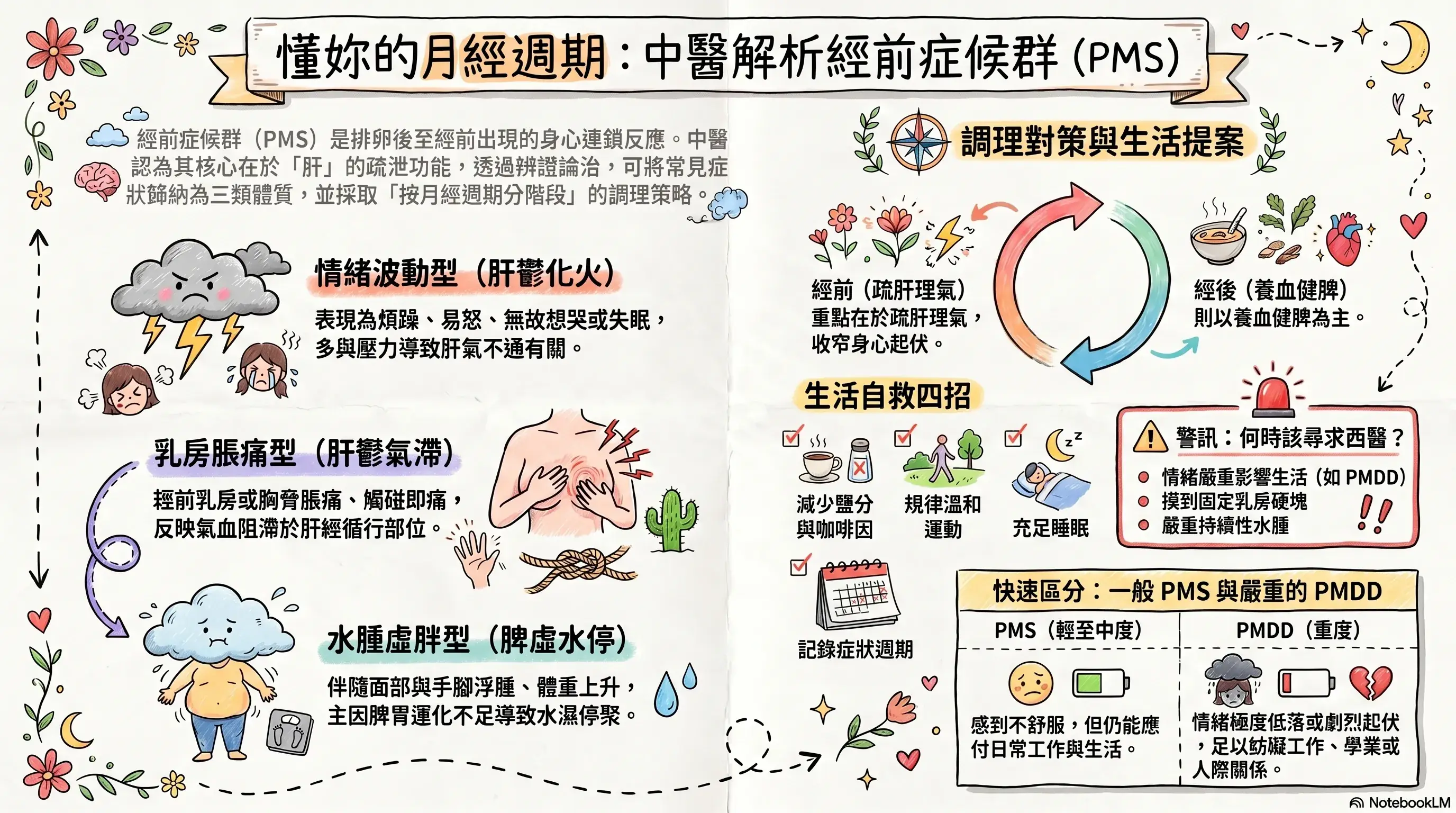 For quick reference, this image was generated by NotebookLM. Some Chinese characters may not render perfectly; we appreciate your understanding.
"For a few days every month, it is as if I become a different person — snapping at small things, tearful for no reason, unable to summon energy for anything; my breasts are so tender I can't bear to touch them, and even my rings and waistband feel tight. Then my period arrives, and suddenly the whole thing lifts." Family members sometimes mistake this monthly cycle for "being moody" or "over-emotional", and the woman herself may struggle to put it into words.
This is very likely premenstrual syndrome (PMS). It is not "overthinking" — it is a cluster of physical and emotional changes the body goes through in the run-up to a period. This article explains the common symptoms of PMS, how to tell it apart from the more severe premenstrual dysphoric disorder (PMDD), how TCM understands and addresses the mood, breast-tenderness and fluid-retention clusters, and when to see a Western doctor first.
Note: This article is general health education. If premenstrual mood symptoms seriously affect your work, relationships or daily life — or if thoughts of harming yourself appear — this is not something to simply "wait out". Please seek help early from a family doctor or a psychiatrist. TCM care can play a supporting role but should not replace professional assessment.
What Is PMS? Common Symptoms
Premenstrual syndrome (PMS) refers to physical and emotional symptoms that recur in the one to two weeks before a period — the luteal phase, after ovulation — and ease within a few days of menstruation starting. It has two defining features: the symptoms track the menstrual cycle, and they clearly subside once the period begins.
Common symptoms fall into two groups.
Emotional and mental: low mood, anxiety, tension, irritability, unexplained tearfulness, difficulty concentrating, fatigue, poorer sleep, and appetite changes (especially cravings for sweet or strongly flavoured food).
Physical: breast tenderness, lower-abdominal bloating, fluid retention (a puffy face, swollen hands and feet, a brief rise in weight), headache, lower-back ache, acne and digestive upset.
PMS is very common — most women of reproductive age experience some degree of premenstrual discomfort; only the severity differs.
PMS and PMDD: A Difference of Degree
If the premenstrual picture is dominated by mood symptoms and severe enough to disrupt daily life, it is worth knowing about premenstrual dysphoric disorder (PMDD). PMDD can be seen as the severe end of the PMS spectrum, marked by pronounced premenstrual low mood, anxiety, irritability or intense mood swings — enough to interfere with work, study or relationships.
A simple distinction: PMS is "uncomfortable but manageable"; PMDD is "mood symptoms severe enough to make normal life difficult". PMDD is a condition that warrants medical management, and Western medicine may consider medication or psychological support. If you or your family sense that premenstrual mood has reached this level, please do not dismiss it as "a bad temper" — seek a professional assessment.
How TCM Views PMS
TCM has no diagnosis called "PMS", but it has long described premenstrual problems in detail — "menstrual emotional disturbance", "premenstrual breast distension", "premenstrual oedema" — and the liver is most central to all of them.
Before a period, qi and blood gather towards the Chong and Ren channels (the channels tied to menstruation), and this is when the liver's role of smooth coursing and discharge is most needed. If liver qi is already prone to stagnation — for example through long-term stress with no outlet for emotion — qi movement becomes even more obstructed premenstrually, and the various forms of discomfort flare together. It helps to map this onto whichever symptom troubles you most.
Mainly mood symptoms — liver-qi stagnation, stagnation turning to fire. Premenstrual irritability, a quick temper, tension, tearfulness and restlessness are largely tied to liver-qi stagnation; when stagnation lingers and turns to fire, there is more obvious vexation, dry mouth, insomnia and acne. The direction of care is to soothe the liver and move qi, clearing heat where needed.
Mainly breast tenderness — liver-qi stagnation in the Chong and Ren channels. The breasts and the sides of the chest lie along the liver channel. Premenstrual breast distension and tenderness usually reflect liver-qi stagnation and obstructed qi in the Chong and Ren channels. The direction of care is to soothe the liver, move qi and unblock the channels.
Mainly fluid retention — spleen deficiency with damp accumulation. A puffy face, swollen hands and feet, lower-abdominal bloating and a brief rise in weight before a period usually relate to the spleen's transforming function falling short, so fluid and damp accumulate; and spleen deficiency is often intertwined with liver-qi stagnation. The direction of care is to strengthen the spleen and drain fluid, with liver-soothing alongside.
In addition, marked premenstrual fatigue, low mood and poor sleep may point to heart-and-spleen deficiency (insufficient qi and blood, with the spirit under-nourished). In practice many women present with a mix — "liver stagnation with spleen deficiency", "liver-fire with damp accumulation" — so the actual plan must be set by a registered TCM practitioner weighing constitution, tongue, pulse and symptoms together.
The TCM Approach: Treating Across the Menstrual Cycle
TCM care for PMS has a distinctive feature: it does not act only during "the uncomfortable few days" — it works in phases across the whole menstrual cycle.
The general logic: premenstrually (the luteal phase), the emphasis is on soothing the liver and moving qi so that qi flows freely and symptoms flare less; during menstruation, the focus is a smooth flow; after the period, when qi and blood are relatively depleted, the emphasis shifts to nourishing blood and strengthening the spleen to rebuild the foundation. Only when the whole cycle is cared for do those premenstrual days gradually steady.
The methods include Chinese herbs (soothing the liver, strengthening the spleen, nourishing blood or draining fluid, according to the pattern) and acupuncture (commonly points such as Taichong, Sanyinjiao and Hegu, which soothe the liver and regulate menstruation). The exact formulas and points must be decided by a registered TCM practitioner; this article does not list formula names or doses.
It should be said plainly: TCM care for PMS usually takes several menstrual cycles before changes appear gradually — it is not a "cure" from one or two doses. The goal is to narrow the premenstrual swings to a manageable range, not to promise that symptoms "disappear completely".
What You Can Start Doing Yourself
Whether or not you decide to see a TCM practitioner, the following adjustments help with premenstrual discomfort and are also a medical consensus:
- Cut back on salt. In the one to two weeks before a period, ease off soup bases, sauces and processed food to reduce fluid retention and breast distension.
- Watch caffeine and sugar. Excess caffeine can worsen anxiety, insomnia and breast tenderness; a high-sugar diet can make mood swings larger.
- Exercise regularly. Gentle, regular activity such as brisk walking or yoga before a period helps both mood and fluid retention.
- Protect your sleep. The premenstrual weeks especially need enough sleep — too little magnifies mood symptoms.
- Track and notice. Log your cycle and symptoms (which premenstrual days, which symptoms, how severe). It helps you plan ahead and lets a practitioner assess you more accurately.
- Help family understand. PMS is a real physiological phenomenon, not "being emotional". Letting your partner and family know reduces misunderstanding and friction.
When to See a Western Doctor First
Most PMS can be improved through lifestyle adjustment and supportive TCM care, but the following situations should be assessed by a Western doctor first and not left to conditioning alone:
- Premenstrual mood that seriously affects work, study or relationships, or thoughts of harming yourself — this may be PMDD or another mood condition and needs a family doctor or psychiatrist. If there is immediate danger, seek help at once.
- A fixed breast lump that does not subside with the cycle, or persistent one-sided breast pain or abnormal discharge — this calls for a breast examination and differs from ordinary cyclical, bilateral tenderness.
- Severe, persistent fluid retention, or swelling with breathlessness or palpitations — cardiac and renal causes should be ruled out first.
- Discomfort that is present all month with no clear link to the cycle — this may not be PMS and needs separate assessment.
The role of TCM is to help condition the constitution and reduce premenstrual swings once a Western doctor has excluded the above.
How Aspira TCM Clinic Helps
When Dr To sees a patient for premenstrual syndrome, the first visit generally involves:
- Understanding your menstrual cycle and the type, timing and severity of your premenstrual symptoms
- Using tongue, pulse and the four examinations to tell whether the picture is mainly liver stagnation, liver-fire, spleen deficiency with fluid retention, or qi-and-blood deficiency
- Setting a phased herbal and/or acupuncture plan mapped to the menstrual cycle
- Going through the key lifestyle adjustments and suggesting you keep tracking symptoms
- If the assessment points to PMDD or another condition needing Western care, advising you to seek the relevant professional assessment first
Dr To does not market PMS care as "one course and it is cured" or "instant relief"; the whole approach aims to narrow your premenstrual swings and help you feel more comfortable.
FAQ
Q1: Are PMS and period pain the same thing?
No. Period pain (dysmenorrhoea) is lower-abdominal pain during menstruation; PMS is a cluster of physical and emotional symptoms that appear before the period (mood, breast distension, fluid retention) and usually ease once it starts. The two can coexist but are different problems.
Q2: Can PMS be "cured for good"?
PMS is tied to the menstrual cycle, so as long as you menstruate, premenstrual discomfort can occur. The goal of TCM care is to narrow symptoms to a manageable level, not to promise they "disappear completely". Any claim of "one course and it is cured" should be treated with caution.
Q3: How long before TCM care shows a change?
It varies, but it generally takes several menstrual cycles before premenstrual symptoms gradually steady — not one or two doses. Tracking symptoms throughout helps the practitioner adjust the direction.
Q4: Premenstrual sugar cravings and bingeing — is that a willpower problem?
It is not simply willpower; premenstrual appetite and mood changes have a physiological basis. Rather than blaming yourself, start with regular meals, steady blood sugar, enough sleep and stress relief; TCM care also works through liver-stagnation and spleen-deficiency patterns.
Q5: I am already on Western prescriptions (such as the contraceptive pill or mood medication) — can I also see a TCM practitioner?
Yes, but tell the TCM practitioner about all the medications you take so the overall direction can be judged. Any change to Western medication must first be discussed with the prescribing doctor — do not stop on your own.
— Dr To Ching | Registered Chinese Medicine Practitioner (Gynaecology, TCM Aesthetics, Thread-Embedding Weight Loss, Postpartum Belly Binding) Aspira TCM Clinic
Experiencing a Similar Problem? Book a Consultation
If you also struggle with premenstrual mood swings, breast tenderness or fluid retention, you are welcome to book a consultation with Dr To.
How to book:
- WhatsApp: Book here
- Phone: 2110 9337
- Address: Unit 2706, Saxon Tower, 7 Cheung Shun Street, Lai Chi Kok
Disclaimer: This article is for general health education only and does not replace individual diagnosis, examination, medication or treatment advice. Every woman's constitution and situation differ; please consult a registered TCM practitioner for an actual plan. If premenstrual mood seriously affects your life, or thoughts of self-harm appear, seek help early from a family doctor or psychiatrist; any change to Western medication should first be discussed with the prescribing doctor.
Disclaimer: This article is for health education and reference purposes only and does not constitute medical advice, diagnosis, or treatment. Each patient's condition is unique and treatment outcomes vary. Please consult a registered TCM practitioner or qualified healthcare professional for health concerns.
Further Reading
Hand-picked related articles and real cases to read next.
Want to learn more? WhatsApp us for a free consultation
Book via WhatsAppExplore our full range of treatments: Traditional TCM Services
Related Articles
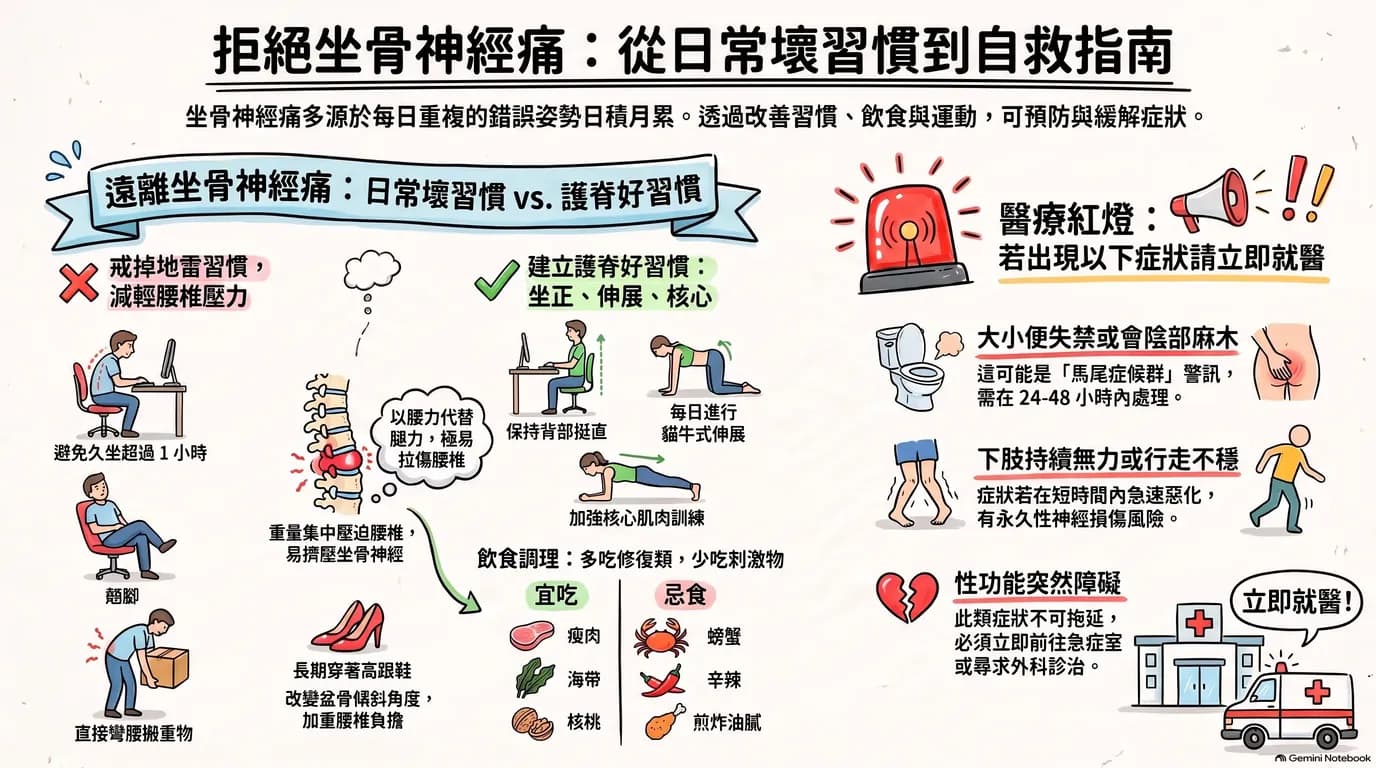
Sciatica Prevention: Bad Habits, Diet and Daily Care Tips
Sciatica isn't only about treatment — your daily habits and diet play a big role too. In this article, Dr Wong explains which everyday habits increase your risk of sciatica, which foods may help ease it, and simple daily habits that reduce the chance of it coming back.
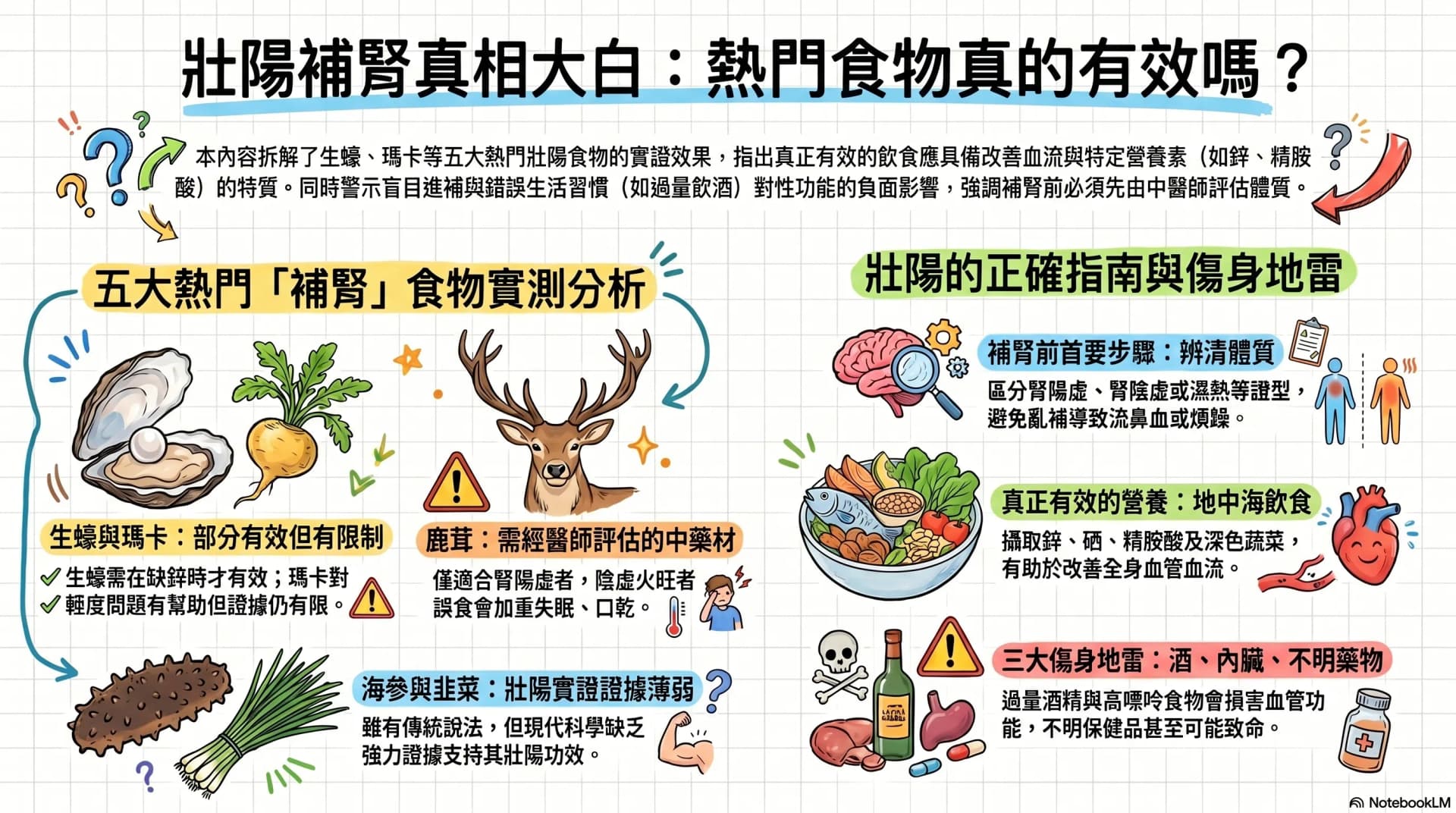
Do Oysters, Maca and Deer Antler Boost Male Vitality? 5 Myths
Do aphrodisiac foods actually work? This article opens with a rating table (effective / partly effective / effective within a TCM framework / weak evidence / no strong evidence), reviews the Chinese and Western medical evidence behind oysters, maca, deer antler, sea cucumber and Chinese chives, distils the 3 shared traits of foods that genuinely support male sexual function, and flags 3 commonly eaten items that can actually harm performance.
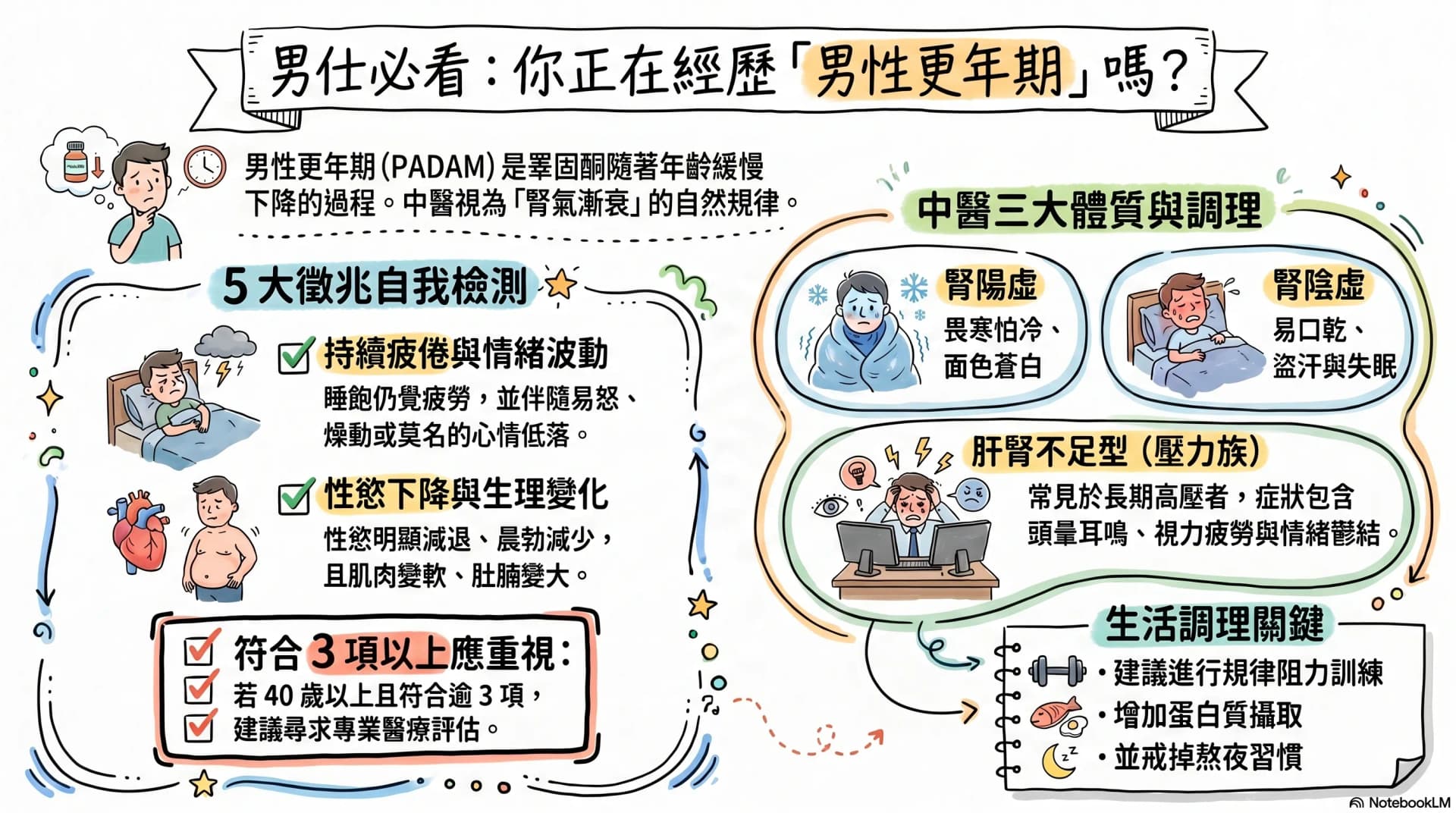
Male Menopause Through the TCM Lens: 5 Signs in Men Over 40
Unexplained fatigue, irritability, lower libido, poorer sleep and a growing belly after 40 are not just ageing or work stress — they may be male menopause. This article begins with a five-sign self-check, sets out three TCM patterns (kidney-yang deficiency, kidney-yin deficiency, liver-and-kidney insufficiency) with matching improvements, and compares the two treatment routes — testosterone replacement therapy versus TCM constitutional care.