Will Cutting Rice Make You Slim? TCM on the Risks of Cutting Carbs
Cutting white rice and starch — low-carb dieting — has been popular for years, but the rapid early weight loss is mostly water; longer-term carb restriction can bring constipation, menstrual changes, thinning hair, low mood and fatigue. From the TCM angle of "the five grains nourish life" and the spleen-stomach as the engine of transformation, starch is not the enemy. This article examines what carb-cutting actually does, four common after-effects, who should not try it, and the choices in food type, portion and timing that matter more than the binary of "cut or not".
Medical review: Dr. To Ching, Jenny,Registered Chinese Medicine Practitioner #009330
1-Minute Quick Answer
Cutting out starch brings fast weight loss in the first two weeks, but it is mostly water released with stored glycogen and returns within 3–5 days of eating normally. Long-term avoidance can bring constipation, irregular periods, thinning hair and fatigue. Which carbs, how much and when matter more (reviewed by Dr To Ching, CMCHK 009330).
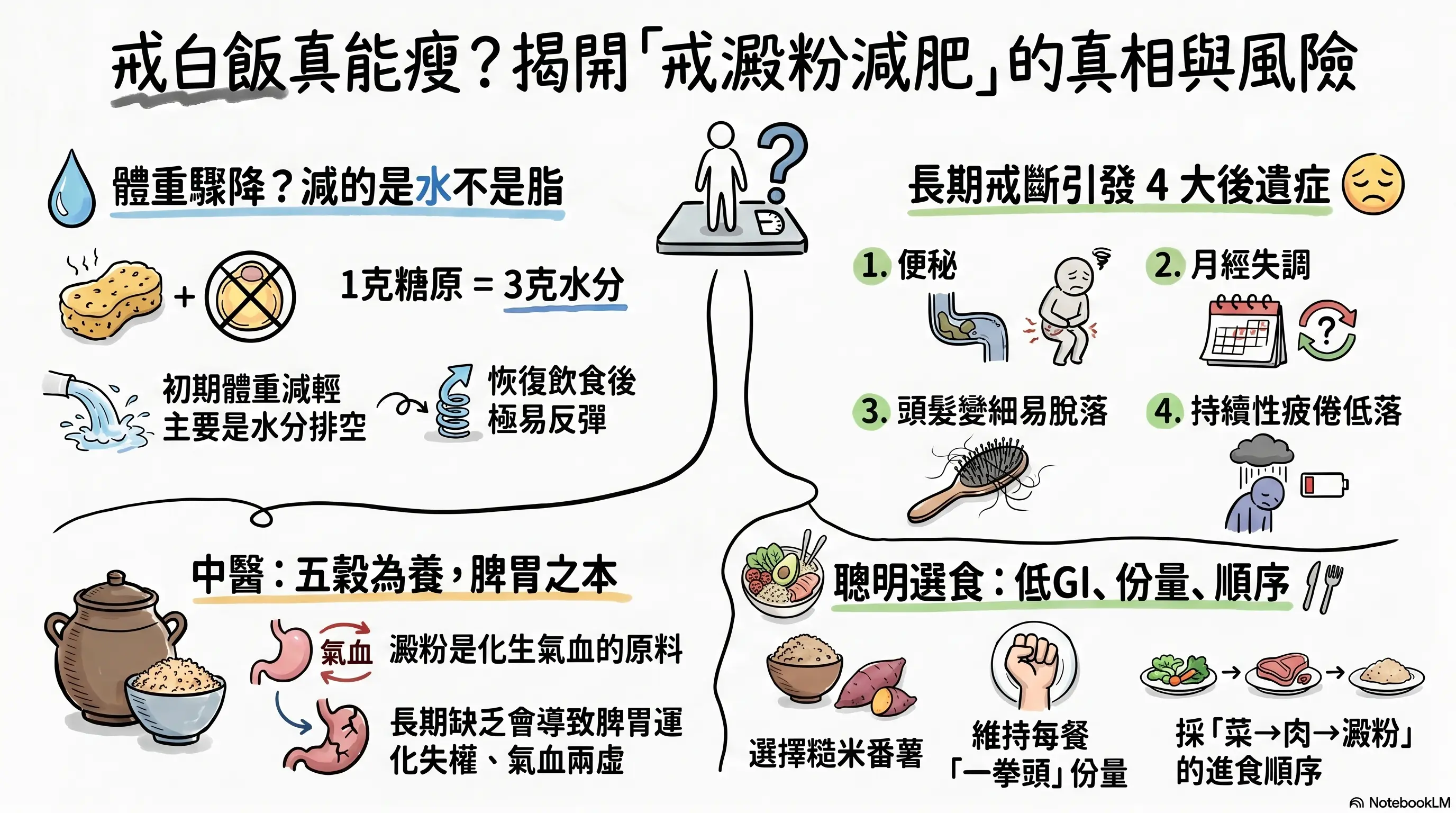 For quick reference, this image was generated by NotebookLM. Some Chinese characters may not render perfectly; we appreciate your understanding.
"Skip rice and you will slim", "Starch is the enemy", "The less carb the better" — years of low-carb, ketogenic and 16:8 fasting trends have given many people a strong fear of rice, bread and noodles. Cutting all rice for months does often bring an early drop on the scale; soon afterwards come constipation, lighter periods, thinning hair, breathlessness on exertion — and a low mood.
So does cutting starch really mean losing fat? Is the early loss fat or water? Over time, what does carb restriction do to the spleen-stomach, qi-blood and hormones? Who should not try it at all? This article looks at both Western nutrition and TCM perspectives on cutting carbs, and offers the choices in food type and portion that matter more than a simple "cut or not".
Note: This article is general adult health education and does not substitute for individualised care of diabetes, pregnancy and breastfeeding, or eating disorders. If any of these apply, follow your prescribing doctor's or registered dietitian's advice. Any change in medication or insulin dose must be discussed first with the prescribing doctor.
Cutting Carbs Drops Several Pounds Fast — But What Are You Actually Losing?
Many dieters see clear weight loss in the first one or two weeks of low-carb or ketogenic eating and assume fat is burning fast. The reality is less flattering.
What drops early is mostly water, not fat. The body stores carbohydrate as glycogen, and each gram of glycogen carries about three grams of water. As you cut carbs and deplete liver and muscle glycogen, the bound water is released — and the scale falls quickly.
In other words, the early "pounds lost" come from four sources:
- Water (the largest part): released as glycogen empties
- Gut contents: less fibre, less stool volume
- Muscle tissue: low calorie + low carb mobilises some amino acids
- Fat (the smallest part): the only thing you actually wanted to lose
The WHO and FAO recommend carbohydrates make up 55–75% of daily energy for healthy adults. Cutting starch entirely overturns that structure, and early drops do not mean long-term success. Restore normal eating and glycogen refills within three to five days; this is the familiar "quick rebound" of low-carb dieting.
Four Common After-Effects of Long-Term Carb Cutting
Once the early honeymoon passes, the body starts to speak.
1. Constipation and disturbed gut flora
Starchy foods — especially whole grains, mixed grains and root vegetables — are a major source of dietary fibre. Cutting starch usually drops daily fibre intake sharply: slower transit, harder stools and fewer movements. Over time the balance of gut bacteria shifts as well.
The Centre for Health Protection has clearly stated that insufficient carbohydrate intake can cause constipation, headache, nausea and fatigue, and that a low-fibre intake further raises the risk of micronutrient deficiencies.
2. Menstrual changes and hormonal disturbance
Long-term very-low-carb eating lowers luteinising hormone (LH) secretion, affecting ovulation and the cycle. Common pictures include marked reduction in flow, longer cycles or — in serious cases — amenorrhoea. Women planning a pregnancy or with a PCOS history should be particularly careful.
3. Thinner, more shedding hair, drier skin
Hair and skin turnover need adequate protein, energy and micronutrients. A sustained calorie deficit plus very-low-carb eating throttles "non-essential" renewal first — hair, nails, skin. That is why a few months of extreme low-carb dieting often brings noticeable thinning at the crown and finer hair shafts.
4. Fatigue, low mood, worse sleep
The brain runs primarily on glucose. The early phase of carb restriction brings the "keto flu" — fatigue, headache, poor focus, irritability, lighter sleep. Some adapt; for others these symptoms persist past 2–3 weeks, which is a clear signal that this pattern does not suit the person.
Who Should Not Try Cutting Carbs Entirely
Carb cutting is not for everyone. The following groups should not start it without professional assessment:
- Pregnant or breastfeeding women: stable energy is needed for the foetus and milk
- Diabetic patients on medication (especially insulin or sulphonylureas): a sudden carb cut without dose adjustment may cause serious hypoglycaemia
- People who exercise and train regularly: carbohydrate is the main fuel for training and recovery
- Older adults: a high-sarcopenia-risk group; very low carb hastens muscle loss and raises fall risk
- People with thyroid dysfunction: low carb further suppresses T3 and metabolism
- People with a history of eating disorders (anorexia, bulimia): the "all or nothing" mindset of cutting starch easily triggers relapse
The Department of Health has stated that the main driver of overweight and obesity is calories in exceeding calories out; if you are considering a low-carb diet, consult a doctor and a registered dietitian first rather than acting on online opinions.
"The Five Grains Nourish Life" — The TCM View on Spleen-Stomach Transformation
In TCM, the five grains (rice, wheat, millet, beans, sorghum) are the foundation of nourishment. The Huangdi Neijing states that "the five grains nourish, the five domestic animals supplement, the five vegetables fill, the five fruits assist" — grains are the base; meat, vegetables and fruit are complements. The point is not that grains are low- or high-calorie; grains are the main raw material for the spleen-stomach to generate qi and blood.
The spleen is the acquired foundation, governing transformation. The TCM "spleen" is the integrated digestive-absorptive system, turning food into qi, blood and fluids. When a dieter cuts starch for long periods, the spleen-stomach lacks the raw material and the following signs commonly emerge:
- Post-meal fatigue, desire to sleep
- Tooth marks on the tongue edge; the coating turns thick-white or thin
- Loose or hard-dry stools; passing motions becomes uncomfortable
- Light periods, pale complexion
- Cold hands and feet
These signs do not appear immediately; they usually surface 1–3 months into sustained low carb. In the TCM view, this is not a simple "failure to adapt" — it is damage to the acquired foundation.
TCM does not say "eat as much rice as possible". The TCM lens is on the right type, the right amount and the right timing — neither "more is better" nor "cut it all".
What Matters More Than "Cut or Not": Type, Timing, Quantity
For most dieters, a more practical reframe than the binary of "cut or not" is to adjust along three axes.
1. Choose the right type: low GI, high fibre, minimally processed
| Better | Less ideal |
|---|---|
| Brown rice, red rice, quinoa, oats | White rice, white bread, white rice noodles |
| Sweet potato, purple yam, taro, pumpkin | Crisps, chips, deep-fried starches |
| Whole-wheat noodles, whole-grain bread | Instant noodles, pastries, sweet bread |
| Kidney beans, lentils, chickpeas | Candy, soda, fruit drinks |
2. Eating order: vegetables → protein → starch
Within the same meal, eating vegetables first, protein next and starch last slows the rise in blood glucose and reduces the post-meal insulin peak. For dieters, this is a simple "do not cut, but slow absorption" tool.
3. Portion: use the fist, palm and thumb
Per meal:
- Starch: a fist (women about ½–⅔ of a fist; men about a full fist)
- Protein: a palm in thickness (lean meat, chicken breast, fish, tofu)
- Vegetables: two palms' worth
- Fat: a thumb
This framework removes the "cut or not" anxiety and makes each meal structurally sensible.
TCM Directions for Carb-Cutting After-Effects
When the long-term carb cutter develops the following pictures, TCM can support in different directions:
- Spleen-stomach qi deficiency (post-meal bloating, fatigue, tongue tooth marks) → tonify spleen qi
- Dual deficiency of qi and blood (pallor, dizziness, light periods, easy hair loss) → tonify qi and nourish blood
- Liver-qi stagnation with spleen deficiency (stress-driven appetite swings, post-meal bloating, tension) → soothe liver, strengthen spleen
- Kidney yang insufficiency (cold hands and feet, nocturia, weak lumbar and knees) → warm and tonify kidney yang
Again, these are treatment principles, not fixed prescriptions; the specific plan must be set by a registered TCM practitioner in person and combined with dietary adjustment.
When to See a Western Doctor First
For problems arising from carb cutting, the following situations need a Western workup before considering TCM:
- No period for more than 3 months
- Marked hair loss, visible scalp at the crown
- Fatigue lasting more than 1 month, interfering with work or social life
- Existing diabetes or insulin resistance on medication
- New fast heart rate, tremor, ongoing weight loss after cutting carbs — possible hyperthyroidism
- Irregular cycles with oily skin and recurrent acne — possible PCOS
Basic Western tests include complete blood count, fasting glucose and insulin, HbA1c, thyroid function and female reproductive hormones; TCM does not replace these.
How Aspira TCM Clinic Evaluates Carb-Cutting Weight Loss
The registered Chinese medicine practitioner will first look at the eating pattern (full cut, evening cut, low-carb, keto, 16:8), how long it has lasted, menstrual changes, bowel function, hair and skin changes, activity levels, the tongue-and-pulse picture, and the current list of Western medications and supplements.
If the picture is stable and suits TCM care, the pattern is identified as spleen-stomach qi deficiency, dual deficiency of qi and blood, liver-qi stagnation with spleen deficiency, kidney yang insufficiency or a mix, and Chinese herbs, acupuncture, ear-point therapy, nutritional adjustments and lifestyle changes are considered. If your period has stopped for over three months, hair loss is marked, fatigue is interfering with work, or you have diabetes or thyroid issues on medication, a Western workup or referral to endocrinology takes priority.
If you have been on a carb-cut for a while and now have constipation, lighter periods, thinning hair or persistent fatigue, bring 2–4 weeks of food logs, menstrual records and a medication list, and book a TCM consultation.
To find out whether TCM care suits your situation, contact Aspira TCM on WhatsApp (9679 2293 / wa.me/85296792293), or read more about Dr To Ching. If any of the warning signs above apply, please see a doctor first.
Disclaimer: This article is general health education only and does not replace individual diagnosis, examination, medication or treatment advice. If you have a relevant condition, ongoing symptoms or are on medication, follow your doctor's instructions for follow-up and monitoring; any medication adjustment must be discussed first with your prescribing doctor.
Disclaimer: This article is for health education and reference purposes only and does not constitute medical advice, diagnosis, or treatment. Each patient's condition is unique and treatment outcomes vary. Please consult a registered TCM practitioner or qualified healthcare professional for health concerns.
Further Reading
Hand-picked related articles and real cases to read next.
Skipping White Rice to Lose Weight: Can Your Digestion Cope?
Many people switch to sweet potato, taro, brown rice or oats to lose weight, only to find themselves bloated and burping within days. For the spleen and stomach, white rice is the gentlest staple, and the other common weight-loss staples fall short of it. This article explains why, and how people with weaker digestion can switch gradually and cook them properly.
Eating Little but Not Losing Weight? TCM on Weak Digestion
Skipping breakfast, eating only salad for lunch, and cutting rice at dinner may still leave weight unchanged — or even make you more tired, swollen, and stuck. This article explains why eating less does not always lead to better fat loss, and how TCM interprets weak digestion, dampness, deficiency, and the weight-loss plateau.
Shaky and Sweating While Dieting? 3 Low Blood Sugar Warning Signs
Sudden shaking, palpitations and sweating during weight loss are not always hypoglycaemia — they can also reflect postural hypotension, caffeine or a stress response. However, when several symptoms appear together, or when there is blurred vision, slurred speech or repeated episodes, you should stop, take sugar and seek help. This article uses a TCM lens on the spleen-stomach generating qi and blood to outline the three levels of hypoglycaemia warning signs commonly seen during dieting, what to do immediately, and when a Western medical workup is needed first.
Want to learn more? WhatsApp us for a free consultation
Book via WhatsAppExplore our full range of treatments: Traditional TCM Services
Related Articles
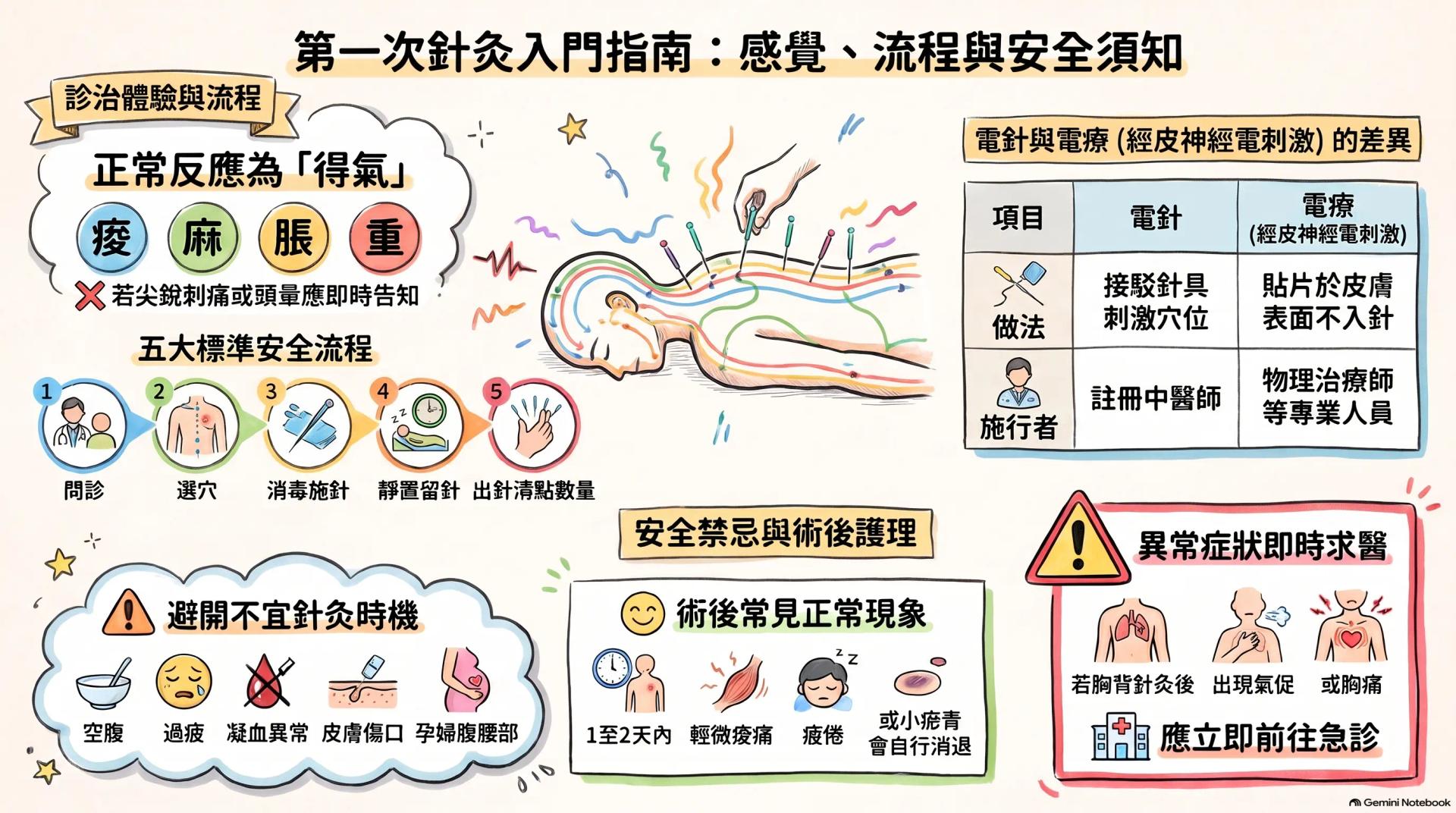
Does Acupuncture Hurt? What to Know Before Your First Visit
Does acupuncture hurt, and is feeling worse afterwards normal? Reviewed by Dr Wong, this guide covers the sensation, a typical session, electroacupuncture, session numbers and who should avoid it.
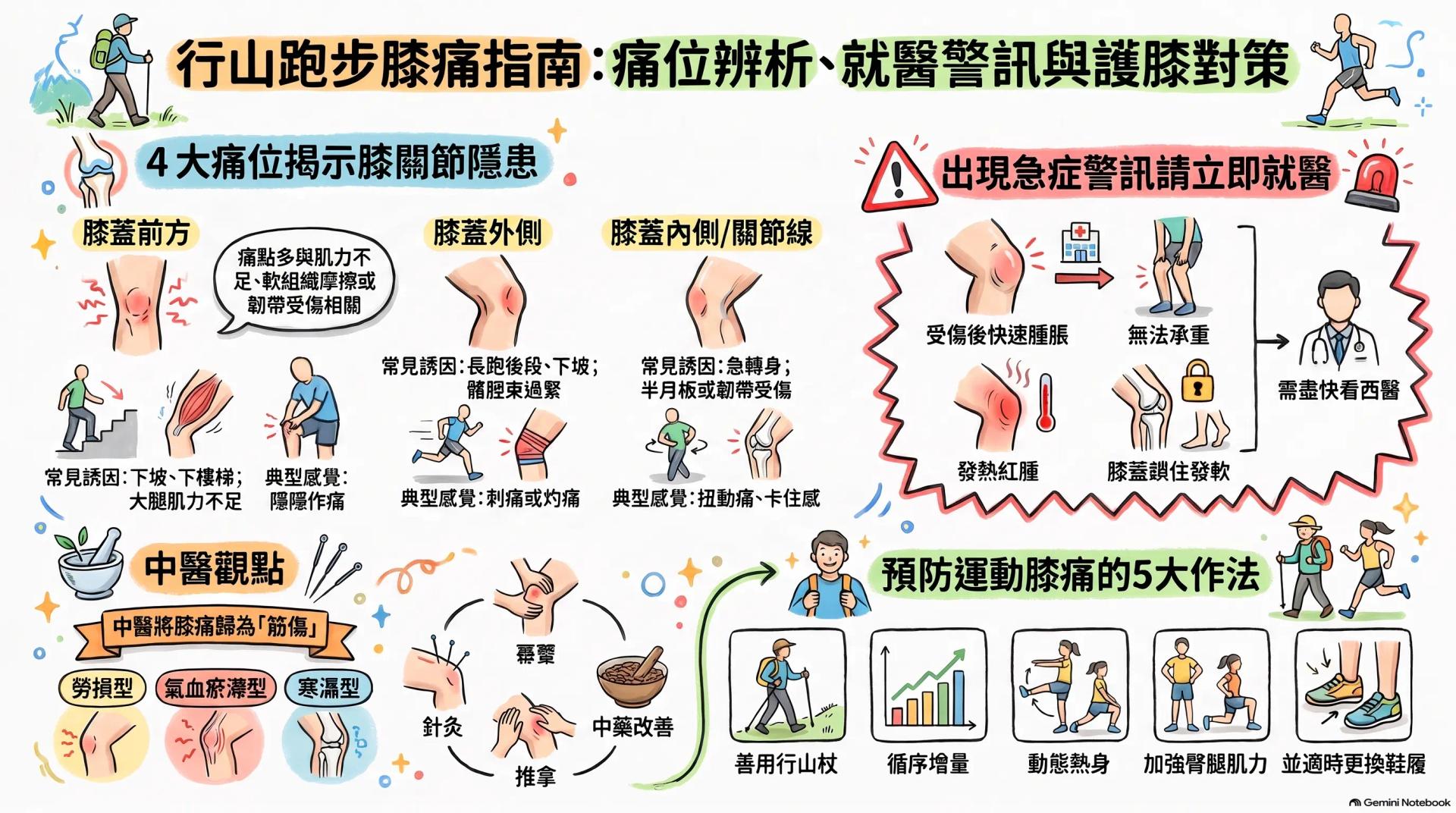
Knee Pain After Hiking or Running: TCM or Western Doctor?
Knee pain after a downhill hike or a long run? Reviewed by Dr Wong, this guide explains four common pain locations, warning signs that need a Western doctor, the TCM approach and prevention tips.
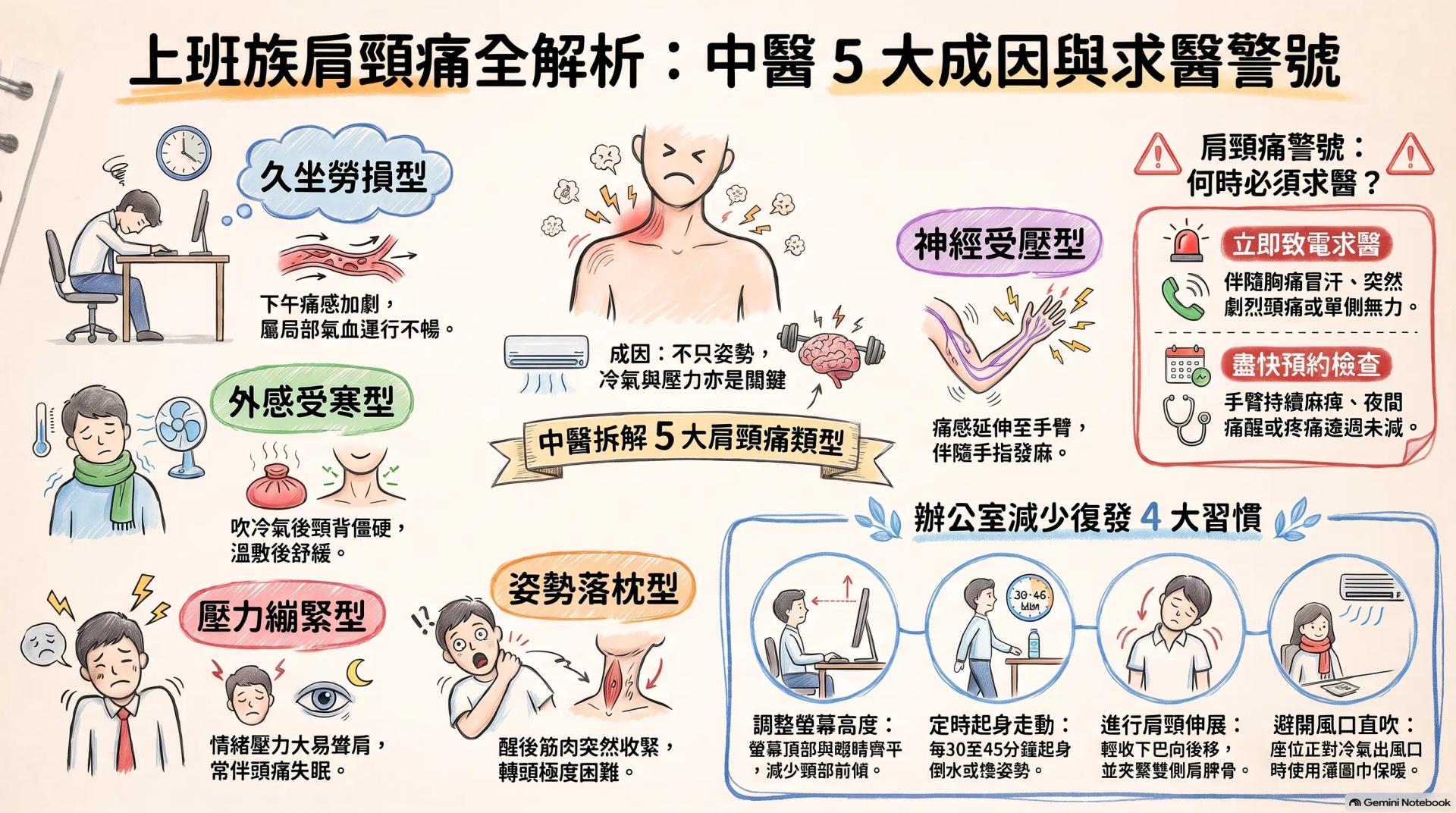
Office Neck and Shoulder Pain: 5 Causes and Warning Signs
Neck and shoulder pain at work is not just about posture. Reviewed by Dr Wong, this guide covers five common causes, the TCM approach, warning signs that need urgent care and simple office habits.