Knee Pain After Hiking or Running: TCM or Western Doctor?
Knee pain after a downhill hike or a long run? Reviewed by Dr Wong, this guide explains four common pain locations, warning signs that need a Western doctor, the TCM approach and prevention tips.
Medical review: Dr. Wong Ka Fai,Registered Chinese Medicine Practitioner #009985
1-Minute Quick Answer
Front-of-knee pain after hiking downhill or outer-knee pain after long runs is often linked to overuse and weak muscles; adjust training and get assessed. Locking or giving way needs prompt medical care; rapid swelling after injury, inability to bear weight, deformity or a hot swollen knee needs urgent care (reviewed by Dr Wong, CMCHK 009985).
Knee Pain After Hiking or Running: TCM or Western Doctor?
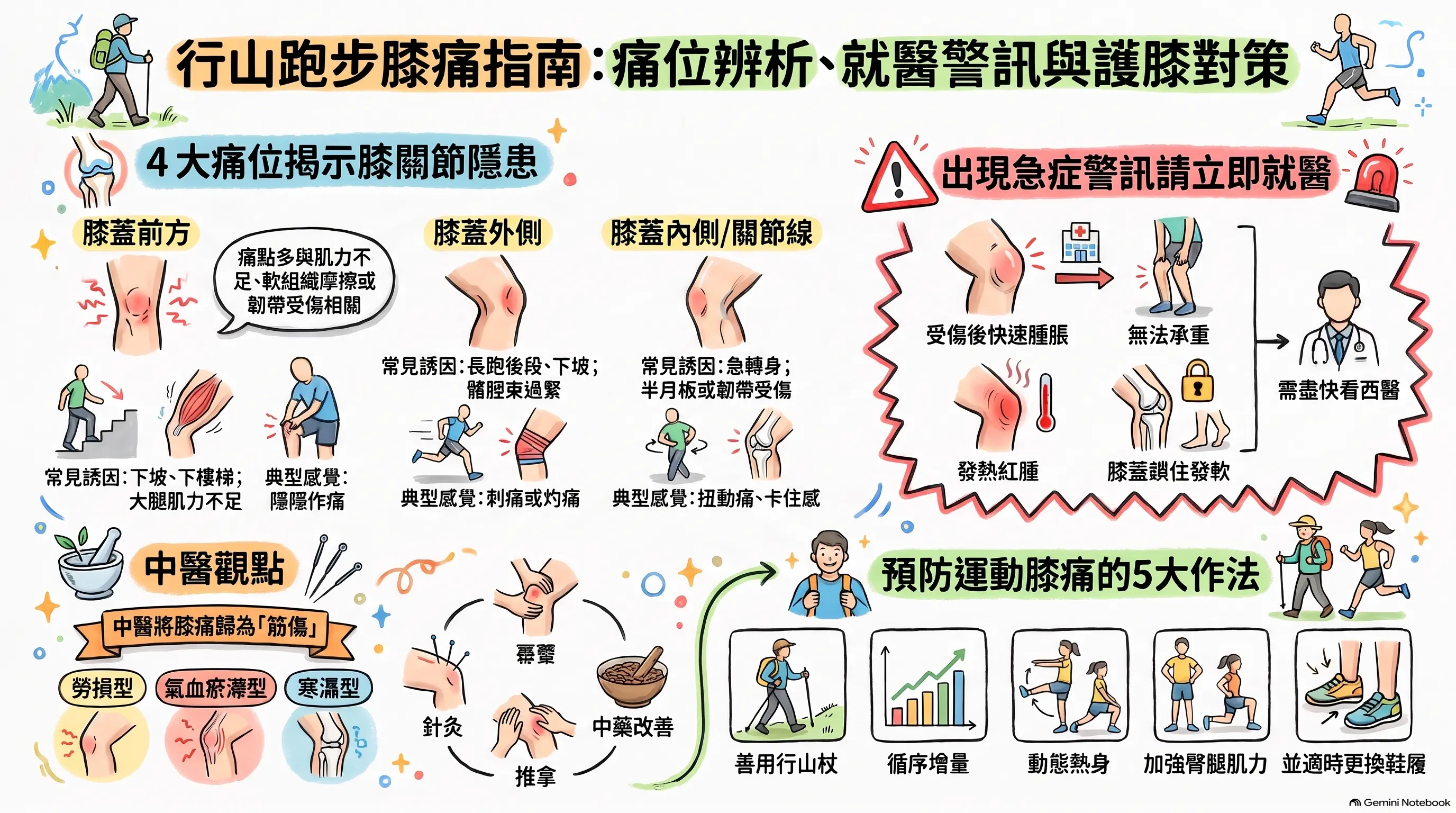 This image was generated with NotebookLM to help summarise the article; some Chinese characters may not display correctly.
Autumn and winter are peak hiking season. Going uphill feels fine, but on the way down, the front of your knee aches with every step; at home, stairs are worse, and you need a hand to get up after sitting for a while. Some runners find the outside of the knee starts to sting late in a long run, then seems fine once they stop.
Should you see a Traditional Chinese Medicine (TCM) practitioner or a Western doctor? Working out where it hurts and whether there are warning signs makes the answer much clearer. This article is for younger and middle-aged hikers and runners; recurring knee pain in older adults has different causes and is not covered here.
1. Where Does It Hurt? Four Common Pain Locations
| Location | Common trigger | More likely cause | Typical feeling |
|---|---|---|---|
| Front of the knee (around the kneecap) | Downhill, stairs down, squatting, standing up after sitting | Excess load between the kneecap and thigh bone (the patellofemoral joint), often linked to weak thigh muscles | Dull ache, worst going downhill |
| Outside of the knee | Late in long runs, long downhill sections | A long band of tissue on the outer thigh (iliotibial band) tightening and rubbing on the outer knee | Sharp or burning pain on the outside, worsening as you run |
| Inside of the knee or joint line | After twisting or turning sharply | Meniscus or inner ligament injury | Pain on twisting, sometimes a catching feeling |
| Below the kneecap | Jumping, stairs, sprinting | Overload of the tendon linking the kneecap to the shin bone (patellar tendon) | Pain at the lower edge of the kneecap, worse on effort |
According to the MSD Manual, runner's knee usually starts with pain when running downhill, and later walking or going down stairs also hurts; weak thigh muscles are a common cause.
2. When to See a Western Doctor First
Seek medical help immediately or go to A&E the same day if you have:
- Rapid swelling within an hour or two of injury: this may indicate bleeding into the joint, a more serious injury
- Inability to bear weight, or obvious deformity of the knee
- A red, hot, swollen knee (with or without fever): joint infection needs to be ruled out
- A swollen, painful, warm calf: deep vein thrombosis needs to be ruled out
See a Western doctor promptly, as imaging may be needed, if you have:
- A knee that locks or catches and needs help to straighten: this may suggest a meniscus tear
- Sudden giving way or instability when twisting or turning: this may suggest a ligament injury or a slipping kneecap
- Inability to fully straighten or bend the knee
3. How TCM Understands Knee Pain After Exercise
TCM places this kind of knee pain under "sinew injury", with three common patterns:
- Overuse: repeated downhill hiking or long runs overload the sinews and obstruct the flow of qi and blood; "where there is blockage, there is pain". It eases with rest and worsens after exercise.
- Qi stagnation and blood stasis: local swelling and pain after a twist or knock, with a fixed tender point.
- Cold-damp: worse in cold weather or before rain, knees feel cold, and warmth brings relief.
4. How TCM Usually Treats It
Once the warning signs above have been ruled out, treatment depends on the location and pattern:
- Acupuncture: to ease pain and muscle tightness around the knee, sometimes with electroacupuncture or moxibustion.
- Tui na and soft tissue techniques: to release tight tissue at the front and outside of the thigh.
- Herbal medicine: tailored to the individual's constitution; for the cold-damp pattern, for example, the focus is on warming the channels.
On the research side, most studies on acupuncture and knee pain focus on knee degeneration, and research on knee pain after hiking or running remains limited. Alongside acupuncture, the practitioner will also recommend strength training and changes to training load.
5. Five Ways for Hikers and Runners to Reduce Knee Pain
- Use trekking poles and shorten your stride downhill. Shifting some weight to your arms reduces the impact on your knees with each step.
- Build distance gradually. Avoid sudden large jumps in weekly running or hiking distance.
- Warm up dynamically before you set off. For example, high knees on the spot, leg swings and a few minutes of easy jogging.
- Strengthen your hips and thighs. For example, wall sits and side-lying leg raises, two to three times a week. If knee pain worsens during an exercise, reduce the range or stop.
- Check your shoes. Replace hiking or running shoes with worn soles or poor grip in good time.
A Note from the Practitioner
When you come for a visit, describe when the knee pain appears: uphill or downhill? At what point in a run? Does it hurt when you stand up after sitting? These details help the practitioner identify the location and cause. If you can, bring the hiking or running shoes you wear most, so the soles can be checked for wear too.
Recurring Knee Pain? Start with an Assessment
If knee pain is affecting your hiking, running or everyday stairs, you are welcome to book an assessment with Dr Wong. Dr Wong holds a master's degree in orthopaedics and traumatology from Guangzhou University of Chinese Medicine, focuses on pain and musculoskeletal injuries, and also treats sports injuries; knee pain is among the conditions he commonly sees. He will first judge whether you need a referral to a Western doctor or a scan, then recommend a suitable approach. For more on pain conditions, visit our pain page.
How to book:
- WhatsApp: Book here
- Phone: 2110 9337
- Address: Unit 2706, Saxon Tower, 7 Cheung Shun Street, Lai Chi Kok
— Dr Wong Ka-fai | Registered Chinese Medicine Practitioner
Frequently Asked Questions about Knee Pain from Hiking and Running
Q1: Should I see a TCM practitioner or a Western doctor for knee pain?
Check for warning signs first. Rapid swelling after an injury, being unable to bear weight, obvious deformity or a hot, swollen knee needs urgent medical care; locking or giving way needs a prompt visit to a Western doctor. Without these, knee pain linked to hiking or running overuse can be managed with TCM, alongside strength training and changes to training load. If you are unsure, a practitioner can assess you first.
Q2: Does acupuncture help knee pain?
Acupuncture is commonly used to ease pain and muscle tightness around the knee. However, most research on acupuncture and knee pain focuses on knee degeneration; studies on knee pain after hiking or running remain limited. Acupuncture works best alongside strength training.
Q3: Does knee pain when hiking downhill mean my knee is degenerating?
Not necessarily. In younger and middle-aged adults, front-of-knee pain after downhill hiking is more often due to excess load between the kneecap and thigh bone, linked to weak thigh muscles and long downhill strides. If the pain persists, or comes with swelling or locking, get it checked.
Q4: Can I keep running with knee pain?
It is generally advisable to pause any running that causes pain and switch to pain-free cross-training, such as swimming or cycling, until you can run without pain, then build back gradually. If walking already hurts, or the knee locks or gives way, get it checked first.
Q5: My knees feel cold and hurt more in cold weather. How does TCM see this?
TCM usually links this to "cold-damp obstruction": cold makes the sinews contract and slows the flow of qi and blood. Treatment may focus on warming the channels, for example acupuncture with moxibustion, along with keeping the knees warm. If the knee is red, hot and swollen, that is a different situation and needs urgent medical care.
References
- MSD Manual Professional Version: Knee Pain
- MSD Manual Consumer Version: Pain in the Front of the Knee
- American Academy of Family Physicians: Knee Pain in Adults and Adolescents: The Initial Evaluation
- Patient.info: Knee Assessment
Every patient's constitution and condition are different; outcomes vary and require individual TCM assessment.
Disclaimer: This article is for health education only and does not replace individual consultation, examination, medication or treatment advice. If you have a related condition, persistent symptoms or are taking medication, please follow your doctor's instructions for follow-up and monitoring, and consult your attending doctor before making any change to your medication.
Disclaimer: This article is for health education and reference purposes only and does not constitute medical advice, diagnosis, or treatment. Each patient's condition is unique and treatment outcomes vary. Please consult a registered TCM practitioner or qualified healthcare professional for health concerns.
Further Reading
Hand-picked related articles and real cases to read next.
Recurrent Knee Pain in Older Adults: Is It Just Degeneration?
Recurrent knee pain in older adults is not always simple degeneration. Osteoarthritis, muscle weakness, cold-damp patterns, qi-blood deficiency, old injuries, and fall risk may all contribute. This article explains common causes, red-flag signs, TCM patterns, and practical ways to reduce recurrence.
Muscle Strain: TCM or Western Doctor? Acupuncture Timing
Pulled a muscle running or playing sport? Learn when to see a Western doctor first, how to manage the first 72 hours and when acupuncture fits in. Reviewed by Dr Wong.
Acupuncture vs Physiotherapy: Which Is Better for Your Pain?
Both acupuncture and physiotherapy can treat pain, but each has its strengths for different conditions. This article offers an honest comparison across treatment principles, suitable conditions, cost, and duration to help you decide.
Want to learn more? WhatsApp us for a free consultation
Book via WhatsAppExplore our full range of treatments: Traditional TCM Services
Related Articles
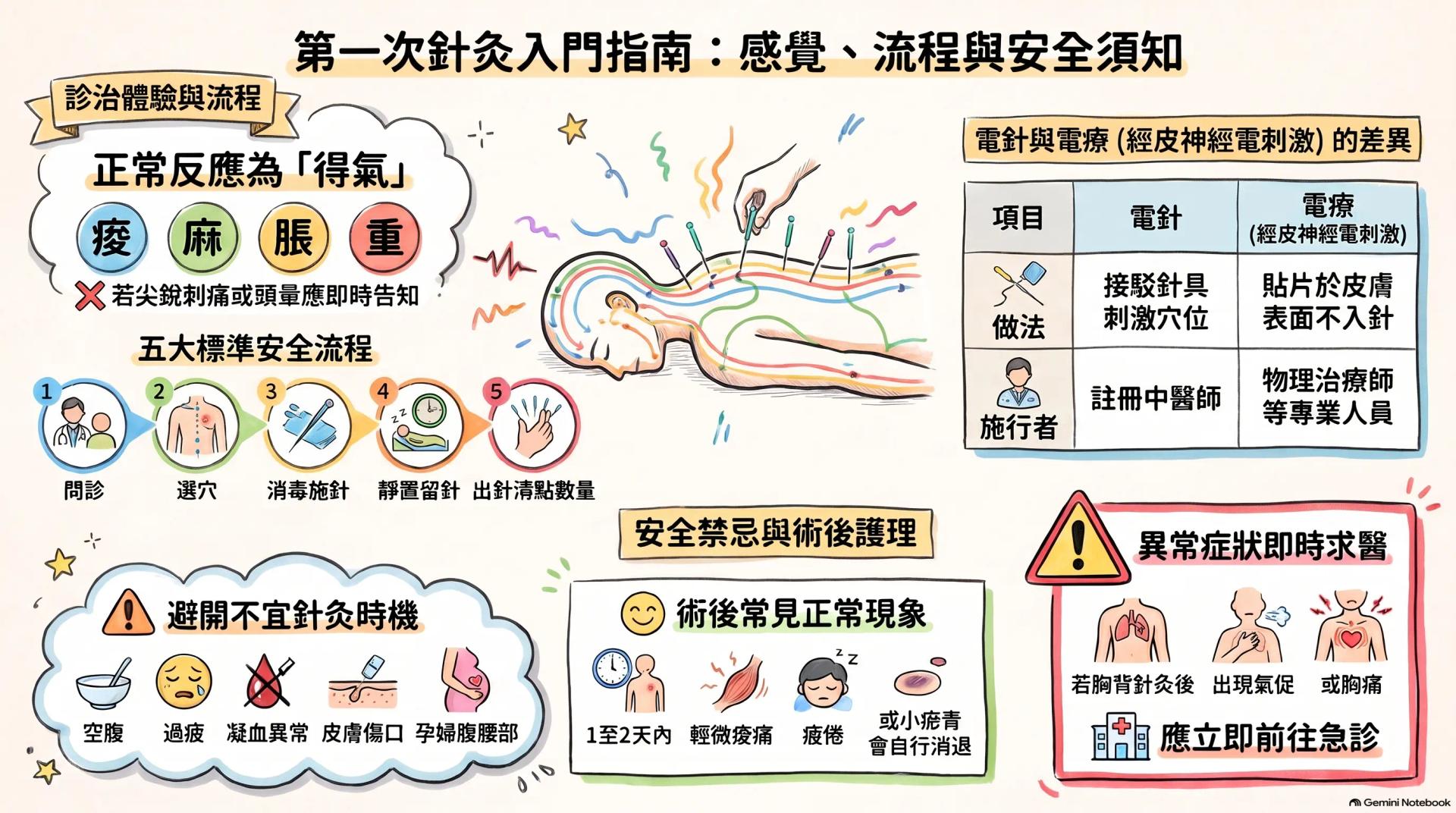
Does Acupuncture Hurt? What to Know Before Your First Visit
Does acupuncture hurt, and is feeling worse afterwards normal? Reviewed by Dr Wong, this guide covers the sensation, a typical session, electroacupuncture, session numbers and who should avoid it.
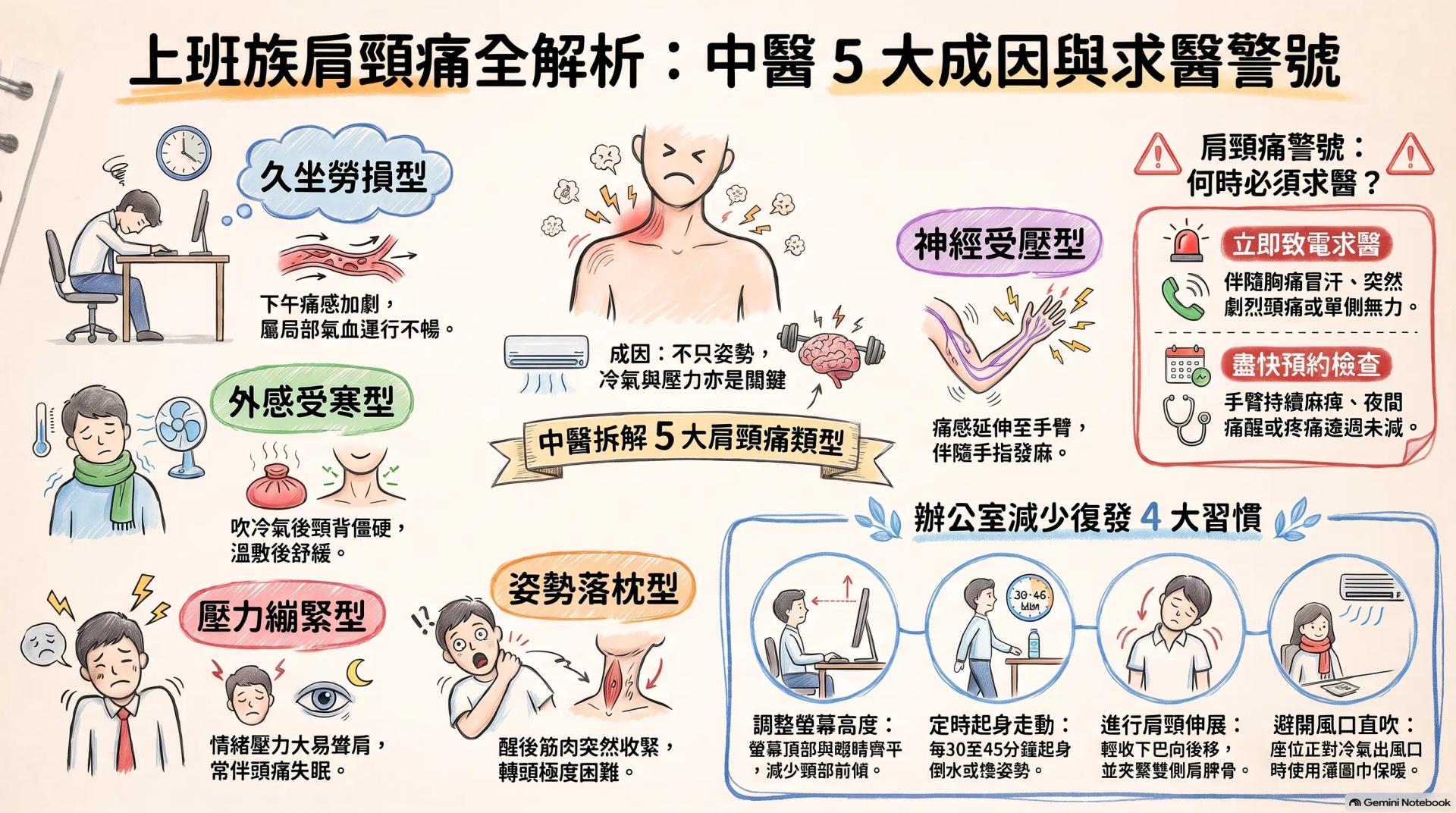
Office Neck and Shoulder Pain: 5 Causes and Warning Signs
Neck and shoulder pain at work is not just about posture. Reviewed by Dr Wong, this guide covers five common causes, the TCM approach, warning signs that need urgent care and simple office habits.
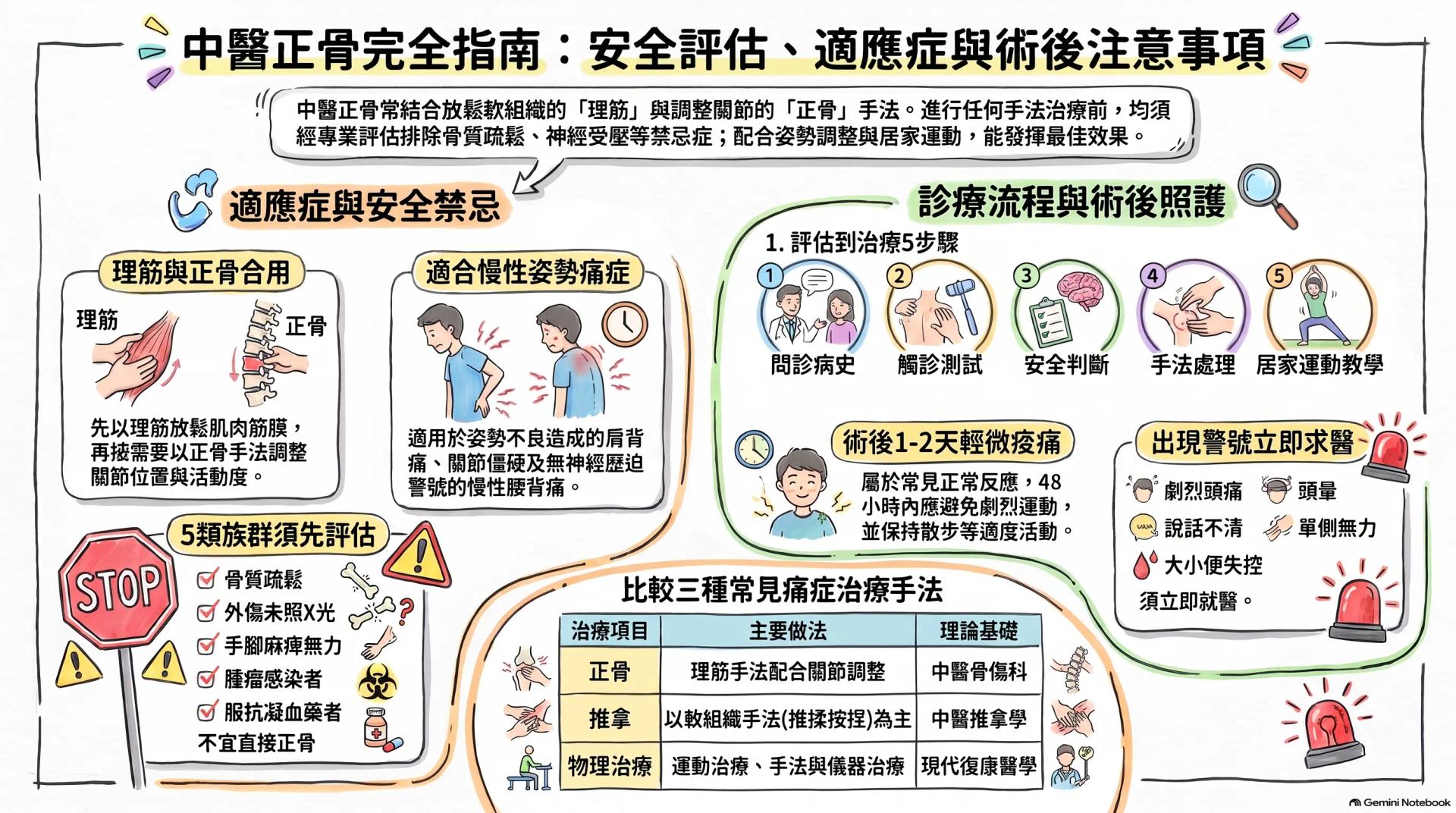
TCM Bone Setting: Does It Work, and Who Should Avoid It?
Does TCM bone setting work, and who should avoid it? Reviewed by Dr Wong, this guide explains the techniques, five groups who need checks first, what an assessment involves and aftercare.