Does Acupuncture Hurt? What to Know Before Your First Visit
Does acupuncture hurt, and is feeling worse afterwards normal? Reviewed by Dr Wong, this guide covers the sensation, a typical session, electroacupuncture, session numbers and who should avoid it.
Medical review: Dr. Wong Ka Fai,Registered Chinese Medicine Practitioner #009985
1-Minute Quick Answer
Most people feel only a slight prick, followed by aching, tingling, fullness or heaviness. Mild soreness for a day or two is common; contact your practitioner if pain clearly worsens, and seek urgent care for breathlessness or chest pain after chest or back needling. Mention pregnancy, clotting problems or a pacemaker first (reviewed by Dr Wong, CMCHK 009985).
Does Acupuncture Hurt? What to Know Before Your First Visit
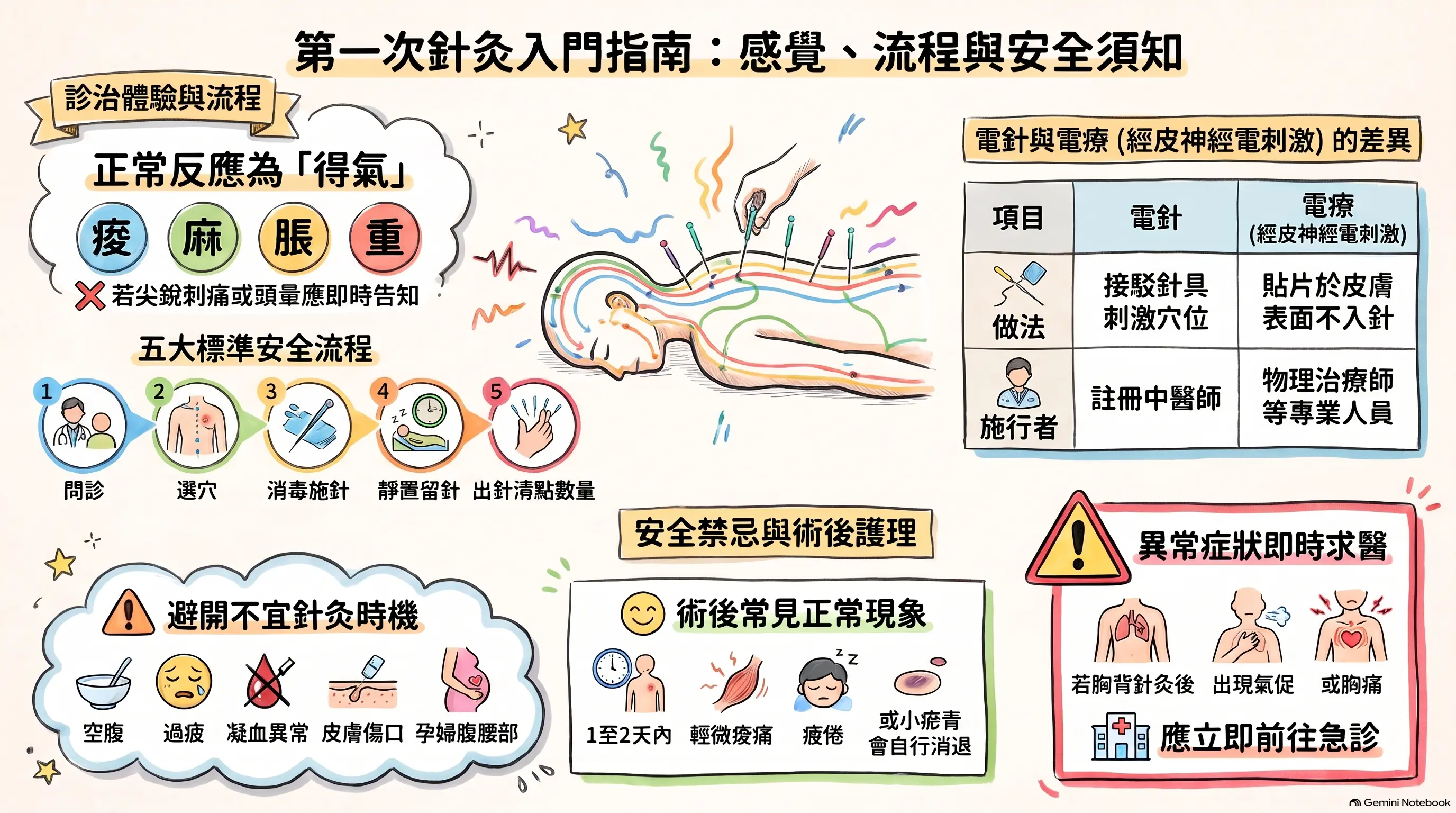 This image was generated with NotebookLM to help summarise the article; some Chinese characters may not display correctly.
When people first consider acupuncture for pain, a few questions usually come up: will the needles hurt? Will I feel worse afterwards? How many sessions will I need?
1. How Acupuncture May Ease Pain
In Traditional Chinese Medicine (TCM) theory, "where there is blockage, there is pain": injury, overuse or cold can obstruct the flow of qi and blood in the channels, causing pain. Acupuncture stimulates points to unblock the channels and restore a smooth flow.
Modern research also offers a nerve-based explanation: needling stimulates nerves in the skin and muscle, which may affect how pain signals are transmitted and prompt the body to release natural pain-relieving substances such as endorphins. These mechanisms are still being studied, and the quality of clinical evidence varies, with results differing between types of pain.
2. What Does It Feel Like?
Acupuncture needles are very fine, much thinner than a standard injection needle. Most people feel only a slight prick as the needle goes in, and some feel almost nothing.
Once the needle reaches a certain depth, you may feel:
- Aching: like a muscle after exertion
- Tingling: a mild numb sensation, sometimes spreading in one direction
- Fullness: a sense of local swelling
- Heaviness: the limb feels heavy
TCM calls these sensations "de qi", and they are a normal response.
Tell the practitioner straight away if you feel:
- Sharp pain or burning
- An electric-shock pain shooting along the limb
- Dizziness, palpitations, a cold sweat or nausea
The last of these may be fainting during acupuncture, which is more common in people who are hungry, tired or anxious. The practitioner will remove the needles at once and have you lie down to rest.
3. What Happens in a Session
- Consultation and examination: where and when it hurts, what triggers it, your medical history and current medication.
- Point selection: usually a combination of points near the painful area and distal points.
- Disinfection and needling: most clinics now use single-use stainless steel needles, and the skin is disinfected first.
- Needle retention: the needles stay in place for a period; stay relaxed and avoid moving.
- Removal and counting: after removal, the practitioner counts the needles, which is a standard safety step.
4. Electroacupuncture vs Electrotherapy
| Electroacupuncture | Transcutaneous electrical nerve stimulation (often called "electrotherapy") | |
|---|---|---|
| Method | A device passes a gentle current through acupuncture needles | Electrodes placed on the skin, no needles |
| Performed by | Generally a registered Chinese medicine practitioner | Physiotherapists and other professionals |
| Common use | Pain and muscle tightness, alongside acupuncture | Pain relief |
The current starts low and is adjusted until you feel a light pulsing or tingling. If you feel uncomfortable, ask the practitioner to turn it down. People with a pacemaker or other implanted electronic device should not have electroacupuncture and should tell the practitioner first.
5. How the Number of Sessions Is Decided
There is no fixed answer to how many sessions pain needs. It mainly depends on:
- Acute or long-standing pain: recent pain usually improves faster; pain lasting months or years takes longer.
- Location and cause: muscle tightness, restricted joints and nerve-related pain are each handled differently.
- Your response: people respond differently, so the practitioner assesses progress after the first few sessions before deciding the next step.
For acute pain, sessions may be scheduled closer together at first; for long-standing pain, the interval is usually extended according to your response, alongside exercise and posture changes.
6. Who Should Not Have Acupuncture?
According to the Chinese Medicine Regulatory Office of the Department of Health:
- When hungry, very tired, after heavy sweating or when extremely anxious, acupuncture is not advisable straight away
- People with clotting problems or severe diabetes should tell their practitioner first
- Skin with wounds, ulcers, scars or lumps is generally not needled at that site
- The abdomen and lower back of pregnant women are generally not needled
If you are or may be pregnant, take blood thinners or have a pacemaker, you should also tell your practitioner. Some points are also avoided during pregnancy.
Acupuncture is an invasive treatment, and improper technique can cause fainting, stuck needles, bleeding, infection or, rarely, injury to internal organs. Choose a qualified, registered Chinese medicine practitioner, and check that single-use needles and proper disinfection are used.
Aftercare
- Mild soreness or tiredness for one to two days is a common reaction and usually settles on its own
- Small bruises near needle sites usually fade within a few days
- Avoid strenuous exercise on the day, keep warm and keep the needle sites clean
Contact your practitioner if you have:
- Pain that clearly worsens (contact them straight away)
- Pain that has not eased after two to three days
- A needle site that is red, hot and swollen, or has discharge
Seek medical help promptly if you have:
- A red, hot, swollen needle site with fever
Seek medical help immediately or call 999 if you have:
- Breathlessness or chest pain after acupuncture on the chest or back
A Note from the Practitioner
Before your first session, have something to eat rather than coming on an empty stomach, and wear loose clothing that makes the painful area easy to reach. If you are nervous about needles, let the practitioner know; they can start with fewer needles so you can get used to it gradually.
First Time Trying Acupuncture? Start with an Assessment
If pain is troubling you and you want to know whether acupuncture suits you, you are welcome to book an assessment with Dr Wong. Dr Wong holds a master's degree in orthopaedics and traumatology from Guangzhou University of Chinese Medicine, focuses on pain and musculoskeletal injuries, and combines acupuncture, cupping and herbal medicine as appropriate. He will first judge whether you need a referral for checks, then recommend a suitable approach. For more on pain conditions, visit our pain page.
How to book:
- WhatsApp: Book here
- Phone: 2110 9337
- Address: Unit 2706, Saxon Tower, 7 Cheung Shun Street, Lai Chi Kok
— Dr Wong Ka-fai | Registered Chinese Medicine Practitioner
Frequently Asked Questions about Acupuncture for Pain
Q1: Does acupuncture hurt?
Acupuncture needles are very fine, so most people feel only a slight prick as the needle goes in, and some feel almost nothing. You may then feel aching, tingling, fullness or heaviness, which TCM calls "de qi". If you feel sharp pain, burning or an electric-shock sensation, tell the practitioner straight away so they can adjust.
Q2: Is it normal to feel more pain after acupuncture?
Mild soreness or tiredness for one to two days after acupuncture is a common reaction and usually settles on its own; small bruises near needle sites can also occur. If the pain clearly worsens, contact your practitioner straight away; also contact them if it has not eased after two to three days, or a needle site becomes red, hot and swollen.
Q3: How many acupuncture sessions does pain need?
There is no fixed number. It depends on whether the pain is acute or long-standing, where it is and how your body responds. Practitioners generally assess your response after the first few sessions before deciding whether to continue, how often, and whether other treatment is needed.
Q4: How many times a week can I have acupuncture?
Your practitioner sets the interval according to the type of pain and your response; do not add sessions on your own. If your work schedule makes this difficult, discuss a more practical arrangement with them.
Q5: What is the difference between electroacupuncture and electrotherapy?
Electroacupuncture connects acupuncture needles to a device that passes a gentle current through the points, and is generally performed by a Chinese medicine practitioner; it is not suitable for people with a pacemaker or other implanted electronic device. What people often call "electrotherapy" usually means transcutaneous electrical nerve stimulation (TENS), used in physiotherapy, with electrodes placed on the skin and no needles. The two work differently.
Q6: Who should not have acupuncture?
Acupuncture is not advisable straight away if you are hungry, very tired, have just sweated heavily or are extremely anxious. Tell your practitioner first if you have a clotting problem, severe diabetes, a pacemaker, or a wound, ulcer, scar or lump on the skin where needles would go. Also tell them if you are or may be pregnant; the abdomen and lower back of pregnant women are generally not needled, and some points are also avoided.
References
- Chinese Medicine Regulatory Office, Department of Health: Safe Application of Acupuncture (in Chinese)
- Chinese Medicine Regulatory Office, Department of Health: Chinese medicine treatments display boards, 2025 (in Chinese)
Every patient's constitution and condition are different; outcomes vary and require individual TCM assessment.
Disclaimer: This article is for health education only and does not replace individual consultation, examination, medication or treatment advice. If you have a related condition, persistent symptoms or are taking medication, please follow your doctor's instructions for follow-up and monitoring, and consult your attending doctor before making any change to your medication.
Disclaimer: This article is for health education and reference purposes only and does not constitute medical advice, diagnosis, or treatment. Each patient's condition is unique and treatment outcomes vary. Please consult a registered TCM practitioner or qualified healthcare professional for health concerns.
Further Reading
Hand-picked related articles and real cases to read next.
Acupuncture vs Physiotherapy: Which Is Better for Your Pain?
Both acupuncture and physiotherapy can treat pain, but each has its strengths for different conditions. This article offers an honest comparison across treatment principles, suitable conditions, cost, and duration to help you decide.
Herbal Medicine or Acupuncture? A TCM Doctor's Guide to Choosing the Right Treatment
"Doctor, should I take herbal medicine or have acupuncture?" This is one of the most common questions in the consultation room. This article compares herbal medicine and acupuncture from a TCM perspective, analysing their principles, suitable conditions, and pros and cons across six common health issues.
Muscle Strain: TCM or Western Doctor? Acupuncture Timing
Pulled a muscle running or playing sport? Learn when to see a Western doctor first, how to manage the first 72 hours and when acupuncture fits in. Reviewed by Dr Wong.
Want to learn more? WhatsApp us for a free consultation
Book via WhatsAppExplore our full range of treatments: Traditional TCM Services
Related Articles
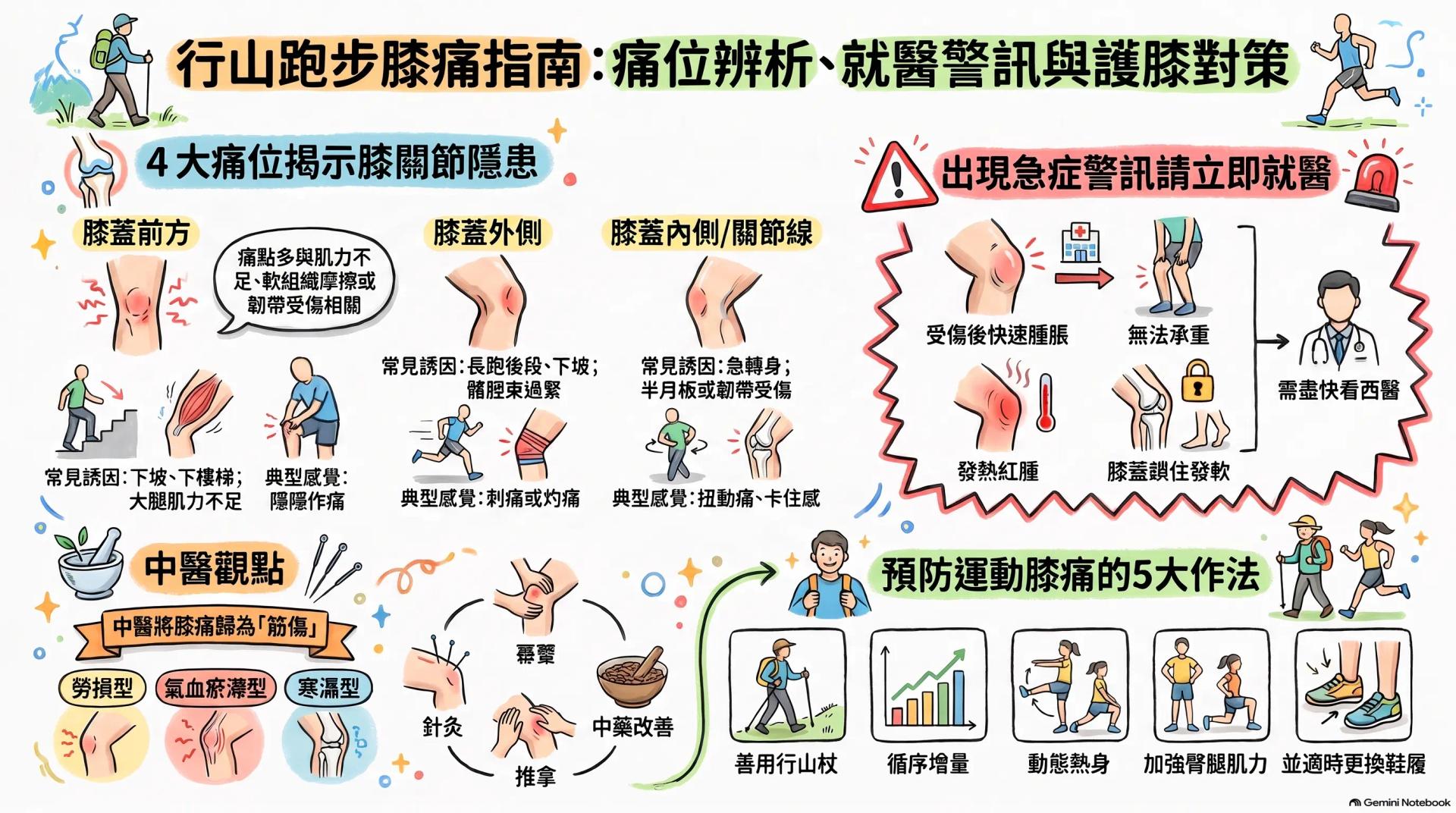
Knee Pain After Hiking or Running: TCM or Western Doctor?
Knee pain after a downhill hike or a long run? Reviewed by Dr Wong, this guide explains four common pain locations, warning signs that need a Western doctor, the TCM approach and prevention tips.
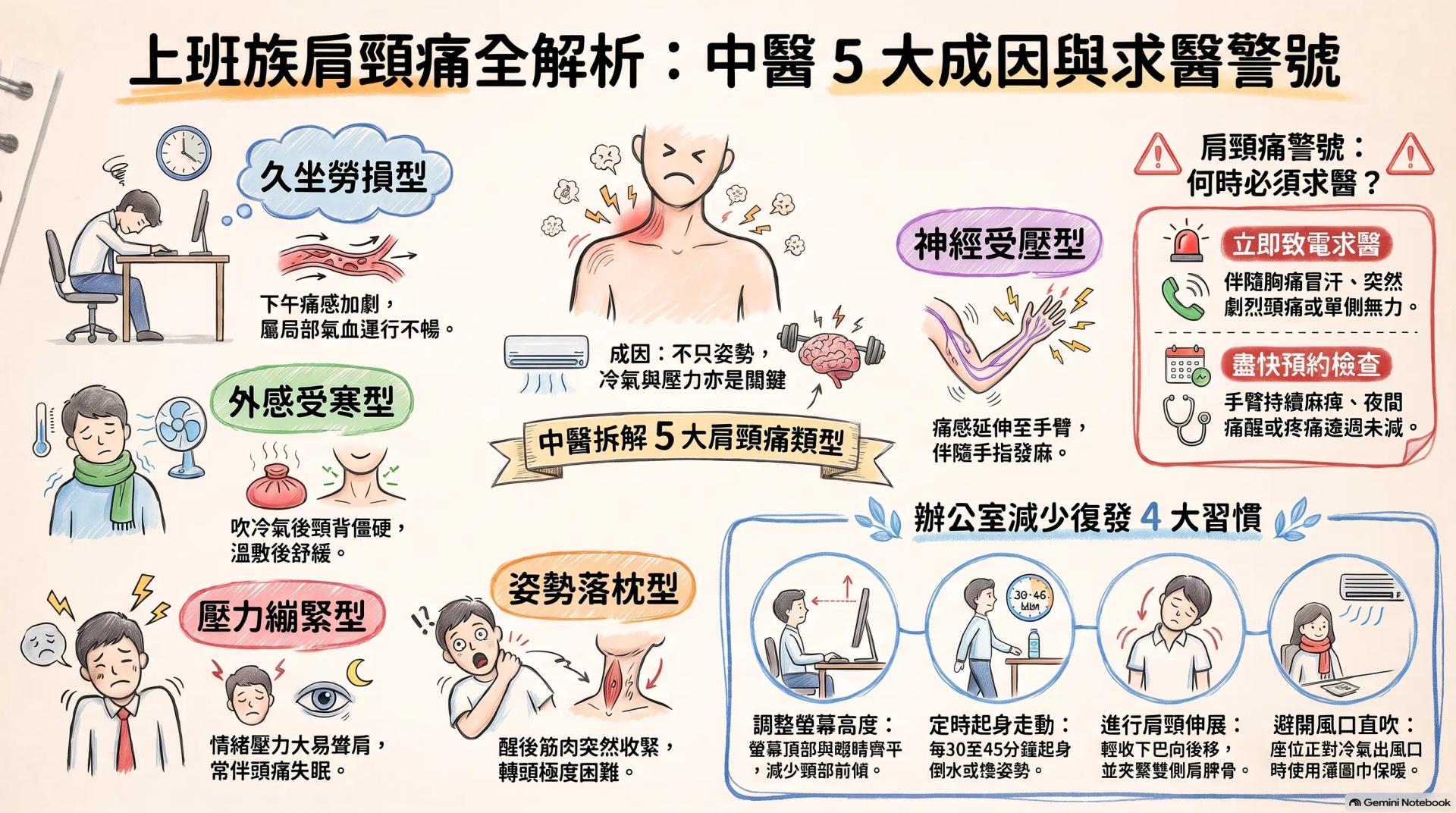
Office Neck and Shoulder Pain: 5 Causes and Warning Signs
Neck and shoulder pain at work is not just about posture. Reviewed by Dr Wong, this guide covers five common causes, the TCM approach, warning signs that need urgent care and simple office habits.
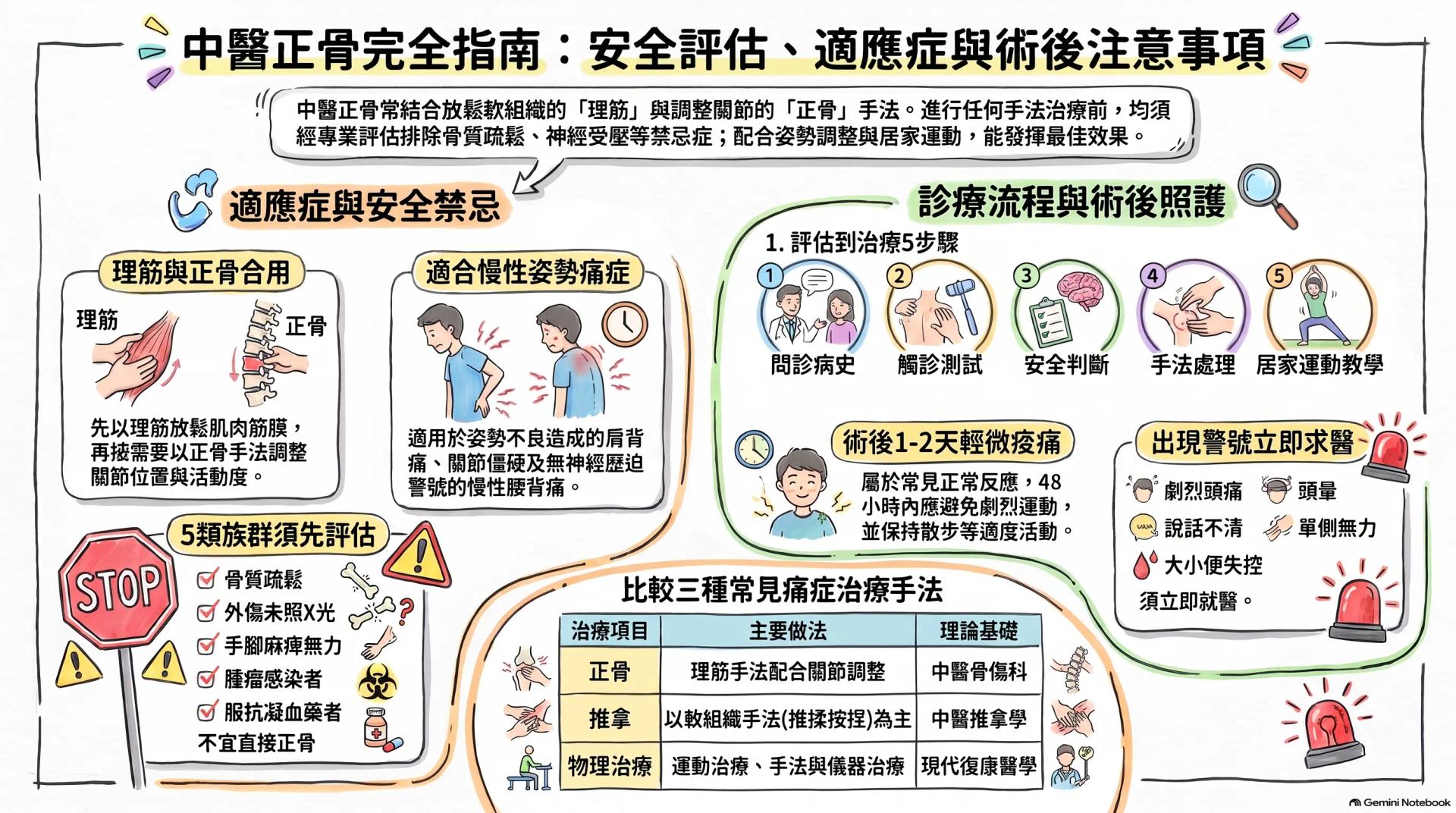
TCM Bone Setting: Does It Work, and Who Should Avoid It?
Does TCM bone setting work, and who should avoid it? Reviewed by Dr Wong, this guide explains the techniques, five groups who need checks first, what an assessment involves and aftercare.