Can “Removing Dampness” Really Help with Weight Loss? 3 Common Myths About Dampness, Swelling and Fat
Herbal “dampness-clearing” drinks are popular, but why do some people feel no lighter after weeks of drinking them? This article explains three common myths and how to tell apart oedema, phlegm-damp obesity and simple fat accumulation.
Medical review: Dr. To Ching, Jenny,Registered Chinese Medicine Practitioner #009330
1-Minute Quick Answer
Clearing dampness is not the same as losing fat. It mainly affects fluid handling, so a quick drop on the scale is usually water, not fat. Oedema, phlegm-damp and pure fat accumulation each need a different approach. People who feel cold easily, have qi-blood deficiency or take diuretics should not self-prescribe long-term dampness-clearing teas. Reviewed by Dr To Ching (CMCHK 009330).
Can “Removing Dampness” Really Help with Weight Loss? 3 Common Myths About Dampness, Swelling and Fat
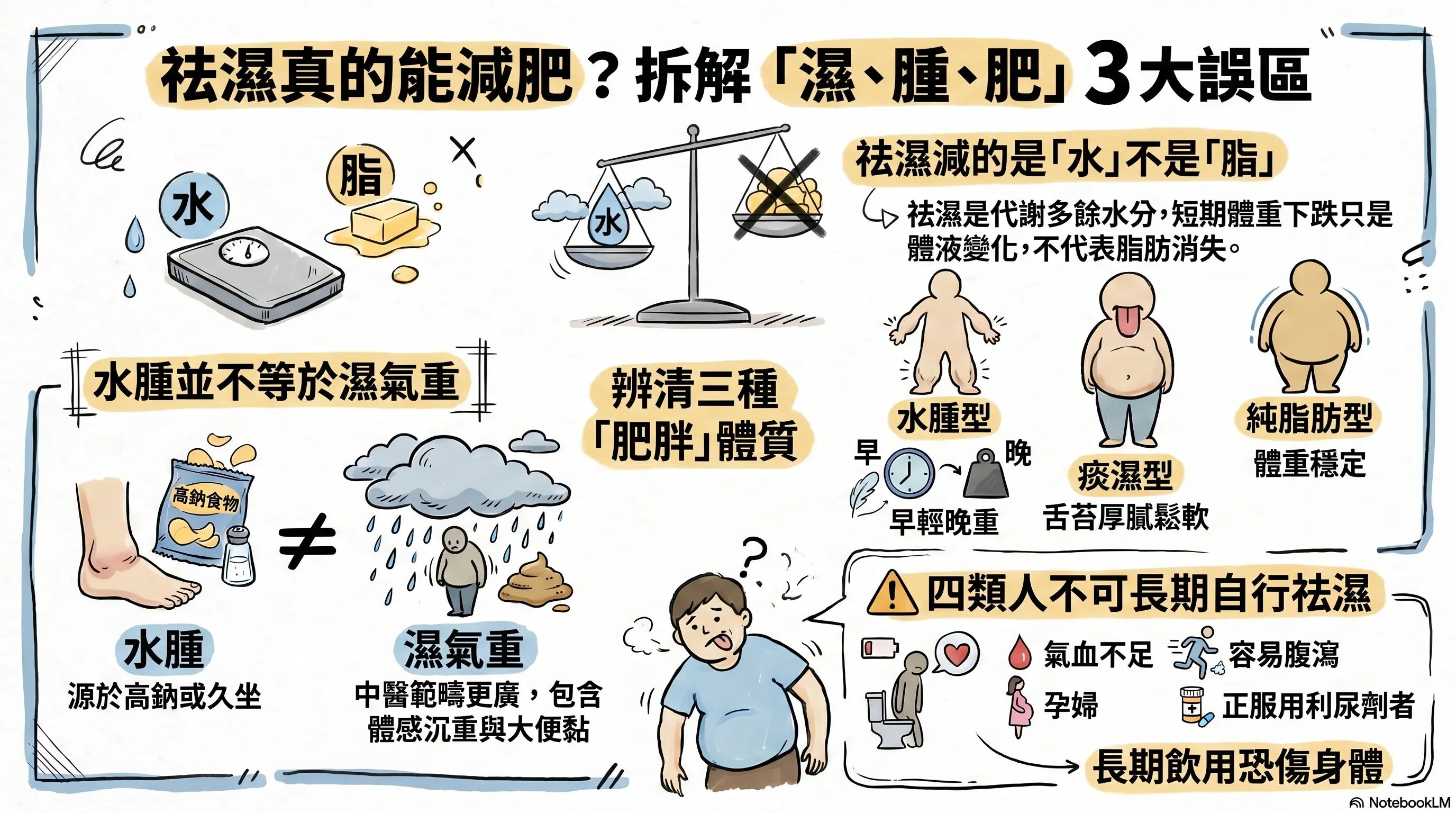 For quick reference, this image was generated by NotebookLM. Some Chinese characters may not render perfectly.
Medical review: Dr To Ching (CMCHK 009330 | Gynaecology, TCM aesthetics, thread-embedding weight loss, postpartum belly binding)
“Dampness-clearing” drinks are very popular in Hong Kong, but many people find that after weeks of drinking them, the scale has barely moved. That is because swelling, dampness and fat are not the same thing.
This article explains three of the most common misunderstandings and shows how oedema, phlegm-damp obesity and simple fat accumulation differ in both presentation and treatment direction.
Important: Sudden one-sided leg swelling, chest tightness, shortness of breath, blood in the urine, or rapid unexplained weight gain need prompt Western medical assessment first.
Myth 1: Swelling means “dampness”
Swelling can come from many causes: too much sodium, prolonged sitting or standing, hormonal shifts, medication side effects, protein deficiency, or underlying heart, liver or kidney disease. TCM “dampness” is a broader concept that includes fluid retention, bodily heaviness, sticky stools and greasy tongue coating.
So not every swollen ankle is a “dampness” problem, and not every “dampness” pattern shows up as visible swelling.
Myth 2: Removing dampness equals losing fat
TCM dampness-clearing mainly affects fluid handling. A quick drop on the scale after a few days may reflect less retained water, not reduced fat mass. If the underlying eating pattern and daily rhythm stay unchanged, the weight usually comes back.
For some people with a weaker constitution, overdoing dampness-clearing foods or teas may actually worsen fatigue, dry out the bowels, or reduce menstrual flow.
Myth 3: If you are truly heavy, the problem must just be fat
Three broad patterns are commonly seen:
| Type | Main feature | Typical signs | Main direction |
|---|---|---|---|
| Oedema type | Bigger day-to-day fluid shift | Lighter in morning, heavier by evening, pitting swelling | Move qi and fluids, reduce sodium |
| Phlegm-damp type | Heaviness plus soft accumulation | Sticky stools, thick tongue coat, heavy body | Strengthen spleen, transform phlegm and damp |
| Pure fat type | More stable weight pattern | Higher body fat and waistline, less fluid fluctuation | Calorie structure, protein, resistance training |
Without separating these patterns, it is easy to choose the wrong approach.
Who should not self-prescribe long-term dampness-clearing
- People who feel cold easily and tend to get diarrhoea
- Those with qi-blood deficiency or low menstrual flow
- Anyone on diuretics or chronic medications
- Pregnant or breastfeeding women
- Frail older adults and children
How Aspira TCM Clinic assesses this
Dr To reviews where swelling appears, the time pattern, salt intake, bowel habits, sleep, menstruation, weight and waist trend, tongue and pulse, and any medicines or supplements in use. If internal medical causes are suspected, Western assessment is advised first.
FAQ
Do red bean water and coix seed water count as dampness-clearing?
They can help some people with mild fluid retention, but they are not suitable for everyone and should not be treated as a universal weight-loss tool.
Can men have phlegm-damp patterns too?
Yes. It is very common in men with central obesity, frequent business meals, sweet drinks and late-night eating.
Can children use dampness-clearing teas on their own?
No. Children should not simply follow adult “dampness-clearing” routines. If symptoms persist, professional assessment is better.
What if constipation develops after drinking dampness-clearing tea?
This may suggest that too much fluid has been drained and the bowel has become too dry. Stop self-treatment and get reassessed.
Disclaimer: This article is for health education and reference purposes only and does not constitute medical advice, diagnosis, or treatment. Each patient's condition is unique and treatment outcomes vary. Please consult a registered TCM practitioner or qualified healthcare professional for health concerns.
Further Reading
Hand-picked related articles and real cases to read next.
Eating Light but Not Losing Weight? A TCM Edema-Type Case Study
Eating light yet the scale will not budge — only the puffiness in the face, ankles and waistline persists? This case study follows Ya-lin (pseudonym), a 38-year-old office worker, through six months and explains how "eating clean but still not losing weight" often comes from a stack of small issues: salt, low protein, constipation, premenstrual fluid retention, phlegm-damp constitution, or internal disease. It also lists scenarios that warrant seeing a Western doctor first.
Bigger Belly, Same Weight? TCM on Bloating, Constipation, and Fat
Stable weight but a more prominent belly does not always mean fat. Water retention, constipation, gastrointestinal bloating, posture, reduced muscle mass, and central obesity can all make the abdomen appear larger. This article uses TCM perspectives on digestion, phlegm-damp, qi stagnation, and constipation to help you distinguish situations and decide next steps.
Can I See a TCM Practitioner While on a GLP-1 Injection?
GLP-1 weight-loss injections are now a major talking point in Hong Kong. This article compares the roles of prescribed GLP-1 medication and TCM care across three phases — before treatment, during treatment and after stopping — covering medical monitoring, side-effect relief and post-discontinuation rebound, and identifying scenarios that should not be managed by TCM alone.
Want to learn more? WhatsApp us for a free consultation
Book via WhatsAppExplore our full range of treatments: Traditional TCM Services
Related Articles
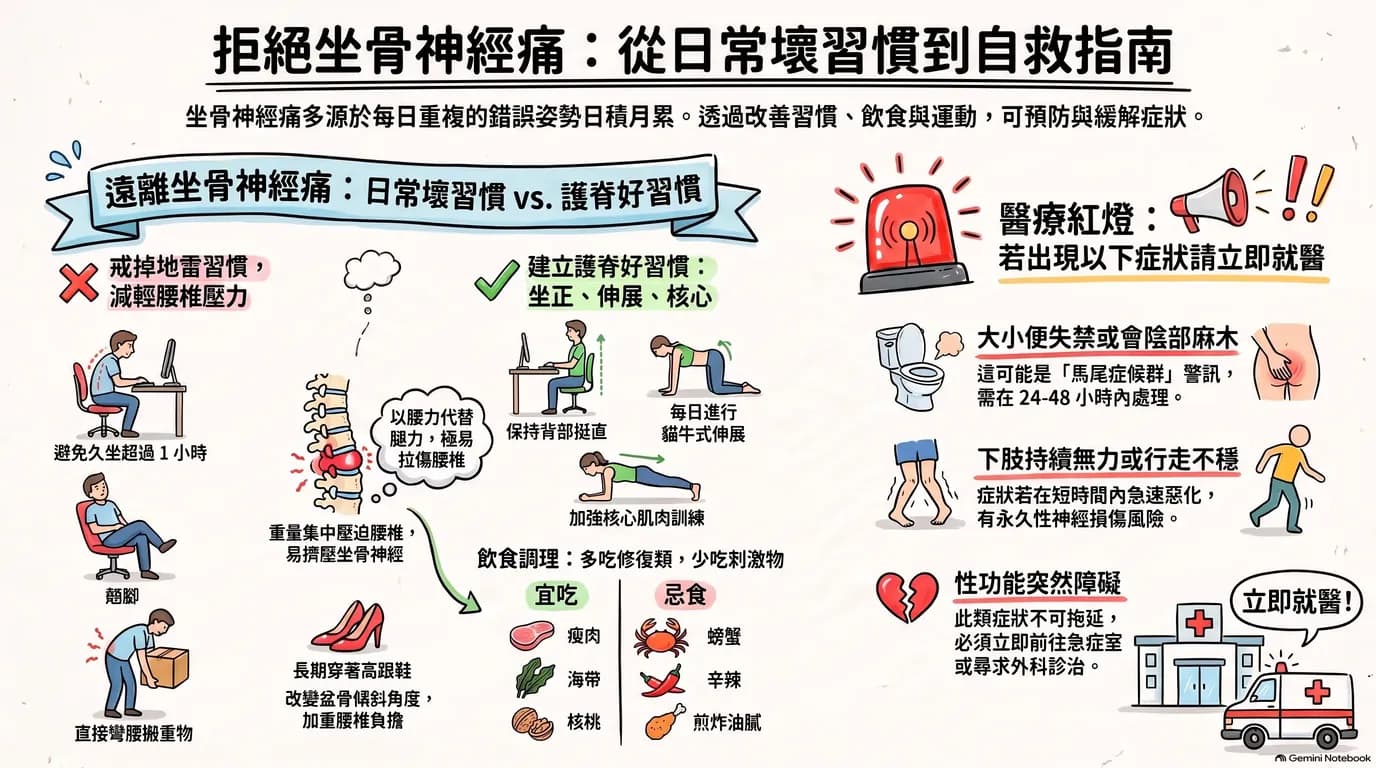
Sciatica Prevention: Bad Habits, Diet and Daily Care Tips
Sciatica isn't only about treatment — your daily habits and diet play a big role too. In this article, Dr Wong explains which everyday habits increase your risk of sciatica, which foods may help ease it, and simple daily habits that reduce the chance of it coming back.
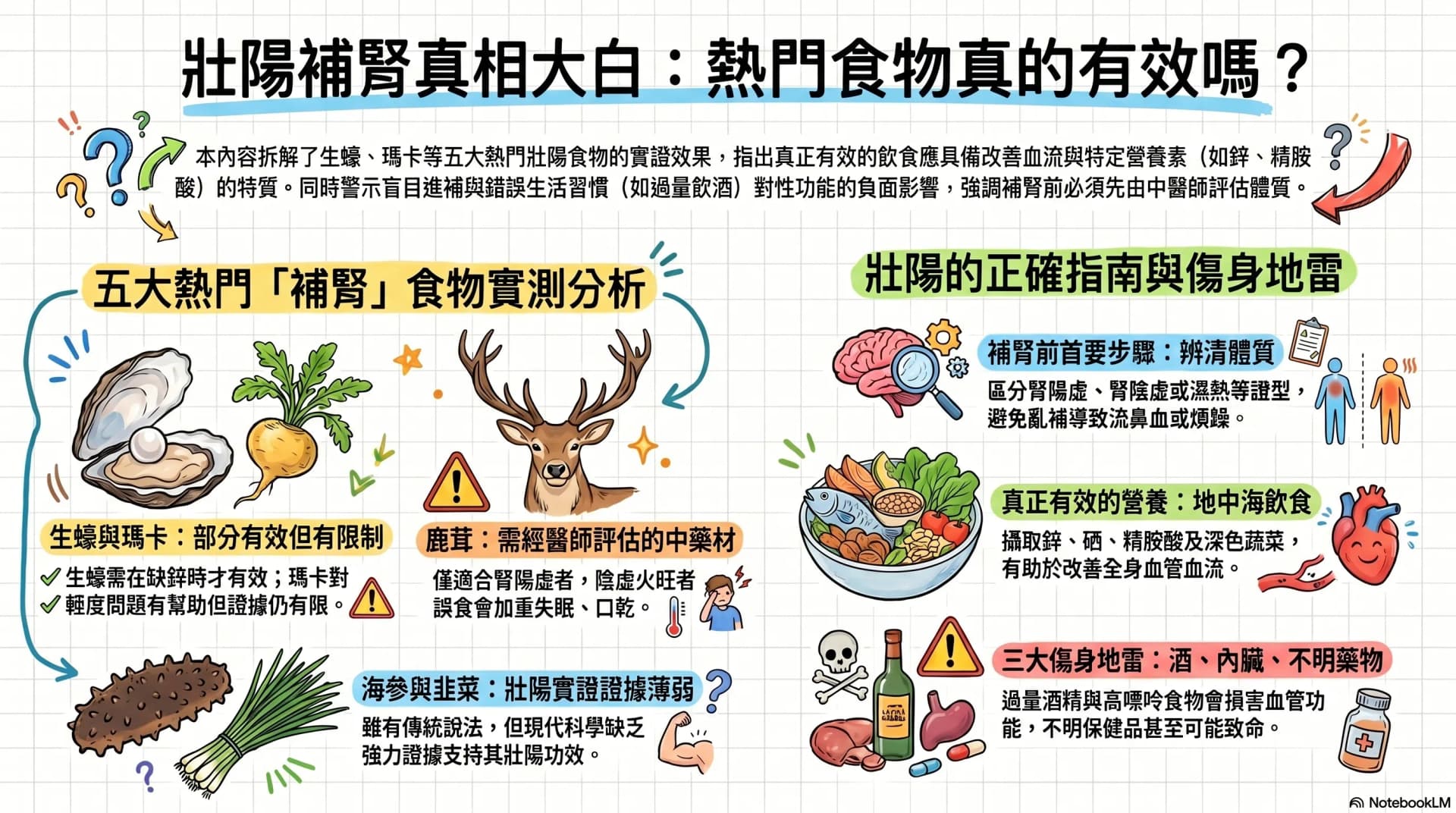
Do Oysters, Maca and Deer Antler Boost Male Vitality? 5 Myths
Do aphrodisiac foods actually work? This article opens with a rating table (effective / partly effective / effective within a TCM framework / weak evidence / no strong evidence), reviews the Chinese and Western medical evidence behind oysters, maca, deer antler, sea cucumber and Chinese chives, distils the 3 shared traits of foods that genuinely support male sexual function, and flags 3 commonly eaten items that can actually harm performance.
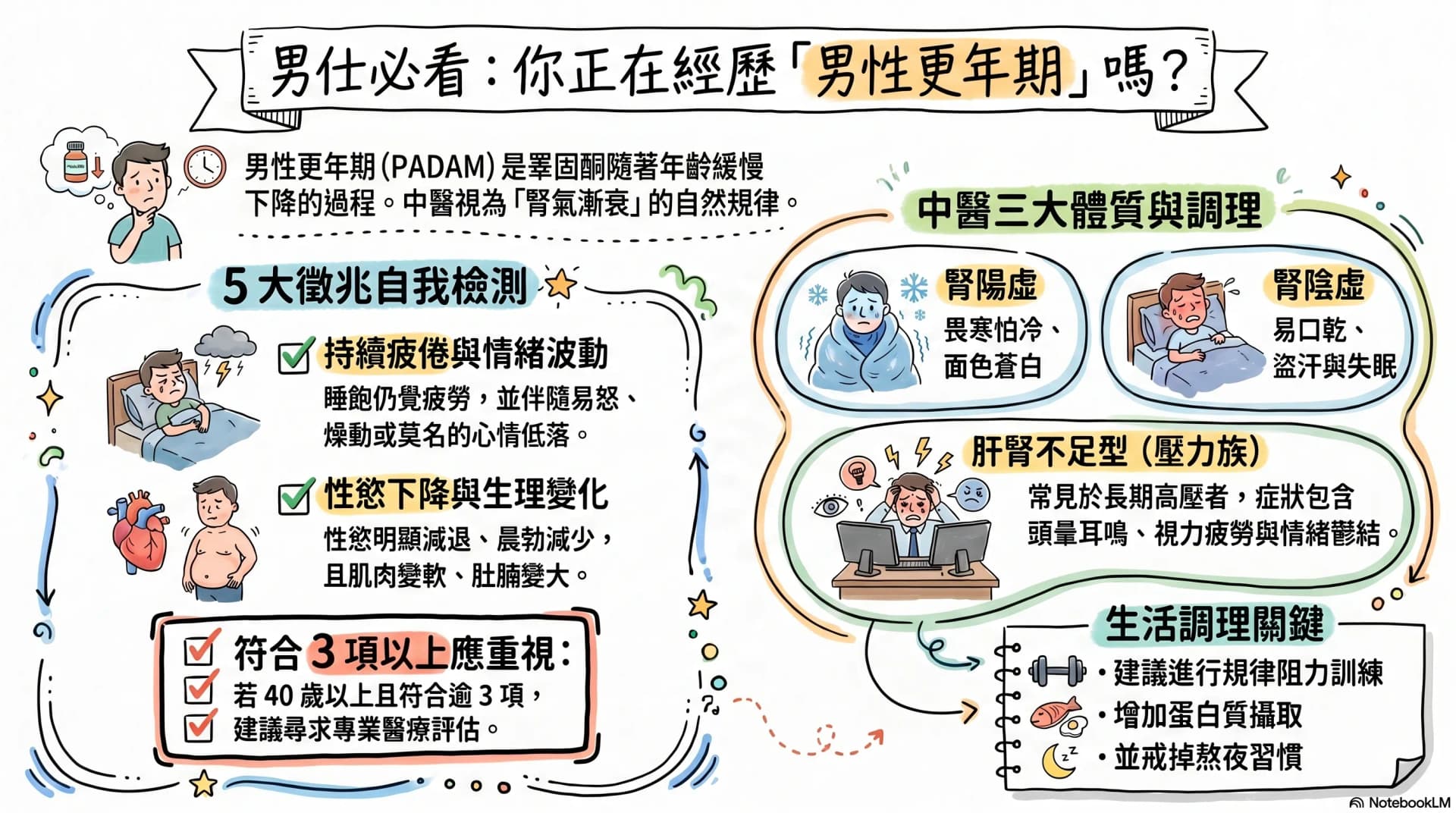
Male Menopause Through the TCM Lens: 5 Signs in Men Over 40
Unexplained fatigue, irritability, lower libido, poorer sleep and a growing belly after 40 are not just ageing or work stress — they may be male menopause. This article begins with a five-sign self-check, sets out three TCM patterns (kidney-yang deficiency, kidney-yin deficiency, liver-and-kidney insufficiency) with matching improvements, and compares the two treatment routes — testosterone replacement therapy versus TCM constitutional care.