Recurrent Low-Grade Fever in Children: Constipation and TCM
Why does a TCM practitioner ask about constipation when a child has a recurrent low-grade fever? This article first lists the warning signs that need a doctor, explains why infection must be ruled out first, then sets out how food stagnation is understood to cause fever, with home observation and care.
Medical review: Dr. Tu Hsiang Ying, Sandy,Registered Chinese Medicine Practitioner #010445
1-Minute Quick Answer
A child with a recurrent low-grade fever needs infection ruled out by a doctor first, and warning signs checked, before constipation is considered. TCM understands some such fevers as food stagnation turning into heat, easing once the bowels move, so it always asks about stools. Constipation alone does not normally cause a high fever.
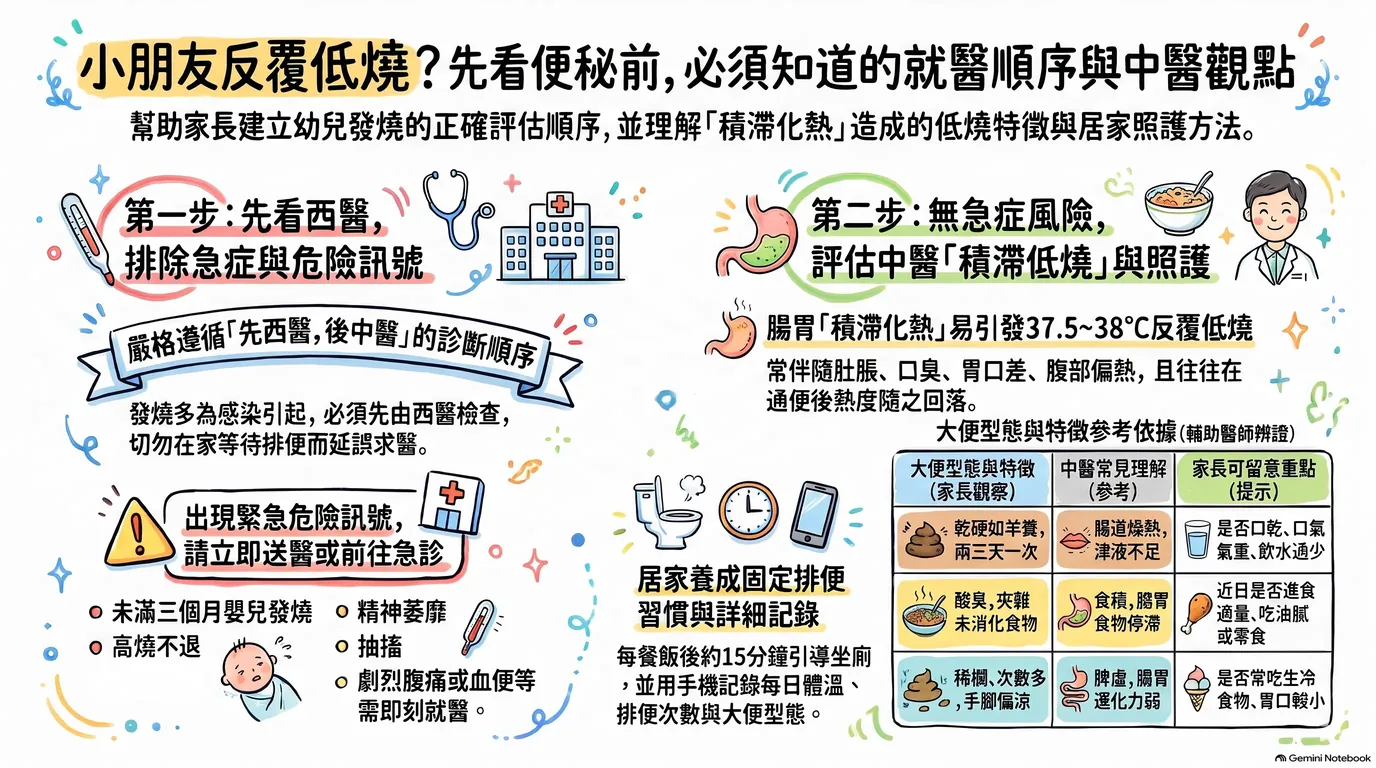 To help readers grasp the content quickly, the image was generated with NotebookLM. Some Chinese characters may not display correctly.
When a child has a recurrent low-grade fever and you take them to a Traditional Chinese medicine (TCM) practitioner, you will often be asked, "Does your child open their bowels every day?" In TCM, a fever like this in some children is linked to food stagnation in the gut, and the temperature eases once the bowels move.
But infection is the most common cause of fever. "Check for constipation first" in the title means the first thing a TCM practitioner asks about after a Western medicine doctor has ruled out infection and warning signs. It does not mean waiting at home for your child to open their bowels, and it must never delay a visit to the doctor.
What Should I Watch For When a Child Has a Recurrent Low-Grade Fever?
Important Rule out infection first, then consider constipation. Infection is the most common cause of fever in children, and constipation on its own does not normally cause a high fever. When a child has a fever, a Western medicine doctor must rule out infection and other illnesses first. If your child has any of the following warning signs, see a Western medicine doctor or go to the emergency department first. Do not wait for bowel treatment to work:
- a baby under three months old with any fever (38°C or above)
- a high fever that will not come down, or a fever lasting more than three days
- listlessness, difficulty waking, convulsions, a stiff neck, fast breathing, or a rash that does not fade when pressed
- severe tummy pain, or pain that moves from around the navel to the lower right side and worsens on walking or coughing; a hard, swollen tummy; persistent vomiting, or vomit that is green or contains blood
- blood in the stool, or black stools
- a marked drop in urine, or no tears when crying
A fever that is not high but keeps coming back should also be checked by a Western medicine doctor to find the cause.
The order behind "check for constipation first":
- If there are warning signs, see a doctor first.
- If there are none, a Western medicine doctor still examines the child and rules out infection and other illnesses.
- Only when those are excluded, and the child also has sluggish bowels, a bloated tummy, bad breath or poor appetite, does TCM work on food stagnation as a supporting measure.
The order should not be reversed.
Why Does a TCM Practitioner Always Ask About Stools?
TCM consultation has the "ten questions", and asking about bowel and urine habits is one of them. The reason is that stools reflect how the digestive system is working.
Food goes in, is digested and absorbed by the spleen and stomach, and what is left is passed out through the large intestine. Entry and exit affect each other. In TCM, a child's spleen is "often insufficient" and the digestive system is delicate. A little too much food, too much variety or too much cold, and food tends to stagnate in the digestive tract. TCM calls this "food stagnation". A child with marked stagnation also loses appetite; see our article on children with a poor appetite.
Children may not say that their tummy feels bloated or that passing stool is hard. How often, how firm and how smelly the stool is gives the practitioner an important clue about digestion, and about whether the constitution leans cold, hot, deficient or excess.
How Does Food Stagnation Cause a Fever in Children?
What follows is the TCM understanding, not a Western medicine diagnosis. TCM sees this kind of low-grade fever in three ways.
Stagnation turning into heat. Food residue that stays in the digestive tract builds up and generates heat over time. The heat cannot escape, so it shows through the body surface as a mild fever of about 37.5 to 38°C, often worse in the afternoon or at night, with the palms and tummy feeling warm.
Blocked passage in the bowels. The large intestine works best when things move freely. When bowels are sluggish, turbid waste cannot descend. The child then has a poor appetite, bad breath and a bloated tummy, and tosses and turns at night.
The lungs and large intestine are paired. TCM holds that the lungs and large intestine influence each other. When the bowels are blocked, the lungs' spreading and descending action is hampered, so some constipated children also cough and bring up phlegm. Once the bowels move freely, the cough and the fever sometimes ease together. For a cough that lingers, see our article on lingering cough.
This kind of fever often has a few features:
- the temperature is not high but keeps returning
- there is no obvious runny nose or sore throat
- there is a bloated tummy, bad breath, poor appetite and hard or sour-smelling stools
- the fever eases after a bowel movement
Matching these features does not mean skipping the doctor. The warning signs above and the Western medicine check always come first.
What Does Stool Tell Us?
| Stool | Common TCM interpretation | What parents can look for |
|---|---|---|
| Hard and dry like pellets, once every two or three days | Dryness and heat in the intestines, shortage of body fluids | Dry mouth, bad breath, low water intake |
| Sour-smelling, with undigested food, very smelly wind | Food accumulation, digestive stagnation | Overeating lately, snacks or oily food |
| Loose, frequent, often with undigested food | Weak spleen, poor digestion | Cold or raw food, cold hands and feet, small appetite |
| Hard first, then loose, never fully emptied | Weak spleen together with stagnation | Picky eating, irregular meals |
Does a Child Have to Open Their Bowels Every Day?
Not necessarily. A hospital leaflet from the NHS in the United Kingdom says anything from three times a day to every other day can be normal. What to watch for is a sudden change in bowel habit, or fewer than three bowel movements a week, together with hard stools that are difficult to pass, crying on the toilet, or a bloated tummy, bad breath and poor appetite.
What Can I Do at Home for a Constipated Child?
These steps suit a child with no warning signs, whose spirits and appetite are broadly normal:
- Keep a record: note on your phone how often your child goes, how firm and how smelly the stool is, and the temperature. Showing this to a practitioner is far more accurate than relying on memory.
- Set a regular toilet time: about fifteen minutes after each meal, let your child sit on the toilet for no more than five minutes, without rushing or scolding. The bowel is more active after eating, which makes a habit easier to build.
- Fluids and vegetables: enough water every day, and vegetables and wholegrains at every meal.
- Cut back on snacks, fried food and sweet drinks: these foods most easily cause stagnation.
- Fruit according to constitution: for children with hard stools, a moderate amount of ripe, not-too-cold fruit is fine. For children with loose stools, reduce it. See our article on fruit.
Please ask a doctor before giving a child laxatives, suppositories or folk remedies, and do not use them long term.
Recurrent Low-Grade Fever With Infection Ruled Out? Book a Digestion Assessment
If your child has a recurring low-grade fever, Western medicine tests have found no clear infection, and there are sluggish bowels, a bloated tummy, bad breath or poor appetite, you can book an assessment with Dr Tu Hsiang Ying (registered Chinese medicine practitioner in Hong Kong, registration number 010445). Dr Tu focuses on children's digestion, sleep and physical development, combining paediatric massage and visceral massage, and differentiates patterns from the child's stools, tongue and daily habits. To book, contact us on WhatsApp.
TCM treatment is supportive. It does not guarantee results and cannot replace diagnosis and emergency care in Western medicine. If your child is taking Western medicine, please do not stop it on your own.
References
- National Taiwan University Hospital: "When a child has a fever: when to seek emergency care" (Chinese) — https://health.ntuh.gov.tw/health/NTUH_e_Net/NTUH_e_Net_no222/%E9%9C%80%E8%A6%81%E7%B7%8A%E6%80%A5%E9%80%81%E9%86%AB%E7%9A%84%E7%99%BC%E7%87%92%E5%AD%A9%E7%AB%A5.pdf
- Alder Hey Children's NHS Foundation Trust: Abdominal pain in children — https://www.alderhey.nhs.uk/?p=2678
- NHS hospital leaflet (UK): Childhood constipation (parent version) — https://www.dgft.nhs.uk/leaflet/childhood-constipation-parent-version-v4
Disclaimer: This article is for general health information only. It is not a diagnosis or medical advice and cannot replace a consultation with a registered practitioner. Every child's constitution and condition are different, and results vary. If your child is unwell, please consult a doctor promptly.
Disclaimer: This article is for health education and reference purposes only and does not constitute medical advice, diagnosis, or treatment. Each patient's condition is unique and treatment outcomes vary. Please consult a registered TCM practitioner or qualified healthcare professional for health concerns.
Further Reading
Hand-picked related articles and real cases to read next.
Kids Won't Eat? A TCM Perspective on the Causes and What Parents Can Do
Poor appetite in children is one of the most common parenting headaches. This article breaks down four common causes from a TCM perspective (spleen-stomach weakness, food retention, liver stagnation, post-viral effects), three things parents can start today, five common paediatric tuina techniques, three gentle food therapies, and the warning signs that warrant a paediatrician first.
The Cold Has Gone but the Cough Will Not Clear: Causes of a Lingering Post-Cold Cough and How TCM Can Help
The cold is gone, but the cough drags on for weeks. This article breaks down the common types and causes of a lingering post-cold cough, the situations that warrant medical attention, the treatment blind spots, and how Chinese medicine can help through pattern differentiation.
Children and Fruit: Before or After Meals? TCM Fruit Guide
Should children eat fruit before or after meals? This article sets out what dietitians and TCM say, the daily fruit portions advised by Hong Kong's Department of Health, and a cooling, neutral and warming fruit list, so parents can adjust by their child's stools, cough and appetite.
Want to learn more? WhatsApp us for a free consultation
Book via WhatsAppExplore our full range of treatments: Traditional TCM Services
Related Articles
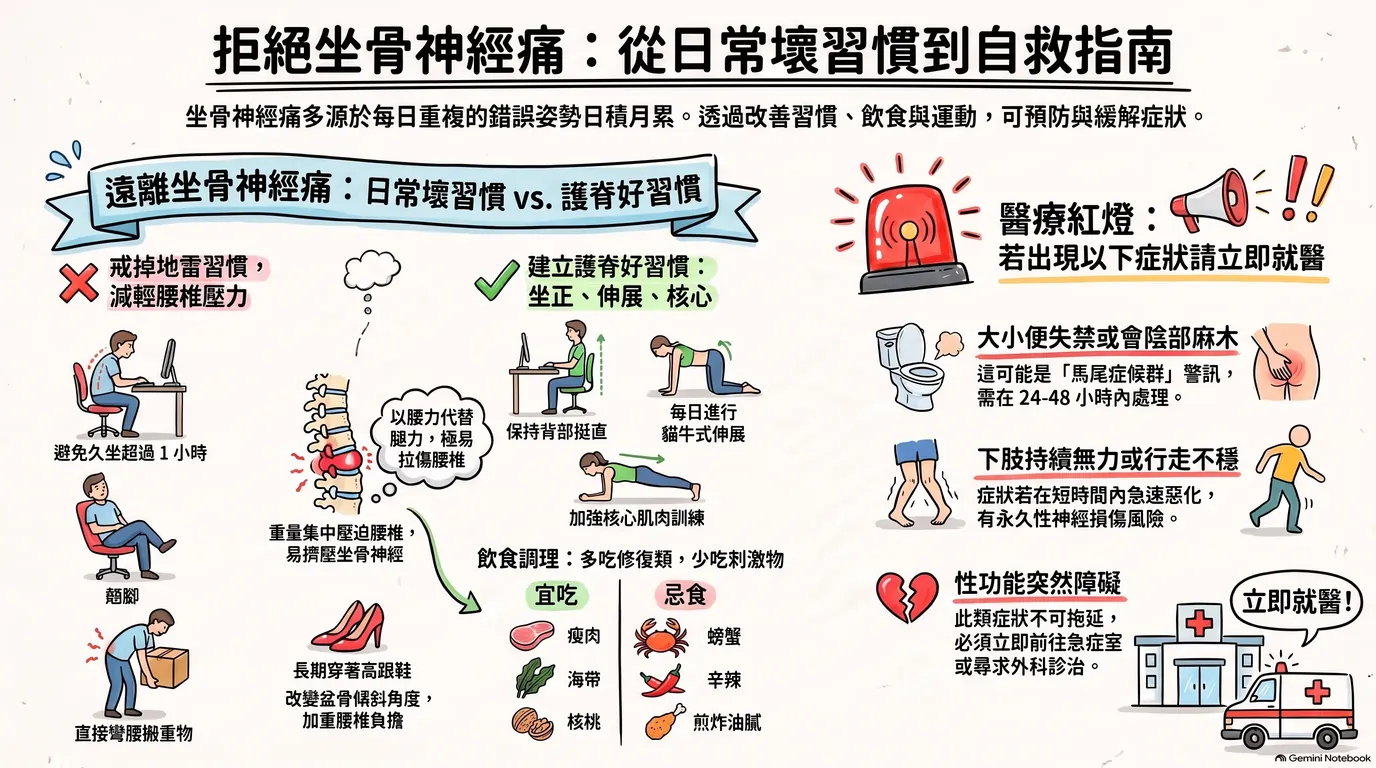
Sciatica Prevention: Bad Habits, Diet and Daily Care Tips
Sciatica isn't only about treatment — your daily habits and diet play a big role too. In this article, Dr Wong explains which everyday habits increase your risk of sciatica, which foods may help ease it, and simple daily habits that reduce the chance of it coming back.
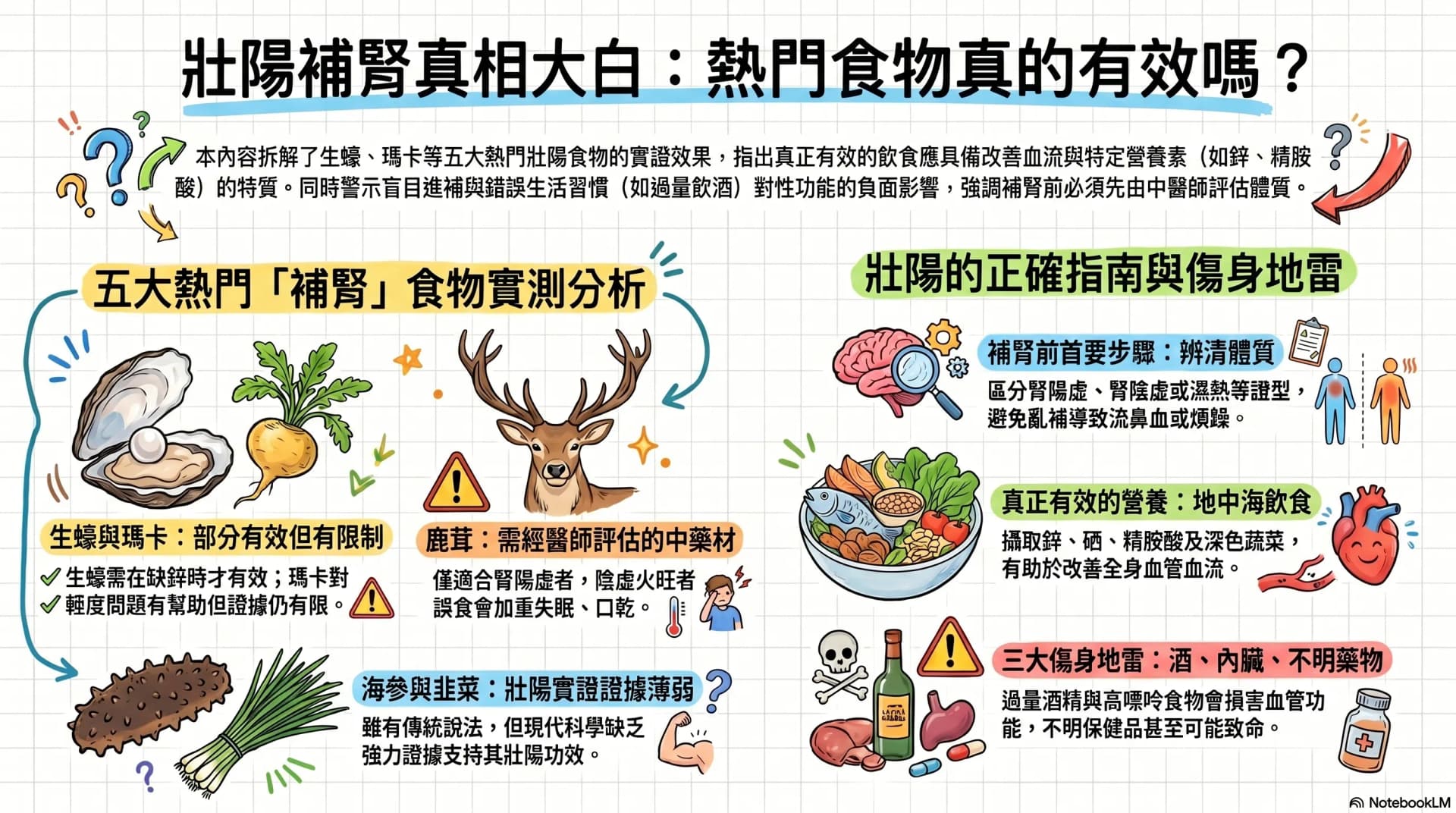
Do Oysters, Maca and Deer Antler Boost Male Vitality? 5 Myths
Do aphrodisiac foods actually work? This article opens with a rating table (effective / partly effective / effective within a TCM framework / weak evidence / no strong evidence), reviews the Chinese and Western medical evidence behind oysters, maca, deer antler, sea cucumber and Chinese chives, distils the 3 shared traits of foods that genuinely support male sexual function, and flags 3 commonly eaten items that can actually harm performance.
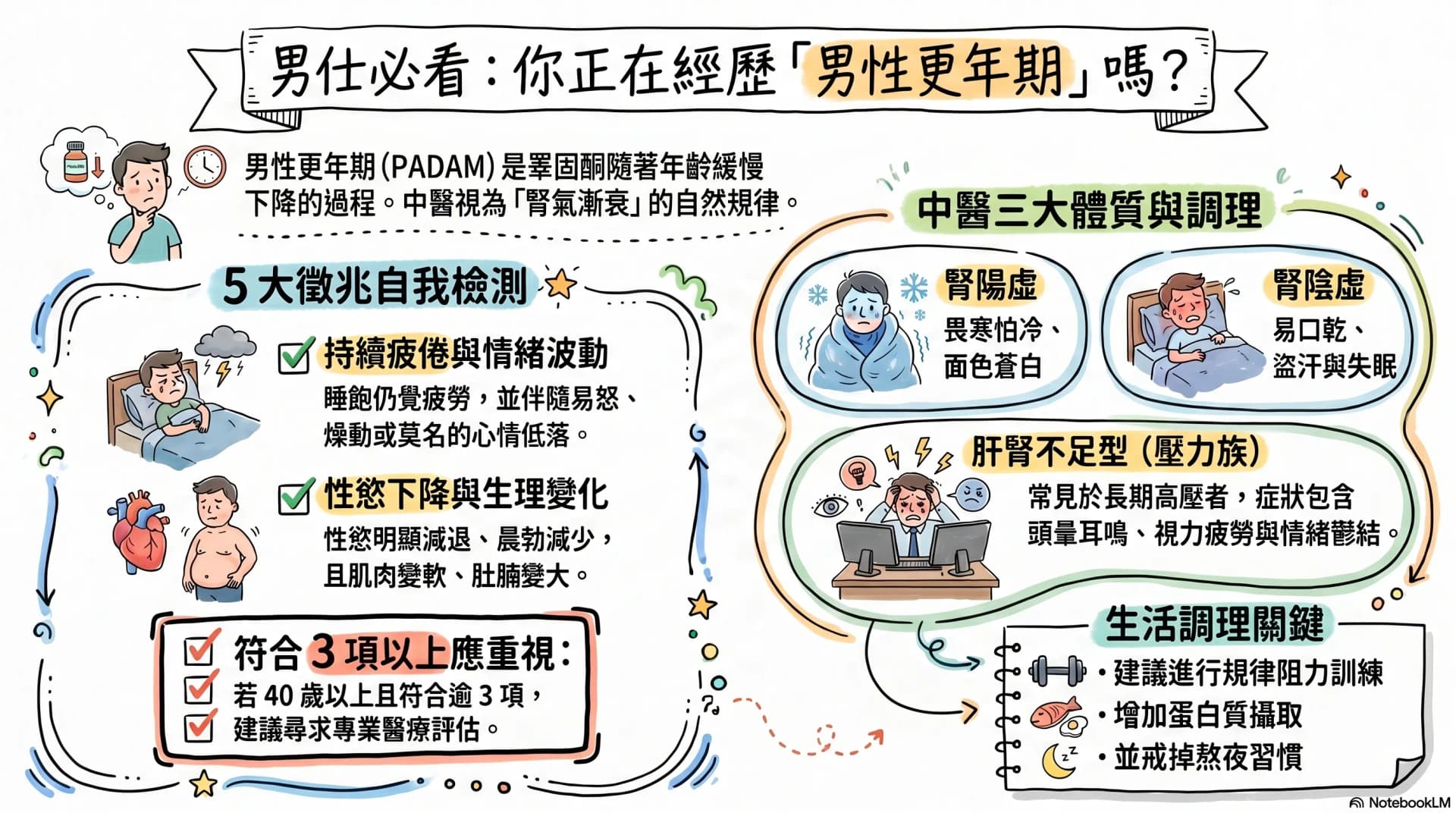
Male Menopause Through the TCM Lens: 5 Signs in Men Over 40
Unexplained fatigue, irritability, lower libido, poorer sleep and a growing belly after 40 are not just ageing or work stress — they may be male menopause. This article begins with a five-sign self-check, sets out three TCM patterns (kidney-yang deficiency, kidney-yin deficiency, liver-and-kidney insufficiency) with matching improvements, and compares the two treatment routes — testosterone replacement therapy versus TCM constitutional care.