TCM Bone Setting: Does It Work, and Who Should Avoid It?
Does TCM bone setting work, and who should avoid it? Reviewed by Dr Wong, this guide explains the techniques, five groups who need checks first, what an assessment involves and aftercare.
Medical review: Dr. Wong Ka Fai,Registered Chinese Medicine Practitioner #009985
1-Minute Quick Answer
TCM bone setting combines soft tissue work with joint adjustment and is mainly used for neck and back pain with restricted movement. People with osteoporosis, a recent injury, numbness or weakness, a history of tumour or infection, or who take blood thinners need assessment first (reviewed by Dr Wong, CMCHK 009985).
TCM Bone Setting: Does It Work, and Who Should Avoid It?
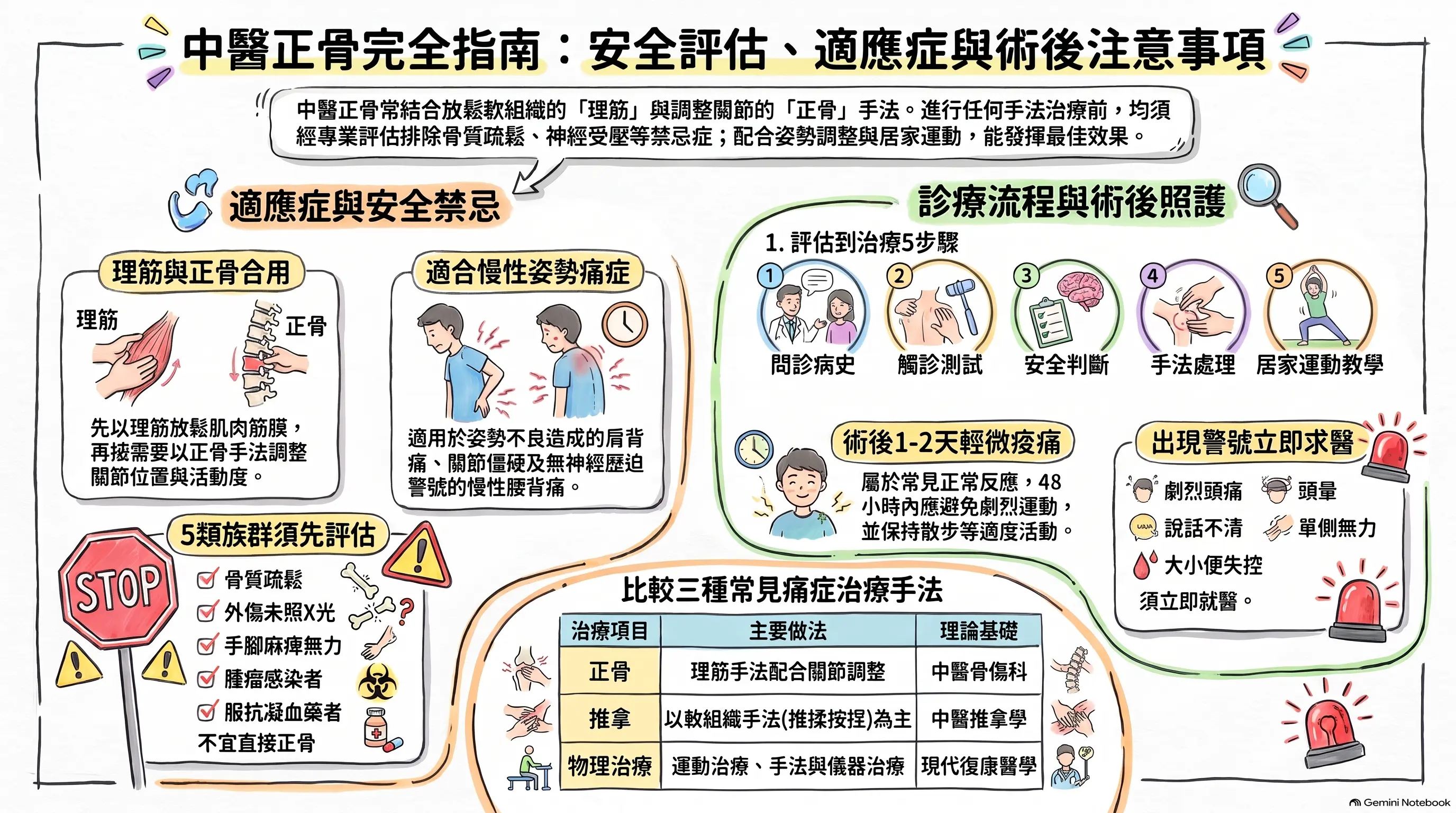 This image was generated with NotebookLM to help summarise the article; some Chinese characters may not display correctly.
Your lower back has been painful for months, and a friend says, "Get some bone setting. One click and it loosens up." Or perhaps you have read news about accidents after neck manipulation and feel uneasy.
Whether bone setting suits you can only be judged after an assessment. For suitable patients, hands-on techniques can ease pain and improve movement; for unsuitable ones, they can make problems worse. Below, we explain what bone setting is, what the research says, who should be careful, and what to watch for afterwards.
1. What Is Bone Setting?
Hands-on techniques in TCM orthopaedics and traumatology fall into two broad groups:
| Type | Main focus | What it feels like |
|---|---|---|
| Soft tissue techniques (li jin) | Muscles, fascia and ligaments | Pushing, kneading, pressing and grasping, similar to a deeper tui na massage, to release stiff muscles |
| Joint-adjusting techniques (zheng gu) | Position and mobility of bones and joints | The practitioner gently pulls, turns or presses a joint, sometimes as a slow stretch and sometimes as a short, quick movement; traditionally also used to reduce fractures and dislocations |
What most people call "bone setting" usually combines the two: soft tissue work first to relax the surrounding muscles, then joint adjustment where needed. Fractures and dislocations should be assessed and managed in hospital first; they are not a typical reason to visit a clinic.
2. Does Bone Setting Work? What the Research Says
There is little high-quality research on TCM bone setting itself. Most studies look at spinal manipulative therapy (including techniques used by physiotherapists and chiropractors) for chronic low back pain. A 2019 meta-analysis in The BMJ found that spinal manipulation gives short-term pain relief similar to other recommended therapies such as exercise, with a slightly better short-term improvement in function.
In plain terms, hands-on treatment can help chronic low back pain about as much as exercise therapy, making it one reasonable option. Whether these findings apply to TCM bone setting still needs more research. In practice, we combine hands-on treatment with home exercises and posture changes.
3. Five Groups Who Need Assessment First
In the following situations, a practitioner should assess you first and may refer you to a Western doctor or for a scan:
- Osteoporosis, fragile bones or spinal instability. Quick, forceful techniques carry a risk of fracture. Older adults and people on long-term steroids need particular care.
- A recent injury that has not been scanned. Pain after a fall, a knock or a traffic accident should have fracture and dislocation ruled out first.
- Numbness or weakness in the arms or legs, or changes in bladder or bowel control. These may point to nerve compression and need checking. Loss of bladder or bowel control is an emergency; seek medical help immediately.
- A history of tumour, bone infection or recent spinal surgery, or unexplained weight loss or fever. In these cases, the pain may not come from muscles and joints.
- Taking blood thinners or having a clotting problem. Practitioners generally avoid forceful techniques and use gentler methods, or no hands-on treatment, instead.
Pregnancy and inflammatory joint conditions such as rheumatoid arthritis should also be mentioned at your visit.
Neck techniques call for extra caution: case reports describe tears in the carotid or vertebral arteries (known as dissection) leading to stroke after quick rotational neck manipulation. These come mostly from individual reports and cannot establish cause and effect; such events are rare, but serious. A review of 134 case reports found that if contraindications and warning signs had been ruled out, about 45% of adverse events might have been avoided, although screening cannot remove the risk entirely. Neck techniques therefore require screening first, and gentler methods are often used instead. For the lower back, the studies in a Cochrane review observed no serious adverse effects related to manipulation.
4. Which Pain Problems Commonly Involve Bone Setting
Once the contraindications above have been ruled out, bone setting is commonly considered for the following, often alongside acupuncture or exercise:
- Neck and upper back stiffness with restricted turning
- Lower back pain lasting weeks to months, worse on bending or twisting, without warning signs such as numbness or weakness
- Shoulder and upper back pain related to long-term poor posture
- Reduced joint range of motion with tightness in the surrounding muscles
If something else lies behind the pain, such as nerve compression or a bone health problem, the approach will differ and should follow the test results.
5. What a Bone Setting Assessment Involves
- History: when the pain started, what triggers it, past injuries, bone health and current medication.
- Palpation and movement tests: checking tender points, muscle condition and joint range, comparing left and right.
- Deciding whether hands-on treatment is suitable: if it is, the practitioner discusses it with you before starting; if there are warning signs, you are referred for checks first.
- Hands-on treatment: soft tissue work first, then adjustment, with acupuncture or cupping where needed.
- Home exercises and follow-up: one or two simple movements to practise, and what to watch for before your next visit.
6. Common Reactions and Aftercare
Mild soreness, or a short-lived increase in pain, for one to two days after bone setting is a common reaction and usually settles on its own. Research also shows that mild side effects after spinal manipulation are fairly common, while serious complications are rare.
After bone setting:
- Avoid strenuous exercise and heavy lifting for 24 to 48 hours
- Stay normally active, for example walking, and avoid holding one position for long periods
- Practise the movements you were shown, and do not forcefully twist your own neck or back
Seek medical help immediately or call 999 if you have:
- A sudden, severe headache or one unlike any before
- Slurred speech, blurred vision, dizziness or unsteadiness
- Weakness or numbness on one side of the face or body
- Loss of bladder or bowel control
Contact your practitioner promptly if you have:
- Pain that clearly worsens and has not eased after two to three days
- New mild numbness or tingling in the arms or legs
7. Bone Setting, Tui Na and Physiotherapy: What Is the Difference?
| Bone setting | Tui na | Physiotherapy | |
|---|---|---|---|
| Main methods | Soft tissue work with joint adjustment | Mainly soft tissue techniques | Exercise therapy, manual therapy, equipment |
| Theoretical basis | TCM orthopaedics and traumatology | TCM tui na | Modern rehabilitation medicine |
| Often combined with | Acupuncture, cupping, herbal medicine | Acupuncture, cupping | Home exercise programme |
The three are not mutually exclusive. If you are also seeing a physiotherapist, share your treatment plan with your TCM practitioner so the two can be coordinated.
8. Six Questions to Ask Yourself Before Booking
If you answer "yes" to any of these, see a Western doctor or get checked before considering hands-on treatment:
- Have you recently had a fall, a knock or a traffic accident without a scan?
- Do you have numbness or weakness in your arms or legs, or changes in bladder or bowel control?
- Do you have a history of tumour or bone infection, or unexplained weight loss or fever?
- Does your neck pain come with a headache or dizziness unlike before? (If symptoms are severe or sudden, seek medical help immediately.)
If you answer "yes" to either of these, tell your practitioner at your visit:
- Do you have osteoporosis, or have you had a fracture before?
- Are you taking blood thinners or steroids?
A Note from the Practitioner
When you come for a visit, please bring any recent scans or check-up reports and a list of your current medication. This information directly affects which techniques are used: two people with lower back pain, an office worker with normal bone density and an older adult with osteoporosis, may be treated in completely different ways.
Start with an Assessment
If neck or back pain is troubling you and you are unsure whether bone setting suits you, you are welcome to book an assessment with Dr Wong. Dr Wong holds a master's degree in orthopaedics and traumatology from Guangzhou University of Chinese Medicine, focuses on pain and musculoskeletal injuries, and is skilled in bone setting techniques. After the assessment, he will discuss with you whether to use hands-on treatment and which type, and recommend tests first where needed. For more on pain conditions, visit our pain page.
How to book:
- WhatsApp: Book here
- Phone: 2110 9337
- Address: Unit 2706, Saxon Tower, 7 Cheung Shun Street, Lai Chi Kok
— Dr Wong Ka-fai | Registered Chinese Medicine Practitioner
Frequently Asked Questions about TCM Bone Setting
Q1: Does bone setting hurt?
You will usually feel brief pressure or stretching during the technique; if you feel sharp pain, numbness or discomfort, tell the practitioner straight away so they can stop. Mild soreness for a day or two afterwards is a common reaction; warning signs and what to do are covered in section 6.
Q2: Does a "click" during bone setting mean it worked?
Not necessarily. Quick techniques sometimes produce a sound, which usually comes from gas being released within the joint. Whether there is a sound is not a measure of success, and a practitioner should not repeat forceful techniques just to produce one.
Q3: How many bone setting sessions will I need?
There is no fixed number. It depends on whether the pain is acute or long-standing, how restricted the joint is and how you respond to each session. Practitioners generally reassess after the first one or two sessions before deciding whether to continue and how often.
Q4: Can older adults have bone setting?
They can be assessed, but quick, forceful techniques are not advisable as a starting point. Older adults more often have osteoporosis or spinal degeneration, so the practitioner will check bone health and medical history first, and may use gentler soft tissue techniques, acupuncture or exercise instead.
Q5: What is the difference between bone setting and tui na massage?
Tui na broadly refers to hands-on work on muscles, fascia and other soft tissues, and forms part of the soft tissue techniques. Bone setting builds on this by also working on joint position and mobility. The two are often combined, with the balance decided after assessment.
References
- Rubinstein SM, et al. Benefits and harms of spinal manipulative therapy for the treatment of chronic low back pain: systematic review and meta-analysis of randomised controlled trials. BMJ 2019;364:l689. Full text
- Puentedura EJ, et al. Safety of cervical spine manipulation: are adverse events preventable and are manipulations being performed appropriately? A review of 134 case reports. J Man Manip Ther 2012. PMC
- Ernst E. Manipulation of the cervical spine: a systematic review of case reports of serious adverse events, 1995–2001. Med J Aust 2002;176(8). Full text
- Swait G, Finch R. What are the risks of manual treatment of the spine? A scoping review for clinicians. Chiropr Man Therap 2017. PMC
- Cochrane: Spinal manipulative therapy for chronic low back pain
Every patient's constitution and condition are different; outcomes vary and require individual TCM assessment.
Disclaimer: This article is for health education only and does not replace individual consultation, examination, medication or treatment advice. If you have a related condition, persistent symptoms or are taking medication, please follow your doctor's instructions for follow-up and monitoring, and consult your attending doctor before making any change to your medication.
Disclaimer: This article is for health education and reference purposes only and does not constitute medical advice, diagnosis, or treatment. Each patient's condition is unique and treatment outcomes vary. Please consult a registered TCM practitioner or qualified healthcare professional for health concerns.
Further Reading
Hand-picked related articles and real cases to read next.
Sciatica Recovery — Combined Acupuncture and Bone-Setting Treatment
A professional driver in his 50s suffered from recurring sciatica for six months that severely impacted his work. After six sessions of combined acupuncture and bone-setting treatment by Dr Wong, his pain significantly improved and he returned to work.
Osteoporosis Without Pain: Silent Bone Loss and Fall Risk
Osteoporosis itself produces no symptoms — and is often dismissed as "nothing to worry about if it does not hurt". Once bone has thinned enough, a minor fall, a cough, or even bending forward can fracture it. This article draws on Department of Health resources to list the "silent warning signs", explains when older adults should arrange a bone-density check, and describes how TCM — drawing on the principles of the kidney governing bone and the spleen governing muscle — can support fall prevention alongside Western treatment.
Acupuncture vs Physiotherapy: Which Is Better for Your Pain?
Both acupuncture and physiotherapy can treat pain, but each has its strengths for different conditions. This article offers an honest comparison across treatment principles, suitable conditions, cost, and duration to help you decide.
Want to learn more? WhatsApp us for a free consultation
Book via WhatsAppExplore our full range of treatments: Traditional TCM Services
Related Articles
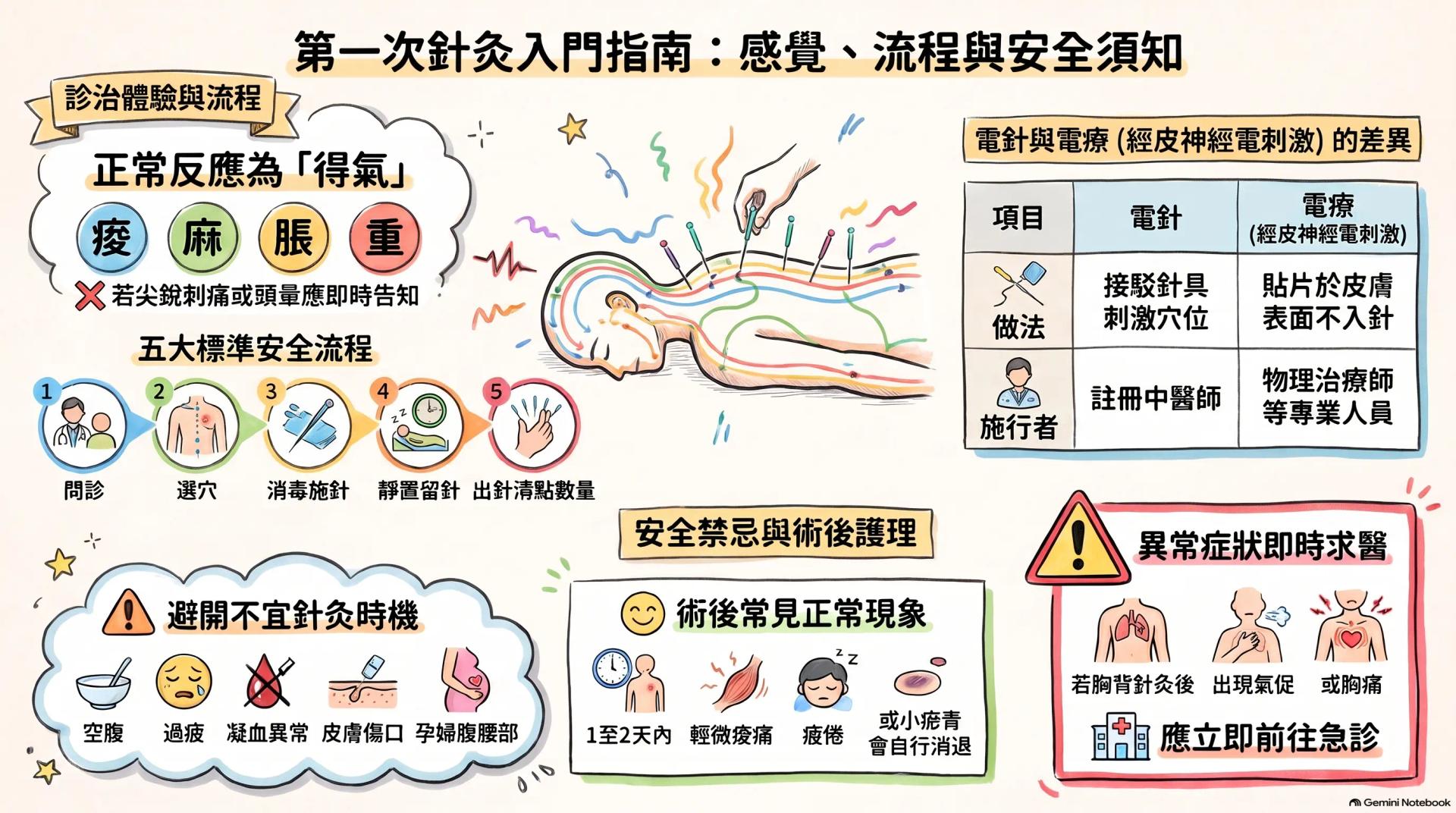
Does Acupuncture Hurt? What to Know Before Your First Visit
Does acupuncture hurt, and is feeling worse afterwards normal? Reviewed by Dr Wong, this guide covers the sensation, a typical session, electroacupuncture, session numbers and who should avoid it.
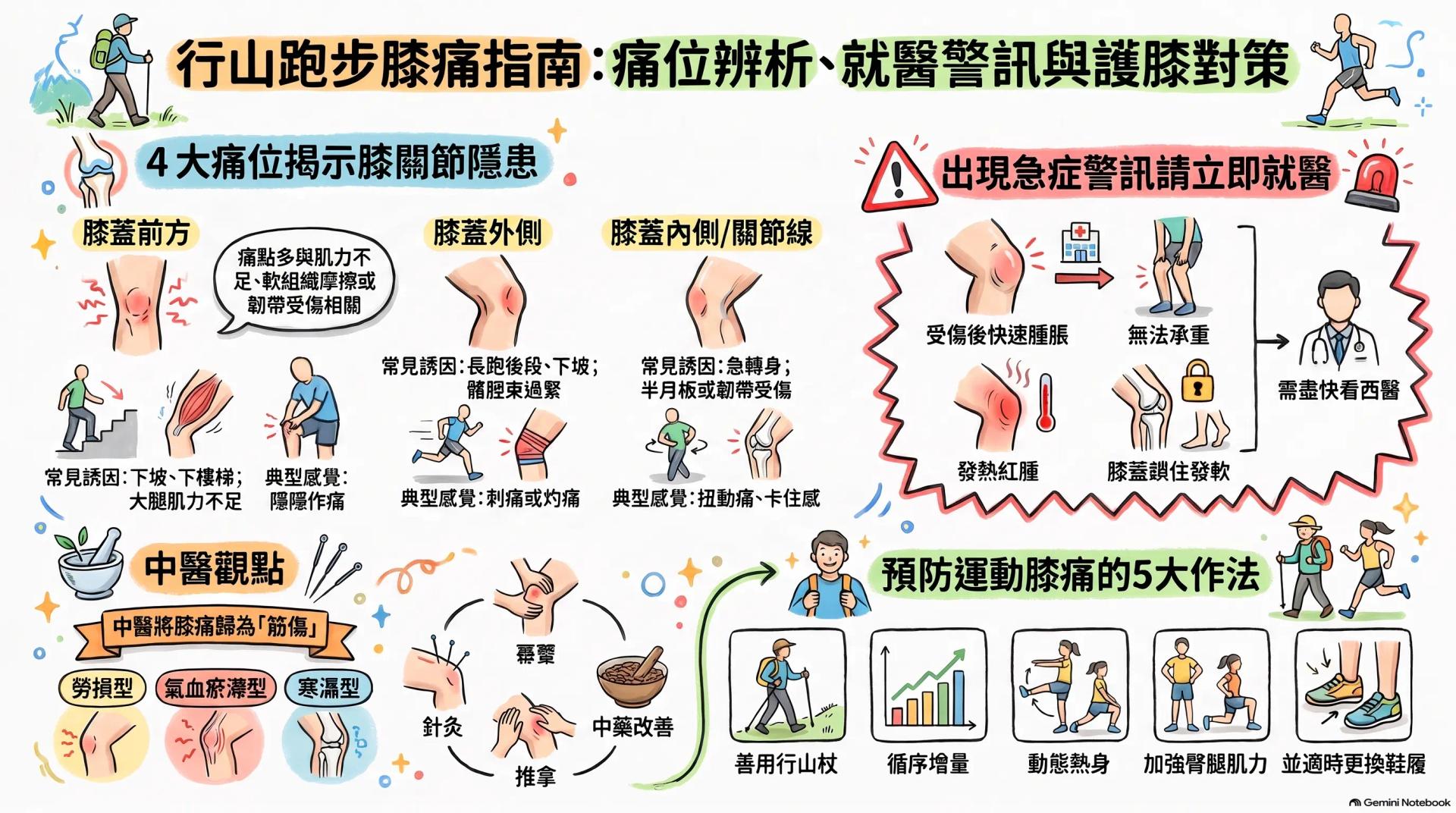
Knee Pain After Hiking or Running: TCM or Western Doctor?
Knee pain after a downhill hike or a long run? Reviewed by Dr Wong, this guide explains four common pain locations, warning signs that need a Western doctor, the TCM approach and prevention tips.
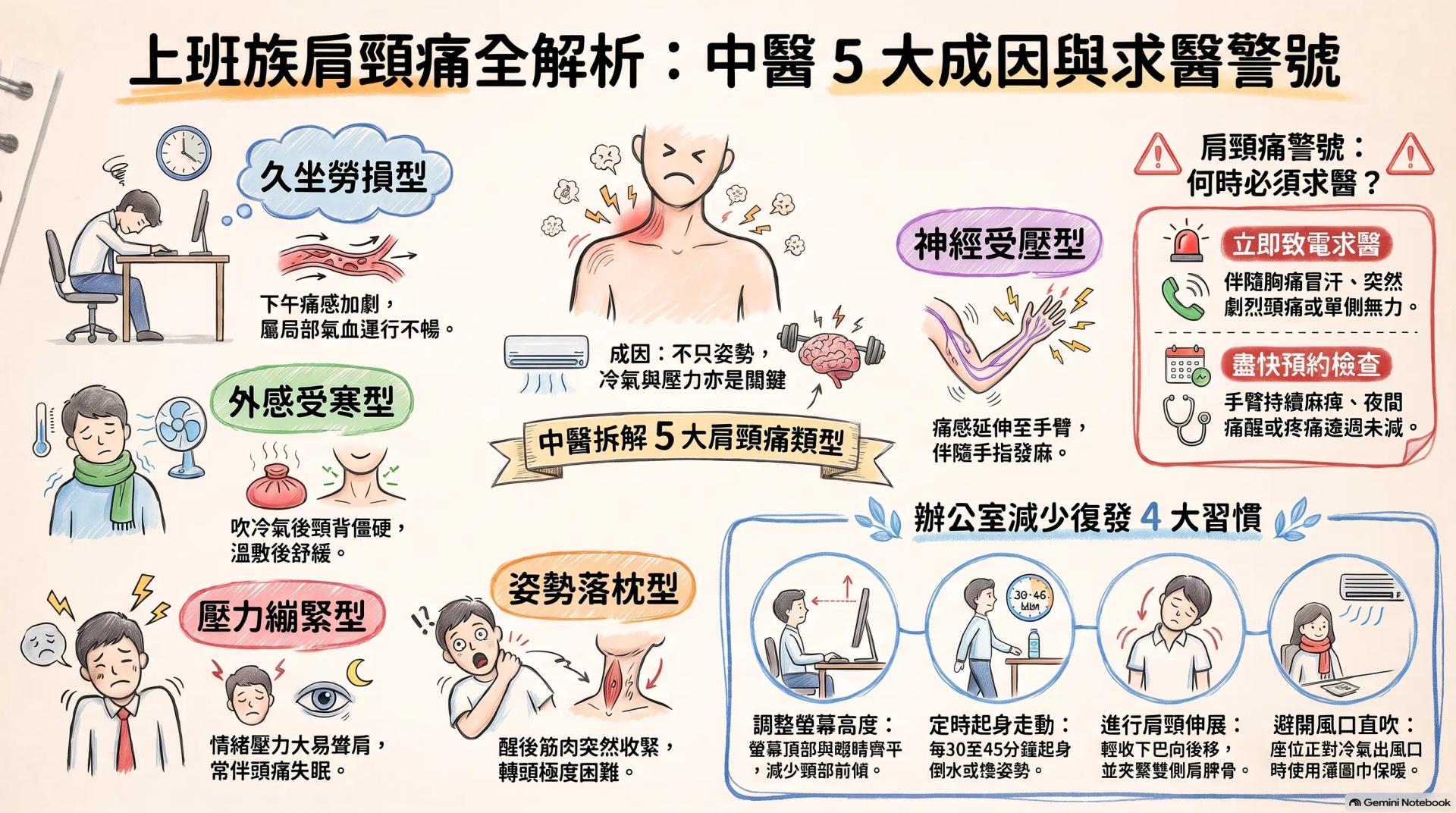
Office Neck and Shoulder Pain: 5 Causes and Warning Signs
Neck and shoulder pain at work is not just about posture. Reviewed by Dr Wong, this guide covers five common causes, the TCM approach, warning signs that need urgent care and simple office habits.