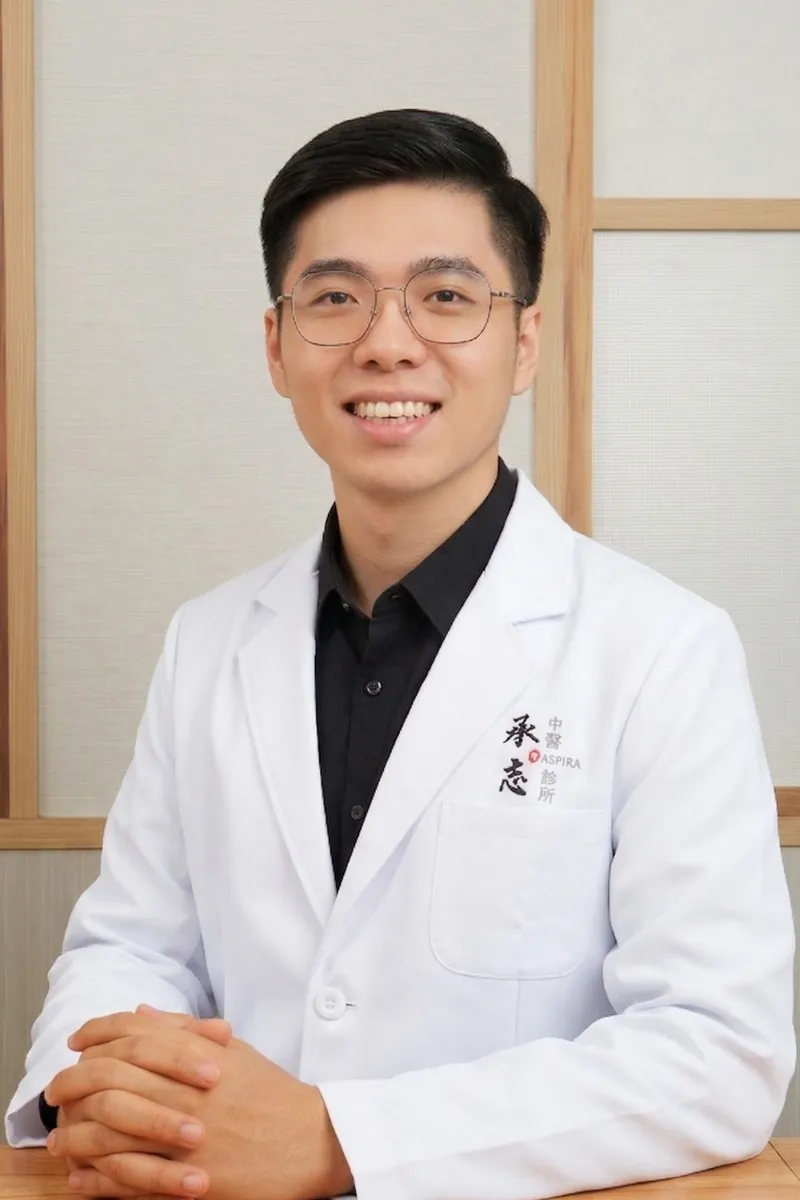
Dr. Wong Ka Fai
Registered Chinese Medicine Practitioner
Registered TCM Practitioner (Reg. No.:009985)
Specialties
Profile
Dr. Wong focuses on bone-setting techniques and internal medicine prescribing, grounded in a holistic approach, frequently treating cervical, lower-back, and postural imbalance issues. He values identifying root causes, balancing efficacy with efficiency, and integrates rehabilitation principles. Practical and steady by nature, he is committed to giving patients systematic, thorough treatment plans.
Qualifications
- Registered Chinese Medicine Practitioner (Hong Kong)
- Bachelor's Degree in Chinese Medicine, Nanjing University of Chinese Medicine
- Master's Degree in Chinese Medicine (Orthopedics and Traumatology), Guangzhou University of Chinese Medicine
Education
- Guangzhou University of Chinese MedicineMaster's in Orthopedics & Traumatology
- Nanjing University of Chinese MedicineBachelor of Chinese Medicine
Years of Practice
3 years
Articles by Dr. Wong Ka Fai
Sciatica Recovery — Combined Acupuncture and Bone-Setting Treatment
A professional driver in his 50s suffered from recurring sciatica for six months that severely impacted his work. After six sessions of combined acupuncture and bone-setting treatment by Dr Wong, his pain significantly improved and he returned to work.
Herbal Medicine or Acupuncture? A TCM Doctor's Guide to Choosing the Right Treatment
"Doctor, should I take herbal medicine or have acupuncture?" This is one of the most common questions in the consultation room. This article compares herbal medicine and acupuncture from a TCM perspective, analysing their principles, suitable conditions, and pros and cons across six common health issues.
Low Back Pain: 6 Common Causes & TCM Treatment Approaches
Low back pain is not always simply “kidney deficiency” or muscle fatigue. It may also be related to muscle strain, disc herniation, degenerative lumbar disease, kidney stones, urinary tract infection, or pelvic inflammation. This article explains six common causes of low back pain from a TCM perspective and outlines key distinctions and treatment directions.
Sarcopenia & Muscle Loss: Warning Signs, Tests & Prevention
If you or an older family member has weaker limbs, poorer grip strength, slower walking, or more frequent falls, it may not be ageing alone. This guide explains common causes of sarcopenia, the risks it brings, how to screen for it, and how exercise, protein intake, and early assessment may help reduce muscle loss.
Recurrent Knee Pain in Older Adults: Is It Just Degeneration?
Recurrent knee pain in older adults is not always simple degeneration. Osteoarthritis, muscle weakness, cold-damp patterns, qi-blood deficiency, old injuries, and fall risk may all contribute. This article explains common causes, red-flag signs, TCM patterns, and practical ways to reduce recurrence.
Back Pain in Older Adults: Osteoporosis, Degeneration, or Sciatica?
Back pain in older adults may arise from muscular strain, lumbar degeneration, sciatica, osteoporotic fracture, falls, or other medical conditions. This article compares common causes, red-flag signs, when investigation is needed, and how TCM may help once urgent problems are excluded.
Sciatica That Never Fully Settles and Keeps Coming Back? First Understand the Causes, Types and Common Treatment Pitfalls
Sciatica is a set of symptoms radiating along the sciatic nerve, not one disease. Causes vary — disc herniation, piriformis problems, lumbar degeneration — so treatment differs. Recurrence often comes from only masking pain, not identifying the type, or stopping early. TCM may combine acupuncture, cupping, bone-setting and herbs to ease symptoms; seek urgent care if bladder, bowel or leg strength is suddenly affected.
Book now and start your health journey
Limited slots available today
Book via WhatsAppAspira TCM — Your path back to health