Air-Con Headaches and Stiff Necks in Older Adults: A TCM View
Older adults often develop headaches, stiff shoulders and neck, blocked nose, sneezing and aching joints when the air-conditioning is on. Loosely called "air-conditioning sickness", these symptoms are not a formal medical diagnosis but they reflect a decline in autonomic regulation and weakened defensive qi. With Hong Kong's wide indoor-outdoor temperature gap in summer, older adults with hypertension, dyslipidaemia or diabetes are particularly vulnerable. This article uses the TCM concepts of cold attacking the surface, weak defensive qi and cold spleen-stomach to explain six common patterns, six home-cooling adjustments, and when Western care should come first.
Medical review: Dr. Chan Wing Kiu, Joanne,Registered Chinese Medicine Practitioner #009463
1-Minute Quick Answer
"Air-conditioning sickness" is not a formal diagnosis, but headaches, a stiff neck and blocked nose in older adults usually reflect weaker temperature regulation. Set the air-con to 25–27°C and keep it off the head and neck; fever beyond 24 hours, breathlessness or one-sided weakness need a doctor first (reviewed by Dr Chan Wing Kiu, CMCHK 009463).
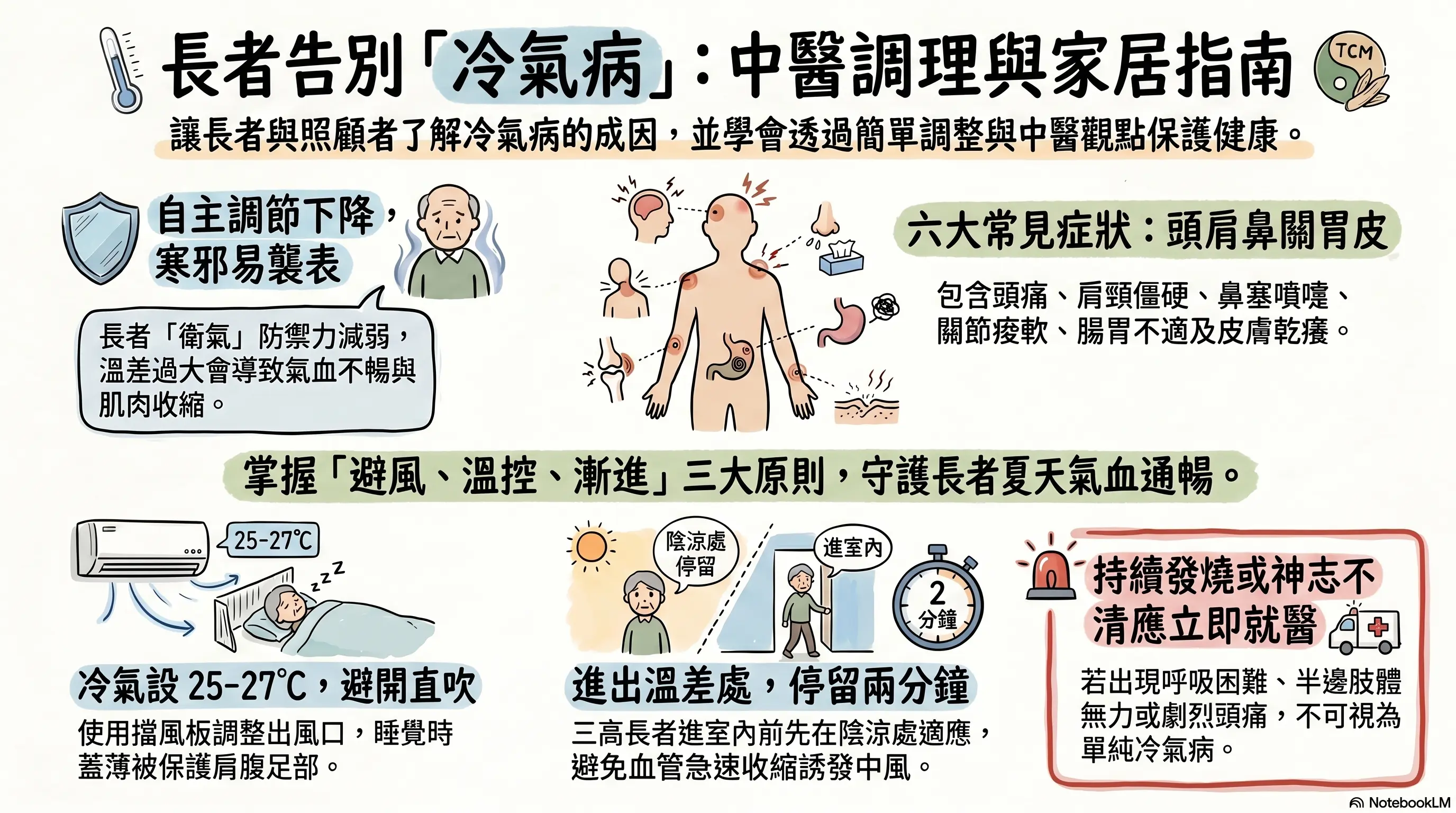 For quick reference, this image was generated by NotebookLM. Some Chinese characters may not render perfectly; we appreciate your understanding.
Hong Kong summers are long and hot, and almost every household runs the air conditioner to get through them. For older adults, however, the experience can be uncomfortable — "Mum says her head aches after an hour under the AC", "Dad wakes up with stiff shoulders he can hardly move", "Grandma gets a runny, stuffy nose in summer instead of winter". These complaints, loosely called "air-conditioning sickness", appear from May through October in Hong Kong.
"Air-conditioning sickness" is not a formal medical diagnosis, but the problem it describes is real. Older adults have weaker autonomic regulation, slower temperature adaptation and weaker defensive qi (wei qi) at the body surface; combined with the 8–12°C indoor-outdoor temperature gap of Hong Kong summers and frequent transitions, the rhythm of vasoconstriction and vasodilation is disrupted, and headache, stiff shoulders, blocked nose, joint pain and even gastrointestinal upset can follow.
Particular care is needed for older adults with hypertension, dyslipidaemia or diabetes (the so-called "three highs"). Stepping abruptly from outdoor heat into a cold room constricts peripheral blood vessels and raises blood pressure — at the milder end producing headache, stiff shoulders and joint pain, at the more serious end potentially triggering stroke or intracerebral haemorrhage. For older adults, how the air-conditioner is used is not a small matter.
This article will help older adults and their families recognise: the six common patterns of "air-conditioning sickness"; the TCM view from weak defensive qi, cold attacking the surface and cold spleen-stomach; how to tell it from a true cold; when Western medicine should come first; and six concrete adjustments to home air-conditioner use.
Note: This article is general education for older adults and family carers. It does not apply to acute stroke, pneumonia or acute exacerbations of chronic disease. If there is persistent fever, breathing difficulty, altered consciousness or one-sided limb weakness, seek medical care immediately. Any change in antihypertensive, blood-thinner or diabetes medication must be discussed first with the prescribing doctor.
"Air-Conditioning Sickness" Is Not a Formal Diagnosis — But the Discomfort Is Real
The term covers a cluster of symptoms that arise in or after exiting an air-conditioned room. From a modern medical view, several mechanisms combine:
- Slower autonomic regulation: older adults' blood vessels react more slowly; temperature swings produce blood-pressure fluctuations, heart-rate changes and altered skin blood flow
- Dry air affecting mucous membranes: indoor humidity falls; the nasal, throat and skin mucous membranes dry out, increasing irritation, cough, sneezing and itch
- Cold air directly on muscle: cold air on the neck, shoulders and back triggers reflex muscle contraction and aching
- Wide indoor-outdoor temperature gap: rapid swings in peripheral blood vessels can briefly change cerebral blood flow, producing dizziness or headache
In TCM terms, "air-conditioning sickness" sits in the territory of cold attacking the surface combined with weak defensive qi:
- Defensive qi (wei qi): the surface defence system; ageing weakens it, lowering resistance to cold, wind and dryness
- Cold attacks the surface: cold enters through pores of the skin, causing muscle contraction, blocked qi-blood circulation and obstructed meridians — the TCM account of headache, stiff shoulders and joint pain
- Cold entering the meridians: prolonged unnoticed exposure can bring cold deeper, producing more stubborn aching and stiffness
This framework is not "mystical" — it describes the body's overall reaction to cold exposure. The modern phrases "muscle tension", "autonomic response" and "vasoconstriction" map onto the same picture from a different angle.
Six Common Patterns of "Air-Conditioning Sickness"
1. Headache
Often a temporal or occipital ache after sitting under the AC, easing with massage; in more serious episodes there is dizziness and reduced concentration. Older adults with the "three highs" should watch for blood-pressure fluctuations when moving between hot and cold spaces.
2. Stiff neck and shoulders, reduced range of motion
When cold air blows directly on the back of the neck or shoulders, the trapezius and levator scapulae contract reflexively. Stiffness is worst in the morning and eases over 10–15 minutes of activity.
3. Blocked nose, sneezing, clear runny nose
The combination of cold and dry air irritates the nasal mucosa, particularly in those with allergic rhinitis. The picture must be distinguished from a true cold.
4. Aching joints, clicking on movement
Knees, ankles and finger joints can "click", stairs become harder and morning stiffness sets in. People with existing osteoarthritis feel this more acutely.
5. Gastrointestinal discomfort
Cold environment plus cold drinks and ice often brings upper abdominal ache, bloating and loose stools. TCM calls this cold spleen-stomach.
6. Dry, itchy skin
The AC lowers humidity and accelerates skin moisture loss; older skin is already drier and easily develops scaling and itch, especially on the shins and forearms.
Distinguishing "Air-Conditioning Sickness" From a True Cold
| Item | AC discomfort | True cold/flu |
|---|---|---|
| Course | Appears in or after AC use; improves within 30–60 minutes of leaving the room | Progresses over 1–3 days to a peak |
| Fever | Usually none, or low-grade | Often present (38°C or above) |
| Whole-body symptoms | Mainly headache, stiff shoulders, blocked nose | Body aches, fatigue, sore muscles, sore throat, cough |
| Nasal discharge | Clear and watery, small amount | Initially clear, then thickening or yellow |
| Throat | Usually not painful | Usually painful or itchy |
| Contact history | None | Household or workplace contact with a cold or flu case |
| Relief | Leaving the AC and warming the neck-shoulders helps | A natural course of 5–10 days; medication may be needed |
Important: an older adult's immune response is muted, and a true cold or flu can lead to serious outcomes without high fever. If an older adult develops persistent fever, breathing difficulty, altered consciousness, blue lips, or cannot eat or drink, regardless of "air-conditioning sickness" or not, seek medical care immediately.
TCM View — Cold From Surface to Interior
The TCM picture of "air-conditioning sickness" typically falls into the following layers. In practice these layers overlap, and a registered TCM practitioner must identify the dominant pattern through in-person examination.
Surface cold
Cold just at the surface; common signs are headache (especially occipital), stiff neck and shoulders, no sweating, mild chills, clear nasal discharge. The TCM direction: disperse surface cold, diffuse the lung and open the orifices.
Weak defensive qi
Older adults who "catch the cold" repeatedly often have weakened defensive qi. Common signs include sweating with light exertion, easy colds and dry, itchy skin. Direction: tonify qi and consolidate the surface.
Cold entering the meridians
When cold goes deeper, it produces aching and stiffness in muscles and joints that worsens with movement and improves with pressure or warmth. Common picture: weak lumbar and knees, clicking joints. Direction: warm the meridians, disperse cold, ease the sinews and free circulation.
Cold spleen-stomach
When the spleen yang is already insufficient, cold environment plus cold food brings bloating, loose stools, reduced appetite and cold limbs. Direction: warm the centre, strengthen the spleen.
It must be emphasised that the TCM "cold" is not a substance — it is a description of the body's response to cold exposure. The direction of care must be decided by a registered TCM practitioner based on the patient's constitution; this article does not list specific formulae.
When Western Medicine Should Come First
"Air-conditioning sickness" sounds minor, but the following situations must be assessed by Western medicine first — they should not be assumed to be merely AC-related:
- Fever over 24 hours: possible influenza, pneumonia or other infection
- Difficulty breathing, needing to pause speech, blue lips or fingernails: possible acute exacerbation of chronic lung disease, heart failure, pneumonia
- Severe headache with vomiting, vision change, slurred speech, one-sided limb weakness: possible stroke or intracerebral haemorrhage — clinically, warnings have been issued that older adults with "three highs" moving from hot outdoors to cold indoors can trigger such acute events
- Acute exacerbation of chronic disease: new symptoms in previously stable diabetes, heart disease or chronic lung disease
- Altered consciousness, confusion, unusual behaviour: possible sepsis, hyponatraemia or other emergencies
- Marked reduction in urine output, dry inelastic skin, dizziness: possible dehydration (a real risk in older adults in summer, sometimes unnoticed in an air-conditioned room)
TCM cannot manage these — they need Western care immediately.
Six Home AC Adjustments
The Centre for Health Protection's heat-illness prevention guidance recommends adequate ventilation and moderate air-conditioning in summer; clinical practice often advises an indoor-outdoor difference no greater than 7°C, with the room thermostat around 27°C. Family carers can help with the following six adjustments:
1. Set the temperature at 25–27°C
Do not chase rapid cooling by setting below 24°C; a steady setpoint is more stable than frequent on-off cycling.
2. Direct the airflow away from the body
The vent should not blow directly on the older adult's head, neck, shoulders or back. Use a baffle, adjust the louvres, or aim the airflow towards the ceiling for diffusion.
3. Light blankets and a neck cover
Cover the shoulders, abdomen and feet with a light blanket at night even in summer. A thin towel behind the neck while watching TV is also helpful.
4. Slow the indoor-outdoor transition
Before entering, pause 1–2 minutes in a shaded spot at the doorway to let the body adapt. Before leaving the room, turn the AC off or step into a cooler corridor for a transition. This step is especially important for older adults with the "three highs".
5. Hydration and humidification
Aim for 1.5–2 L of warm water daily (unless restricted for cardiac or renal reasons), taken in small sips. A bowl of water in the room or a humidifier helps the mucous membranes.
6. Night settings
Set a timer for 2–3 hours, or raise the temperature 1–2°C overnight. Waking in the middle of the night to add clothes because of cold breaks sleep.
What TCM Can Offer Alongside
Once serious causes have been excluded and the AC habits have been adjusted, but residual stiff shoulders, blocked nose, joint pain or gastrointestinal upset persist, TCM can support along the following lines:
- Acupuncture: at neck and shoulder points (such as Feng Chi, Jian Jing) for muscle tension; nasal-area points for blocked nose
- Internal Chinese herbs: directions such as dispersing cold, consolidating the surface and strengthening the spleen (per individualised assessment by a registered TCM practitioner)
- Moxibustion / spinal moxibustion: for deeper cold and long-standing back-shoulder soreness
- Heat application and tuina: for simple muscular tension
- Dietary adjustments: avoid cold and iced foods, ice cream; warm ginger-jujube tea can be taken in moderation in summer (older adults with diabetes or hypertension should consult a practitioner first)
How Aspira TCM Clinic Evaluates "Air-Conditioning Sickness" in Older Adults
Dr Chan will first learn the older adult's constitutional tendencies (cold or heat intolerance, sweating, build), the cluster of symptoms and the contexts in which they arise (where in the home AC reaches them, how big the indoor-outdoor gap is, whether work or outdoor trips make it worse), the tongue-and-pulse picture, chronic-disease background (hypertension, diabetes, heart disease), and current Western medications (especially antihypertensives, blood thinners, diabetes drugs) and supplements.
If the situation is stable and suits TCM care, the direction is set along surface cold, weak defensive qi, cold in the meridians or cold spleen-stomach, considering Chinese herbs, acupuncture, moxibustion, tuina, external therapies and lifestyle advice — to ease stiff neck and shoulders, blocked nose, joint pain or gastrointestinal upset. If there is persistent fever, breathing difficulty, altered consciousness, one-sided limb weakness or an acute exacerbation of chronic disease, immediate medical care or emergency assessment takes priority.
If an older family member is troubled by "air-conditioning sickness" every summer, or has had recurrent stiff shoulders, blocked nose or gastrointestinal upset that has not reached the point of seeking emergency care, bring the past 2 weeks of blood-pressure records, a symptom log and a medication list, and book a TCM consultation.
Daily Steps That Help
The following do not require a problem to arise first:
- Measure blood pressure once in the morning and record; consistently irregular readings over three days warrant medical review
- Aim for 1.5 L of water a day (unless restricted for cardiac or renal reasons)
- Dress in layers — carry a light jacket or scarf outdoors and put it on entering air-conditioned spaces
- Outdoor activity at least three times a week (in cooler evening hours) to keep the body's natural temperature adaptation
- Clean the air-conditioner filter regularly (to avoid mould, dust mites and allergens)
- Avoid long static sitting under the AC; stand up and move 2–3 minutes every 30–45 minutes
To find out whether TCM care suits your family member’s situation, contact Aspira TCM on WhatsApp (9679 2293 / wa.me/85296792293), or read more about Dr Chan Wing Kiu. If any of the warning signs above apply, please see a doctor first.
Disclaimer: This article is general health education only and does not replace individual diagnosis, examination, medication or treatment advice. If you have a relevant condition, ongoing symptoms or are on medication, follow your doctor's instructions for follow-up and monitoring; any medication adjustment must be discussed first with your prescribing doctor.
Disclaimer: This article is for health education and reference purposes only and does not constitute medical advice, diagnosis, or treatment. Each patient's condition is unique and treatment outcomes vary. Please consult a registered TCM practitioner or qualified healthcare professional for health concerns.
Further Reading
Hand-picked related articles and real cases to read next.
Dizziness in Older Adults: ENT, Cardiology, or TCM?
Dizziness in older adults can mean vertigo, near-blackout on standing, unsteady walking, or a heavy foggy head. Causes range from BPPV and blood-pressure fluctuation to arrhythmia, anaemia, low blood sugar, medication effects, stroke warning signs, and qi-blood deficiency. This article explains which situations suit ENT, cardiology, general medicine, emergency care, or TCM.
TCM Stroke Prevention for Seniors: Signs & Key Acupoints
Stroke has only a 3-hour golden window. Drawing on Dr Chan Wing-kiu’s lecture, this guide explains the FAST-style "Tan-Siu-Yung-Bing" warning signs, three TCM causes of stroke, four daily acupoints and dietary do’s and don’ts, with an emergency response checklist at the end so you can care for elderly parents day by day.
Recurrent Knee Pain in Older Adults: Is It Just Degeneration?
Recurrent knee pain in older adults is not always simple degeneration. Osteoarthritis, muscle weakness, cold-damp patterns, qi-blood deficiency, old injuries, and fall risk may all contribute. This article explains common causes, red-flag signs, TCM patterns, and practical ways to reduce recurrence.
Want to learn more? WhatsApp us for a free consultation
Book via WhatsAppExplore our full range of treatments: Traditional TCM Services
Related Articles
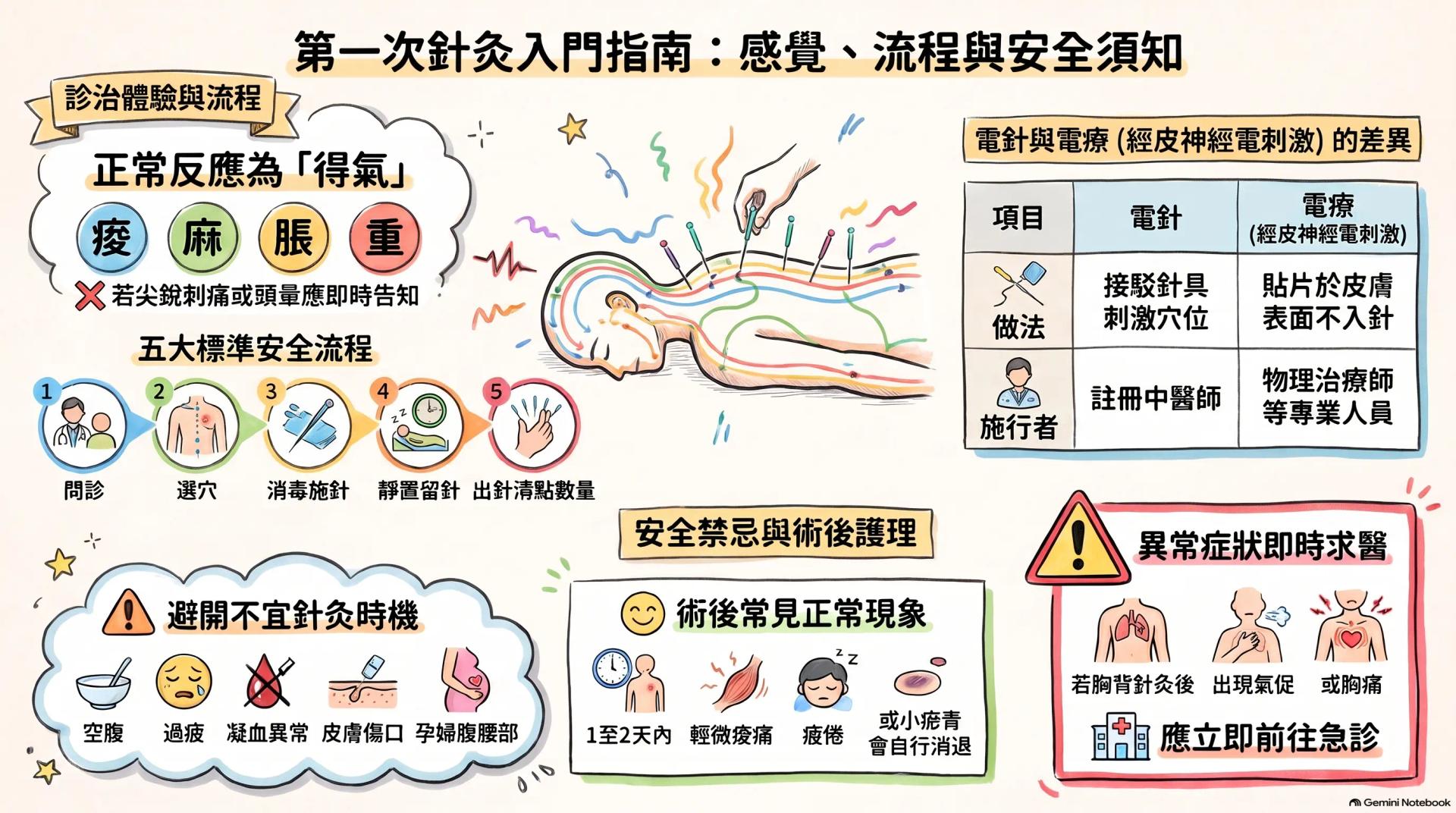
Does Acupuncture Hurt? What to Know Before Your First Visit
Does acupuncture hurt, and is feeling worse afterwards normal? Reviewed by Dr Wong, this guide covers the sensation, a typical session, electroacupuncture, session numbers and who should avoid it.
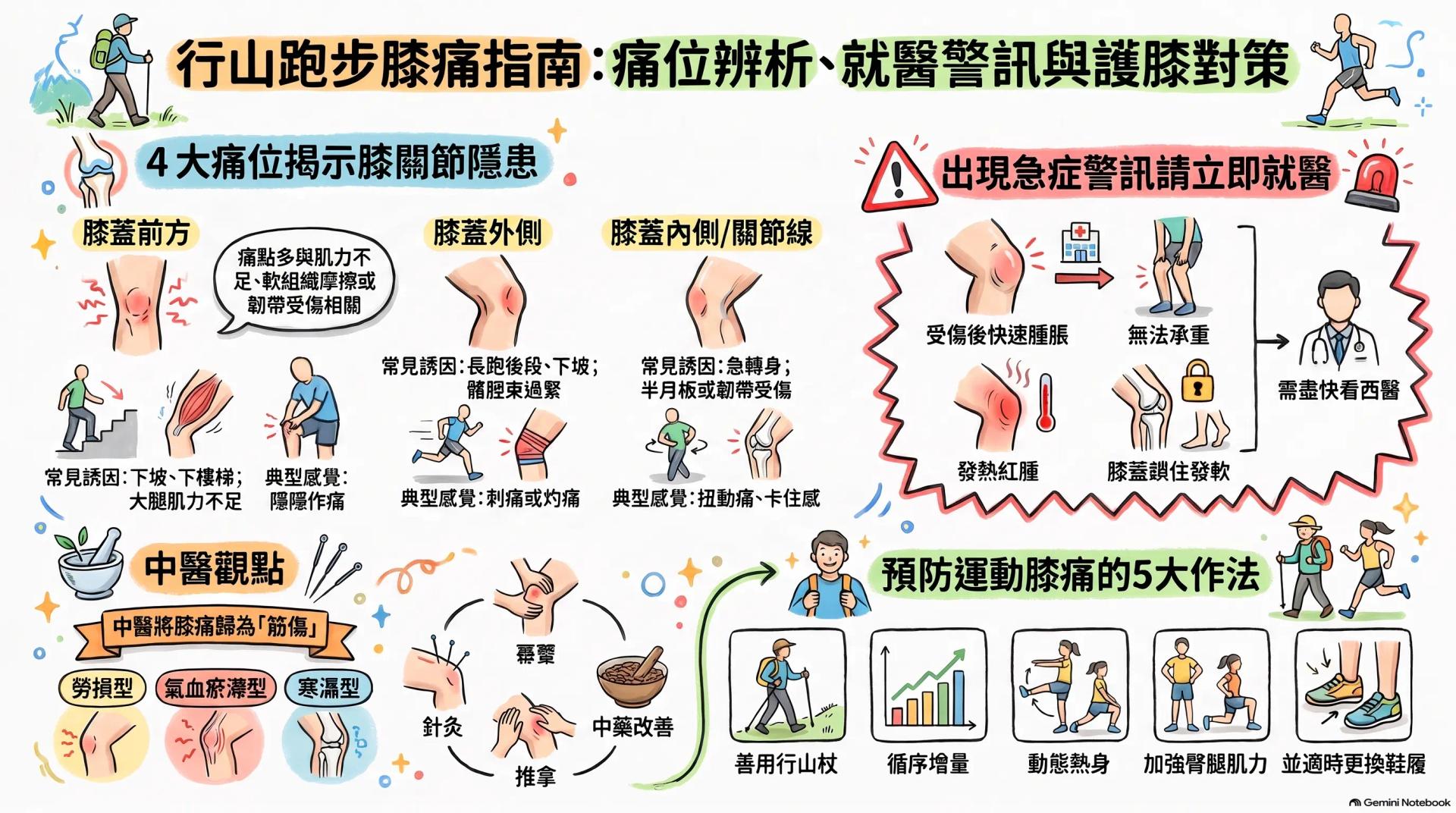
Knee Pain After Hiking or Running: TCM or Western Doctor?
Knee pain after a downhill hike or a long run? Reviewed by Dr Wong, this guide explains four common pain locations, warning signs that need a Western doctor, the TCM approach and prevention tips.
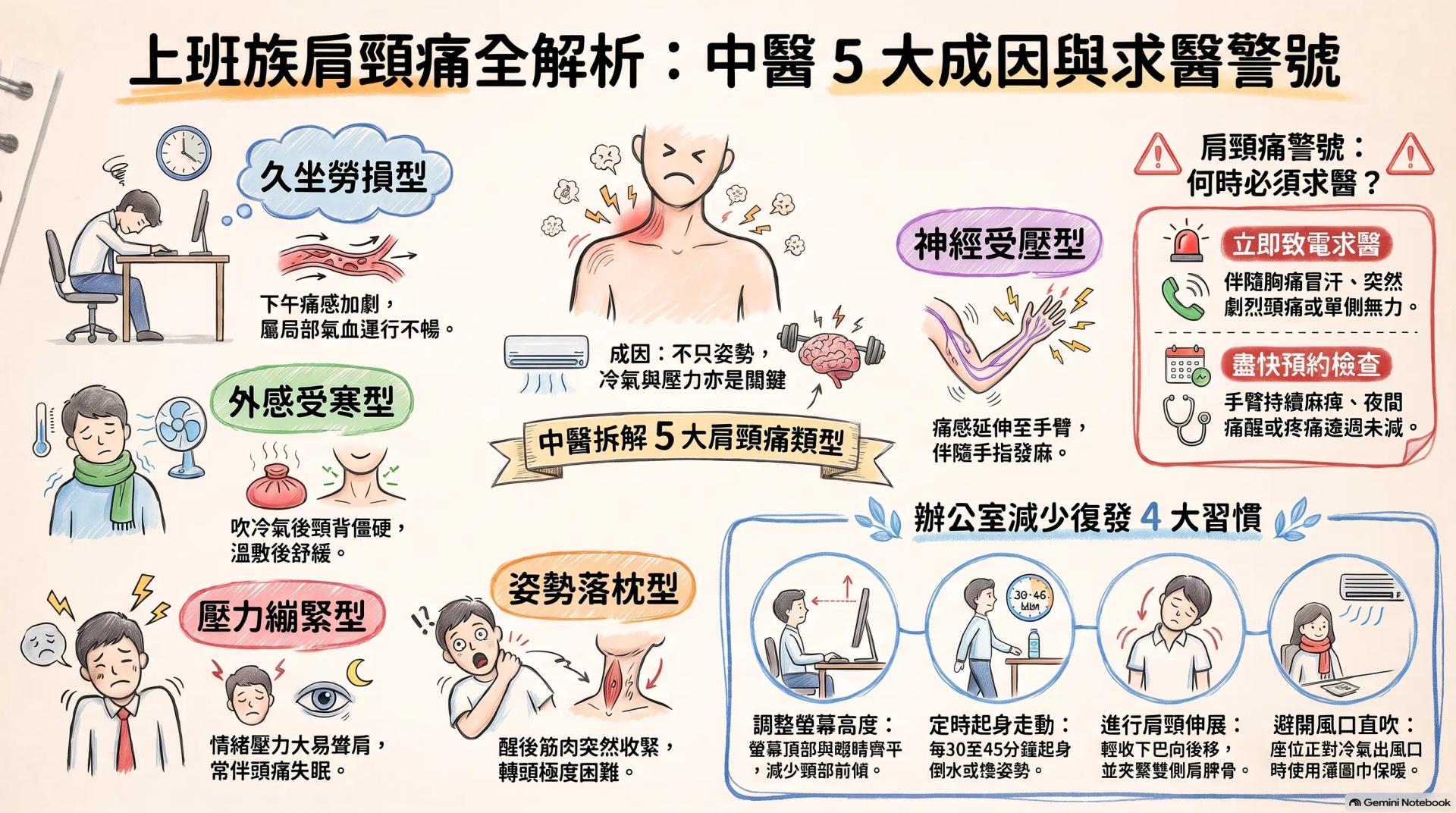
Office Neck and Shoulder Pain: 5 Causes and Warning Signs
Neck and shoulder pain at work is not just about posture. Reviewed by Dr Wong, this guide covers five common causes, the TCM approach, warning signs that need urgent care and simple office habits.