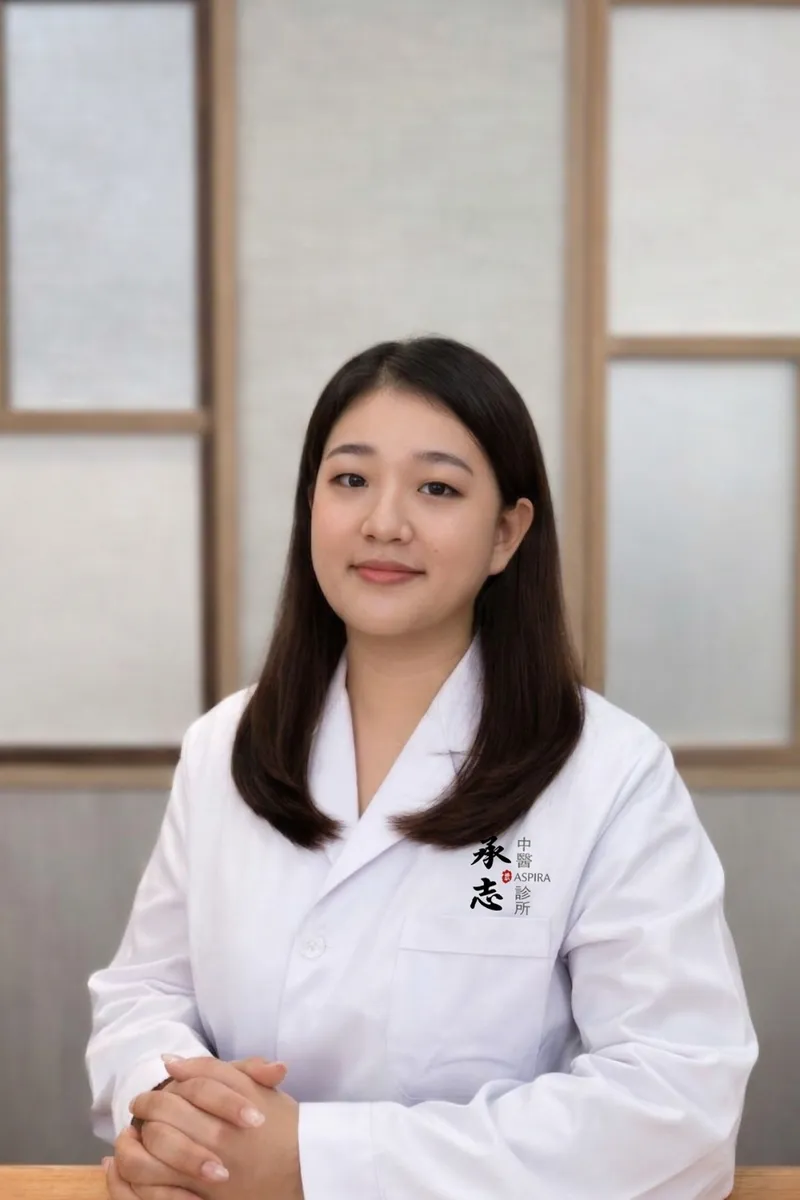
Dr. Chan Wing Kiu, Joanne
Registered Chinese Medicine Practitioner
Registered TCM Practitioner (Reg. No.:009463)
Specialties
Profile
Dr. Chan specialises in geriatric care and pain management for older adults, alongside gynaecology — with particular focus on menopause, uterine fibroids, and polycystic ovary syndrome (PCOS) — as well as dermatology and general internal and external medicine. She emphasises holistic syndrome differentiation and patient communication, with a practical, direct treatment style. Especially attentive to elderly patients, she cares for them as family, helping each patient stabilise body and mind and improve quality of life.
Qualifications
- Registered Chinese Medicine Practitioner (Hong Kong)
- Bachelor's Degree in Chinese Medicine, Guangzhou University of Chinese Medicine
Education
- Guangzhou University of Chinese MedicineBachelor of Chinese Medicine
Years of Practice
3 years
Articles by Dr. Chan Wing Kiu, Joanne
TCM Stroke Prevention for Seniors: Signs & Key Acupoints
Stroke has only a 3-hour golden window. Drawing on Dr Chan Wing-kiu’s lecture, this guide explains the FAST-style "Tan-Siu-Yung-Bing" warning signs, three TCM causes of stroke, four daily acupoints and dietary do’s and don’ts, with an emergency response checklist at the end so you can care for elderly parents day by day.
Dementia or Normal Ageing? 6 Early Warning Signs — TCM Guide
Memory lapses in older adults do not always mean dementia. But when a person repeatedly asks the same question, forgets recent events, gets lost, makes mistakes with cooking, or shows clear personality changes, it should not be dismissed as ageing alone. This guide explains the differences between normal ageing and dementia, six early warning signs, common assessment methods, and how TCM may support prevention and overall function.
Early Signs of Diabetes: 6 Warning Signs, Tests & TCM Care
Diabetes does not always begin with dramatic symptoms. Many people notice tiredness after meals, more night urination, dry mouth, increasing abdominal fat, itchy skin, or slow wound healing before they are diagnosed. This article explains early warning signs of diabetes, who should be tested early, and how TCM may support people in the prediabetes stage.
When a Parent Forgets the Stove: A TCM Dementia Assessment
Ms Lee’s 75-year-old mother has recently begun repeating the same questions, mixing up her medication, and even forgetting to turn off the stove. Is this ordinary forgetfulness, poor sleep, or an early dementia warning sign? This article explains how TCM can assess an older adult’s memory changes step by step through the lenses of safety, cognitive function, vascular risk, sleep, constitution, and family caregiving.
Frequent Night Urination in Older Adults: A TCM Guide
Is it normal for older adults to wake up once or twice at night to urinate? Frequent night urination may relate to drinking habits, infection, prostate or bladder problems, diabetes, medication, or even heart and kidney function. This article explains the common causes, warning signs that need medical attention, and how TCM assesses nocturia in older adults.
Insomnia in Older Adults: Waking at Night, Dreaming, Early Waking
Does sleeping less in older age always mean insomnia? Waking easily at night, vivid dreaming, early waking, and waking tired may relate to nocturia, pain, mood, medication, sleep apnoea, or sleep habits. This article explains common causes, warning signs, and how TCM interprets insomnia patterns such as heart-spleen deficiency, disharmony between heart and kidney, and liver fire.
Dizziness in Older Adults: ENT, Cardiology, or TCM?
Dizziness in older adults can mean vertigo, near-blackout on standing, unsteady walking, or a heavy foggy head. Causes range from BPPV and blood-pressure fluctuation to arrhythmia, anaemia, low blood sugar, medication effects, stroke warning signs, and qi-blood deficiency. This article explains which situations suit ENT, cardiology, general medicine, emergency care, or TCM.
TCM on Blood Thinners: Herbs and Acupuncture in Atrial Fibrillation
The most common question from elderly atrial fibrillation patients on blood thinners is whether they can also take Chinese herbal medicine or have acupuncture. The answer is yes, but with three prerequisites: both practitioners must know about each other; blood-activating and tonifying herbs must be assessed by a registered TCM doctor; and the safety principles for acupuncture, cupping and gua sha must be strictly observed. This article focuses on that single question.
Acupuncture for Parkinson's Disease? Combining TCM and Medication
Parkinson's patients on long-term dopaminergic medication such as Madopar are often asked by family members whether acupuncture and Chinese herbs can help with tremor, stiffness, constipation or insomnia. This article compares the roles of Western medication and acupuncture-based TCM care across disease stages and TCM patterns, lays out where the two combine well, and lists the warning signs that must go to neurology or emergency care first.
Can Straining on the Toilet Cause a Stroke in Older Adults? A TCM Look at Four Hidden Risks of Chronic Constipation
"Grandpa fainted in the bathroom last night" is not an isolated case. Straining on the toilet can indeed trigger strokes and heart attacks in older adults — but that is only one of four hidden risks of long-term constipation. This guide unpacks the four: cardiovascular events from straining, chronic blood loss from haemorrhoids and fissures, faecal impaction with bowel obstruction, and constipation masking colorectal cancer warning signs. It lists when to seek immediate medical attention, the age range for Hong Kong's colorectal cancer screening programme, and the TCM view of common patterns and direction.
Poor Appetite in Older Adults on Long-Term Medication and Supplements? A TCM Case Study on Spleen-Stomach Care Under Polypharmacy
Several chronic-disease pills, then poor appetite, early fullness and daytime tiredness — family carers naturally wonder whether some of those medications are "harming the stomach". Stopping them on your own, however, can destabilise blood pressure, blood sugar and cardiovascular risk. This case of a 76-year-old maps out 7 possible causes, 6 things family carers should do, the safety conditions for TCM (60-minute spacing between Western and Chinese medicine), and the spleen-stomach directions that TCM can offer.
Considering Acupuncture After a Stroke? A TCM Guide to the Golden-Window Timing and Five Things Families Must Know
A family member has just been discharged after a stroke; one side is still weak and speech is slurred. The children want to start TCM acupuncture as soon as possible — but worry about interactions with blood thinners, conflicts with physiotherapy, and whether the "golden window" must be hit. This guide unpacks the meaning of the post-stroke golden-window timeline, lists the five recurrence warning signs that families must address before acupuncture begins, the logic of point selection and treatment direction, four common TCM patterns, contraindications and how to divide work with the Western rehab team.
Is Cutting Sugar Alone Enough for Pre-Diabetes? TCM on Blood Sugar, Constitution and Lifestyle
"My check-up says I am pre-diabetic. The doctor told me to cut sugar and come back for another blood test — is that enough?" This guide answers the question directly: the 4 measurements that matter beyond sugar, the 6 TCM constitution patterns in the "spleen dan" stage, what TCM can and cannot do at this window, and a 90-day plan that pairs lifestyle change with constitutional support.
Polycystic Ovary Syndrome (PCOS): Causes and TCM Care for Menstrual Irregularity, Hair Growth, Acne and Infertility
PCOS is not simply "irregular periods" — it is a long-term condition spanning the endocrine, metabolic and reproductive axes. This article covers common symptoms, four TCM pattern directions (kidney deficiency, phlegm-damp, liver stagnation, qi-blood stagnation), TCM care (cycle-based therapy, acupuncture, weight and insulin resistance management), how to coordinate with Western treatment, and the investigations and warning signs to know.
PCOS Renamed PMOS — Symptom Self-Check and Combined Western–TCM Care
PCOS has been renamed PMOS (Polyendocrine Metabolic Ovarian Syndrome) to emphasise that it is not only a gynaecological condition but a metabolic one. This article walks through how PMOS develops (Western and TCM views), a three-category nine-point symptom self-check, the combined Western–TCM treatment plan, and practical low-GI diet and resistance-training steps every patient can start at home.
Slim Women Get PCOS / PMOS Too — Recognising and Managing PCOS in Lean Patients
A normal BMI does not rule out PCOS / PMOS. Lean PCOS accounts for around 20–30% of patients — insulin resistance, hyperandrogenism and irregular cycles are all still in play, but the diagnosis is routinely missed because the patient is not overweight. This article walks through the comparison with the classic phenotype, five recognition signals, the necessary investigations, three common TCM pattern directions and why the lean phenotype is managed differently.
Hot Flushes, Night Sweats, Insomnia and Mood Swings: Are You Entering Menopause?
Hot flushes, night sweats, insomnia, mood swings, irregular periods — is this menopause? This article offers a 30-second self-check, explains what menopause is, which situations warrant medical assessment, and reviews the options: hormone replacement, lifestyle measures and Chinese medicine.
Uterine Fibroids: Do You Need Surgery, and What Can TCM Do?
Fibroids found at a check-up — is surgery inevitable? This article explains what uterine fibroids are, when treatment is needed, when the decision belongs with a gynaecologist, and sets out plainly the role and the limits of Chinese medicine.
Book now and start your health journey
Limited slots available today
Book via WhatsAppAspira TCM — Your path back to health