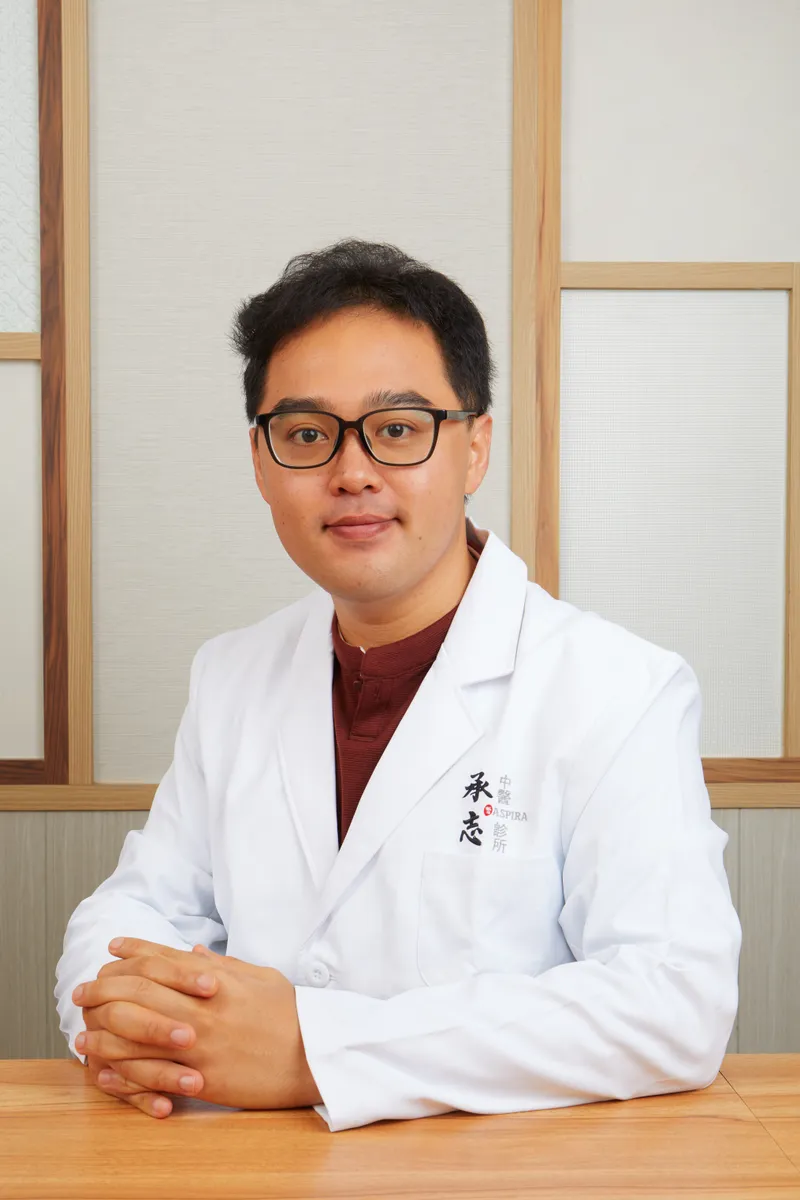
Dr. Tai Wai Ho, Samson
Registered Chinese Medicine Practitioner
Registered TCM Practitioner (Reg. No.:008702)
Specialties
Profile
Dr. Tai specialises in complex and stubborn conditions, treating through herbal medicine across general internal and external medicine, dermatology, men's health, and gastrointestinal care. Having practised in public, private, and government anti-pandemic frontline settings, he brings broad cross-disciplinary experience, with clear, logical consultations. Cough treatment shows results within three visits — or your money back.
Qualifications
- Registered Chinese Medicine Practitioner (Hong Kong)
- Bachelor's Degree in Chinese Medicine, Guangzhou University of Chinese Medicine
- Master's Degree in Chinese Medicine (Internal Medicine), Hong Kong Baptist University
Education
- Hong Kong Baptist UniversityMaster's in Chinese Medicine (Internal Medicine)
- Guangzhou University of Chinese MedicineBachelor of Chinese Medicine
Years of Practice
8 years
Articles by Dr. Tai Wai Ho, Samson
Two Months of Coughing, Relief in Three Sessions — Mr Chan's Story
A male office worker in his 40s suffered from persistent coughing for over two months with no improvement from Western medication. After three sessions of herbal medicine prescribed by Dr Tai, his cough significantly improved and he regained normal work and sleep.
How to Choose a Good TCM Doctor? 5 Questions You Must Ask
Choosing the right TCM doctor shouldn't be a gamble. This guide covers 5 essential questions to ask before your first visit — from verifying credentials to checking fee transparency — so you can find a trustworthy practitioner who truly fits your needs.
TCM Limitations: 5 Times to See a Western Doctor First
TCM has genuine strengths in chronic care and holistic wellness, but it is not the right first choice for every situation. This article honestly discusses 5 scenarios where Western medicine should come first, what TCM truly excels at, and how to make informed decisions between the two.
TCM vs Western Medicine: 6 Common Conditions Compared
Is TCM or Western medicine better? The honest answer: it depends on your condition and needs. This article fairly compares both approaches across six common conditions — cough, eczema, pain, insomnia, digestive issues, and menstrual irregularities — to help you make the right choice.
Cough That Won't Go Away? 6 Home Remedies + When to See a Doctor
Coughing is one of the most common reasons for seeking medical attention in Hong Kong — but not every cough requires an immediate doctor visit. This article shares 6 home remedies from a TCM perspective and helps you identify the "red flag" signs that mean you should see a doctor promptly.
Night-Time Itchy Skin in Older Adults: A TCM Damp-Heat Case Study
When spring and summer arrive, many elderly people see their itchy skin flare up, particularly at night, and topical creams alone become less effective. Through the composite case of "Madam Chan", a 78-year-old, this article explains how TCM assesses elderly itch through the lens of damp-heat in the skin and blood-deficiency wind, walks through a phased approach to relief, and lists the warning signs (scabies, drug eruption, severe skin disease) that need a Western dermatology or internal-medicine assessment first.
Do Oysters, Maca and Deer Antler Boost Male Vitality? 5 Myths
Do aphrodisiac foods actually work? This article opens with a rating table (effective / partly effective / effective within a TCM framework / weak evidence / no strong evidence), reviews the Chinese and Western medical evidence behind oysters, maca, deer antler, sea cucumber and Chinese chives, distils the 3 shared traits of foods that genuinely support male sexual function, and flags 3 commonly eaten items that can actually harm performance.
Male Menopause Through the TCM Lens: 5 Signs in Men Over 40
Unexplained fatigue, irritability, lower libido, poorer sleep and a growing belly after 40 are not just ageing or work stress — they may be male menopause. This article begins with a five-sign self-check, sets out three TCM patterns (kidney-yang deficiency, kidney-yin deficiency, liver-and-kidney insufficiency) with matching improvements, and compares the two treatment routes — testosterone replacement therapy versus TCM constitutional care.
Enlarged Prostate: Are Nocturia and a Weak Stream Warning Signs?
After age 50, urinary frequency, nocturia, a weaker stream and having to urinate in stages may not simply be ageing. This article opens with a 7-symptom self-check, then sets out warning signs that warrant seeing a Western doctor immediately, four TCM constitution patterns, and four daily care directions any man can start with — helping you or your father decide the next step.
Is Erectile Dysfunction Always Kidney Deficiency? 5 TCM Patterns
Many men reach for kidney-tonic pills the moment they notice an erection problem, but TCM actually divides erectile dysfunction (ED) into 5 distinct patterns. This article starts with a symptom comparison table to help you tell true kidney deficiency from ED that may not involve kidney deficiency, then breaks down the psychogenic, liver-qi stagnation, damp-heat in the lower burner, qi-and-blood deficiency, and kidney deficiency patterns along with how each should be approached. It also flags reversible causes such as the three highs, diabetes and drug side effects that should be ruled out first, so you do not make things worse with the wrong tonic.
Premature Ejaculation Is Not Poor Performance: 4 TCM Patterns
Many men who feel they "do not last long enough" worry their sexual performance is poor, but premature ejaculation and sexual performance are two separate things. This article uses the ISSM medical definition plus a 4-item self-check to help you tell whether you have true PE, breaks down 4 TCM constitutional patterns (psychogenic, kidney deficiency, liver-qi stagnation, damp-heat in the lower burner), and outlines 5 evidence-based ways to improve control and lasting time — including behavioural training, pelvic floor exercises, lifestyle adjustments and personalised TCM care.
Do Men Have a “Period” Too? A TCM Look at Male Mood Swings, Fatigue and Hormonal Change — Plus 5 Ways to Find Relief
Do men have a period too? Men have no regular cycle like menstruation, so the “male period” is not a formal diagnosis — it describes the mood and energy swings driven by hormones, stress, sleep and lifestyle. This article covers the signs, the causes, how it differs from a woman’s period, how TCM assesses it, and five everyday ways — teas, foods and acupressure points — to find relief.
The Cold Has Gone but the Cough Will Not Clear: Causes of a Lingering Post-Cold Cough and How TCM Can Help
The cold is gone, but the cough drags on for weeks. This article breaks down the common types and causes of a lingering post-cold cough, the situations that warrant medical attention, the treatment blind spots, and how Chinese medicine can help through pattern differentiation.
A Cough That Comes On When You Lie Down at Night: Common Causes and How TCM Can Help
Fine during the day, but coughing the moment you lie down, or waking at night? A night cough has more than one cause, and some have little to do with the lungs. Learn how to identify the type by accompanying symptoms, why lying flat makes it worse, when to seek medical care, and how Chinese medicine can help.
An Itchy Throat and a Cough Whenever You Speak: Throat Sensitivity and Sensitive Cough
A long-standing itchy throat with a dry cough triggered by talking, cold air or smells — not a cold, yet recurring for years. This article explains the causes of throat sensitivity and sensitive cough, how to distinguish its links with allergic rhinitis, acid reflux and voice overuse, when to see a doctor, and how Chinese medicine can help.
Book now and start your health journey
Limited slots available today
Book via WhatsAppAspira TCM — Your path back to health