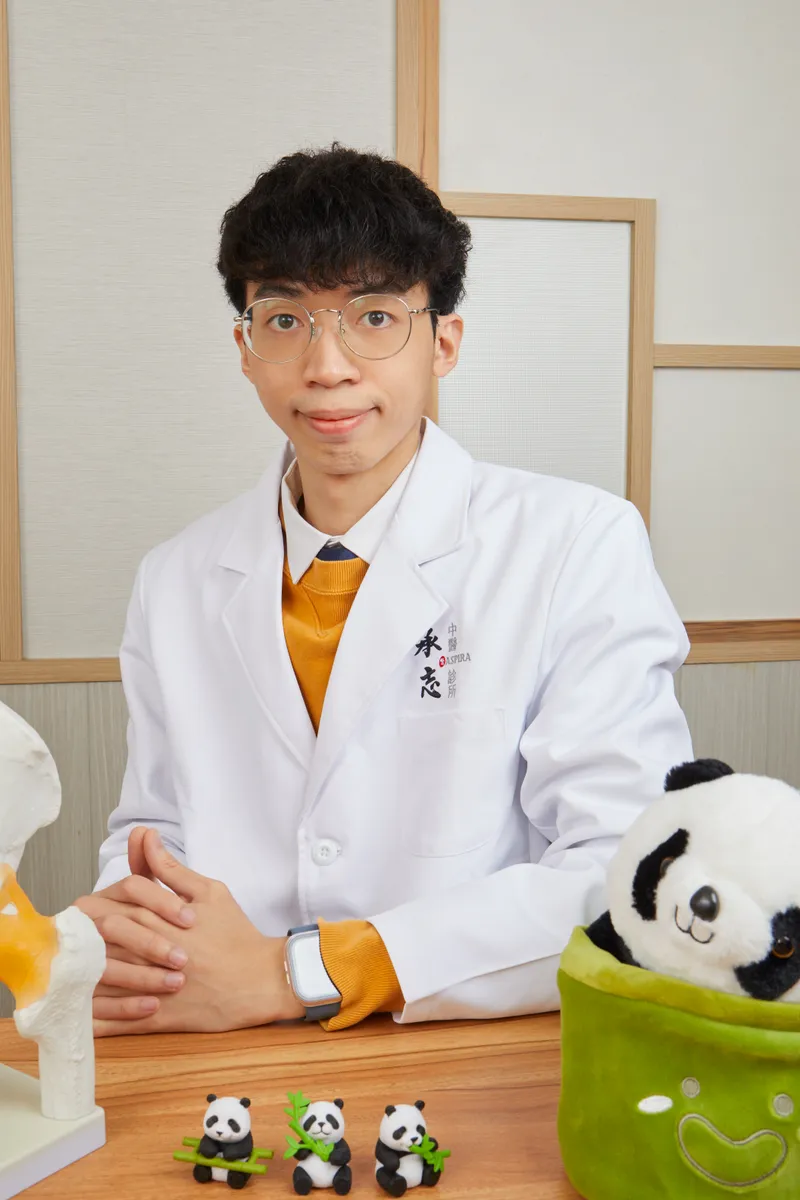
Dr. Au Kwok Po, Arthur
Registered Chinese Medicine Practitioner
Registered TCM Practitioner (Reg. No.:009884)
Specialties
Profile
Dr. Au combines TCM with qualifications in nutrition, focusing on weight and body-shape management through electro-acupuncture, thread embedding, herbal medicine, and dietary plans. He also treats the "four highs" (blood pressure, blood lipids, blood sugar, uric acid) and hair loss, and manages viral influenza and phlegm. He champions traditional medicine paired with modern nutrition and precise prescribing.
Qualifications
- Registered Chinese Medicine Practitioner (Hong Kong)
- Bachelor's Degree in Chinese Medicine, Beijing University of Chinese Medicine
- Master's Degree in Chinese Medicine (Oncology), The University of Hong Kong
- Level 3 Public Nutritionist Certification (Weight Management), China
Education
- The University of Hong KongMaster's in TCM Oncology
- Beijing University of Chinese MedicineBachelor of Chinese Medicine
Years of Practice
5 years
Articles by Dr. Au Kwok Po, Arthur
Breaking Free from Steroid Dependence — An Eczema Recovery Story
A woman in her 20s suffered from recurring eczema for five years with long-term steroid cream dependence. After approximately two months of internal and external herbal medicine treatment by Dr Au, she successfully broke free from steroid dependence and her skin returned to normal.
Eczema Diet Guide — TCM Tips on Triggers, Foods to Avoid & Daily Care
Recurring eczema is often closely linked to diet and lifestyle habits. Dr Au combines TCM pattern differentiation with his nutritionist expertise to explain the three common eczema patterns, foods to eat and avoid, healing soup recipes, and daily care tips to help you reduce eczema triggers at the root.
TCM Embedding vs Injections vs Aesthetics vs Liposuction
With so many weight-loss options on the market, which is right for you — TCM embedding, weight-loss injections, fat-freezing, or liposuction? Dr Au compares all four mainstream approaches across mechanism, speed of results, side effects, price range, rebound rate, and suitability — helping you avoid the pitfalls of "stop the drug, gain it back" and "treat the symptom, not the root."
Acupoint Embedding in Hong Kong: 2026 Pricing & Clinic Guide
Hong Kong acupoint embedding fees range from a few hundred to over three thousand dollars per session — but why? This guide breaks down 2026 market price ranges, six factors driving the fee differences, seven questions to ask before booking, four red-flag warnings, and a transparent line-by-line look at Aspira TCM's three packages — to help you choose what genuinely suits you.
TCM Acupoint Embedding for Weight Loss: Complete Guide + FAQ
TCM acupoint catgut embedding has become a popular weight-loss option in Hong Kong, but online information varies widely. Drawing on clinical experience, Dr Au explains the mechanism, compares thread materials, identifies six common "hard-to-slim" body types, walks through the treatment procedure, and answers 11 frequently asked questions — helping you decide whether the treatment is right for you.
Weight-Loss Injections vs Acupuncture: Side Effects & TCM
Many people in Hong Kong are interested in GLP-1 weight-loss injections but worried about side effects, rebound, and prescription safety. This article explains the common risks of weight-loss injections, then explores obesity patterns in TCM, how acupuncture may support weight management, and who may be more suitable for a TCM weight-loss assessment first.
Bloated and Heavy? Phlegm-Damp Obesity and Water Retention in TCM
If you do not eat excessively but often feel puffy, bloated, heavy, and tired, with weight fluctuating up and down, could “dampness” be part of the picture? This article explains the TCM view of water retention, phlegm-damp obesity, and why dampness-focused weight management is not the same as simply “draining water.”
Eating Little but Not Losing Weight? TCM on Weak Digestion
Skipping breakfast, eating only salad for lunch, and cutting rice at dinner may still leave weight unchanged — or even make you more tired, swollen, and stuck. This article explains why eating less does not always lead to better fat loss, and how TCM interprets weak digestion, dampness, deficiency, and the weight-loss plateau.
168 Fasting vs Low-Carb vs Keto: A TCM Guide to the Differences
168 fasting, low-carb diets, and keto are all popular weight-loss approaches, but they restrict different things — and their effects on digestion, sleep, blood glucose, bowels, menstruation, and mood differ accordingly. This article compares the three, explains which TCM constitutions need extra caution, and flags situations that warrant prior assessment by a Western doctor or registered dietitian.
Bigger Belly, Same Weight? TCM on Bloating, Constipation, and Fat
Stable weight but a more prominent belly does not always mean fat. Water retention, constipation, gastrointestinal bloating, posture, reduced muscle mass, and central obesity can all make the abdomen appear larger. This article uses TCM perspectives on digestion, phlegm-damp, qi stagnation, and constipation to help you distinguish situations and decide next steps.
Bloating, Fatigue, Insomnia After 168 Fasting? A TCM View
168 fasting does not suit everyone. Bloating, fatigue, cold intolerance, insomnia, dizziness, constipation, or appetite rebound after starting may signal that the eating window, nutrient distribution, digestion, or qi-blood state is not aligned. This article explains how TCM distinguishes digestive burden, qi-blood deficiency, phlegm-damp with qi stagnation, and yin deficiency with internal heat — and flags situations where pushing through is unwise.
Can I See a TCM Practitioner While on a GLP-1 Injection?
GLP-1 weight-loss injections are now a major talking point in Hong Kong. This article compares the roles of prescribed GLP-1 medication and TCM care across three phases — before treatment, during treatment and after stopping — covering medical monitoring, side-effect relief and post-discontinuation rebound, and identifying scenarios that should not be managed by TCM alone.
Eating Light but Not Losing Weight? A TCM Edema-Type Case Study
Eating light yet the scale will not budge — only the puffiness in the face, ankles and waistline persists? This case study follows Ya-lin (pseudonym), a 38-year-old office worker, through six months and explains how "eating clean but still not losing weight" often comes from a stack of small issues: salt, low protein, constipation, premenstrual fluid retention, phlegm-damp constitution, or internal disease. It also lists scenarios that warrant seeing a Western doctor first.
Does Black Coffee Help with Weight Loss? Timing and Side Effects
Black coffee may briefly raise metabolism and suppress appetite, but for those with acid reflux, palpitations, insomnia, chronic fatigue or premenstrual symptoms, it can do more harm than good. This article looks at the evidence and the TCM perspective, identifies five body types that should drink with care, and explains how to arrange timing and quantity sensibly.
Can “Removing Dampness” Really Help with Weight Loss? 3 Common Myths About Dampness, Swelling and Fat
Herbal “dampness-clearing” drinks are popular, but why do some people feel no lighter after weeks of drinking them? This article explains three common myths and how to tell apart oedema, phlegm-damp obesity and simple fat accumulation.
Why Do Late Nights Make You Gain Weight Faster? A TCM Look at Sleep, Cortisol and Runaway Appetite
After an all-nighter the cravings for chips, late snacks and milk tea come hard; the scale hasn't moved but the waistband has; new parents can put on 5 kg within six months. Late-night weight gain is not an illusion — the root cause is not "eating at night" but the cascade triggered when sleep quality drops. This guide explains how poor sleep drives weight gain through cortisol, ghrelin, leptin and insulin sensitivity, adds a TCM view of nighttime liver-gallbladder repair and constitutional patterns, lists when to see a Western doctor first, and offers four things you can start today.
Why Is It Harder to Lose Weight After 30? TCM on 4 Signs of a Slowing Metabolism
Eating the same and exercising the same, yet weight loss stalls after 30 while the waistline creeps up? This guide explains common metabolic slowdown signals, the TCM constitutional patterns behind them, and when Western medical assessment should come first.
Middle-Aged Beer Belly That Won't Shrink? A TCM Case Study on Business Entertainment and Visceral Fat
Frequent client dinners, late-night meals and rising alcohol intake, yet the waistline keeps growing and the annual check-up flags borderline metabolic syndrome. This case study of a 48-year-old explains why visceral fat accumulates so readily in middle-aged men, how alcohol fuels the fatty-liver pathway, and how TCM evaluates four parallel drivers: damp-heat, phlegm-damp, late eating and stress-induced liver qi stagnation.
Can't Stop Snacking After Dinner? A TCM Case Study on Emotional Eating and Late-Night Cravings
Dinner was enough, yet after 9 pm the biscuits, chocolate, crisps or ice-cream call again — followed by guilt and a smaller breakfast the next morning. This case study of a 35-year-old office worker walks through how to tell real hunger from emotional eating, the four TCM lines (liver-spleen, stomach heat, heart-spleen deficiency, phlegm-damp), and a five-step routine to break the 9–11 pm craving cycle.
Does More Sweat Mean More Fat Burned When Running? A TCM Look at the Common Misconception
A 30-minute run drops the scale by 1.5 kg — proof of weight loss? A drenching hot yoga class "must have flushed out toxins"? A trip to the sauna makes the belly look smaller? These are the most common sweat-equals-fat-loss myths. This article separates sweating from water loss and from real fat oxidation, explains the actual conditions for fat burning, and adds a TCM view of constitutions that sweat too easily — or barely sweat at all — including five reasons runners may not be losing fat and four ways TCM can help.
Weight Unchanged but the Belly Keeps Growing? A TCM Turnaround Plan for Central Obesity in Office Workers
Weight has risen only 2 kg in six months, but the waist is 8 cm wider; the health-check report flags "elevated visceral fat" in red. This is a common frustration for women in their 30s working office jobs. This case study follows the typical consultation profile of "Ms Chan" (pseudonym) — explaining the TCM evaluation of sedentary central obesity, the spleen-damp-with-liver-stagnation pattern, the three-month phased plan, when to see a Western doctor first, and three things readers can start doing today.
Heavier When Busy, Heavier When Off? A TCM Look at Stress-Induced Obesity and How to Approach It
You count calories, you exercise — yet you put on weight when work gets busy, and put on more during the holiday. The needle moves one or two kilos at a time, and the belly shows it most. This article looks at stress-induced obesity through a TCM lens — cortisol, liver-qi stagnation and spleen-deficiency damp — and outlines when to see a Western doctor first and where TCM care can begin.
Why Do Slim People Still Get a Belly? A TCM Look at Visceral Fat and Its Risks
A normal BMI does not always mean low metabolic risk. This article explains why slim people can still develop abdominal fat, why visceral fat matters more than the scale, and how TCM interprets common constitutional patterns behind it.
Daily Two-Side Rice and Still Not Slimming Down? TCM on 3 Hong Kong Takeaway Traps
Two-side rice on Monday, cha chaan teng plate lunch on Tuesday, rice noodles, Japanese bento — feels "not that much" but the scale will not move. The problem is rarely overeating; it is the three traps stacked into Hong Kong takeaway: sodium-driven water retention, oily stagnation and undernutrition. This guide unpacks them with a TCM lens of water-damp, phlegm-damp and spleen-stomach weakness, plus a 5-category comparison of salt, oil and sugar.
Does PCOS Cause Weight Gain? Weight-Loss Failure May Point to PCOS / PMOS
You've tried dieting, running and cutting sugar — yet the scale won't move, or even creeps up. Combined with irregular cycles, acne or hair growth, this often points to PCOS / PMOS. This article walks through four physiological reasons (insulin resistance, hyperandrogenism, chronic inflammation, the binge–crave loop), why standard diet advice fails in PCOS, and a five-step strategy paired with combined Western–TCM care.
Book now and start your health journey
Limited slots available today
Book via WhatsAppAspira TCM — Your path back to health